



Antique Tiled Hall Stand
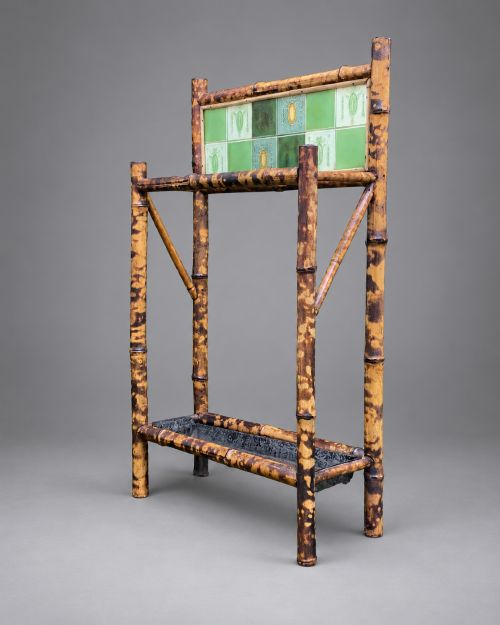
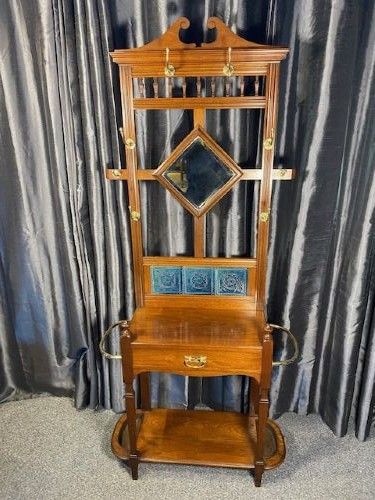
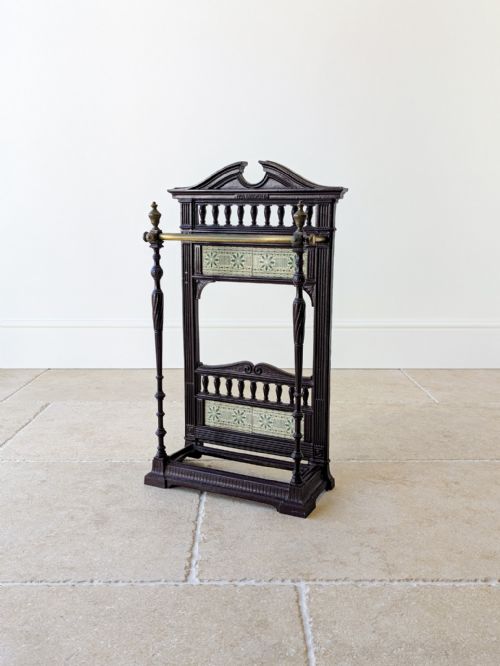
An antique tiled hall stand greets visitors with enduring practicality, combining sturdy timber frames with decorative glazed ceramic panels designed to handle daily use.
Antique Tiled Hall Stand
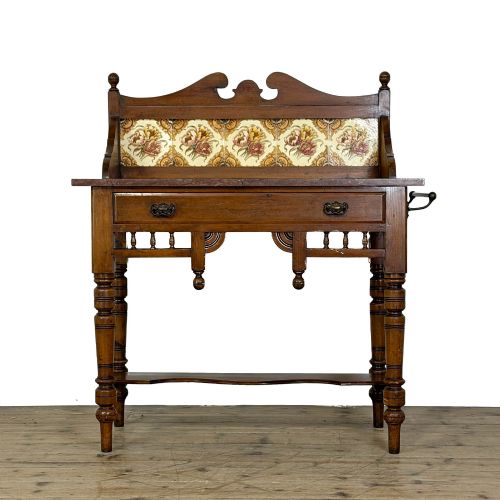
An antique tiled hall stand combines robust wooden frames with decorative ceramic panels, creating a practical piece designed to handle the daily demands of a busy entranceway. These hallway furnishings provide a dedicated spot for outerwear and umbrellas while introducing distinct period character to domestic interiors.
Buyers browsing this selection will encounter various iterations spanning the Victorian and Edwardian eras. Pieces often integrate umbrella wells, coat hooks, and occasionally marble surfaces or mirror plates into their structural design.
Originating predominantly from the nineteenth and early twentieth centuries, these items showcase the utilitarian yet artistic domestic priorities of their respective periods. The specific examples recorded here demonstrate how makers adapted standard furniture forms to incorporate glazed ceramic inserts for moisture resistance and visual appeal.
How they were made
Construction relies heavily on durable timbers such as oak, mahogany, and pine, forming the foundational framework to support heavy ceramic elements and metal hardware. Artisans joined these structural components using traditional joinery methods suited to freestanding hallway furniture.
Decorative ceramic tiles form the signature visual feature, frequently set into a back panel to withstand damp items and moisture from umbrellas. These tiles, alongside cast iron hooks, brass rails, and occasional marble tops, reflect the period's preference for mixed media durability.
Metal components such as cast iron and brass provide structural reinforcement and functional utility, particularly within the stick and umbrella compartments. These resilient materials ensured the furniture could endure heavy daily wear in busy domestic hallways.
Antique Tiled Hall Stand Retail Price Guide 2026
Typical asking prices for tiled hall stand among the pieces listed under this phrase on Sellingantiques today, from the lower quarter to the upper quarter. They describe what is for sale here now, not the wider market.
What varies in quality
The sophistication of the ceramic tile work largely distinguishes standard production items from exceptional examples. Hand-painted or notable manufacturer panels elevate the artistic merit far above basic mass-produced inserts.
Timber selection and the intricacy of the framing woodwork dictate the overall grade of the piece. Substantial oak or figured mahogany structures with thoughtful proportions indicate superior workshop standards compared to simpler pine constructions.
The integration of secondary materials like marble surfaces and quality metalwork for hooks and stick wells influences the refinement of the object. Cohesive design between the wooden frame, tile backing, and hardware marks the distinction in craftsmanship.
Coalbrookdale·Ellen E. Houghton of Minton
The Antique Tiled Hall Stand Glossary
- Hall stand
- A piece of hallway furniture typically incorporating coat hooks, an umbrella holder, and sometimes a mirror or tiled back panel. It serves to organise outdoor garments and walking gear near the entrance of a home.
- Stick stand
- A compact furniture form dedicated to holding walking sticks, canes, and umbrellas, often featuring a metal drip tray below. These items appear both as independent pieces and integrated into larger hall furniture.
- Ceramic tile
- A flat, glazed earthenware or stoneware piece inset into furniture frames for decoration and moisture protection. They offer a durable surface that resists water and stains in busy domestic areas.
- Aesthetic Movement
- A late nineteenth-century design style that emphasised visual beauty over moral or narrative purpose in art and home furnishings. Pieces from this movement often display stylised floral motifs and refined craftsmanship.
- Edwardian
- Pertaining to the reign of King Edward VII, characterised by lighter furniture forms and eclectic revivals of earlier styles. Items from this period frequently balance traditional utility with brighter aesthetic sensibilities.
Antique Tiled Hall Stand: Frequently Asked Questions
How were these hall stands used?
These furnishings were positioned near the front door to provide immediate storage for outdoor apparel and walking accessories upon entering the home. Hooks accommodated coats and hats, while lower compartments kept wet umbrellas contained.
The integrated ceramic tiles provided a moisture-resistant backdrop behind damp garments, protecting the wooden framework from water damage. This practical arrangement kept entranceways tidy and organised for residents and visitors alike.
How do I live with a hall stand?
Living with a hall stand involves positioning it in an entranceway or hallway where its height and footprint can be accommodated comfortably. Ensure the floor area allows easy access to coat hooks and umbrella wells without obstructing movement.
Routine care requires gentle dusting of the wooden frame and careful cleaning of the ceramic tiles to preserve the glaze. Placing a suitable tray in the umbrella base helps protect the surrounding floor from residual moisture.
How can I tell periods apart?
Differentiating between Victorian and Edwardian examples involves observing the timber choice, decorative motifs, and overall heft of the furniture. Victorian pieces often display heavier oak construction and darker finishes, reflecting more ornate stylistic influences.
Edwardian examples frequently present lighter framing woods like mahogany or pine, alongside brighter aesthetic treatments. Design details such as Aesthetic Movement or Arts and Crafts motifs also provide strong chronological indicators.