
Antique Tiered Display
An antique tiered display organises treasures across multiple levels, combining practical surface area with striking vertical presence in a room.
Antique Tiered Display
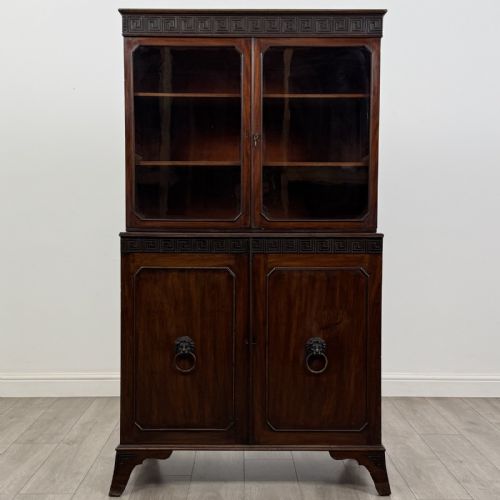
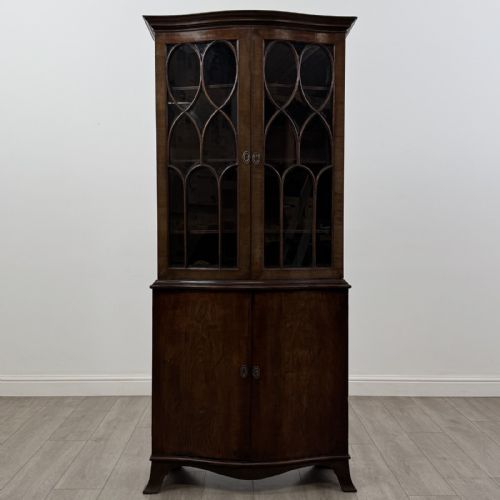
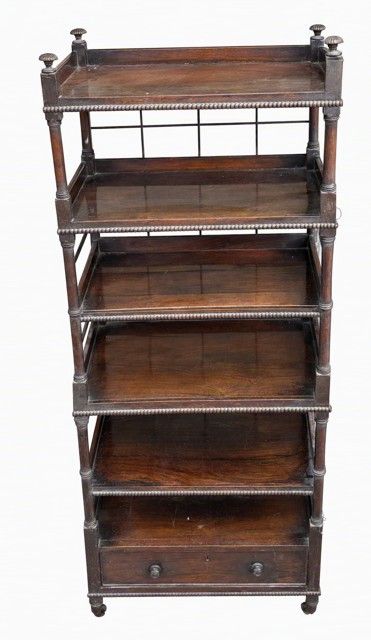
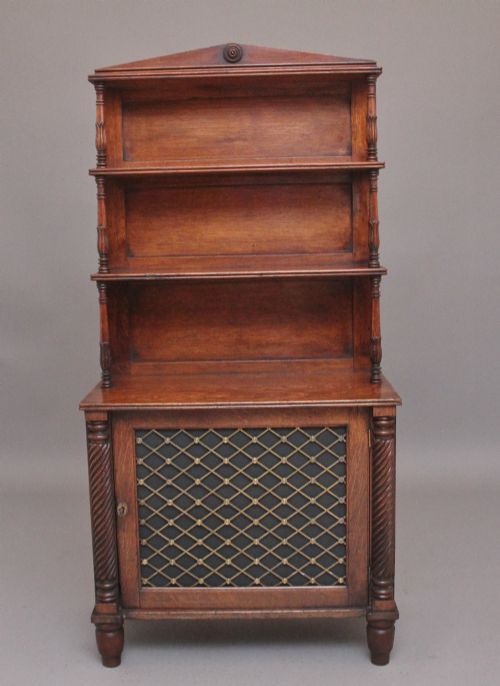
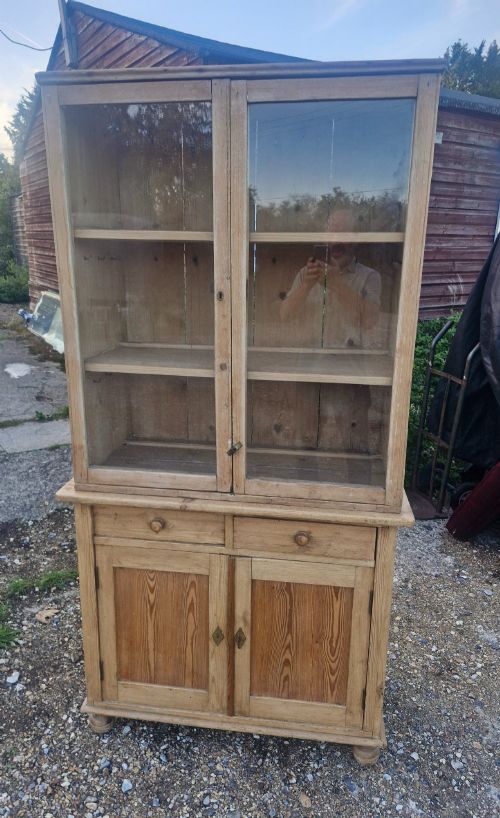
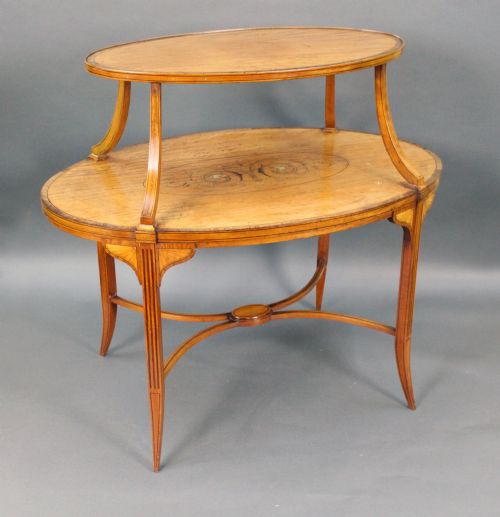
When you search for an antique tiered display, you encounter a versatile group of multi-level furniture designed to hold books, plants, and decorative objects. These pieces include mahogany whatnots, satinwood étagères, and multi-section sectional bookcases spanning the Georgian, Victorian, and Edwardian periods.
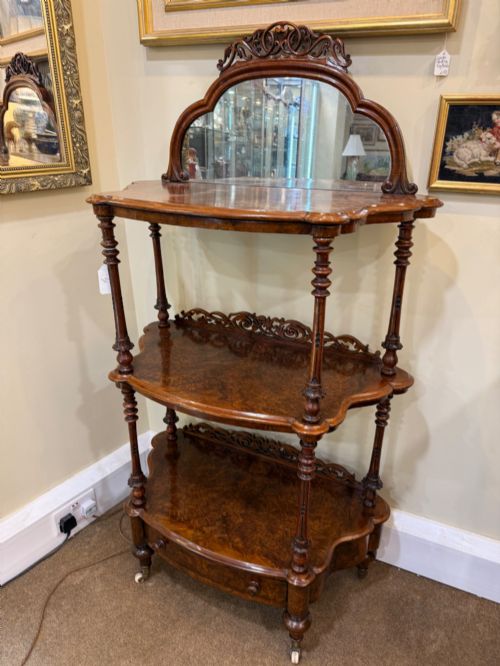
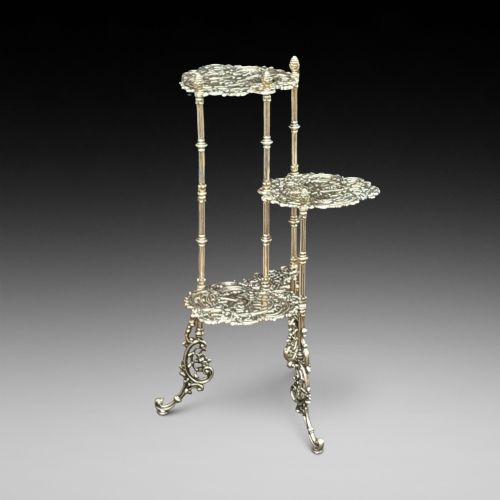
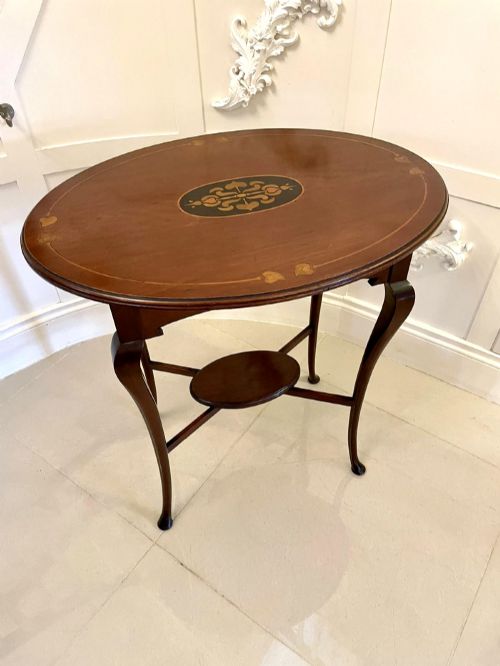
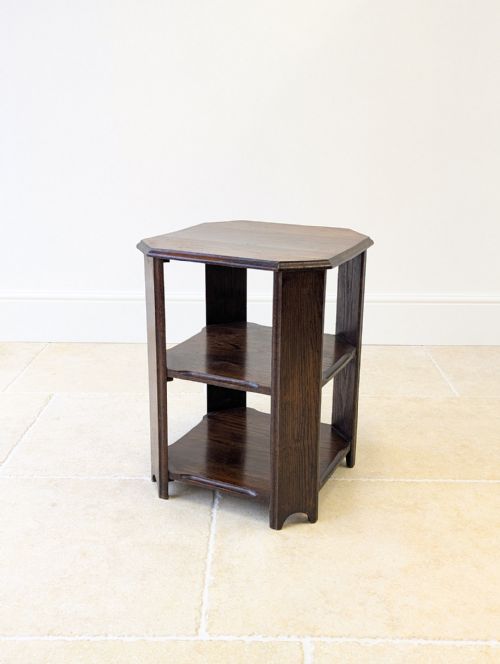
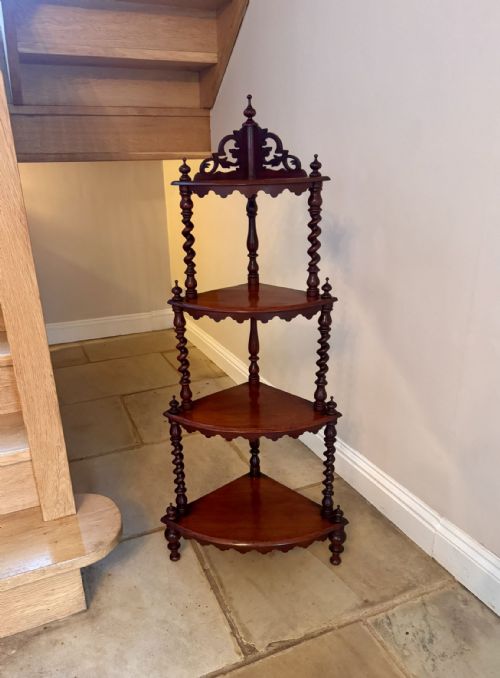
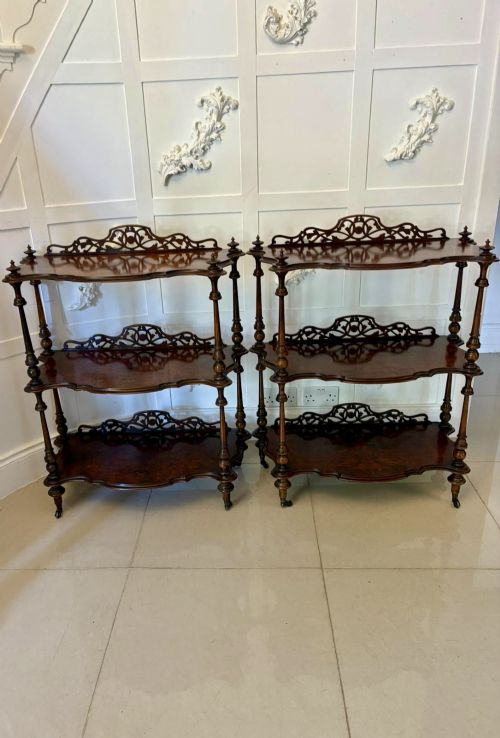
You are most likely to meet Victorian burr walnut whatnots and mahogany side tables featuring three to six graduated shelves. These multi-tiered formats range from freestanding corner stands and wall-hanging shelves to elaborate plant stands and occasional tables.
Origins stretch from English workshops to Scottish kitchens, Dutch marquetry cabinets, and French Louis XV style pieces. The overarching purpose remains the same across these forms: maximising display space without crowding the floor plan.
What varies in quality
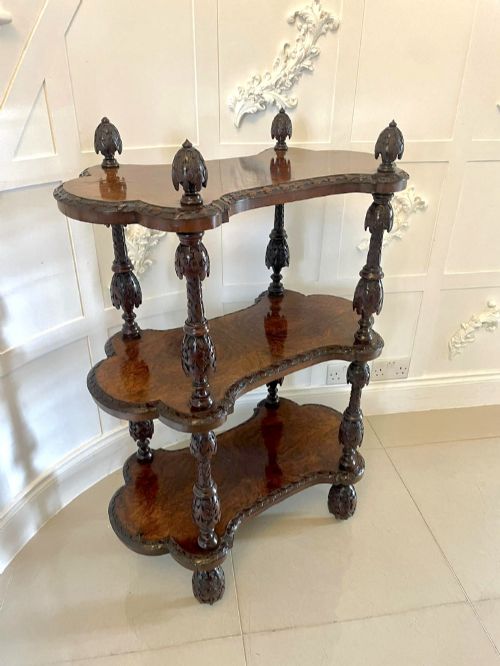
The choice of timber creates the primary distinction in quality, with figured burr walnut, rosewood, and satinwood commanding attention through rich grain patterns and natural depth. Secondary woods and plain pine construction sit at the simpler end of the range.
Artistry in embellishment separates standard utility furniture from exhibition pieces. Hand-carved details, marquetry inlay, and sophisticated turning such as barley twist supports reflect greater labour and higher workshop standards.
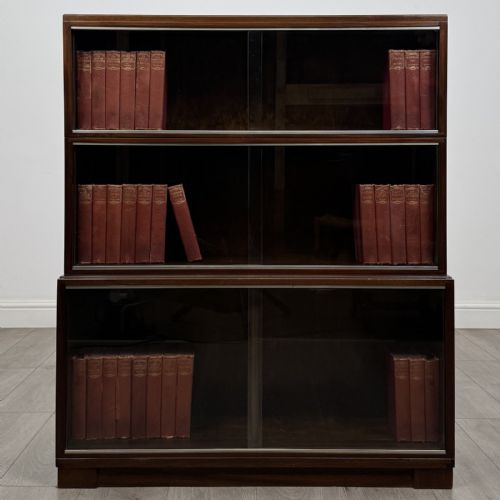
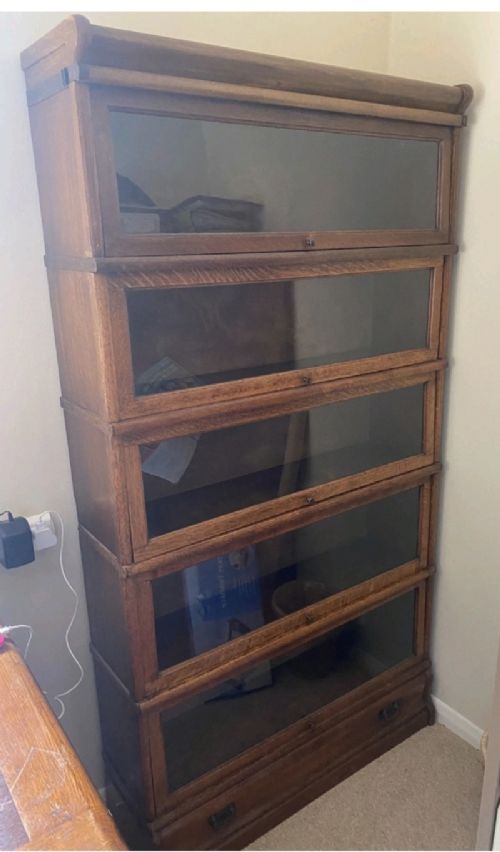
The archive records versatile formats including corner cabinets, wall shelves, occasional tables, and stacking sectional bookcases.
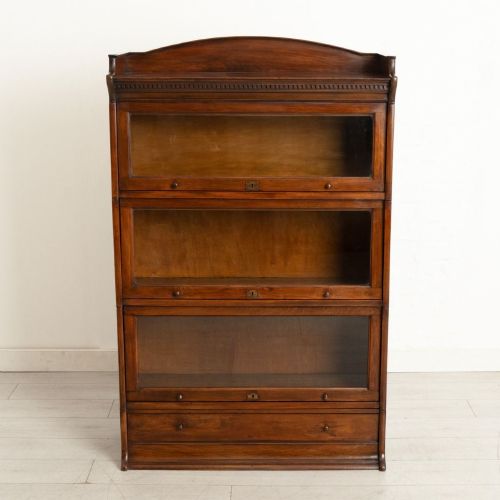
Lebus·Globe Wernicke
The Antique Tiered Display Glossary
- Étagère
- A French-derived term for a piece of furniture consisting of a set of open shelves for displaying small objects. These often appear in satinwood or marquetry styles.
- Globe Wernicke
- A brand name associated with sectional bookcases built from stacking modular units with glass doors. This system allows owners to add shelves as their library grows.
- Marquetry
- The art of applying pieces of veneer to a structure to form decorative patterns. Craftsmen use varied timbers to create contrasting pictures or geometric designs.
- Barley Twist
- A form of woodturning resembling a rope or screw thread. This decorative column style frequently supports the tiers of Victorian stands and whatnots.
Antique Tiered Display: Frequently Asked Questions
What is an antique whatnot?
An antique whatnot is an open piece of furniture featuring multiple tiers supported by uprights. It serves to display ornaments, small books, and decorative objects in a drawing room or parlour.
Cabinet makers developed these stands to utilise vertical space efficiently. They appear in freestanding formats as well as corner designs.
How do sectional bookcases work?
Sectional bookcases consist of individual stacking modules with glass-fronted doors that lift and slide inside the top of each compartment. This modular design lets owners expand their library vertically by adding matching tiers.
Popularised around 1900, this system protects books from dust while maintaining an organised, unified appearance in a study or library.
Where should I place a tiered display?
Tiered displays suit empty corners, narrow wall spaces, or flanking points beside a fireplace. Their vertical rise draws the eye upward without dominating the floor space.
Smaller wall-hanging versions work well above sideboards or desks, while freestanding whatnots anchor awkward transitions between living areas.
How do I identify a Victorian whatnot?
Victorian whatnots often feature dark timbers such as mahogany or heavily figured burr walnut. Turnings, pierced fretwork, and graduated shelf dimensions distinguish pieces from this era.
Earlier Georgian and Regency examples tend to exhibit lighter lines with fewer decorative flourishes, whereas Victorian items lean towards ornate carving and display presence.