
Antique Tier Shelves
Antique tier shelves bring multi-level display and storage into a room, offering practical elegance through tiered wooden platforms and open shelving.
Antique Tier Shelves
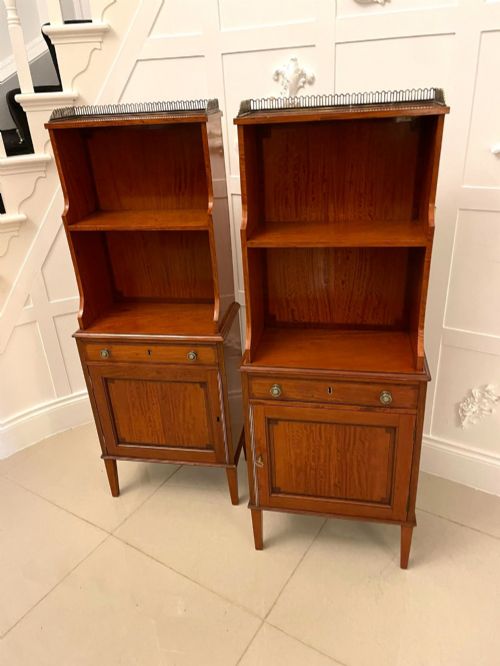
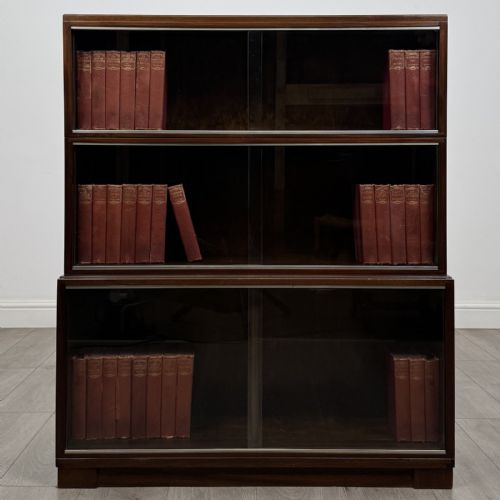
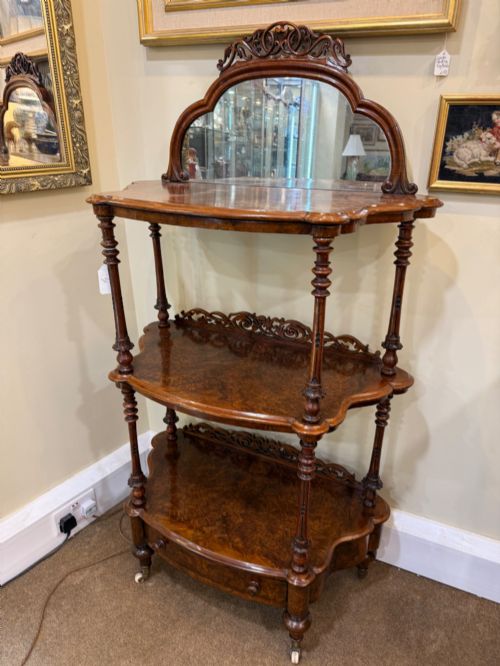
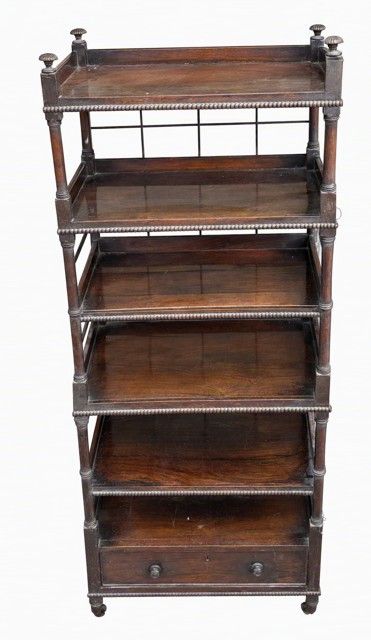
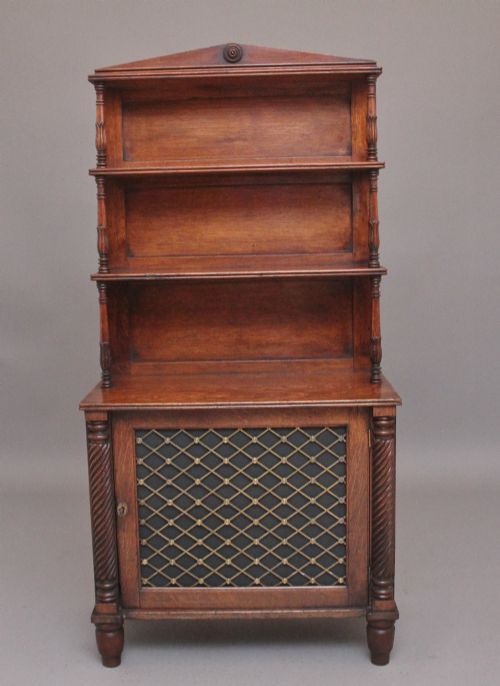
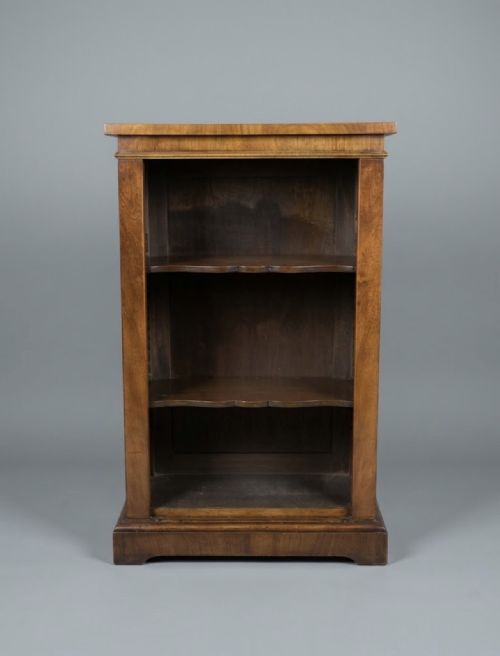
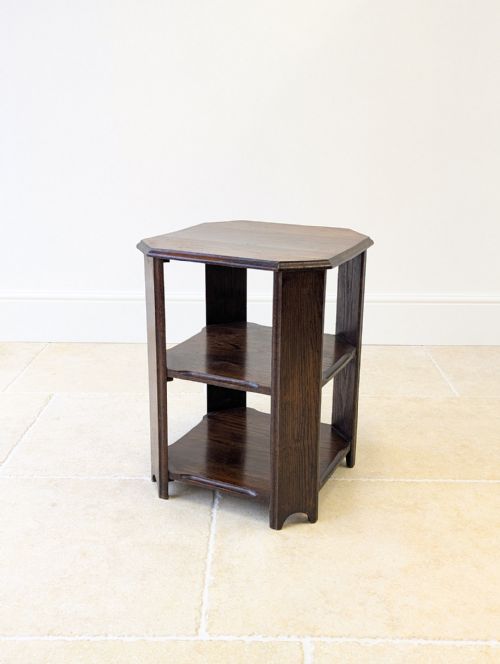
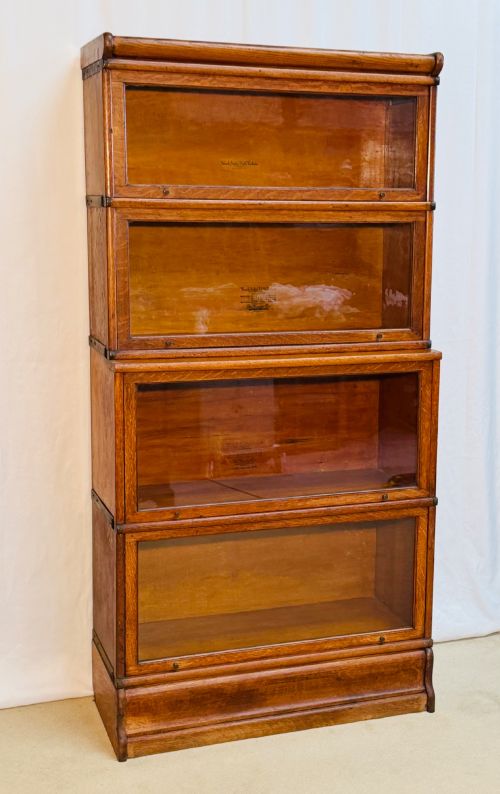
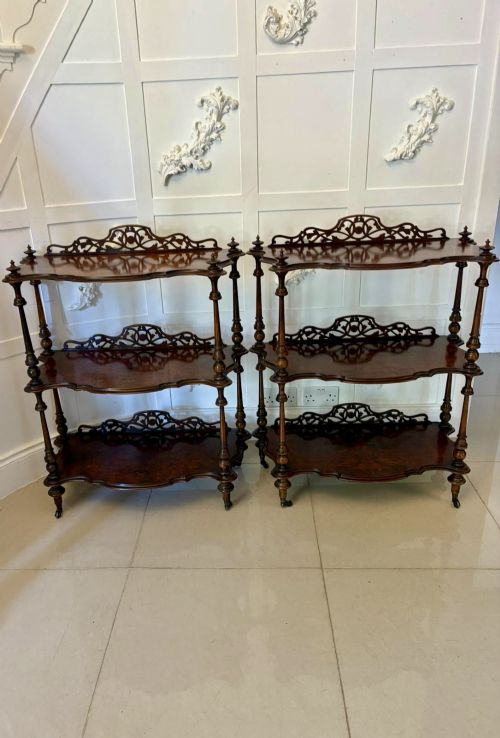
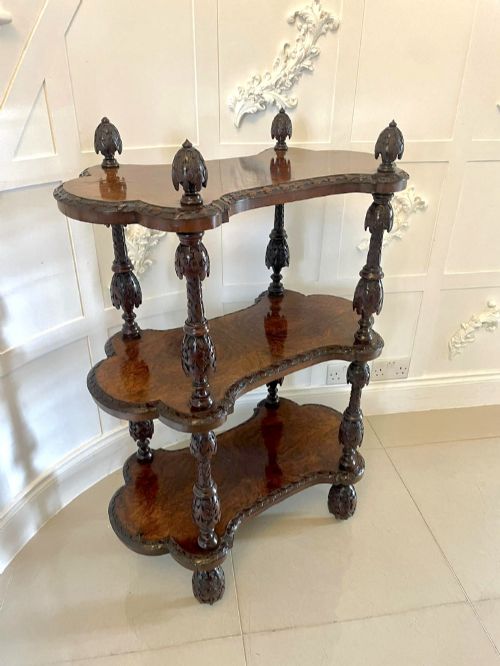
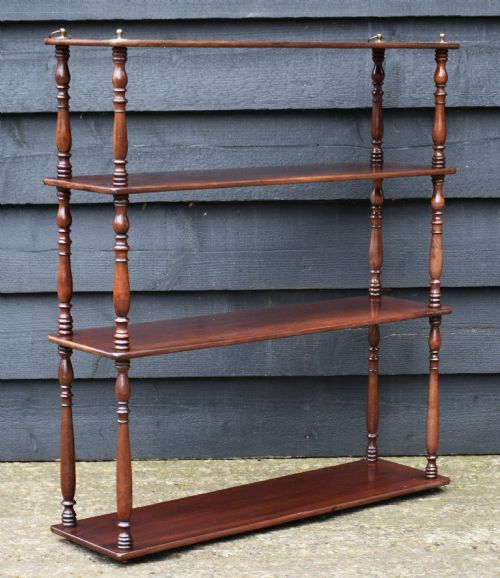
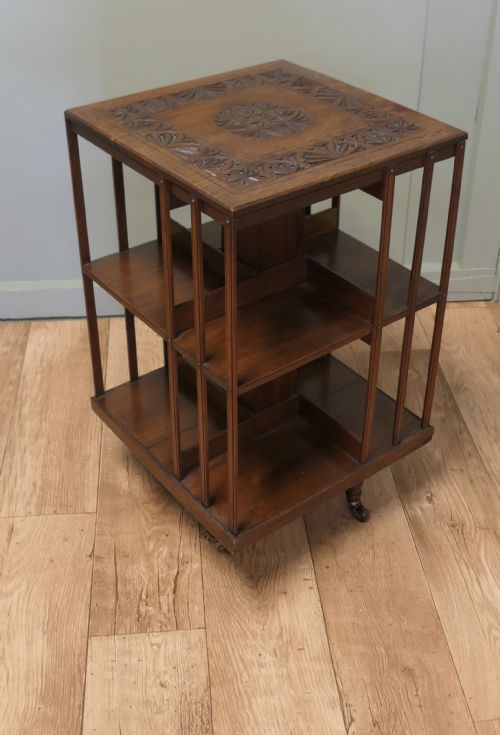
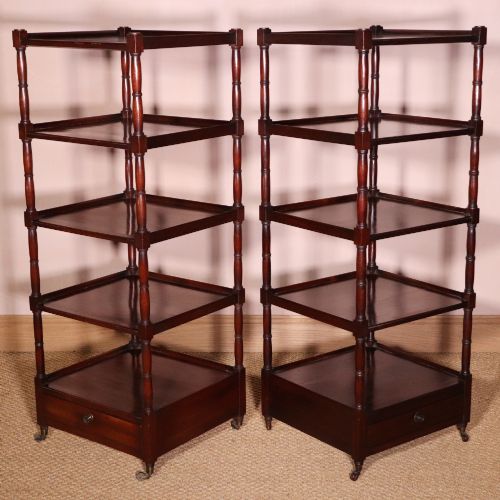
Antique tier shelves encompass a variety of open storage forms including whatnots, etageres, waterfall bookcases, and wall-hanging shelves. These pieces function primarily to display books, ceramics, and ornaments across multiple ascending horizontal planes.
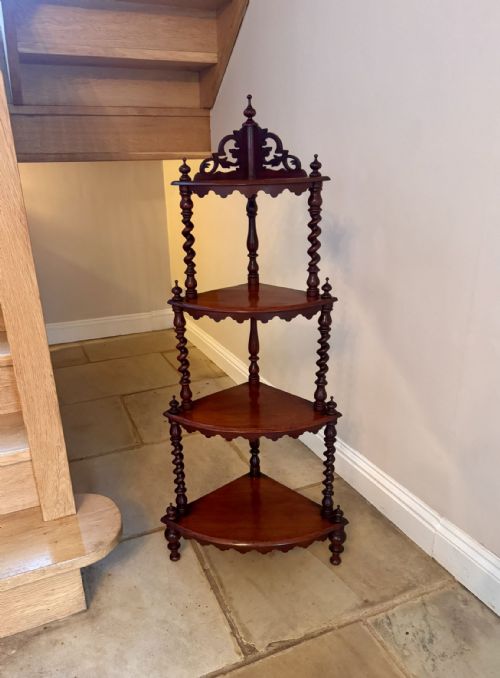
The selection ranges from compact corner whatnots and wall-mounted shelves to large freestanding bookcases and tiered trolleys. Mahogany and oak dominate the offerings, spanning periods from the Georgian era through the Victorian and Edwardian decades.
How they were made
Cabinetmakers utilised dense cabinet timbers like mahogany, walnut, burr walnut, rosewood, and oak to construct the structural uprights and shelves. Brass details, such as gallery rails and corner supports, frequently accent these wooden frames.
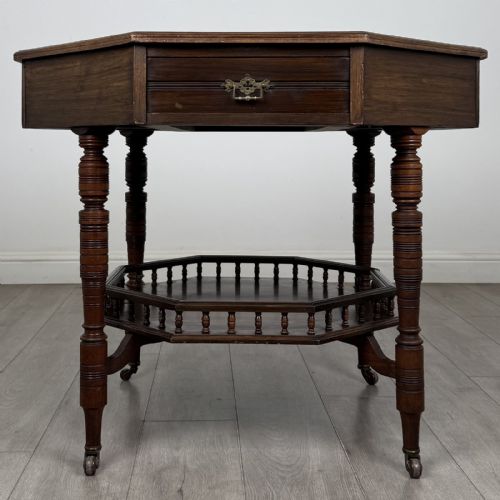
Joinery methods rely on traditional pegged and fitted construction, while decorative elements incorporate turned barley twist supports, carved mouldings, and ebonised finishes. Wall-hanging variants integrate secure mounting brackets into the backplates to support loaded shelves.
Listings feature mahogany, oak, walnut, burr walnut, rosewood, brass, and iron across Victorian, Edwardian, Regency, and Georgian periods.
What varies in quality
The calibre of timber selection dictates the initial tier of quality, with figured burr walnut and rich flame mahogany standing apart from standard utility woods. Grain matching across multiple tiers and refined turning on upright supports signal superior craftsmanship.
Structural integrity across multiple levels determines everyday utility, distinguishing solidly jointed freestanding whatnots from pieces suffering from timber shrinkage or loose tiers. Finer examples retain original brass mountings, patinated surfaces, and balanced proportions.
Heals
The Antique Tier Shelves Glossary
- Whatnot
- A piece of furniture consisting of several open shelves for displaying small objects. This form became popular during the Georgian and Victorian periods.
- Etagere
- A set of open shelves for displaying ornaments or small articles. The French term often describes lighter, more decorative multi-tiered stands.
- Waterfall bookcase
- A set of open shelves where each upper tier is recessed behind the one below it, creating a stepped profile.
- Barley twist
- A turned wooden column resembling a spiralling rope. This decorative support appears frequently on Victorian and Edwardian pieces.
- Burr walnut
- Timber taken from a walnut tree growth, yielding complex, highly figured grain patterns. Cabinetmakers utilised veneers of this wood on high-status Victorian furniture.
Antique Tier Shelves: Frequently Asked Questions
What were antique tier shelves used for?
These pieces served to display ornaments, china, and books in drawing rooms and parlours. Multiple tiers allowed households to organise decorative collections within a compact floor footprint.
Freestanding and wall-mounted versions kept everyday items accessible while adding vertical visual interest to domestic interiors.
How do I date a set of tier shelves?
Dating relies on observing timber choices, joinery techniques, and prevailing decorative styles across the piece. Georgian and Regency examples typically feature straight lines and fine mahogany, whilst Victorian versions often display turned barley twists and burr walnut.
Edwardian pieces introduce lighter rosewood frames and brass etagere mountings. Comparing these characteristics against known period materials provides a reliable timeline.
Are these shelves sturdy enough for heavy books?
Freestanding bookcases and substantial oak or mahogany whatnots offer robust support for heavy volumes. Wall-hanging shelves and delicate etageres suit lighter ornaments and display items rather than extensive libraries.
Checking the thickness of the timber and the rigidity of the upright supports indicates the load capacity of each individual tier.
Where should I place these shelves in my home?
Corner whatnots fit unused angles in a room, making efficient use of awkward spaces. Freestanding bookcases and etageres anchor living room walls or serve as room dividers when finished on all sides.
Wall-hanging shelves perform well above side tables or desks, drawing the eye upward and freeing surface space below.