
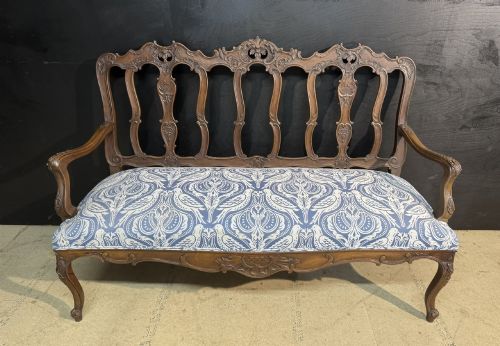
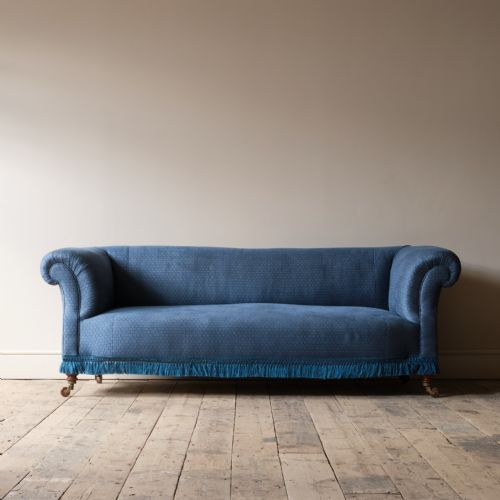
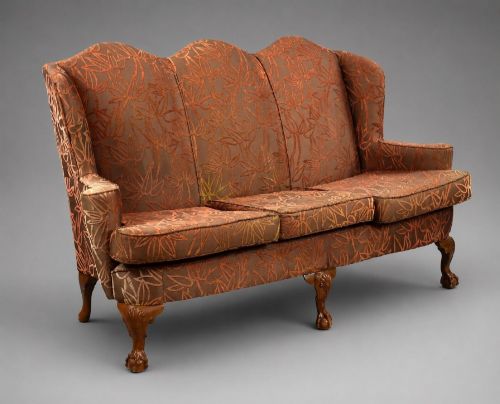
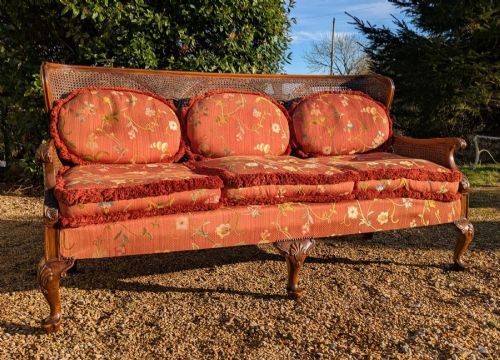


Antique Three Seat Couch
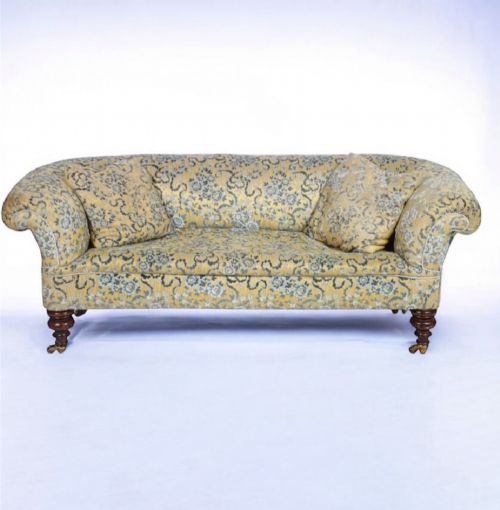
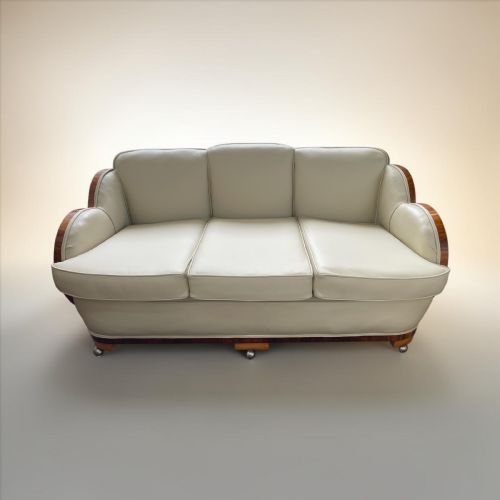
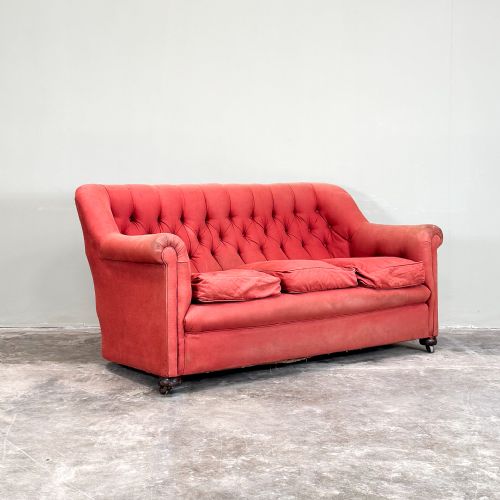
An antique three seat couch brings profound comfort and stately presence to a room, ranging from button-backed Victorian chesterfields to walnut Art Deco frames.
Antique Three Seat Couch
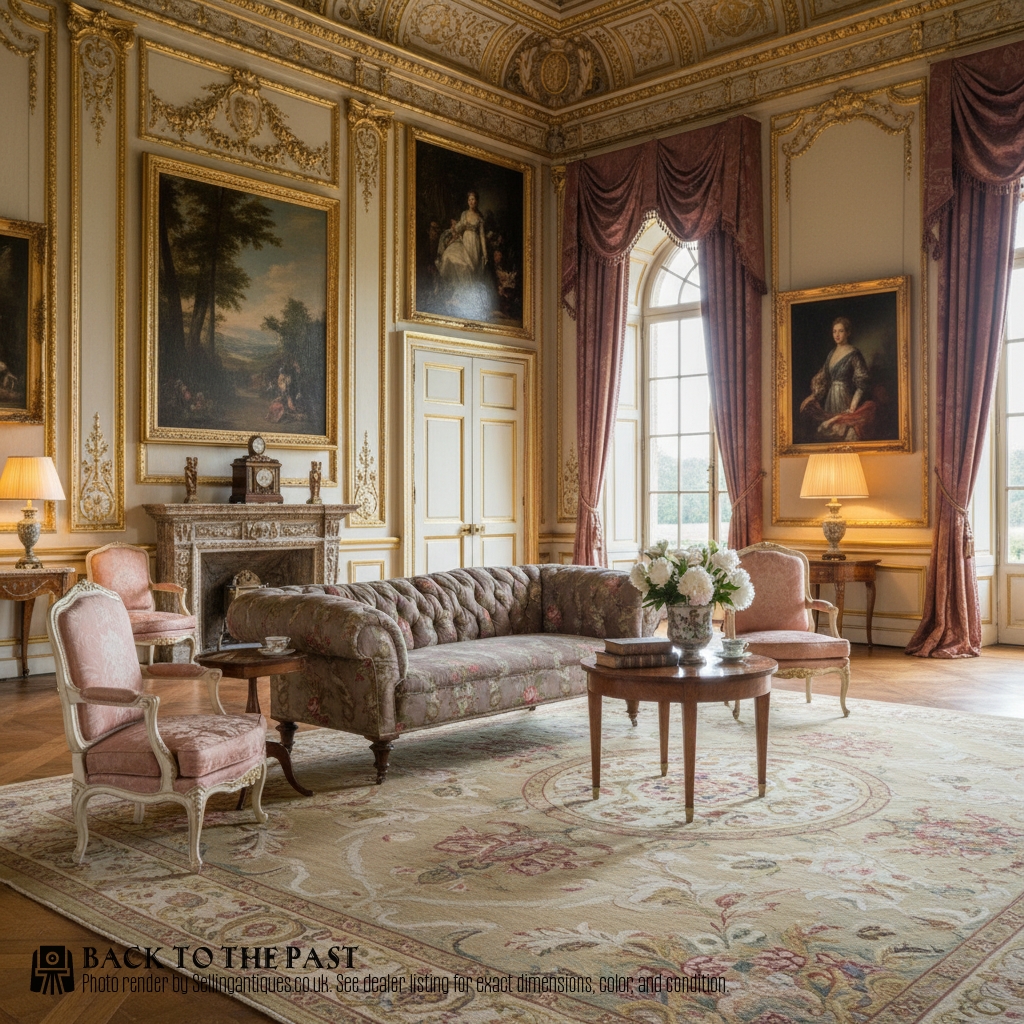
An antique three seat couch provides generous seating across varied historical periods, encompassing nineteenth-century walnut frames and nineteen-thirties cloud shapes. Buyers seeking an antique three seat couch will encounter substantial country house settees alongside refined Victorian chesterfields and Edwardian mahogany designs.
The materials span timber frameworks upholstered in fabric, velvet, and leather, often supported by brass details. These pieces originate from distinct eras including the Georgian Revival, Regency, and Art Deco movements.
What varies in quality
The refinement of timber carving and the integrity of the underlying frame determine the standing of each piece. Superior examples exhibit harmonious proportions across the arms, backrest, and legs.
Upholstery execution and the preservation of original materials heavily influence the overall character. Maker attributions through stamped signatures or documented workshops elevate the historical standing of a settee.
The listings on this page span from eighteenth-century padauk frames to nineteen-thirties Art Deco leather and walnut designs.
Hampton and Sons·Howard and Sons·Harry and Lou Epstein·Gillows·William Birch
The Antique Three Seat Couch Glossary
- Chesterfield
- A large upholstered sofa characterised by deep buttoning and rolled arms of equal height to the back. This iconic form appears frequently in nineteenth-century leather and fabric iterations.
- Bergere
- An enclosed armchair or sofa featuring woven cane panelling on the sides and back. These frames often incorporate loose feather cushions for enhanced seating comfort.
- Padauk
- A dense tropical hardwood prized for its rich reddish-brown colour and durability. It frequently appears in colonial furniture produced for export.
- Settee
- A long upholstered seat with a back and arms, designed to accommodate multiple people. The term is often used interchangeably with sofa in historical inventories.
- Camel back
- A sofa style featuring a graceful, undulating serpentine crest rail that rises in a gentle curve resembling a camel's hump. This aesthetic gained prominence during the eighteenth and early nineteenth centuries.
Antique Three Seat Couch: Frequently Asked Questions
How do I date a three seat couch?
Dating relies upon examining the underlying timber framework, upholstery construction methods, and stylistic cues present in the legs and armrests. Distinct periods like the Victorian era or the Art Deco nineteen-thirties leave clear structural signatures.
Comparing the secondary woods and joinery techniques to documented examples helps narrow the decade of manufacture. Maker stamps or labels provide definitive chronological evidence when present.
Are leather chesterfields comfortable for daily use?
Traditional leather chesterfields offer robust support through deep springing and padded cushioning systems. Their generous proportions accommodate lounging while maintaining a firm seating posture.
Over decades, the leather softens considerably and moulds to daily use while retaining structural integrity. Adding feather cushions further enhances the comfort of these historic seats.
What is a country house sofa?
A country house sofa is a large, deeply proportioned seating piece designed for relaxed comfort in large domestic interiors. These settees often feature expansive seats and unpretentious upholstery suited to stately drawing rooms.
They frequently display generous widths exceeding standard proportions, allowing multiple occupants to lounge comfortably. Their aesthetic prioritises unpretentious ease over rigid formal symmetry.
How should I care for antique upholstery?
Protecting antique fabrics and leather requires shielding the couch from direct sunlight and maintaining stable room humidity. Regular gentle dusting prevents abrasive particles from settling into the weave or hide.
Professional cleaning preserves delicate textiles and conditioned leather without compromising historic materials. Avoiding harsh chemical treatments ensures the longevity of original surfaces.