

Antique Three Legged Stand
An antique three legged stand provides a stable surface on uneven floors while offering compact utility.
Antique Three Legged Stand
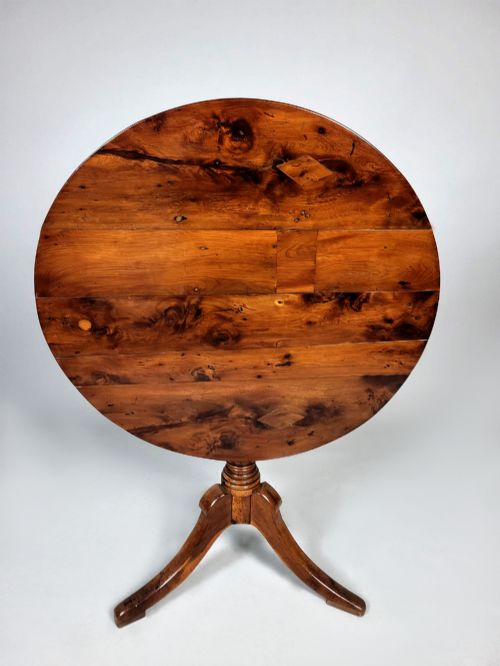
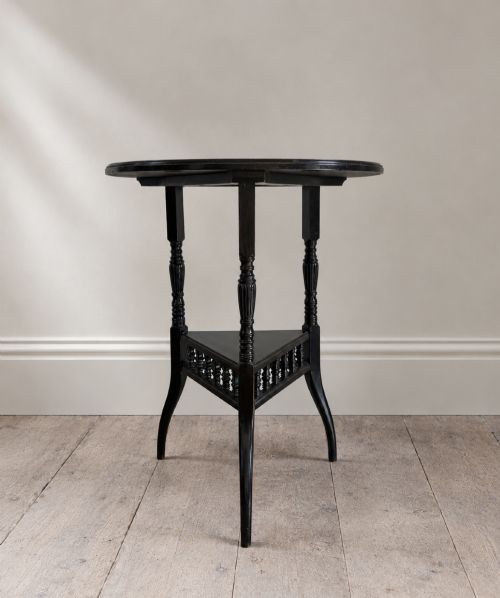
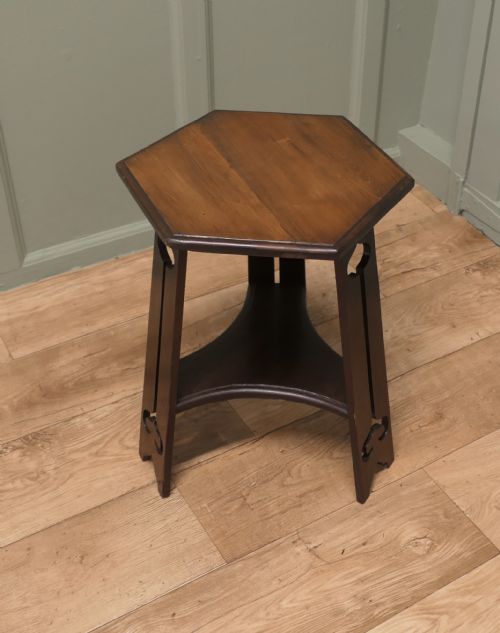
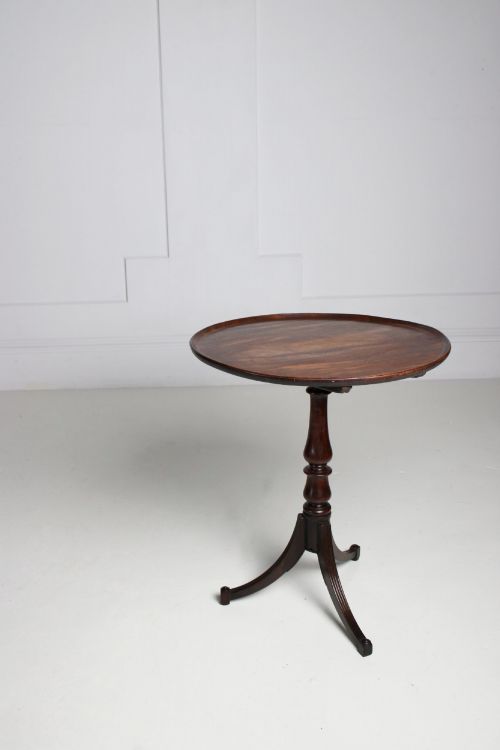
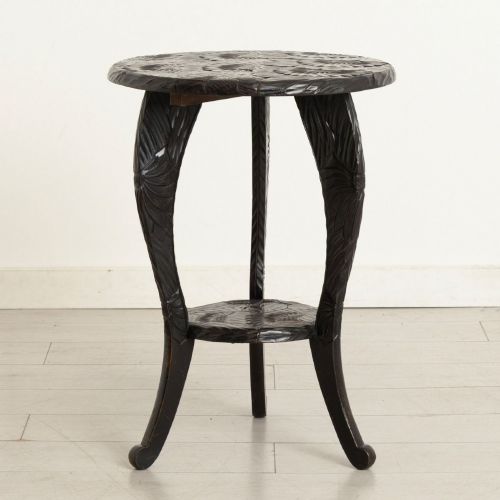
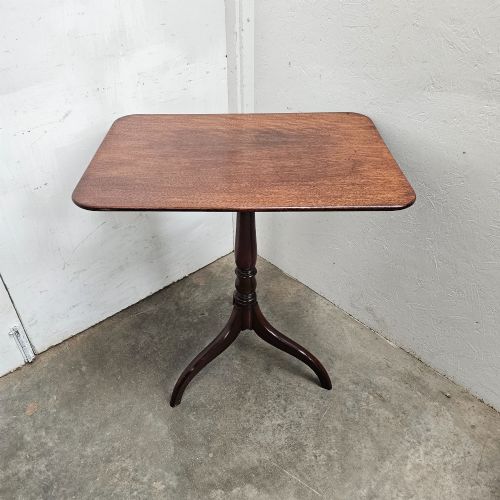
An antique three legged stand appears in various forms on this page, including wine tables, lamp tables, and small stools from the eighteenth and nineteenth centuries.
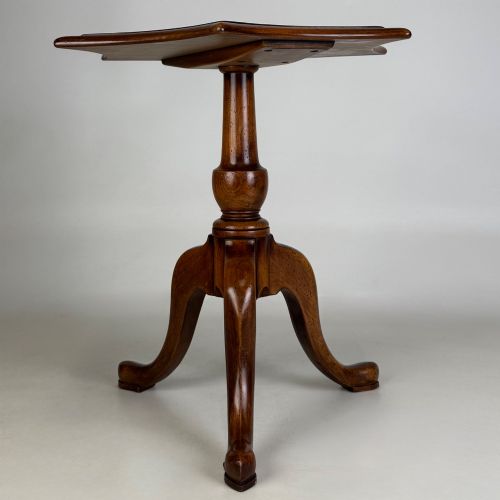
Buyers will frequently encounter Georgian and Victorian examples constructed as small occasional tables or tripod wine tables designed for domestic utility.
Regional variations span English oak and yew wood styles alongside French, Swedish, and Anglo-Indian designs.
Materials and Construction
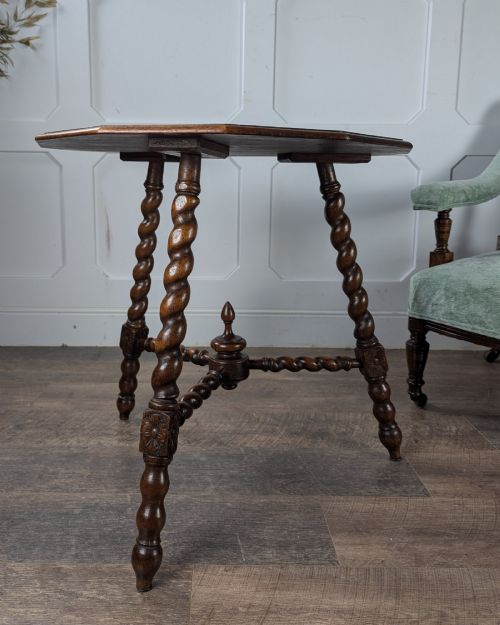
Carpenters utilised hardwoods such as mahogany, oak, walnut, ash, and fruitwood, often turning legs on a lathe and joining them centrally to a single pillar or directly to the underside of the top.
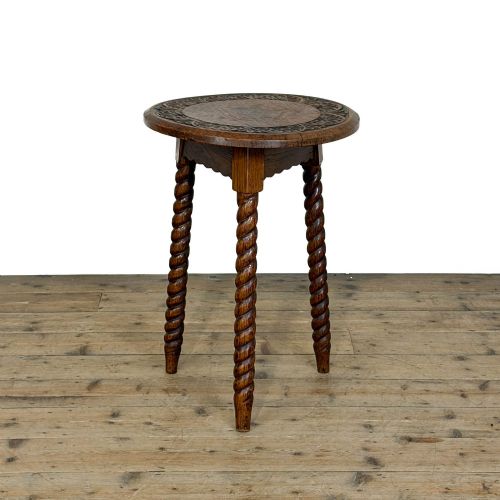
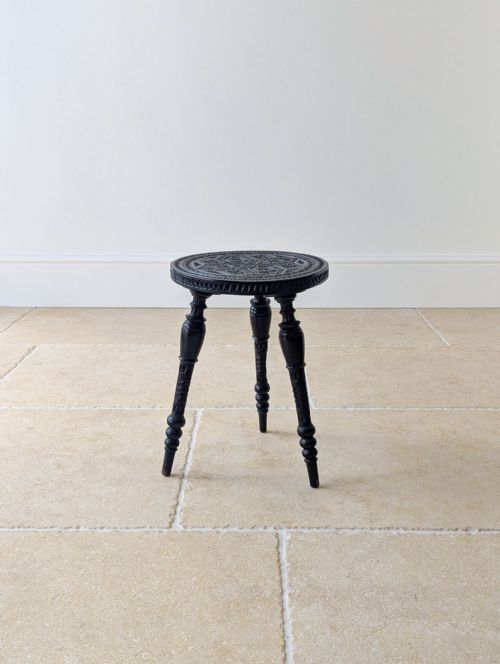
Details such as bobbin turning, barley twists, chip-carving, and brass mounts add surface texture to timber and ebonised hardwood frames.
Selected pieces incorporate inset marble tops, hand-carved motifs, and painted finishes to complete the construction.
Several stands double as milking stools or tree trunk game blocks, reminding us that humble farm furniture often survived inside the parlor.
Quality and Construction
The standard of a tripod table depends on the rigidity of the central pillar joint and the grain selection of the timber used for the top.
Mastery is evident in the proportion between the spread of the three legs and the diameter of the top, ensuring balance without excessive weight.
Liberty of London
The Antique Three Legged Stand Glossary
- Tripod table
- A small occasional table supported by three legs radiating from a central pillar. This format provides stability on uneven domestic flooring.
- Wine table
- A compact stand historically used for holding glasses or bottles beside a chair. They often feature circular tops and tilting mechanisms.
- Cricket table
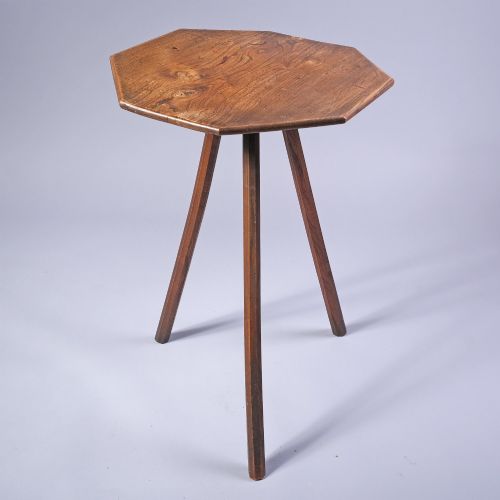
- A small rustic table with three splayed legs and a round wooden top. The design originates from traditional domestic use in English cottages.
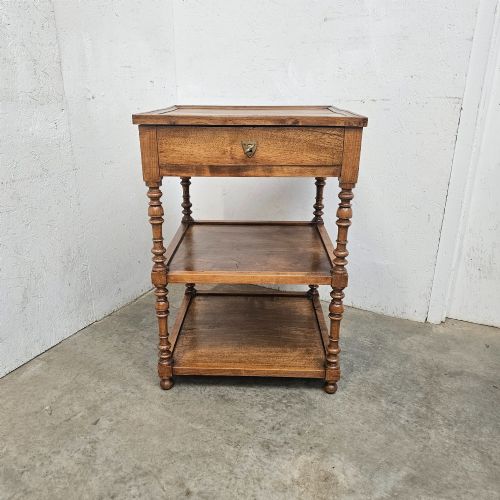
- Etagere
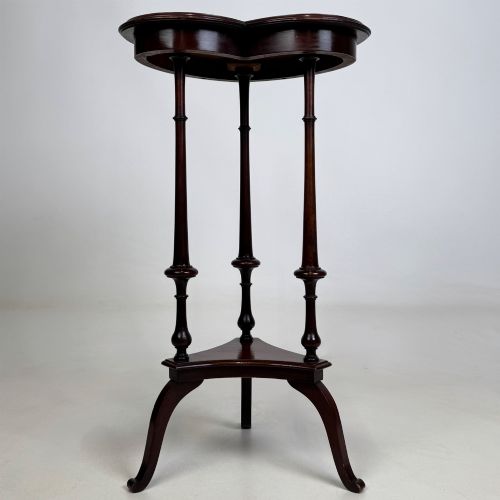
- A set of open shelves for displaying small objects. These pieces utilise tiered platforms supported by slender uprights.
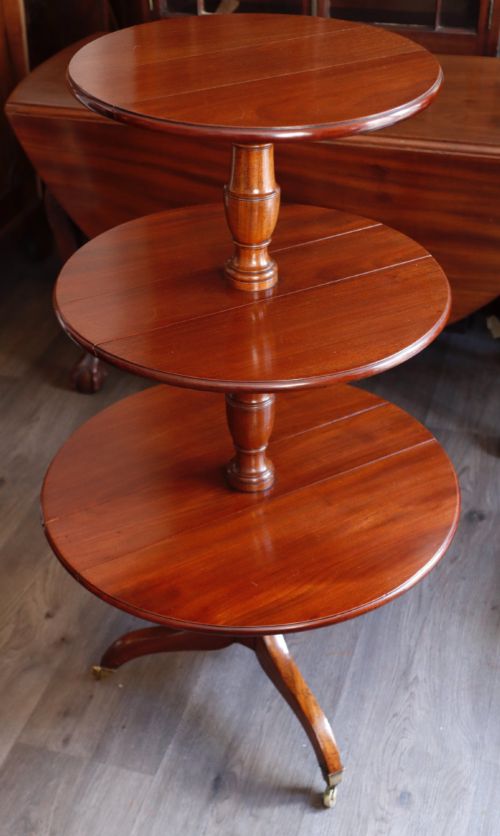
- Dumb waiter
- A tiered stand used for serving food or holding tableware without additional servants present. They often feature revolving circular trays on a central column.
Antique Three Legged Stand: Frequently Asked Questions
What were three legged stands used for?
These pieces served practical roles around the home, acting as surfaces for candles, drinking vessels, lamps, or small decorative items.
Their compact footprint allowed them to sit beside seating or in corners where four-legged furniture would prove cumbersome.
How do I keep a tripod table stable?
A three-legged base naturally rests firmly on uneven floors without rocking, unlike four-legged alternatives.
Position the table so that one leg points toward the light or the seating position to distribute weight evenly.
How do I date an antique stand?
Dating relies on observing timber species, joinery methods, and the style of turning on the legs or central pillar.
Earlier eighteenth-century pieces often display pegged joints and native timbers like oak or yew, whereas Victorian examples introduce ebonised finishes and machine-turned details.
Are these stands suitable for modern lamps?
The circular tops provide adequate space for reading lamps, decorative ceramics, or small house plants.
Ensure the weight distribution aligns with the spread of the three legs to maintain everyday stability.