
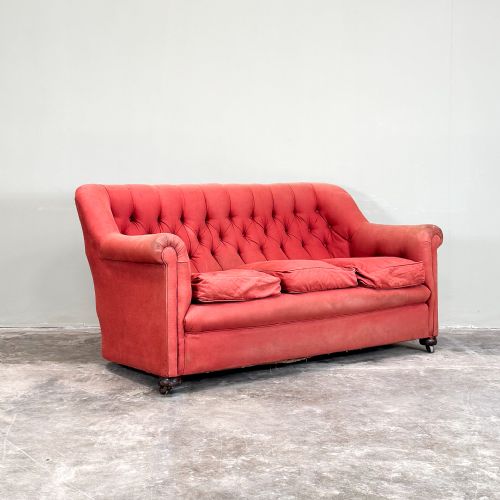


Antique Three Back Sofa
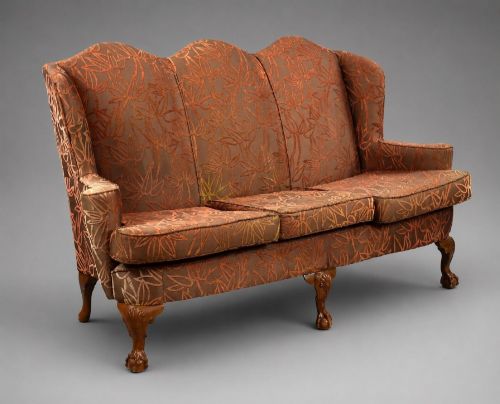
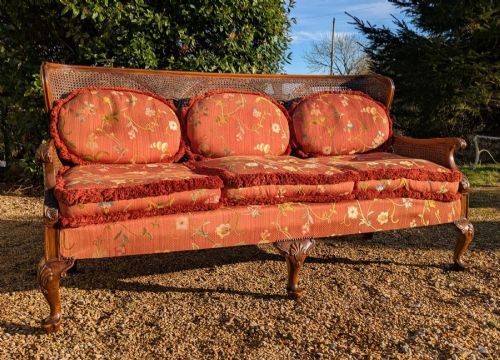
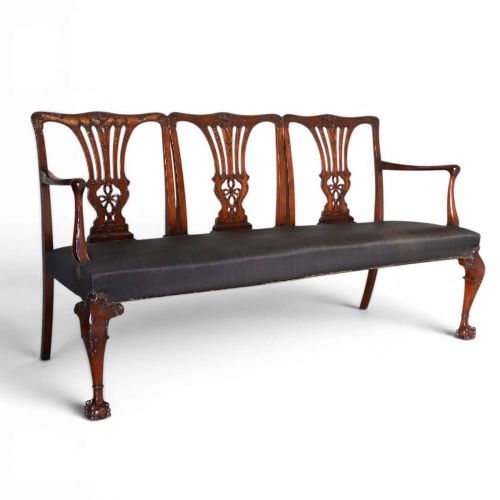
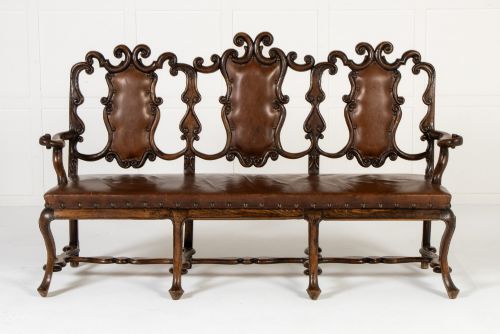
An antique three back sofa offers substantial seating through three distinct chair-back sections united in a single timber frame.
Antique Three Back Sofa
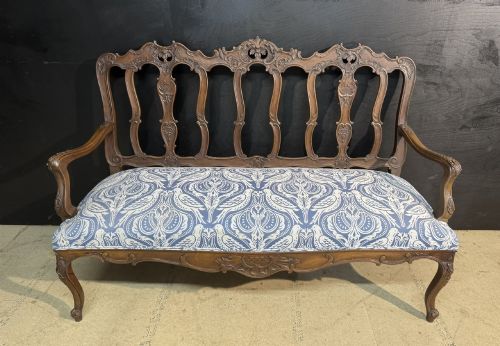
An antique three back sofa brings together multiple chair-backs into one extended settee form, creating a distinct tripartite upper rail. These pieces emerge in styles ranging from early nineteenth-century Regency and Biedermeier designs through to Edwardian mahogany interpretations and twentieth-century walnut creations.
The layout typically accommodates three distinct seating positions framed by joined backrests, appearing under descriptors such as chair back settees or triple chair back sofas. Walnut and mahogany provide the primary timber structures for these multi-section frames.
Makers often drew upon historical idioms, producing pieces shaped by Carolean, Queen Anne, Chippendale, and Hepplewhite aesthetics. Such settees serve well in drawing rooms and reception spaces requiring long seating options with defined architectural backs.
What varies in quality
The precision of the timber carving and the architectural balance of the triple backrest dictate the refinement of the piece. Crisp joinery in the back splats and well-proportioned serpentine rails distinguish superior examples from standard workshop output.
The integrity of the original wood grain, whether walnut or mahogany, combined with the execution of period details like brass mounts or cane work, marks the tier of craftsmanship.
Some sofas arrive ready for a complete reinvention, offering bare frames waiting for someone brave enough to choose the next century of fabric.
Harry and Lou Epstein·Howard and Sons·Gillows
The Antique Three Back Sofa Glossary
- Bergere
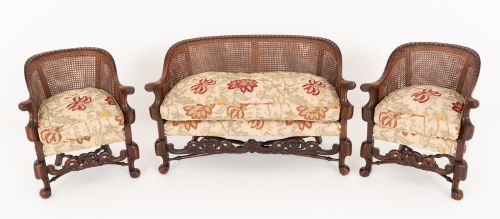
- An upholstered armchair or sofa featuring enclosed cane panels on the back and sides. This French-inspired seating type often incorporates loose feather cushions.
- Chesterfield
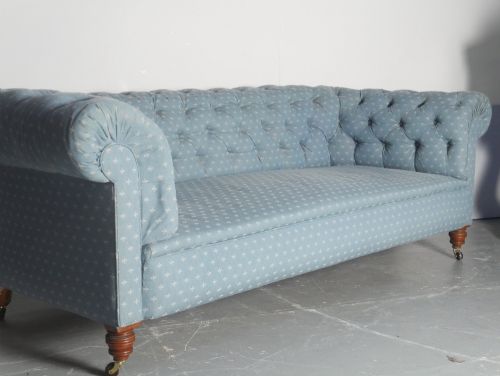
- A large upholstered sofa traditionally characterised by deep buttoning and rolled arms of equal height to the back. Leather remains a frequent covering for this form.
- Camel Back
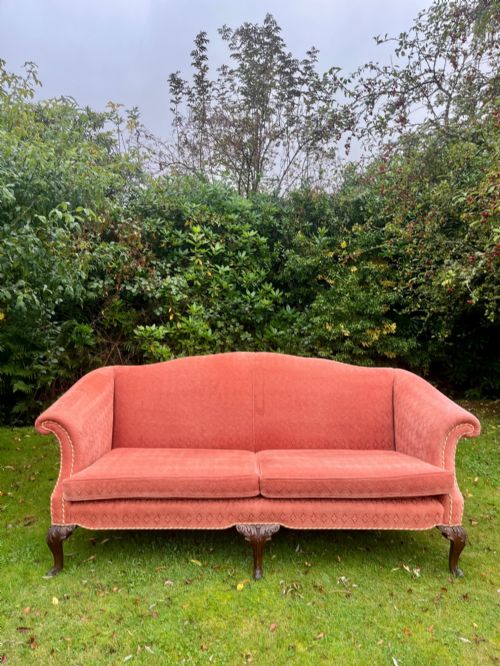
- A distinctive chair or sofa back featuring a graceful, continuous convex curve resembling a camel's hump. This contour appears frequently in eighteenth-century revival styles.
- Knowle Sofa
- A traditional English sofa style featuring adjustable or hinged drop arms tied with cords. It originated at Knowle House and typically accommodates three seat positions.
- Settee
- A long wooden or upholstered seat with a back and arms, designed for more than one person. The term often interchanges with sofa in nineteenth-century listings.
Antique Three Back Sofa: Frequently Asked Questions
What is an antique three back sofa?
An antique three back sofa is a long seat featuring a tripartite backrest divided into three distinct chair-like sections within one unified frame. They appear in timber varieties such as mahogany and walnut.
These pieces reflect historical design movements ranging from Regency and Victorian periods to Edwardian and Art Deco eras, combining extended seating capacity with architectural back carvings.
How do I tell different periods apart?
Examine the timber choices, carving styles, and structural lines to determine the era of manufacture. Regency and early nineteenth-century pieces often display clean classical proportions, while Edwardian examples favour revived Chippendale motifs.
Art Deco and 1930s variations introduce cloud shapes and streamlined walnut frames, departing from earlier Victorian deep buttoning and ornate revival flourishes.
What materials were used in these sofas?
Makers relied primarily on solid hardwoods, predominantly walnut and mahogany, alongside maple and gilt frames for specific decorative styles. These woods formed the exposed structural rails and carved backsplats.
Upholstery elements incorporate leather, velvet, standard fabrics, and cane panels, frequently complemented by brass fittings and feather-filled cushions.