

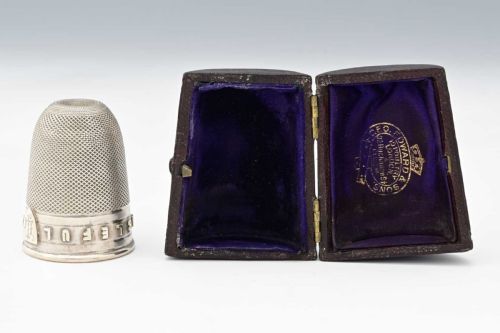


Antique Thimble
An antique thimble is a small, hard protective cap worn on the finger during sewing, combining practical utility with fine domestic craftsmanship.
Antique Thimble
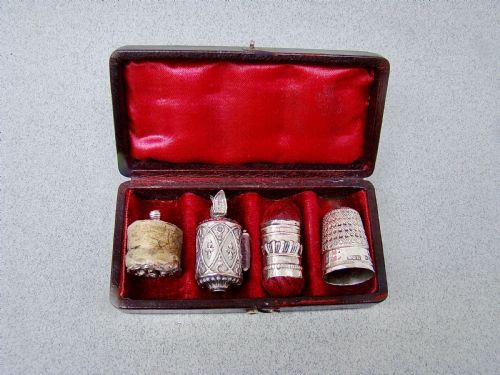
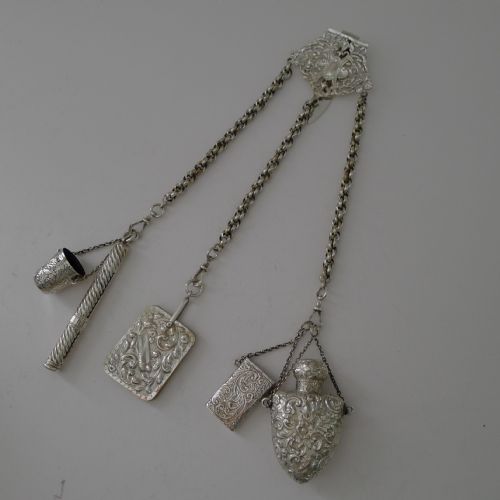
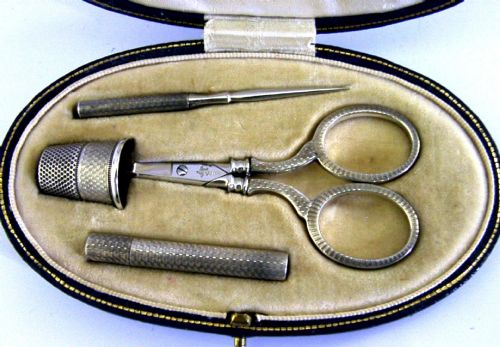
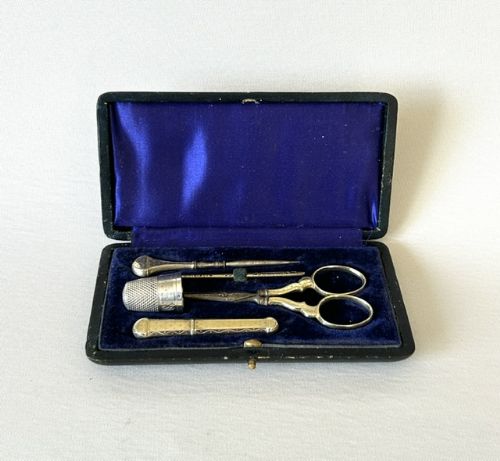
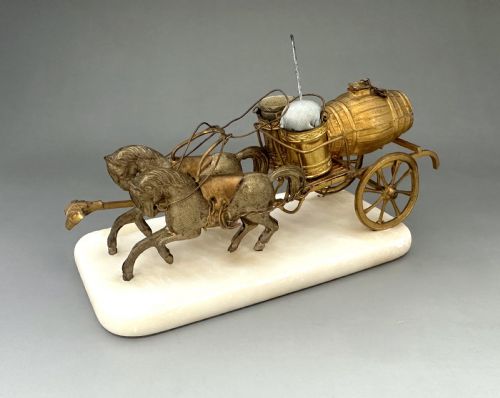
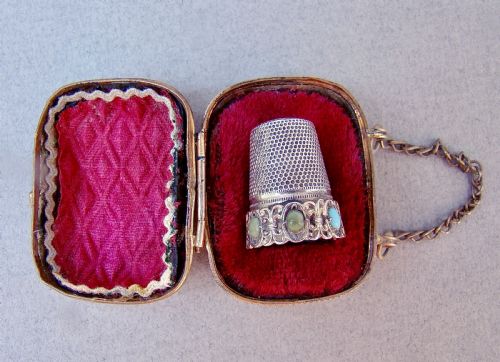
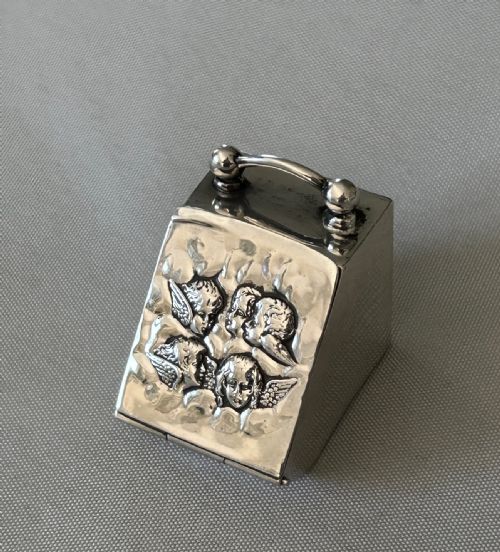
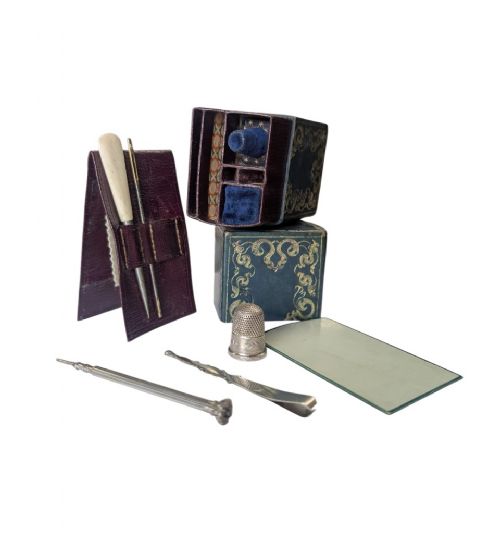
When searching for an antique thimble, buyers encounter small sewing implements dating from the Victorian and Edwardian periods, alongside mid-century Scandinavian pieces. Many examples survive housed within purpose-built leather, velvet, bone, or ormolu containers, sometimes forming part of larger sewing kits or chatelaine sets.
Materials and construction methods
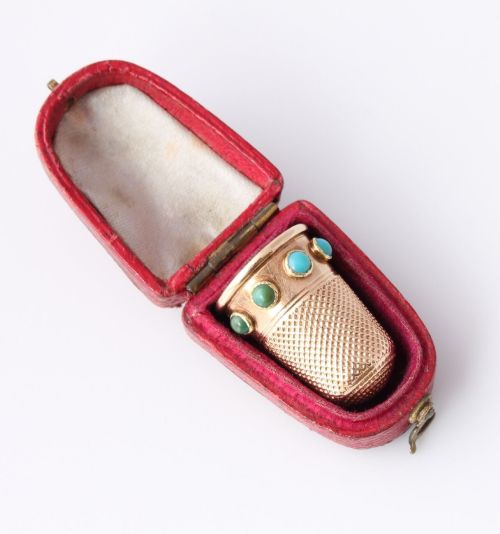
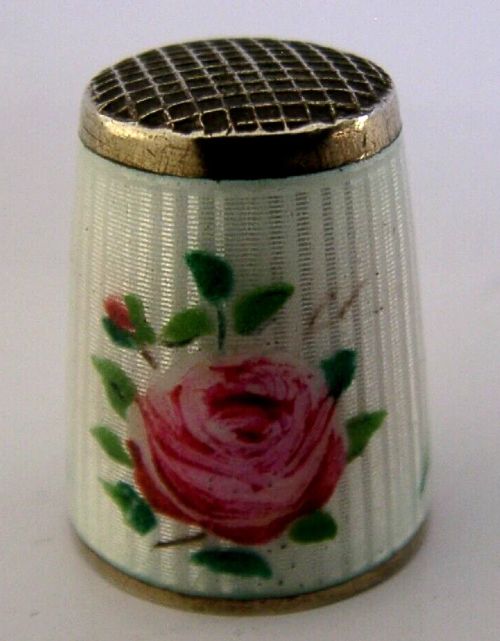
Makers fashioned these pieces from sterling silver, gold, steel, and ormolu, often incorporating decorative elements such as enamel, turquoise cabochons, and tortoiseshell. Sewing accessories frequently utilised organic materials including bone, silk, leather, and velvet for internal linings and fitted storage boxes.
Techniques ranged from fine metal stamping and chasing to delicate wood carving and enamel application. Specialised makers also combined metals with precious stones and structured cases to protect the delicate needlework tools inside.
Antique Thimble Retail Price Guide 2026
Typical asking prices for thimble among the pieces listed under this phrase on Sellingantiques today, from the lower quarter to the upper quarter. They describe what is for sale here now, not the wider market.
Listings feature sterling silver, gold, steel, ormolu, and bone items from Victorian, Edwardian, and mid-century Scandinavian periods.
Distinctions in quality and execution
Quality in an antique thimble depends upon the crispness of the dimpled pattern, the weight of the metal used, and the survival of any applied enamelling or stone-setting. Superior examples display precise maker's marks and uniform wall thickness without thinning at the crown.
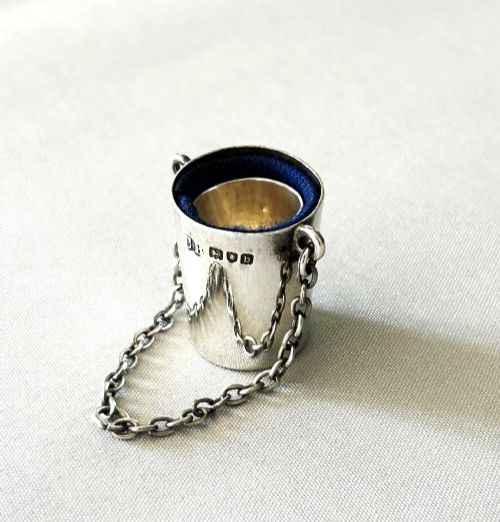
The standard of associated housing also elevates a piece, with fitted leather cases, velvet linings, and matching ormolu chatelaine holders marking out finer productions from more utilitarian workshop output.
William Comyns & Sons·David Andersen·Walter & George Myers·Charles Horner·Laurence Emanuel
The Antique Thimble Glossary
- Chatelaine
- A decorative belt hook suspended with chains used to carry household implements like sewing tools, keys, and watches. These accessories allowed Victorian women to keep essential items close at hand during daily tasks.
- Etui
- A small ornamental case used for holding needles, scissors, and other sewing implements. These portable containers often featured fitted interiors lined with silk or velvet.
- Corozo nut
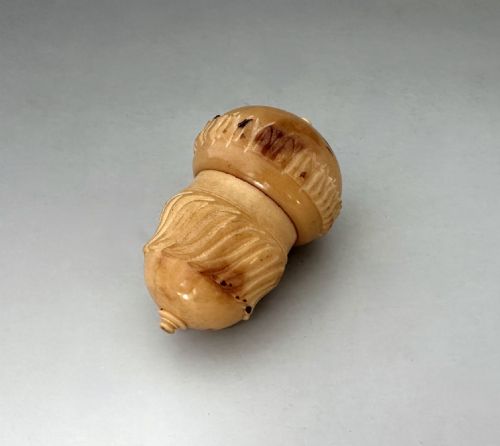
- The hard, dense seed of the tagua palm, frequently carved into small containers and thimble cases. It gained popularity in the nineteenth century as an organic alternative to ivory.
- Ormolu
- Gilded bronze or brass applied to decorative mounts and chatelaine cases. The technique involves treating metal with a mercury-gold amalgam to produce a rich golden surface.
- Cabochon
- A gemstone shaped and polished with a smooth, rounded surface rather than faceted. Turquoise cabochons frequently adorn the tops of gold and silver sewing thimbles from the Victorian era.
Antique Thimble: Frequently Asked Questions
What materials were antique thimbles made from?
Makers constructed these sewing implements from precious metals including sterling silver and gold, as well as steel and silver gilt. Decorative versions frequently incorporated enamel work or gemstone cabochons.
Associated protective cases utilised organic materials such as bone, tortoiseshell, corozo nut, and carved fruit wood, often lined internally with silk, velvet, or leather.
How were chatelaines used with sewing accessories?
A chatelaine functioned as an ornamental belt hook featuring hanging chains designed to suspend practical household tools. Sewing accessories like thimbles, scissors, and needle cases were attached to these chains for easy access during needlework.
These waist-hung collections allowed Victorian women to carry their working tools securely while moving about the home.
How can I identify a Victorian thimble?
Victorian examples often feature clear hallmarks indicating the assay office, standard of silver, and the specific year of manufacture. Stylistic clues include decorative motifs, such as floral chasing or the incorporation of turquoise cabochons.
Many of these pieces survive alongside fitted leather, velvet, or bone cases that reflect nineteenth-century craftsmanship styles.