





Antique Theatrical Portraits
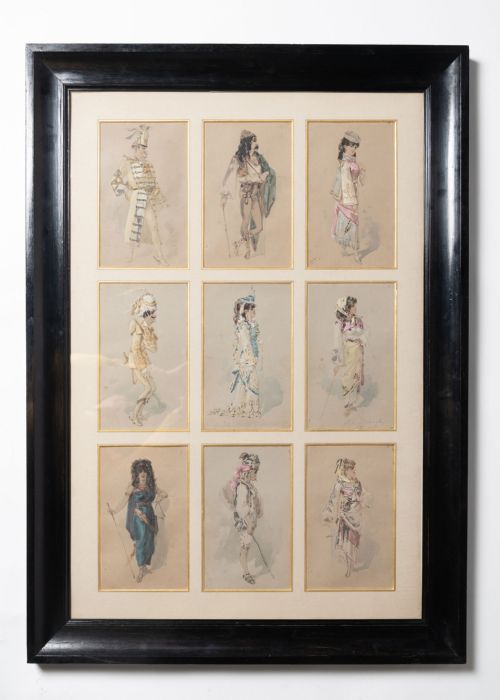
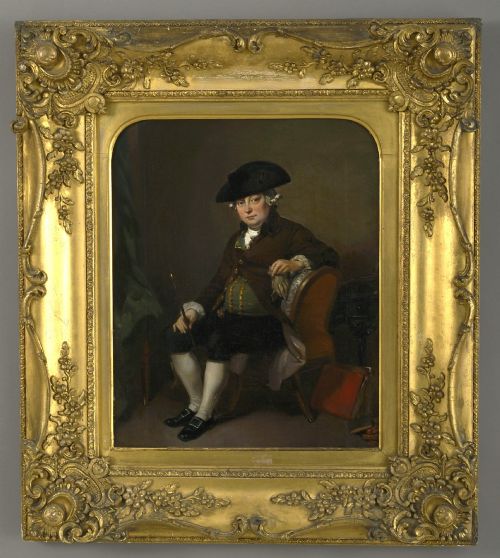
These antique theatrical portraits capture the presence of actors and performers on stage through oil on canvas, prints, and ceramics.

Antique Theatrical Portraits
When you search for antique theatrical portraits, you are looking at visual records of performers captured in character or on stage. The pieces gathered here span from the eighteenth century through the Edwardian era and into the nineteen-twenties.
You will meet various forms on this page, including oil paintings, classical engravings, framed tinsel and decoupage prints, and Staffordshire pottery figures. These works record performers such as Edmund Kean, Helen Faucit, and Jenny Lind.
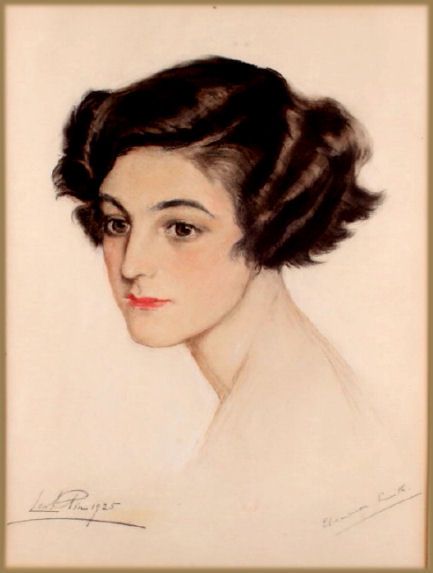
The materials range from oil on canvas and panel to paper, glass, wood, and textiles. Each piece preserves a moment of theatrical history through the eyes of artists working in academic realism, Victorian folk art, and modern British styles.
How they were made
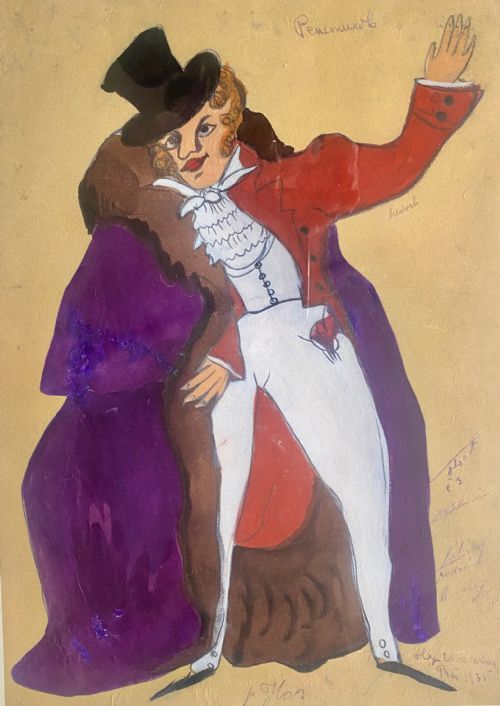
The painted works utilise oil on canvas or panel, employing brushwork to render the textures of stage costumes and character makeup. Watercolour and gouache over pencil appear alongside charcoal and textile art.
Prints and engravings rely on paper, framed behind glass with wood, giltwood, or gesso frames. Specialised techniques like tinsel and decoupage combine printed figures with applied fabrics and foils for decorative depth.
Pottery figures such as the Staffordshire theatrical portraits are shaped in clay and finished with painted glazes to represent actors in specific roles.
Antique Theatrical Portraits Retail Price Guide 2026
Typical asking prices for theatrical portraits among the pieces listed under this phrase on Sellingantiques today, from the lower quarter to the upper quarter. They describe what is for sale here now, not the wider market.
Whimsical Walker appears alongside classical tragedians.
What varies in quality
The skill of the draughtsman or painter dictates the success of a portrait, particularly in capturing the likeness and dramatic expression of the sitter. Works by documented artists demonstrate a higher degree of anatomical precision and characterisation.
The preservation of delicate materials such as paper prints, textiles, and applied tinsel determines the integrity of the piece over time. Original framing in period giltwood or gesso also contributes to the overall cohesion of the artwork.
Samuel De Wilde·Hans Temple·Richard Geiger·Dame Laura Knight·Lucy Kemp-Welch·George Clint·Samuel John Stump·Francis O. A. Haviland·Leo Klin
The Antique Theatrical Portraits Glossary
- Tinsel print
- A popular nineteenth-century print embellished with scraps of fabric, metallic foil, and tinsel to simulate theatrical costume. These were often assembled at home by collectors or enthusiasts.
- Staffordshire pottery
- Earthenware figures produced in the Staffordshire potteries, frequently depicting popular actors and actresses in character roles. They served as affordable ornaments for Victorian mantelpieces.
- Commedia dell'arte
- An early form of professional theatre originating in Italy, characterised by masked stock characters. Portraits depicting this style show performers in traditional theatrical attire.
- Engraving
- A printmaking technique where an image is incised into a metal plate, holding ink to transfer fine lines onto paper. This method was widely used to reproduce portraits of notable stage actors.
Antique Theatrical Portraits: Frequently Asked Questions
What is a theatrical portrait?
A theatrical portrait is a work of art depicting an actor, actress, or performer either in character on stage or in a formal pose. These pieces record the history of the stage through painting, printmaking, and sculpture.
Subjects are often identified by their character names or famous roles from classical and contemporary drama.
How do I identify the period?
You can determine the period by examining the medium, the style of the frame, and the clothing or hairstyle of the sitter. Attributions and dates provided in the titles also point to specific eras like the Regency or Edwardian period.
Stylistic shifts from Georgian academic realism to modern British watercolours help narrow down the date of creation.
Were these made as souvenirs?
Many prints and ceramic figures were produced for the public as souvenirs of favourite performers seen on the London stage. They allowed theatregoers to bring home a likeness of actors appearing in popular plays.
More formal oil paintings were often commissioned by theatres, patrons, or the actors themselves.
How should I display them?
Framed works on paper and canvas require placement away from direct sunlight to protect pigments and paper from fading. Original gesso and giltwood frames should be handled with care to preserve their fragile ornamentation.
Ceramic figures and pottery should rest on stable surfaces out of reach of foot traffic.