



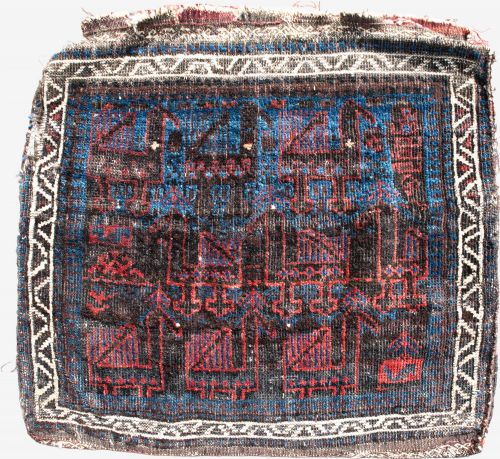
Antique Textile Pouch
An antique textile pouch brings utilitarian tribal artistry into domestic spaces, offering woven evidence of nomadic life through portable forms.
Antique Textile Pouch
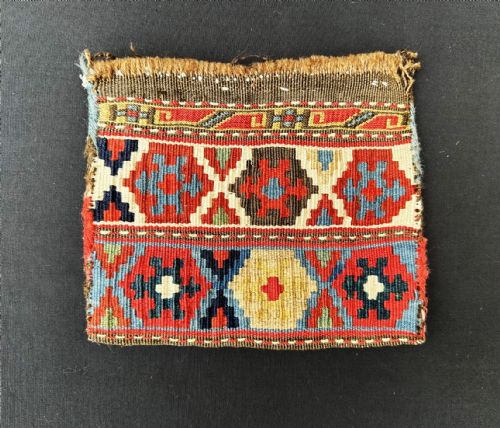
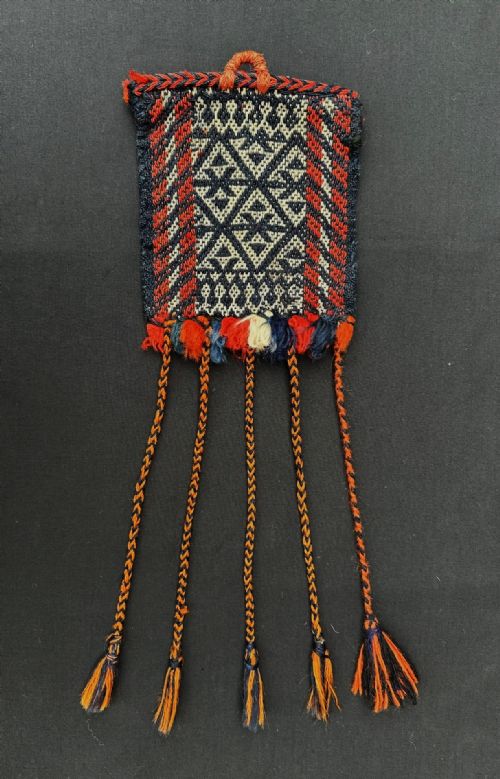
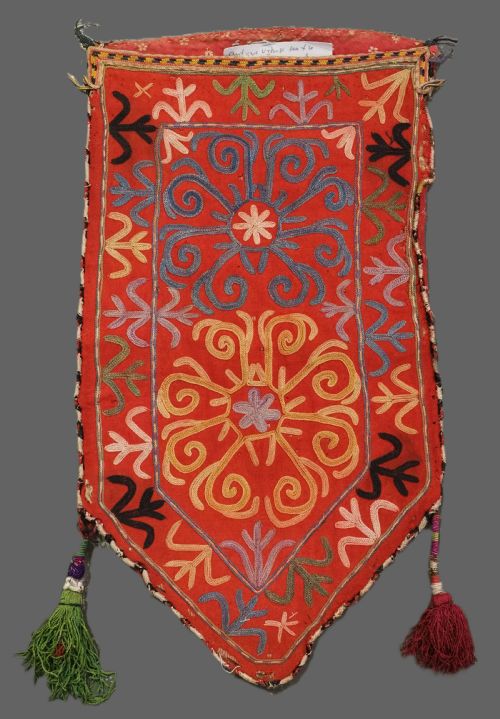
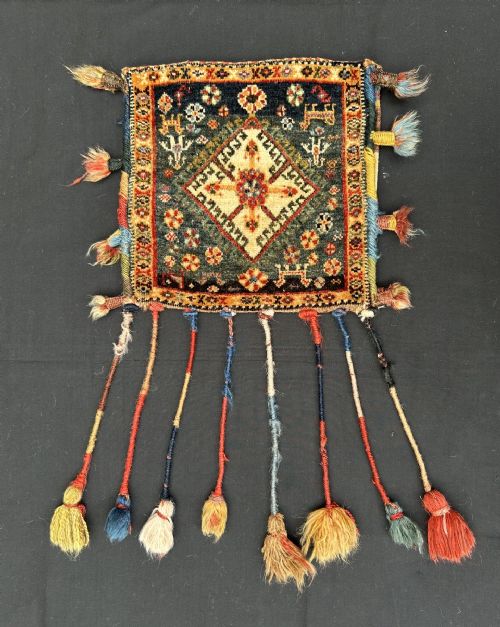
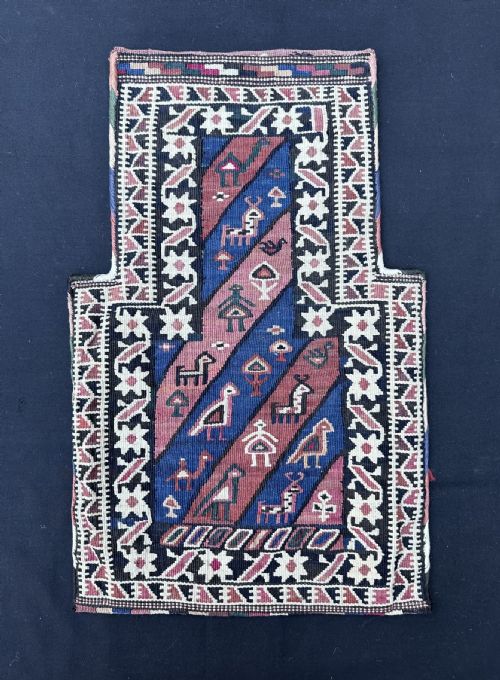
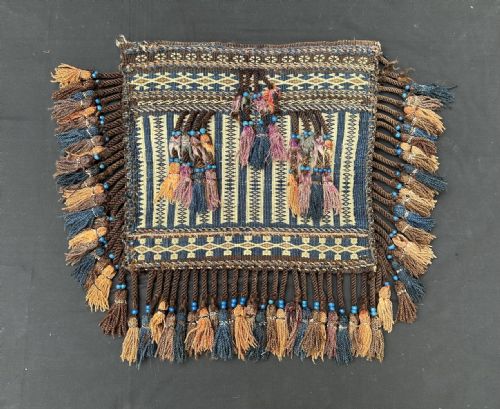
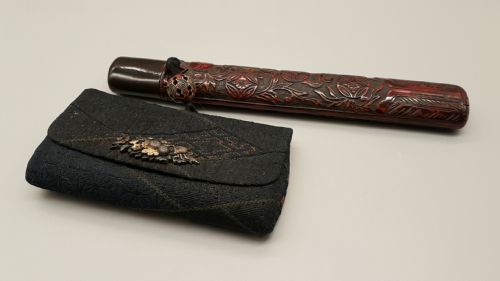
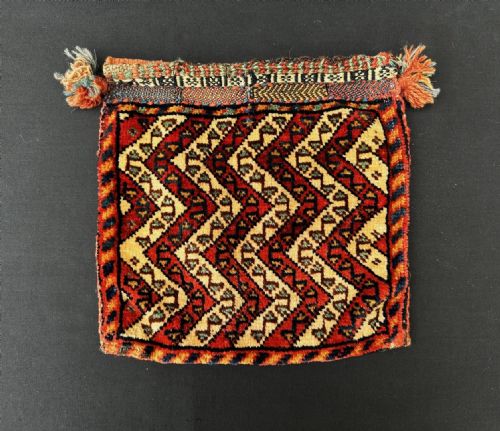
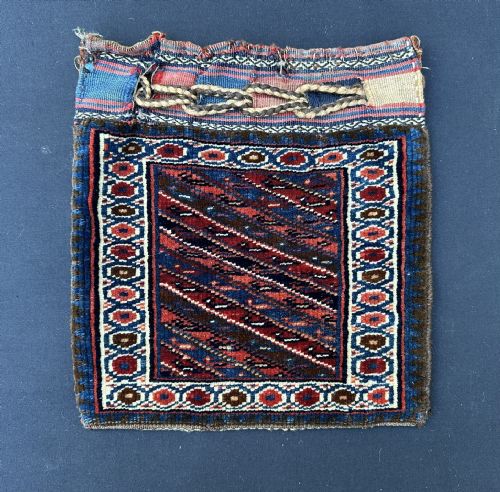
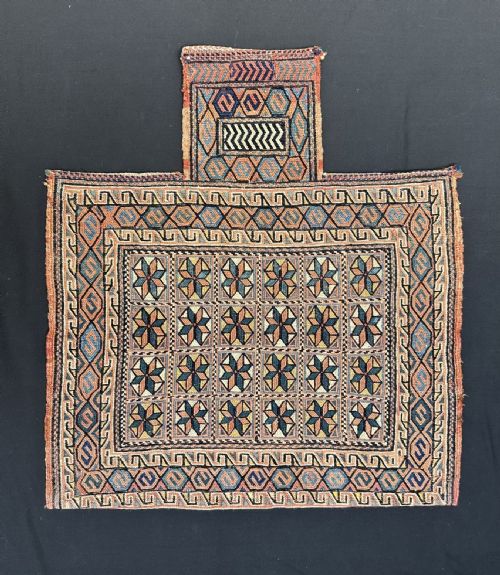
An antique textile pouch encompasses functional storage items created by nomadic and tribal groups across Persia, Central Asia, and the Caucasus during the nineteenth and early twentieth centuries. These diminutive pieces served specific daily purposes, functioning as tobacco holders, vanity bags, salt containers, and spindle cases.
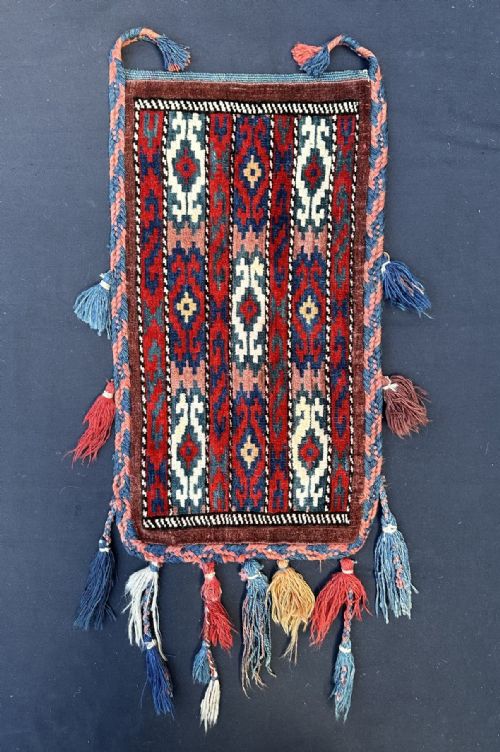
The most common examples on this page are Persian tribal bags and Central Asian hanging pouches, including chantehs and torbas woven by confederacies such as the Qashqa'i and Afshar. Such pieces reflect the distinct regional weaving traditions and tribal affiliations of their makers.
Makers fashioned these utilitarian items for personal transport and household organisation, combining dense pile or flatweave structures with striking geometric and symbolic ornamentation. Their survival demonstrates the durability of nomadic textile arts.
How They Were Made
Weavers utilised hand-spun wool and cotton foundations, dyed with natural substances to yield deep reds, blues, and earthy tones that age gracefully. Silk also appears in specific regional pieces, adding textural contrast to the woollen structures.
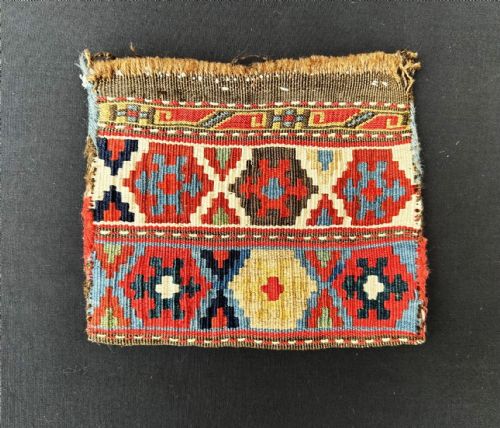
Construction techniques include soumak work, pile weaving, and banded weft work, often finished with original plain weave backs and structural details. Artisans occasionally integrated glass beads and cowrie shells into the textile surfaces.
Listings feature nineteen-century nomadic weavings predominantly originating from Persian tribal confederacies and Central Asian steppes.
What Varies in Quality
Quality depends upon the tightness of the weave, the clarity of the tribal motifs, and the preservation of original backs and closure systems. Finer examples display meticulous colour saturation from natural dyes and complex geometric precision.
The distinction between standard utility work and superior pieces lies in the fineness of the knotting or flatweave technique and the completeness of secondary elements such as original hanging loops.
The Antique Textile Pouch Glossary
- Chanteh
- A small personal bag or vanity pouch woven by Persian nomadic tribes. These pieces typically feature single or double-sided designs used for carrying small personal effects.
- Torba
- A small storage bag produced by Turkmen tribes, often featuring specific guls and designed to hang within a yurt or tent. They represent major achievements in Central Asian tribal weaving.
- Soumak
- A flatweave technique involving wrap-threads over the warp, creating a textured surface resembling braids on the face of the textile. This method provides durability without a cut pile.
- Igsalyk
- A specific Turkmen designation for a spindle bag utilised to store spinning equipment. These elongated pouches display distinctive tribal border patterns.
- Namakdan
- A Persian term for a salt bag, traditionally characterised by a narrow neck and a flared base. Nomads utilised these distinctive containers for household salt storage.
- Ojime
- A small bead carved from wood or other materials, positioned on the cord of Japanese smoking ensembles to secure pouches. They reflect fine craftsmanship in miniature form.
Antique Textile Pouch: Frequently Asked Questions
What were antique textile pouches used for?
These functional objects served nomadic families as portable containers for personal items, salt, tobacco, and spinning tools. Tribespeople carried them during migrations or hung them inside tents for daily organisation.
Their specific shapes corresponded directly to their contents, such as narrow necks for salt bags or elongated proportions for spindle cases.
How do I identify tribal origins?
Origin identification relies on examining the structural palette, specific geometric motifs, and wool characteristics associated with particular groups. Persian confederacies like the Qashqa'i and Afshar employ distinct colour combinations and weave structures.
Central Asian pieces, including those from Tekke or Yomut groups, display characteristic guls and border designs unique to their region.
How should I display them at home?
These small textile pieces suit mounting behind glass or displaying flat on surfaces where their structure remains supported. Many retain original loops or backs designed for hanging on walls or vertical supports.
Keeping them away from direct sunlight preserves the natural dyes used in their construction.
What materials predominate in these pieces?
Hand-spun wool forms the primary material for the majority of tribal examples, providing the strength required for utilitarian bags. Cotton foundations and supplementary silk elements also appear across Persian and Central Asian groups.
Natural dye usage accounts for the rich, harmonious palette seen across the nineteenth-century listings.