
Antique Textile Bag
When you handle an antique textile bag, you hold centuries of nomadic craft and tribal identity shaped by practical daily use.
Antique Textile Bag
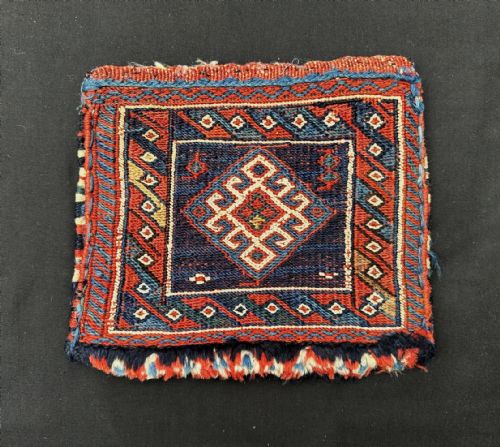
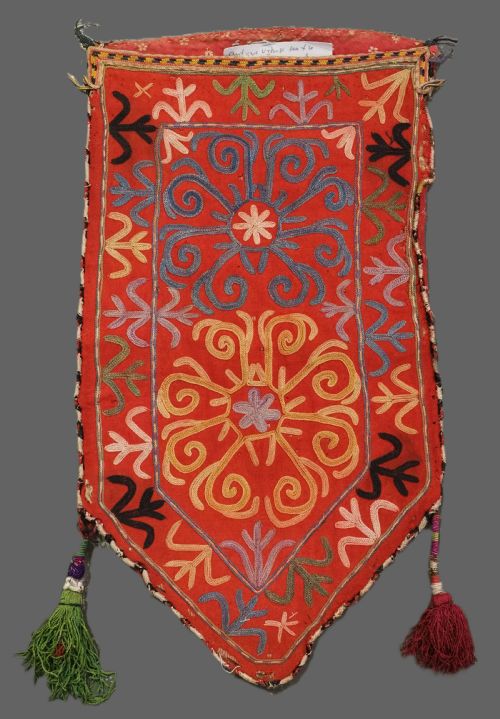
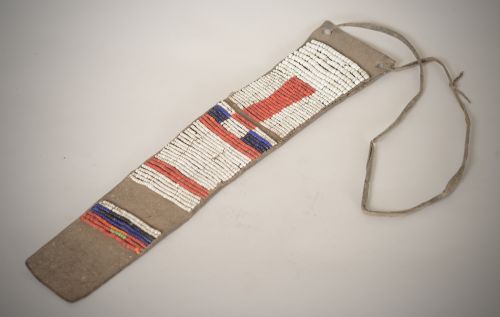
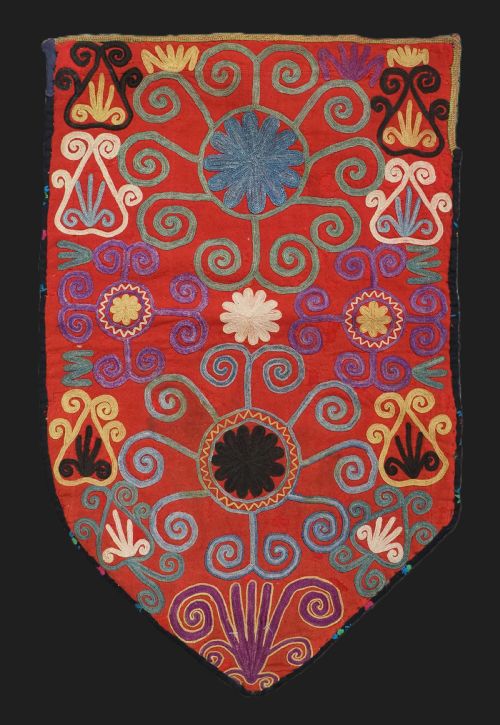
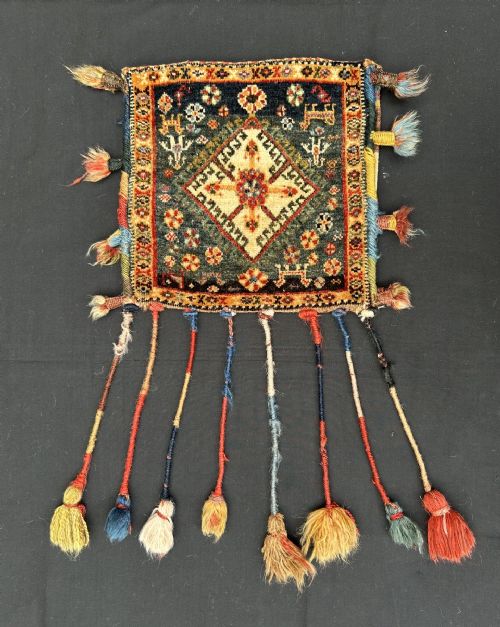
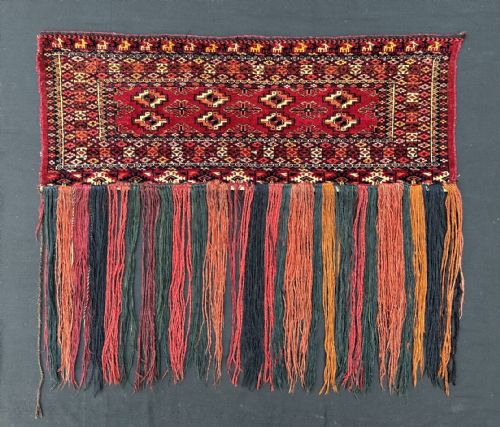
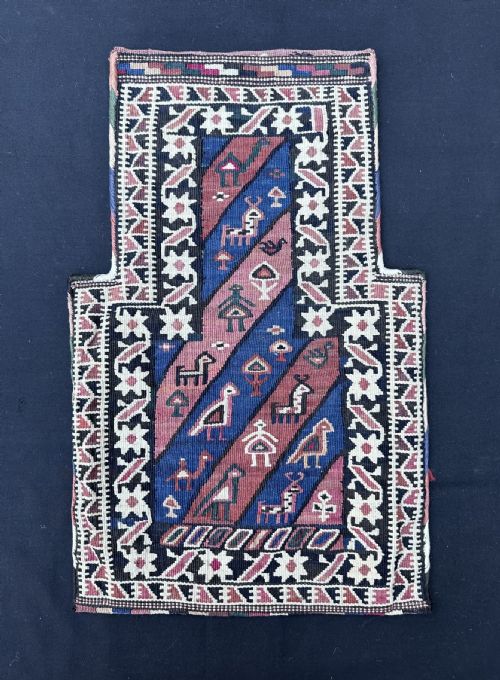
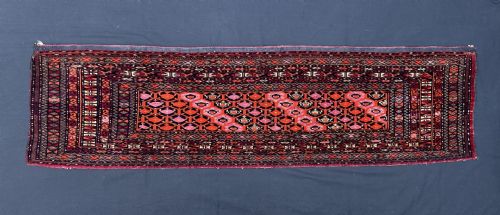
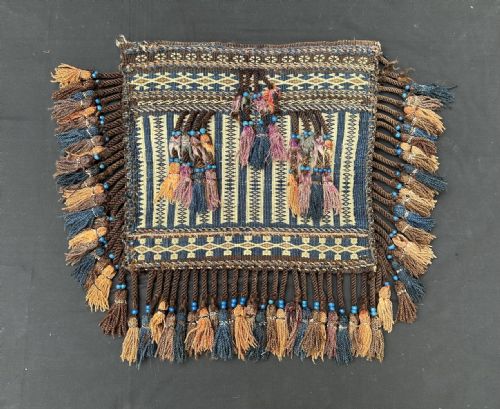
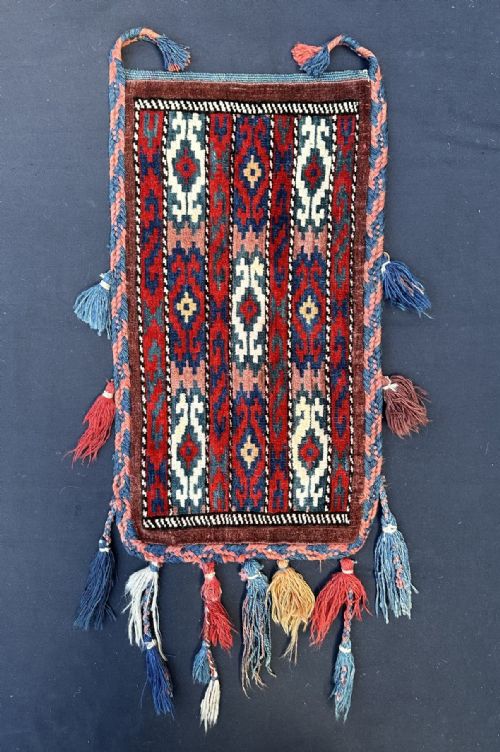
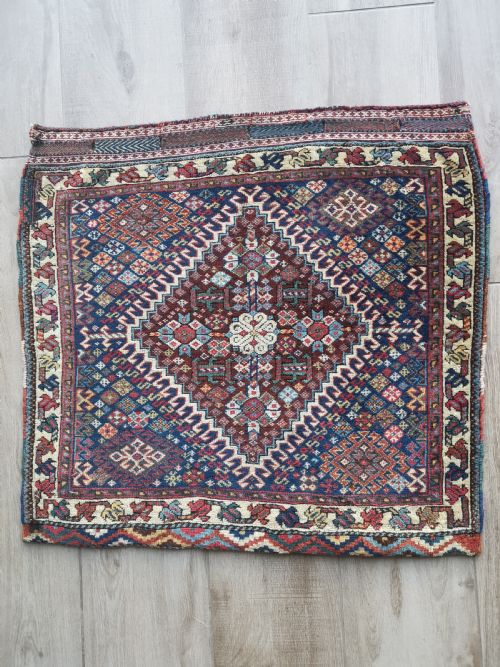
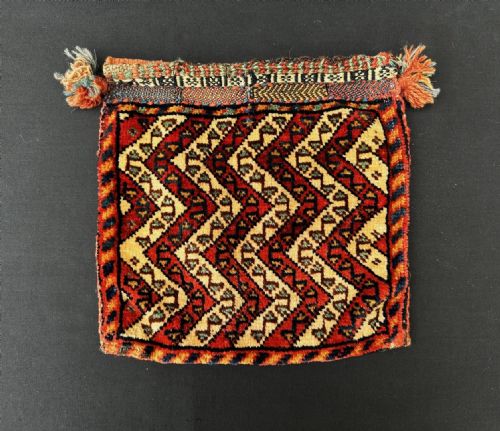
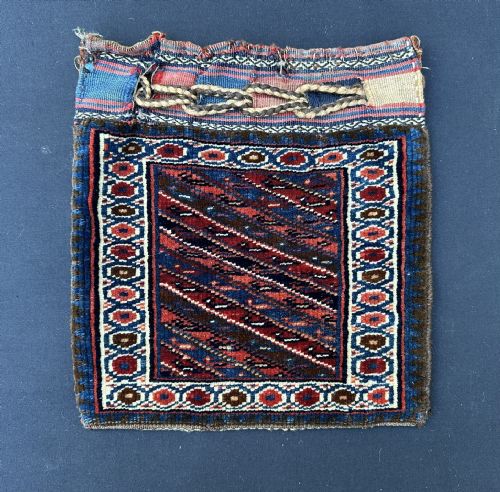
The antique textile bag category covers utility pieces made by nomadic and tribal groups across Persia, Central Asia, and the Caucasus, dating primarily from the late nineteenth and early twentieth centuries. Buyers encounter specific forms created for daily nomadic life, such as salt bags, vanity bags, storage sacks, and saddle bags.
These items were woven by tribal confederacies including the Qashqai, Afshar, Shahsevan, and various Turkmen tribes like the Tekke, Yomut, and Saryk. Each piece reflects the distinct visual vocabulary and weaving traditions of its specific maker or region.
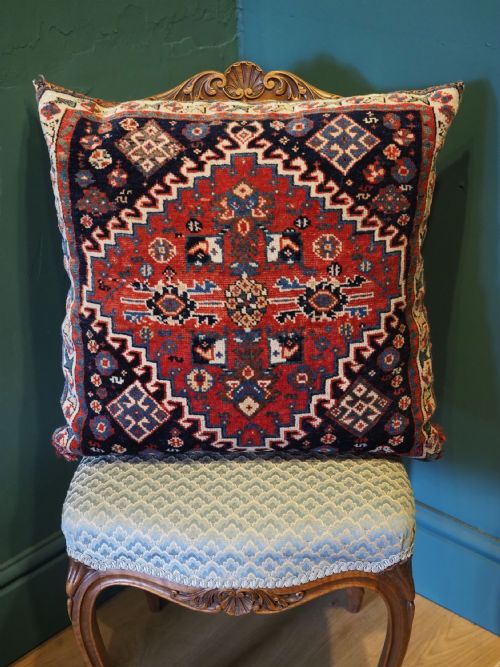
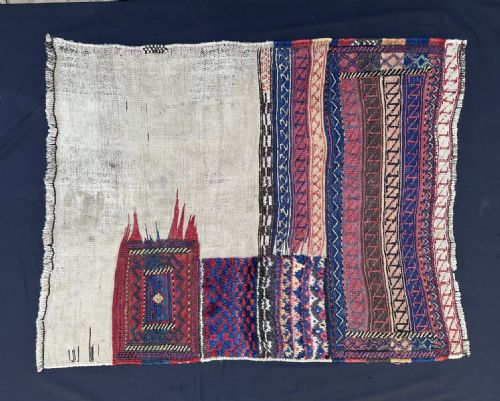
Surviving examples range from complete double-sided storage bags to single bag faces intended for cushions or wall hanging. The selection on this page demonstrates the wide geographical spread and diverse functional types generated by these pastoral societies.
Materials and construction methods
Makers utilised hand-spun wool, cotton, and occasionally silk, often dyed with natural colourants derived from local plants and minerals. These fibres provide the dense, durable foundation required for items subjected to heavy nomadic use.
Techniques combine pile weaving with flat-woven structures like kilim or soumak, sometimes embellished with glass beads, hide, and leather reinforcement. This integration of structural weave and durable skin protects the contents and strengthens the edges against constant friction during travel.
Some nineteenth-century Turkmen spindle-bags were tucked directly into camel packs so wool could be spun on the move across the steppes.
Distinctions in quality
The standard of a piece depends on the tightness of the weave, the precision of the tribal motifs, and the clarity of the natural dyes. Finer knots and saturated palettes indicate greater skill and time invested by the weaver.
Condition also plays a role, particularly the survival of original braided hanging loops, leather backs, and complete borders. Examples that retain their structural integrity alongside vibrant, unfaded wool show superior preservation.
The Antique Textile Bag Glossary
- Chanteh
- A small woven bag or pouch made by Persian nomads, typically used as a vanity or personal storage bag. These small pieces often display intricate tribal patterns on the face.
- Torba
- A small storage bag produced by Turkmen tribes, usually wider than it is tall. They were hung inside the yurt or tent to store household possessions.
- Chuval
- A large Turkmen storage bag used for bedding and clothing inside the nomadic dwelling. Surviving examples are frequently found as single faces cut from the original complete sack.
- Gül
- A repeating octagonal medallion motif used extensively in Turkmen carpet and bag design. Each tribal group utilised distinct variations of this primary pattern.
- Soumak
- A flat-weaving technique where the working threads are wrapped over the warp threads before being passed back. This creates a sturdy, braided surface texture on the textile.
- Kilim
- A tapestry-woven carpet or bag face produced without a raised pile. The smooth surface relies on interlocking wefts to form geometric designs.
Antique Textile Bag: Frequently Asked Questions
What were antique textile bags used for?
Nomadic groups utilised these bags for storing salt, grain, bedding, tobacco, and personal items during seasonal migrations. Their portable nature made them essential for daily domestic organisation within tents and on pack animals.
Over time, many of these utilitarian containers became prized decorative objects, preserving the decorative traditions of specific tribal confederacies.
How do I care for an antique textile bag?
Keep textile bags away from direct sunlight to prevent natural dyes from fading over time. Gentle vacuuming through a mesh screen removes dust without disturbing fragile wool fibres.
Avoid hanging heavy items by their original loops if the material has weakened with age, and support the full weight of the piece when moving it.
What is the difference between a bag face and a complete bag?
A complete bag includes both the patterned front and the plain flat-woven or leather back, often retaining its original closure mechanisms and hanging loops. These intact pieces represent the full functional object.
A bag face is simply the decorative front panel that has been separated from the back over decades of use, typically mounted for display as a small rug or wall hanging.