




Antique Terrier Art
These antique terrier art pieces capture working and companion dogs in oils, etchings and metalwork, bringing centuries of canine character into your home.
Antique Terrier Art
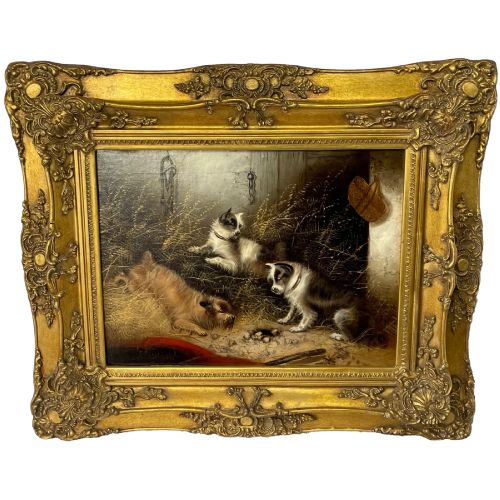
When you search for antique terrier art, you encounter a specialised selection of canine subjects rendered across various periods and media. The works range from 19th-century oil paintings of working terriers on the hunt to 20th-century etchings and decorative items.
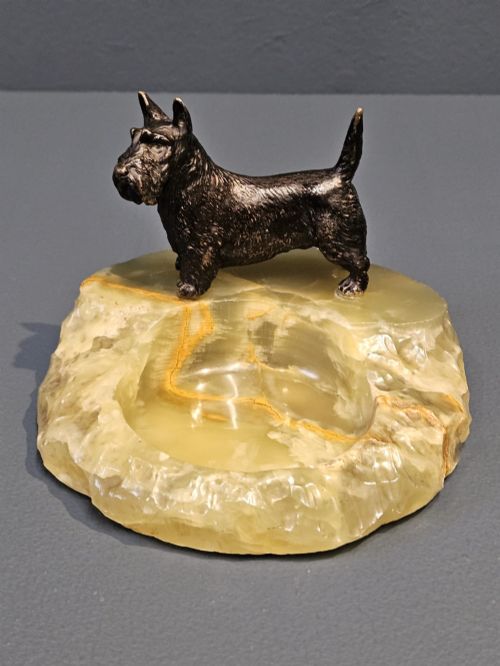
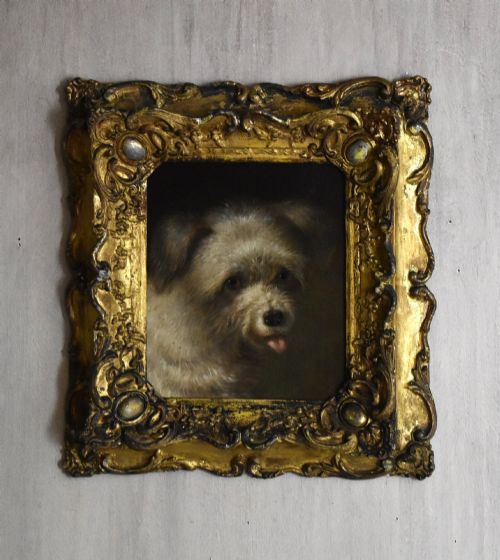
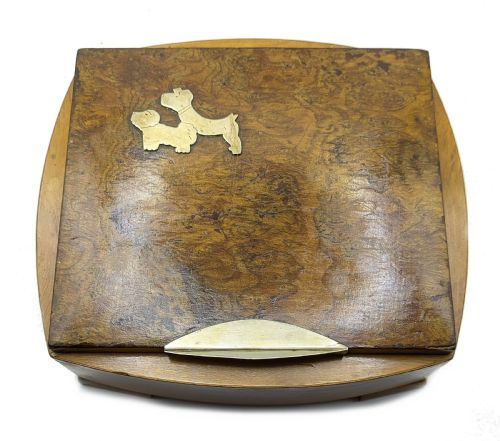
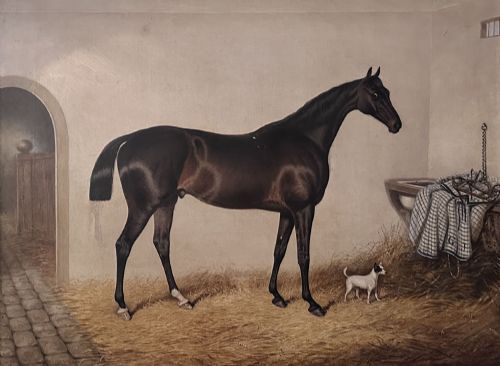
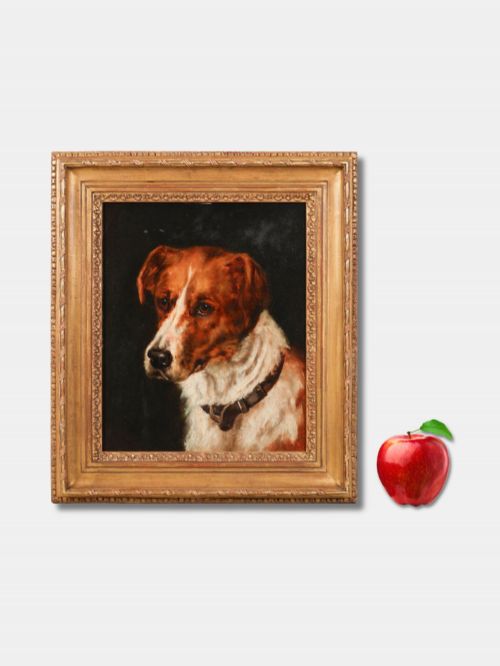
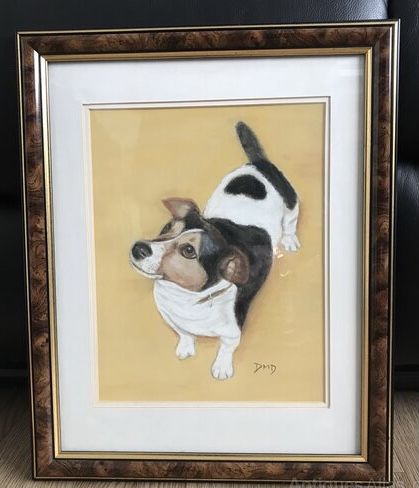
Oil paintings form the core of what you meet on this page, often depicting working terriers, ratting scenes or quiet portraits in canvas and oil. You also find original etchings, watercolours, and novelty objects such as cast metal table lighters and cigarette boxes.
The pieces stretch from the Regency era through Victorian and Edwardian periods into the 1930s and 1940s. Whether you prefer a detailed nineteenth-century canvas or a whimsical Art Deco accessory, the focus remains firmly on the terrier.
Materials and technique
The physical works rely principally on oil paint applied to canvas or board, capturing the texture of wire-haired and smooth coats through layered brushwork. Etchings utilise inked metal plates pressed onto paper to achieve fine, tonal lines in monochrome.
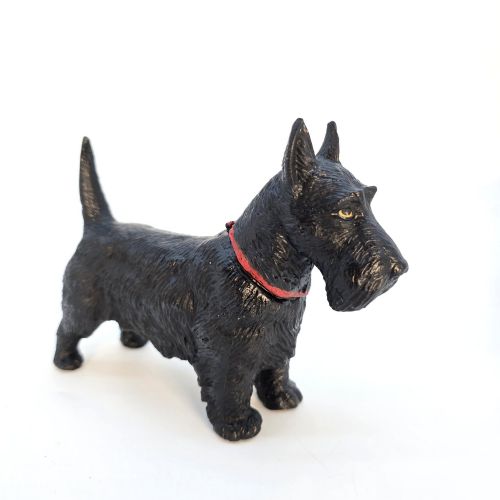
Decorative metalwork pieces employ casting techniques in brass and other metals, occasionally combined with hand-painted finishes to render the form of Scottish terriers and similar breeds. Giltwood and wood provide traditional framing and structural support for the flat works.
Antique Terrier Art Retail Price Guide 2026
Typical asking prices for terrier art among the pieces listed under this phrase on Sellingantiques today, from the lower quarter to the upper quarter. They describe what is for sale here now, not the wider market.
Materials represented include oil on canvas, hand-coloured etchings, watercolours, cast brass, and carved giltwood frames.
Judging quality in terrier works
Quality in these works rests upon the anatomical accuracy of the dog and the vitality of the brushwork or engraving line. A superior painting captures the distinct alertness, eye expression and muscular tension characteristic of the breed.
The distinction between standard decorative pieces and finer works lies in the handling of light, background detail and composition. In prints and etchings, the crispness of the impression and the preservation of subtle tonal gradations mark out the better examples.
Edward Armfield·Herbert Dicksee·Valentine T. Garland·Martin Theodore Ward·Sir Edwin Landseer·Percival Glenfern·Mabel Gear·John Emms·George Armfield·Samuel Fulton
The Antique Terrier Art Glossary
- Etching
- A printmaking method where acid bites lines into a metal plate to hold ink. This technique allows artists like Herbert Dicksee to achieve remarkable tonal depth and soft fur textures.
- Canvas
- A heavy woven fabric stretched across a wooden frame to serve as a support for oil paint. It provides a durable ground that retains the artist's brush marks over centuries.
- Giltwood
- Timber carved and coated with gold leaf or a gold-coloured finish. This material is commonly found on traditional frames enclosing 19th-century paintings.
- Table lighter
- A functional desktop accessory designed for household use. In the context of 1920s metalwork, these often took whimsical animal forms such as Scottie dogs.
- Regency
- A British historical period spanning the early 19th century, associated with particular styles in art and furniture. Paintings from this era often display precise realism in animal portraiture.
Antique Terrier Art: Frequently Asked Questions
How do I identify a 19th-century terrier painting?
Look for the materials and clothing clues within the picture, alongside the stretcher bars and canvas type on the reverse. Nineteenth-century works frequently employ dark, rich oil grounds and depict working terriers in rural or barn settings.
Artists from this era often signed their work directly onto the canvas or lower corners, though many remain unattributed. Examining the framing and any canvas stamps helps narrow down the decade of creation.
What subjects are common in antique terrier art?
The most frequent subjects involve working terriers engaged in ratting, guarding traps, or accompanying hunters and horses. You also find formal canine portraits that capture individual dogs with distinct personalities.
Later pieces often shift towards domestic companions, reflecting how the terrier transitioned from a working farm dog into a popular household pet during the Edwardian and Art Deco periods.
Are bronze and brass terrier items antique?
Cast metal items such as bookends, cigarette boxes, and table lighters dating from the 1920s and 1930s fall firmly into the vintage and antique categories. These decorative pieces utilise the popularity of breeds like the Scottish Terrier.
Makers utilised casting and hand-painting techniques to give these functional objects distinct character, making them collectable items separate from flat art.
How should I care for an antique oil painting?
Keep oil paintings away from direct sunlight and dramatic shifts in temperature or humidity to prevent the canvas from warping and the paint from cracking. Dust the surface very gently with a soft, dry brush without applying pressure.
Avoid using liquid cleaners or attempting amateur restoration on the paint layer. If structural cleaning or canvas repair is required, consult a professional conservator.