





Antique Terracotta Red Urns
Antique terracotta red urns are garden and interior vessels that bring striking warmth and classical form to a space.
Antique Terracotta Red Urns
When you search for antique terracotta red urns, you encounter a selection of garden ornaments, interior vases, and campana shaped vessels spanning the Georgian, Victorian, and Edwardian eras. These objects combine classical silhouettes with earthy red tones, originating from various European and Asian workshops.
The pieces on this page range from large garden urn planters to delicate porcelain and earthenware vases in red clay and terracotta bodies. Garden urns typically present sturdy campana forms on plinths, while interior examples draw upon Japanese Meiji period aesthetics and continental traditions.
How they were made
Makers shaped these pieces from terracotta, red clay, earthenware, and porcelain, sometimes incorporating cast iron and Italian marble for structural weight. Artisans applied glazes, gold leaf, and enamel details to ceramic surfaces, while others shaped raw clay into heavy garden planters.
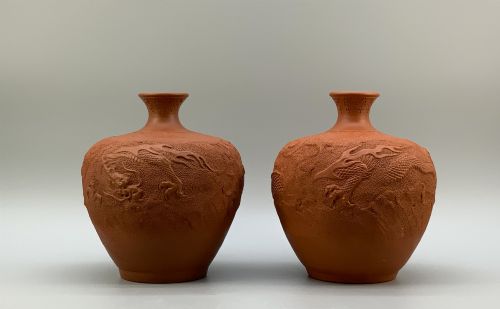
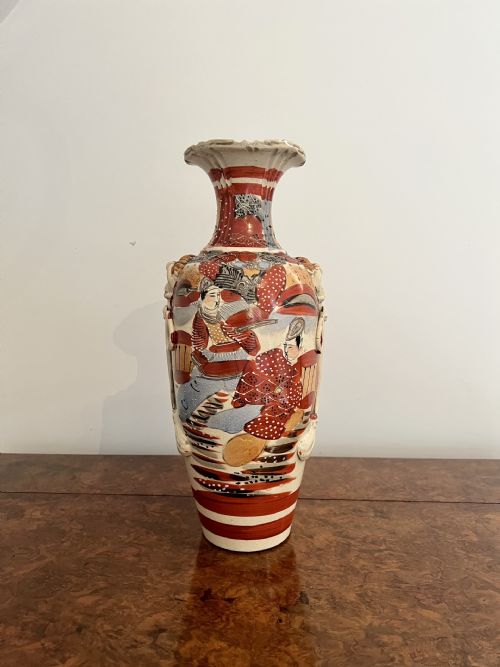
Firing techniques varied by origin, with European potteries producing cast iron and terracotta garden wares, and Japanese kilns firing intricate porcelain and red clay bodies. Hand painted motifs and carved dragon and phoenix decorations frequently appear across the ceramic and earthenware pieces.
Antique Terracotta Red Urns Retail Price Guide 2026
Typical asking prices for terracotta red urns among the pieces listed under this phrase on Sellingantiques today, from the lower quarter to the upper quarter. They describe what is for sale here now, not the wider market.
Dragons and phoenixes stare fiercely from Japanese red clay vases, watching over rooms that have traded ancient temples for nineteenth century drawing rooms.
What varies in quality
Quality rests upon the crispness of the modelled details and the depth of the glaze or clay body. Superior campana garden urns show sharply defined rims and stable footing, while finer vases exhibit precise hand painted enamel and gilt work.
The distinction between standard production and exceptional work lies in the control of the firing process and the skill of the decorator. Heavier cast iron and marble elements provide durability, whereas delicate Kutani and Satsuma porcelain rely on intricate surface artistry.
The Antique Terracotta Red Urns Glossary
- Campana
- A bell shaped vessel form with a flared rim, frequently utilised for garden urns and classical planters. This silhouette originates from ancient Roman pottery traditions.
- Terracotta
- A porous, unglazed or glazed baked red clay used for structural garden vessels and decorative urns. The material weathers naturally outdoors over decades.
- Kutani
- A style of Japanese porcelain characterised by colourful overglaze enamels and intricate pictorial designs. Pieces from this tradition often feature detailed panels of figures and flora.
- Satsuma
- A type of Japanese earthenware featuring a crackled ivory glaze decorated with polychrome enamels and gold leaf. These decorative vases were produced extensively during the Meiji period.
- Imari
- A traditional Japanese porcelain style featuring a palette of underglaze blue and iron red, supplemented with gold. Exported widely to Europe, these lidded vases and jars remain distinct.
Antique Terracotta Red Urns: Frequently Asked Questions
Where should I place a terracotta garden urn?
Terracotta garden urns suit outdoor settings such as terraces, garden paths, and stone plinths where they can weather naturally. Their robust red clay and iron bodies withstand exterior conditions.
For interior spaces, smaller terracotta and red clay vessels sit comfortably on sturdy tables or pedestals away from moisture.
How do I identify a Meiji period vase?
Meiji period Japanese vases often feature distinctive Kutani or Satsuma markings, combined with hand painted enamel decorations and gilding. The motifs frequently include traditional Japanese imagery.
Examining the base and the weight of the porcelain helps determine the period and workshop origin alongside stylistic cues.
Are cast iron urns suitable for gardens?
Cast iron urns provide exceptional weight and durability for outdoor garden displays. They handle heavy planting and exposure to the elements.
Over time, cast iron develops a natural oxidised patina that complements traditional garden settings and stone plinths.
What is the difference between an urn and a vase?
Urns typically feature a footed base, a distinct stem, and a wider bowl or campana body designed for display or planting. Many include handles or lidded tops. <br> Vases generally serve to hold floral arrangements and exhibit taller, more cylindrical or ginger jar forms without necessary pedestals.
How should I care for antique ceramic urns?
Interior ceramic and porcelain urns require gentle dusting with a dry microfibre cloth to protect delicate enamel and gold leaf decorations. Avoid harsh chemical cleaners.
Exterior terracotta and red clay pieces benefit from being emptied of wet soil during freezing winter months to prevent frost damage.