



Antique Terracotta Pedestal
An antique terracotta pedestal anchors classical greenery and heavy garden planters, offering a sturdy architectural lift for courtyards and halls.
Antique Terracotta Pedestal
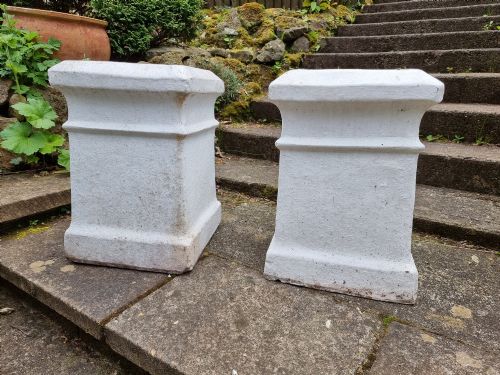
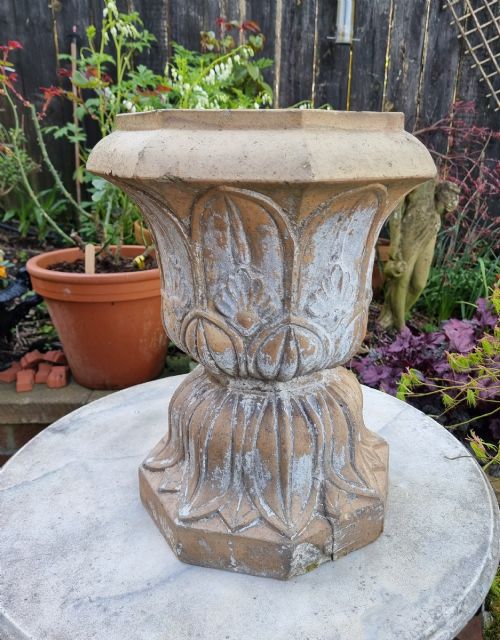
An antique terracotta pedestal supports garden urns, planters, and display columns, bringing classical form to exterior and interior spaces. Buyers seeking an antique terracotta pedestal will encounter forms ranging from 19th-century display columns to robust chimney pot pedestals and garden plinths.
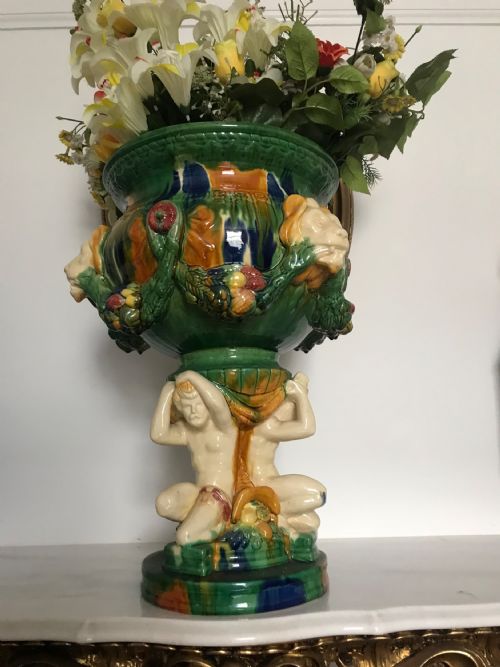
The selection includes pieces spanning the Georgian era, Victorian period, and early twentieth century, showing influences from the Grand Tour and Italian Renaissance Revival. Most examples rely on fired earthenware bodies, often paired with matching campana garden urns, majolica jardinières, or figural base stands.
Originating primarily as functional garden ornaments, display stands, or architectural elements, these columns and plinths bring substantial weight and aged patination to a setting. The pieces vary from straightforward salt-glazed supports to elaborate faux marble finishes and painted sculptors stands.
Assessing quality and craftsmanship
Quality rests in the crispness of moulded details, the depth of the fired clay body, and the integrity of any applied glaze or surface finish. Superior examples display balanced proportions, intentional architectural detailing, and well-preserved surface patination from age and exposure.
Pieces featuring distinct artistic provenance, such as specialised pottery works or fine Italian majolica execution, stand apart from utilitarian chimney pots or plain garden supports. The harmony between pedestal and matching urn, alongside stable weight-bearing construction, dictates the standing of the piece.
Antique Terracotta Pedestal Retail Price Guide 2026
Typical asking prices for terracotta pedestal among the pieces listed under this phrase on Sellingantiques today, from the lower quarter to the upper quarter. They describe what is for sale here now, not the wider market.
Several chimneys enjoyed second lives as garden pedestals and sundials once the smoke cleared.
Dunfermline Clay Company·Cantagalli Faience·Lipscombe And Co
The Antique Terracotta Pedestal Glossary
- Terracotta
- Fired unglazed or glazed clay of a brownish-red colour used for sculpture, pots, and architectural pedestals. It is valued for its porous nature and the warm earthy tones it develops over time.
- Campana
- A bell-shaped garden urn form popular in classical and neoclassical design. These vessels frequently sit atop sturdy pedestals or plinths.
- Majolica
- Heavy earthenware covered with an opaque tin glaze and painted with colourful designs. This technique originated in Italy and appears on decorative planters and stands.
- Plinth
- A heavy flat-bottomed base or block that supports a statue, vase, or column. It provides stability and visual weight to elevated garden ornaments.
- Salt Glazed
- A ceramic finish created by throwing common salt into the kiln during high-temperature firing. This produces a texture resembling orange peel on stoneware bodies.
- Jardiniere
- An ornamental pot or stand designed to hold live plants or flowers. These items often feature naturalistic or classical relief decoration.
Antique Terracotta Pedestal: Frequently Asked Questions
Can antique terracotta pedestals stay outside all winter?
Terracotta is naturally porous and absorbs moisture, which can freeze and crack the clay during severe frost. Many owners move glazed or unglazed garden pedestals under cover or indoors during freezing weather to protect the material.
Selecting a dense stoneware or salt-glazed body offers better resistance to low temperatures, though sheltered placement remains sensible for delicate surfaces and painted finishes.
How do I clean an aged terracotta pedestal?
Gentle brushing with a soft bristle brush and plain water removes dirt and loose debris without harming the historical surface. Avoid harsh chemical cleaners or pressure washers that strip away the aged patination and soften the fired clay.
Allowing moss and lichens to remain on garden pieces is common, provided they do not accelerate structural decay or obscure moulded details.
How do I style a terracotta pedestal indoors?
Placing a heavy column in a hallway or living space creates an architectural focal point for displaying sculptures, large vases, or trailing plants. Ensuring the floor surface is protected from dampness or scratching is essential when using heavy earthenware inside.
Pairing the pedestal with complementary classical or neoclassical furnishings bridges interior decor with traditional garden aesthetics.