

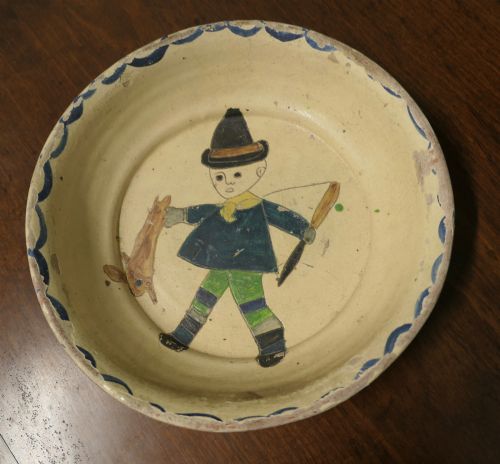
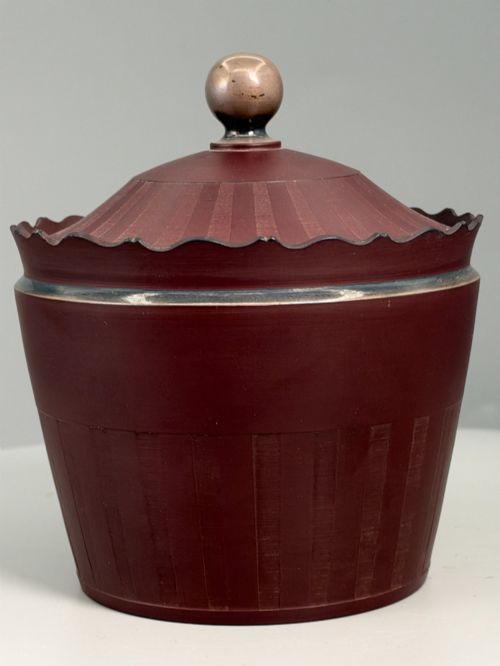

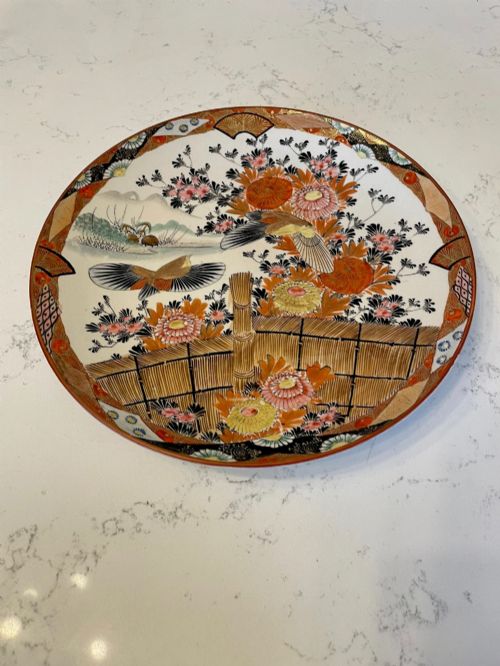
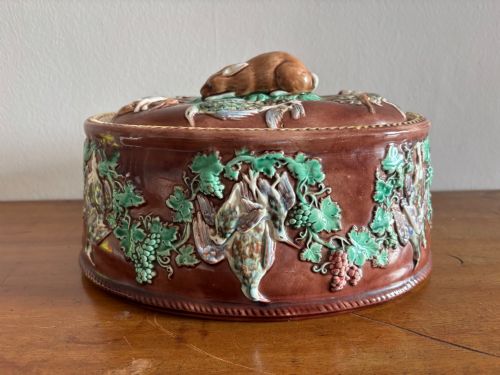


Antique Terracotta Dish
These antique terracotta dish pieces combine earthy baked clay with practical domestic form, offering a tangible connection to historical kitchen and table use.
Antique Terracotta Dish
When you search for an antique terracotta dish, you encounter porous earthenware vessels shaped for kitchen utility and food preparation. These items span various centuries, showcasing the enduring appeal of fired clay in domestic spaces.
The selection here includes functional kitchenalia alongside serving pieces from the nineteenth century and earlier eras. Each object reflects the utilitarian needs of past households, relying on unglazed or glazed earthenware bodies.
Buyers frequently find regional British kitchenware alongside continental or specialised serving vessels. These earthenware items demonstrate the straightforward craftsmanship valued in historic cooking environments.
Distinctions in quality and execution
Quality rests upon the symmetry of the thrown form and the deliberate handling of the clay body. Thicker, heavier walls indicate robust utilitarian manufacture, while lighter vessels show greater refinement at the wheel.
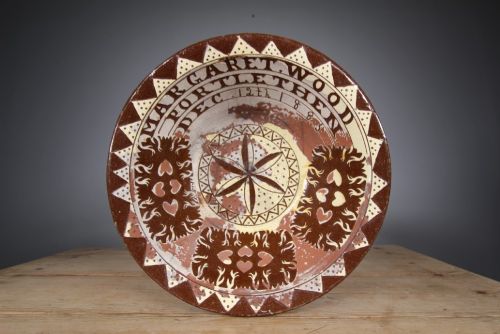
The application and preservation of any glaze or slip finish dictate the visual appeal of the surface. Surviving wear patterns from historic use add character without diminishing the integrity of the earthenware structure.
Antique Terracotta Dish Retail Price Guide 2026
Typical asking prices for terracotta dish among the pieces listed under this phrase on Sellingantiques today, from the lower quarter to the upper quarter. They describe what is for sale here now, not the wider market.
Listings within this category incorporate earthenware, terracotta, and glaze materials alongside nineteenth-century production dates.
Wiskemann·Seaton Pottery·Wedgwood·Royal Dux
The Antique Terracotta Dish Glossary
- Terracotta
- A porous, brownish-red earthenware clay that is fired at relatively low temperatures. This material forms the primary body of the pieces found in this category.
- Earthenware
- Pottery made from clay that fires to a porous and opaque state. It requires a glaze to hold liquids effectively.
- Slip
- A liquid mixture of clay and water applied to pottery surface for decoration or sealing. Potters use it before firing to create contrasting surface patterns.
- Kitchenalia
- Utilitarian objects and utensils used in domestic kitchens in the past. These items prioritize practical function over ornamental display.
Antique Terracotta Dish: Frequently Asked Questions
How were these dishes used?
These pieces served practical roles in historic kitchens for food preparation, mixing, and serving. Their robust clay bodies handled daily culinary tasks before the widespread adoption of modern whiteware.
Many examples remained in active kitchen service for generations, acquiring natural patinas and minor surface traces from regular handling and utensil contact.
Are terracotta dishes waterproof?
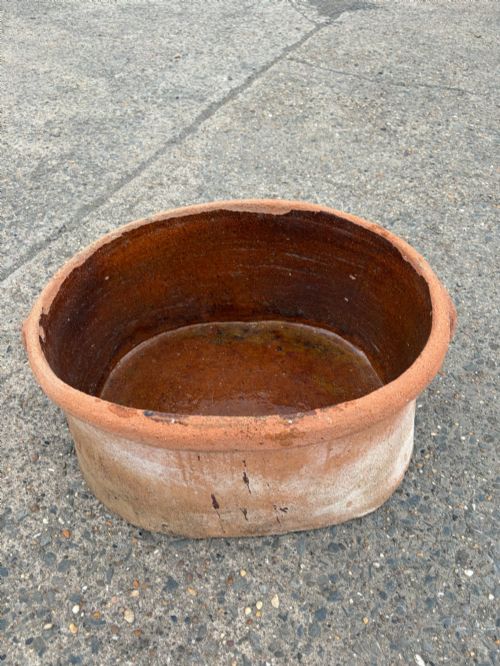
Terracotta in its raw, unglazed state is porous and absorbs moisture. Glazed interiors were often applied to prevent liquid from seeping through the clay body during kitchen use.
When displaying or using these items, checking for a glazed surface helps determine whether the vessel can safely hold liquids without dampening the supporting surface.
How do I clean an old clay dish?
Cleaning requires gentle washing with warm water and mild soap, avoiding harsh scrubbing that might damage historical surfaces. Thorough drying prevents moisture retention within the porous clay.
Soaking unglazed terracotta is best avoided, as old earthenware can absorb water and take considerable time to dry out completely.
How can I tell the age of a dish?
Dating relies on observing the characteristics of the clay body, glaze consistency, and any underlying tool marks from manufacture. Comparing forms to documented regional pottery types helps narrow down the period of production.
Wear patterns, firing imperfections, and historic potting techniques also provide clear physical indicators of an item's age.