


Antique Temple Sculpture
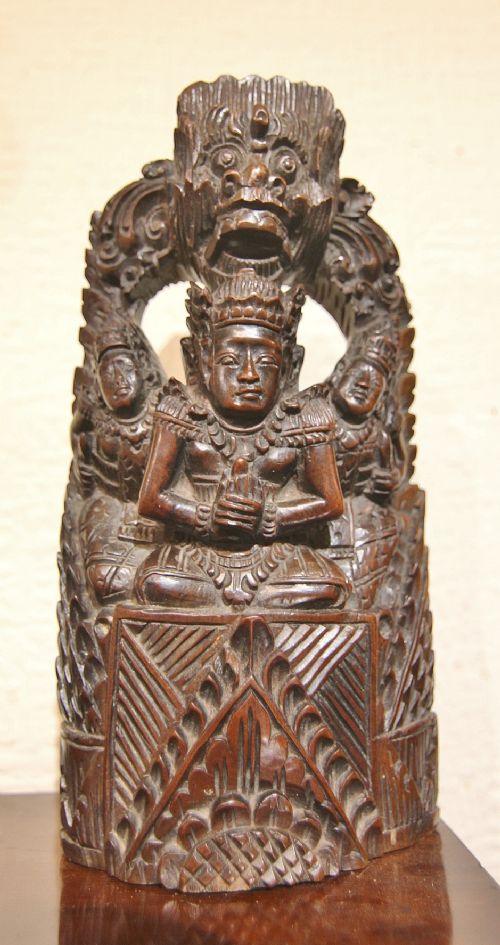
When you search for antique temple sculpture, you find figures and architectural elements carved in wood, cast in bronze, and formed from stone.
Antique Temple Sculpture
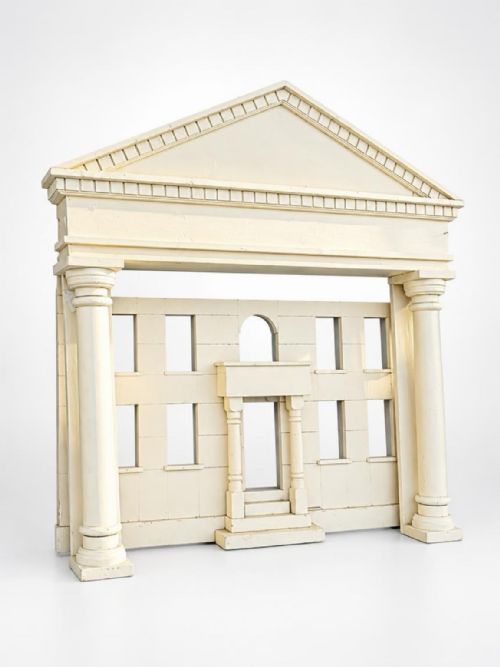
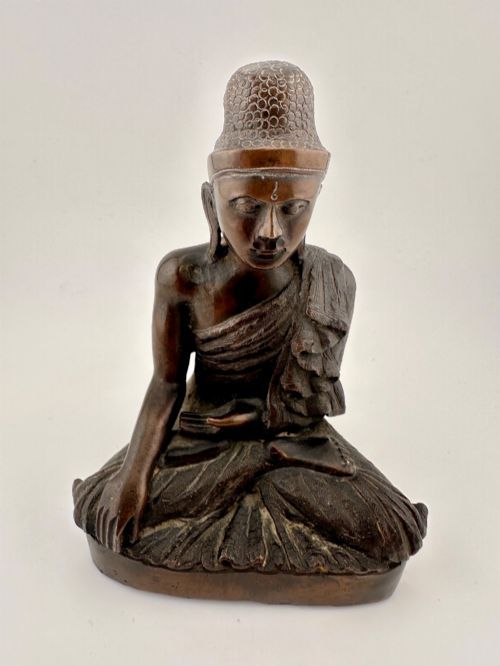
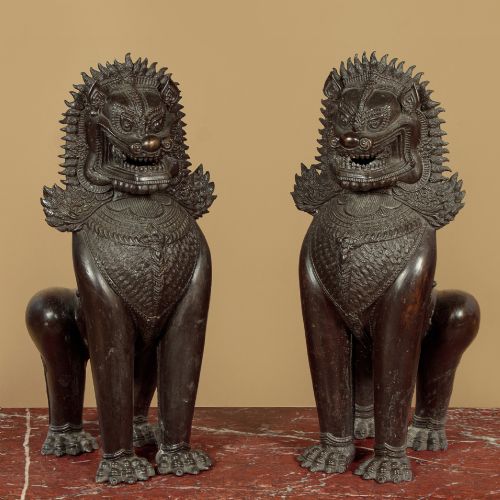
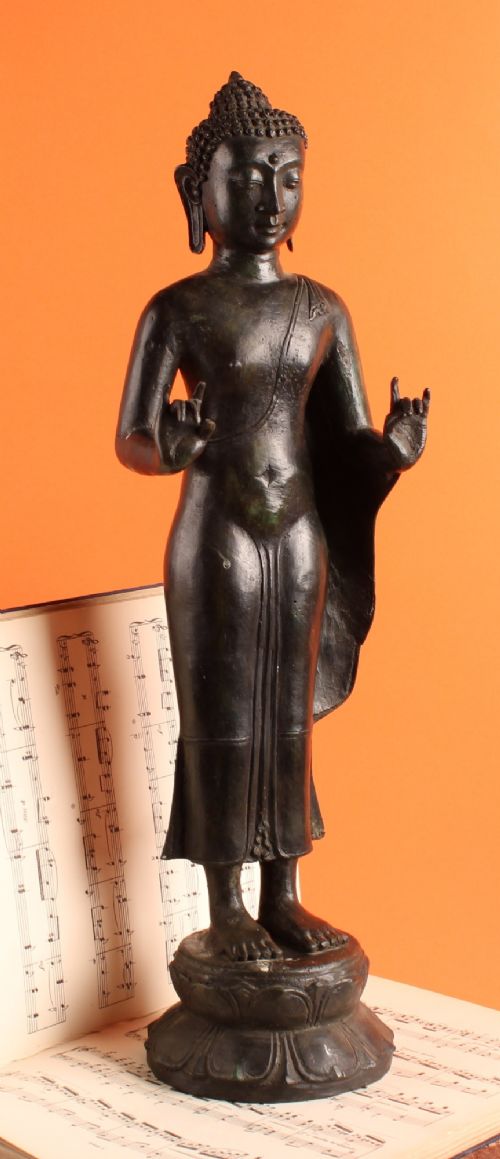
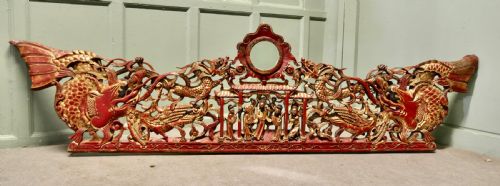
Antique temple sculpture encompasses figures of deities, guardians, and architectural fragments removed from sacred sites across Asia and Europe. Buyers seeking this category encounter guardian lions, seated and standing Buddhas, and architectural pediments.
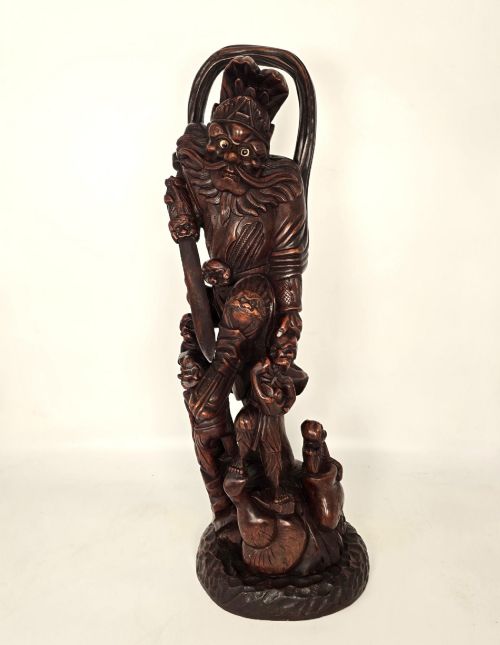
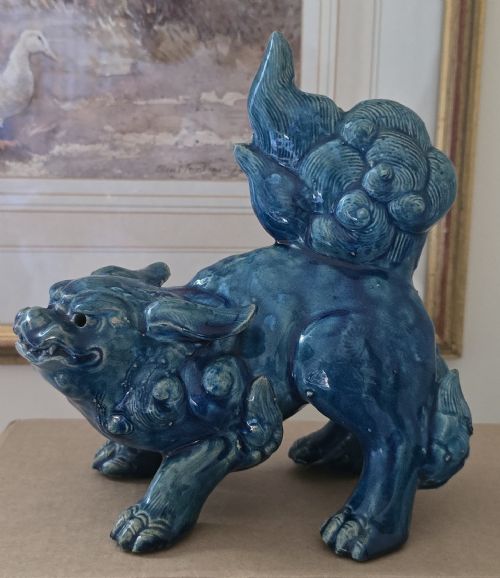
The pieces on this page span several centuries, with nineteenth-century examples and earlier periods represented. Forms range from monumental wood guardian figures to small boxwood carvings and porcelain temple animals.
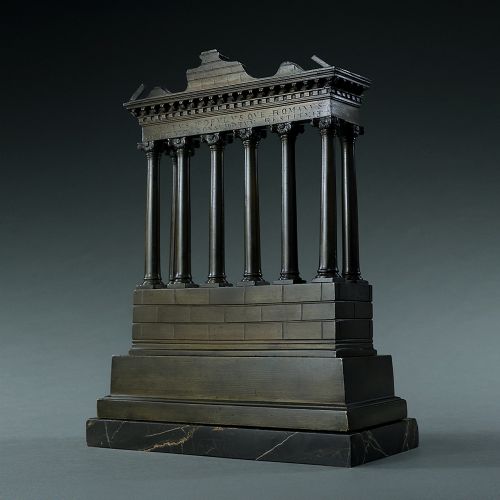
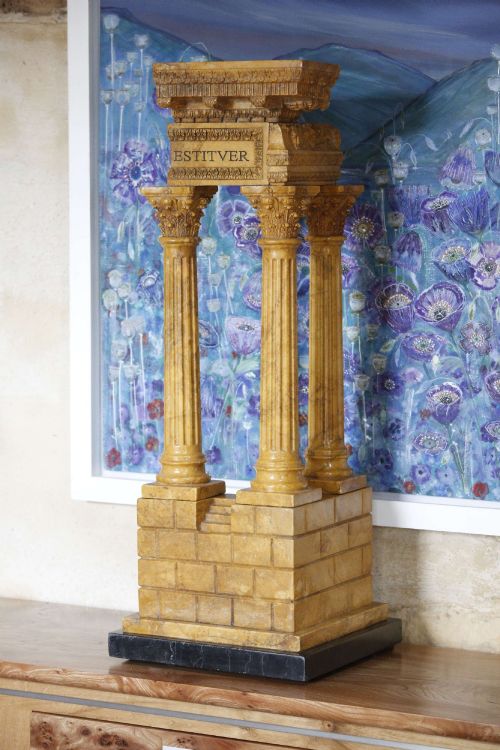
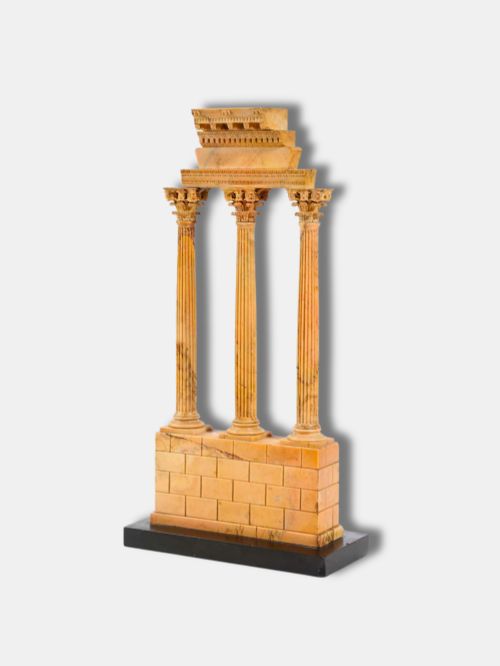
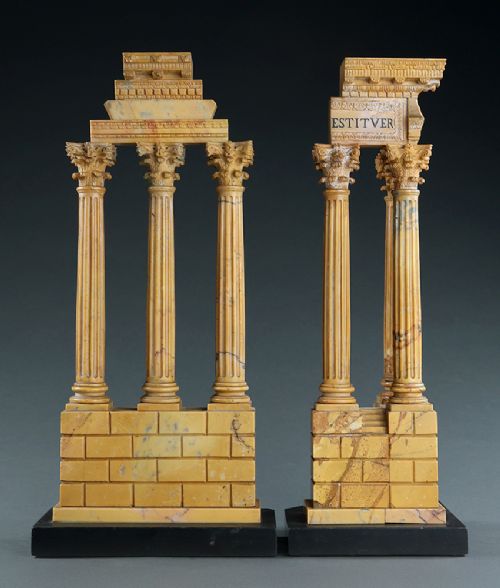
Origins stretch from China and Japan to Thailand, Burma, India, and Java, alongside European interpretations such as Grand Tour marble temples and cast iron figures.
How They Were Made
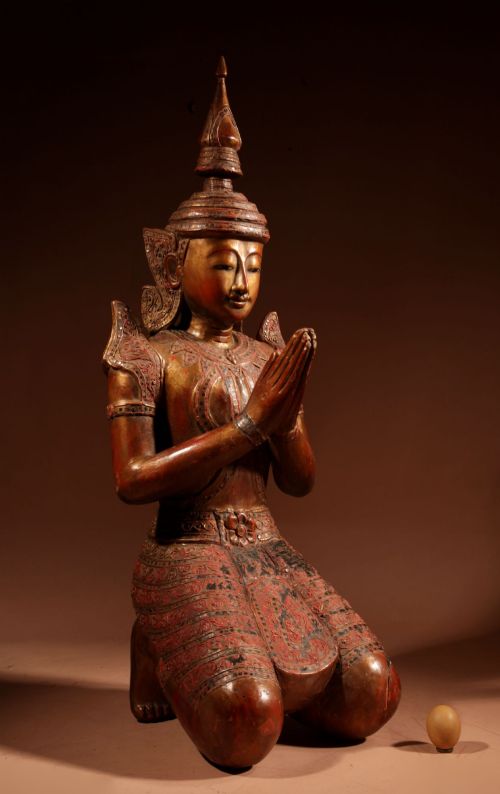
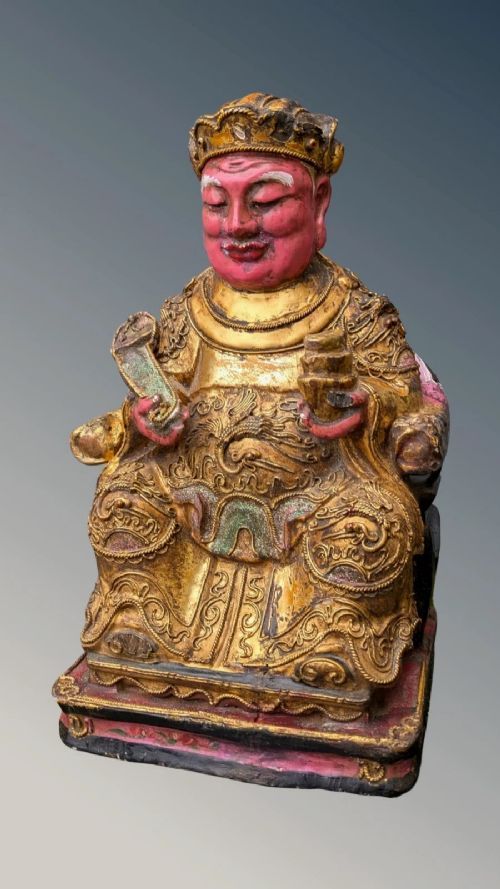
Makers shaped these sculptures from timber, stone, and metal, utilising carving, casting, and modelling techniques. Wood pieces frequently carry layers of gesso, lacquer, and gold leaf, while bronze and brass examples demonstrate lost-wax casting.
Surface finishes include polychrome pigments and turquoise glazes applied to pottery, porcelain, and wood. Architectural fragments display hand-chiseled details in sandstone, marble, and boxwood.
Antique Temple Sculpture Retail Price Guide 2026
Typical asking prices for temple sculpture among the pieces listed under this phrase on Sellingantiques today, from the lower quarter to the upper quarter. They describe what is for sale here now, not the wider market.
Materials represented in these listings include wood, bronze, gold leaf, lacquer, gilt, gesso, brass, marble, stone, terracotta, iron, and porcelain.
What Varies in Quality
Quality depends upon the precision of the carvers hand and the preservation of original surface treatments such as gilding and polychrome paint. Sculptures displaying crisp anatomical definition and balanced proportions stand apart from utilitarian or provincial workshop outputs.
The integrity of the material, whether dense hardwood, heavy bronze, or fine-grained marble, dictates the longevity and visual impact of the piece. Surviving remnants of ancient temple schemes indicate higher workshop status.
Unno Shomin·Alajos Strobl
The Antique Temple Sculpture Glossary
- Foo Dog
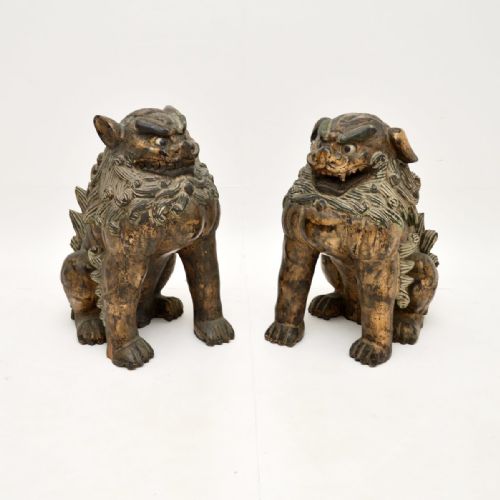
- A traditional guardian lion figure placed outside temples to ward off evil spirits. These stylised animals appear frequently in pairs across Chinese and Japanese metalwork and ceramic pieces.
- Mudras
- Symbolic hand gestures displayed by Buddha figures in sculpture. Each specific position communicates a distinct teaching or state of mind.
- Pediment
- An architectural element surmounting a structure or framing an opening. Temple pediments often feature intricate high-relief carvings.
- Polychrome
- A surface decorated in multiple colours using paint or enamel. This technique brings depth to wood and pottery temple figures.
Antique Temple Sculpture: Frequently Asked Questions
What is an antique temple sculpture?
An antique temple sculpture is a devotional or architectural figure created for placement within a sacred building. These pieces include guardian lions, deities, and decorative reliefs.
They reflect the religious traditions and artistic methods of their specific region and period of origin.
How were temple figures displayed?
Many temple figures stood at doorways or upon altars to serve as protectors or objects of veneration. Others formed integrated parts of wooden roof structures or stone facades.
Today, collectors place them as focal points within interior spaces or gardens.
How do I identify the material?
Examination under good light reveals the primary medium, whether cast bronze, carved timber, or stone. Wooden pieces often show layers of gesso and lacquer beneath surface wear.
Weight, temperature, and surface texture help distinguish metals from ceramics and stone.
How do I care for wooden temple carvings?
Wooden sculptures require stable indoor humidity levels to prevent timber splitting and flaking of ancient gesso or gold leaf. Direct sunlight causes pigments and lacquer to fade.
Dusting with a soft, dry brush preserves the delicate surface details without introducing moisture.