


Antique Tea Trolley Table
An antique tea trolley table brings movable charm to home entertaining, serving refreshments across Edwardian, Victorian and Art Deco eras.
Antique Tea Trolley Table
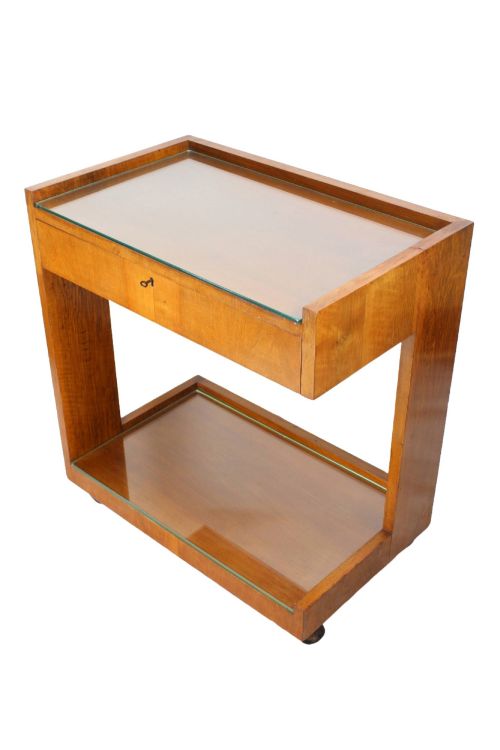
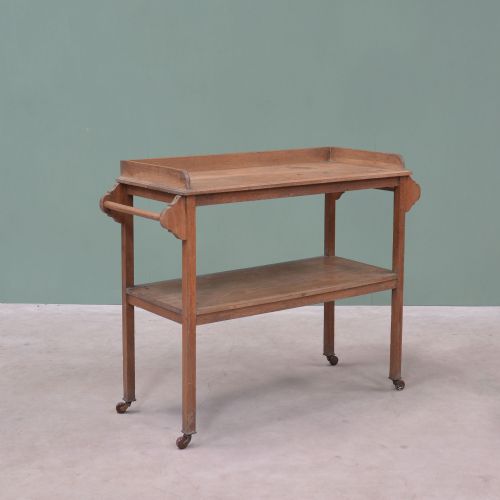
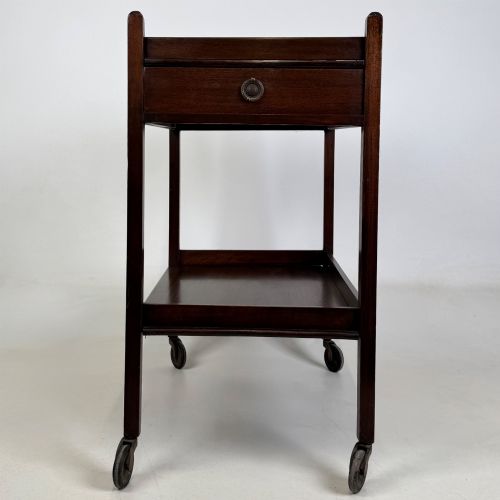
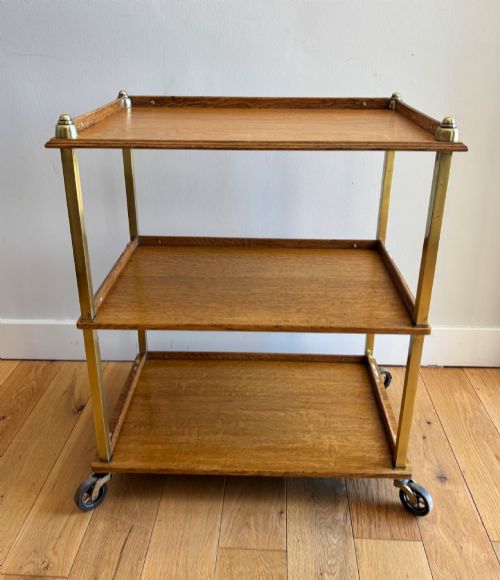
An antique tea trolley table combines the utility of a serving cart with the finish of a fine occasional piece. When searching this phrase, buyers encounter multi-tiered surfaces designed for transporting afternoon tea, drinks or cakes between rooms.
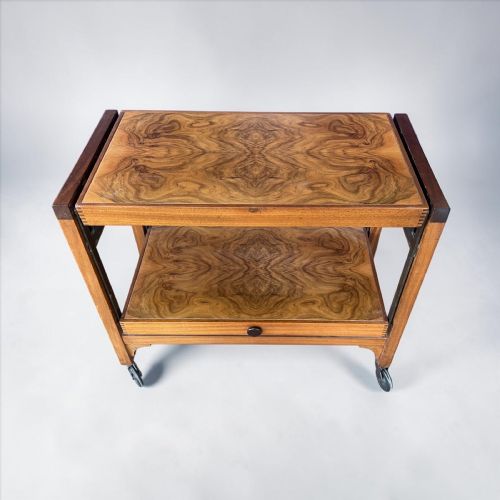
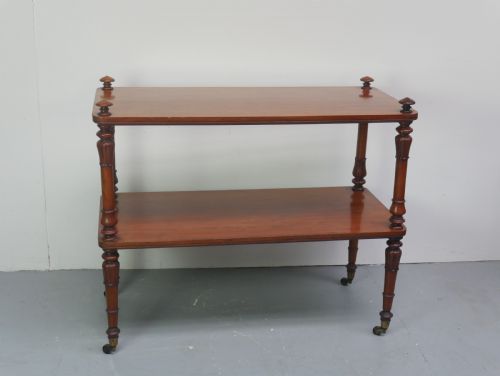
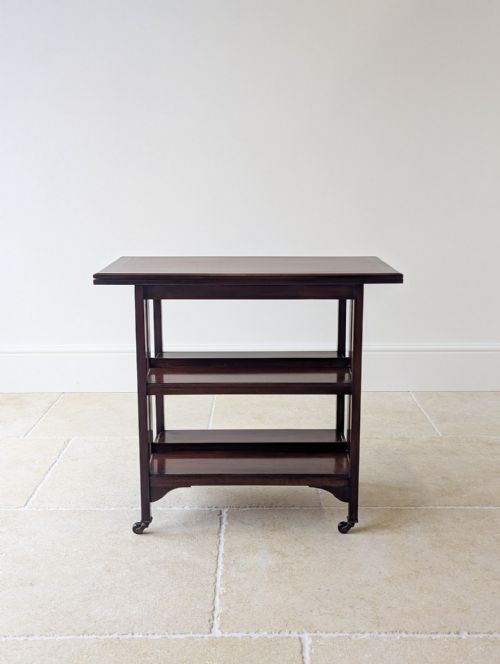
Heavier Victorian buffets and dumb waiters also appear within this category, alongside streamlined Art Deco walnut trolleys and occasional tables with lower bookshelf bases.
Materials and Construction
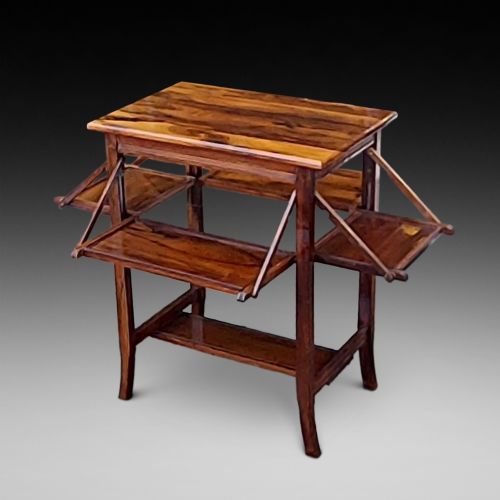
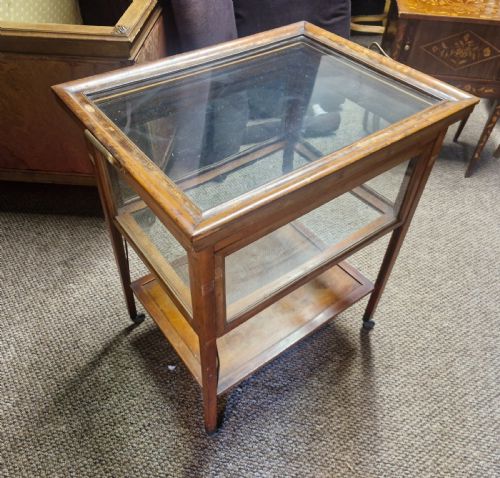
Cabinet makers utilised dense hardwoods including mahogany, oak, walnut and rosewood to build sturdy frames capable of bearing weight on the move. Inlaid details in satinwood or contrasting timbers frequently ornament Edwardian tops.
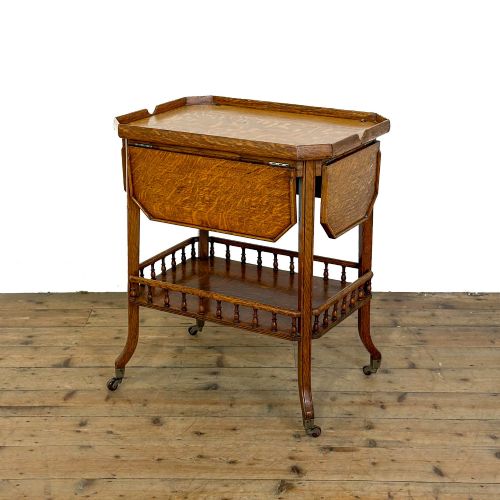
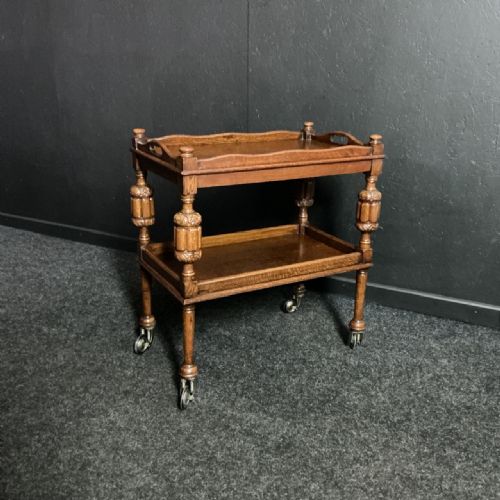
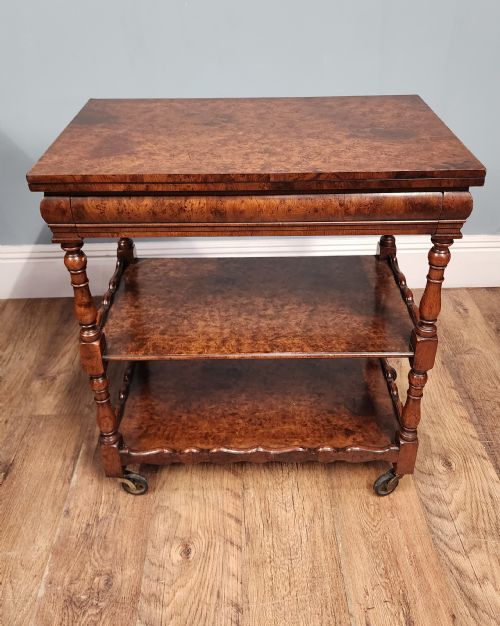
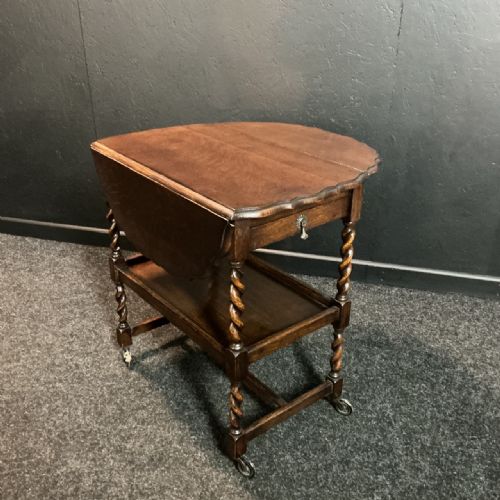
Functional hardware defines the construction, incorporating original cast iron or brass castors for mobility. Lift-off trays, drop leaves and barley twist supports demonstrate the practical joinery developed for domestic service.
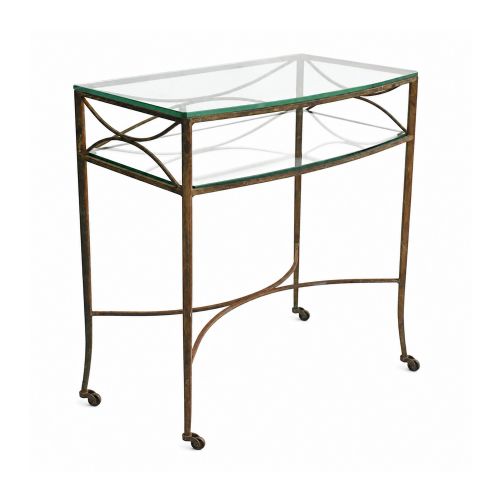
Listings feature oak and mahogany predominantly, alongside walnut, brass, glass and cast iron elements.
Judging Quality
Quality rests upon timber selection and the integrity of the moving elements, such as drop-leaf hinges and wheel mountings. Finely figured grain in burr walnut or mahogany distinguishes the superior examples from standard utility pieces.
The sophistication of the joinery and any inlaid decorative work separate standard production items from finer workshop pieces. Original castors and intact removable serving trays preserve the intended utility and add to the desirability.
Maison Baguès
The Antique Tea Trolley Table Glossary
- Drop leaf
- A table top with hinged side flaps that fold down to save space when not in use. These allow the trolley to function in tighter hallways or smaller drawing rooms.
- Castor
- A small wheel mounted on a swivel attached to the legs of furniture to enable rolling. Original metal or brass examples maintain the authenticity of the piece.
- Dumb waiter
- A tiered piece of furniture used for holding food or drink without the aid of servants. Victorian versions often include shelves or enclosed cabinet sections.
- Etagere
- A set of open shelves for displaying small objects or serving afternoon tea. These light tiered structures are typically fitted with small wheels for transport.
- Barley twist
- A type of turned wooden furniture leg resembling a twisted rope. This decorative carving appears frequently on early twentieth-century oak trolley supports.
Antique Tea Trolley Table: Frequently Asked Questions
How do I date an oak tea trolley?
Dating relies on stylistic clues, hardware and timber treatment visible across the piece. Edwardian and 1920s versions often display barley twist legs and simple oak frames.
Earlier Victorian iterations tend to be heavier mahogany buffets, while 1930s examples show cleaner Art Deco walnut lines.
Can these trolleys hold heavy items?
Most pieces were built by cabinet makers using solid hardwoods like oak and mahogany to support china, silver and glassware during transit.
Original castors and sturdy tier supports ensure the frames remain stable when loaded, though careful handling of antique joints is recommended.
How do I care for a wooden trolley table?
Protect the wood surface from moisture by using coasters or cloths under hot teapots and wet glassware. Feed the mahogany or oak with appropriate wax periodically to maintain the finish.
Check the castor fixings gently from time to time to ensure the wheels roll smoothly without straining the legs.