


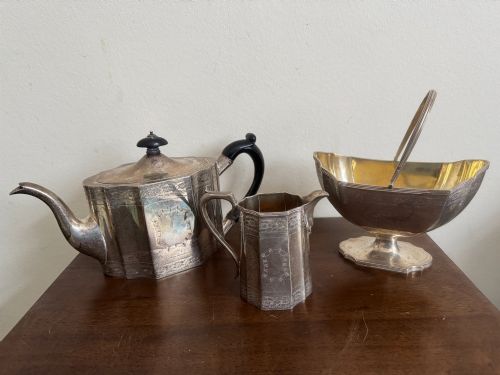


Antique Tea Service Jug
An antique tea service jug brings historic craftsmanship to the table, offering practical charm for serving cream or milk alongside hot infusions.
Antique Tea Service Jug
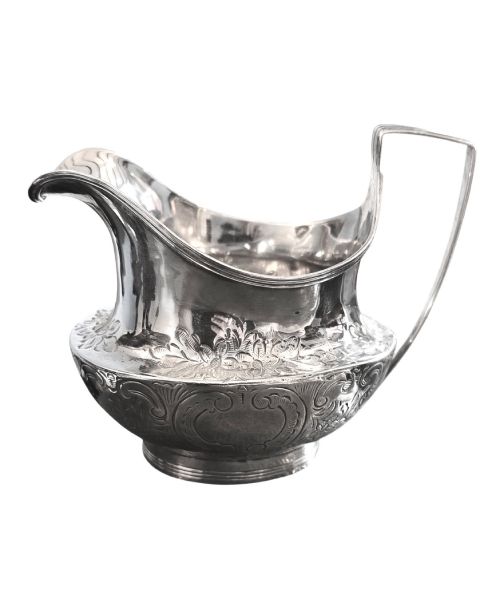
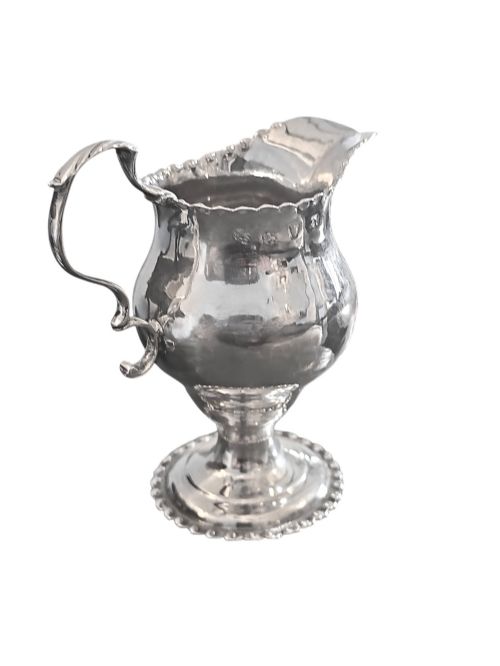
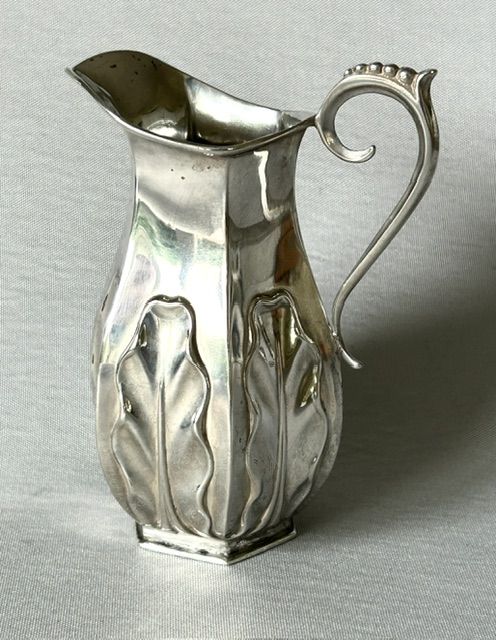
When searching for an antique tea service jug, buyers encounter various forms ranging from standalone creamers to components of larger tea sets and coffee services. These vessels span multiple eras, including Georgian, Victorian, and Edwardian periods.
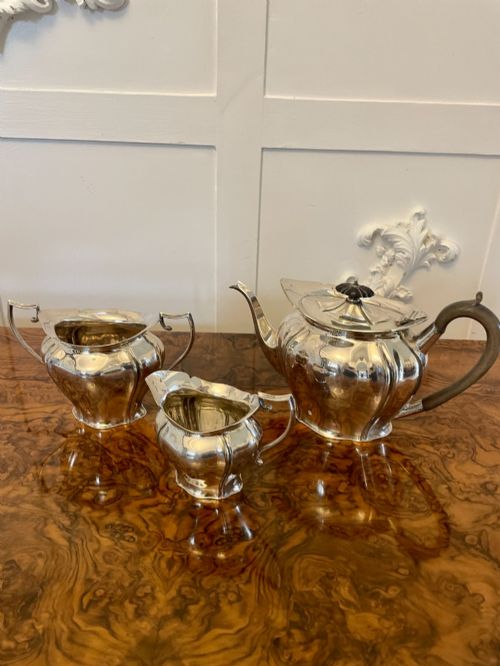
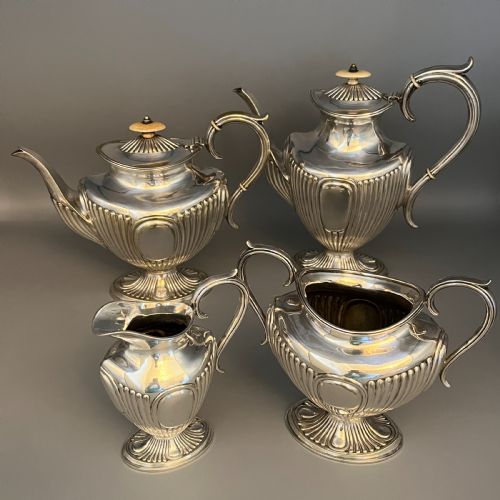
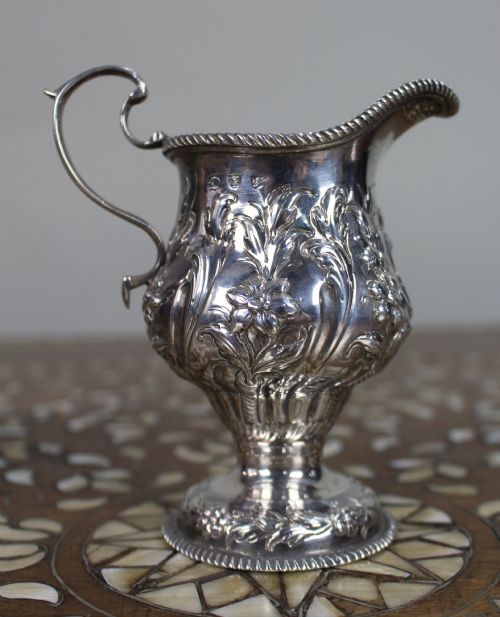
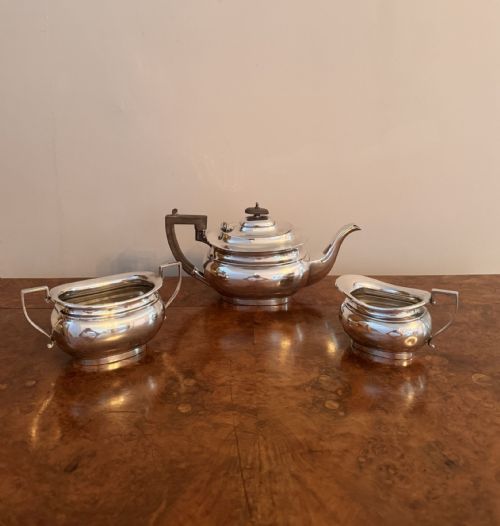
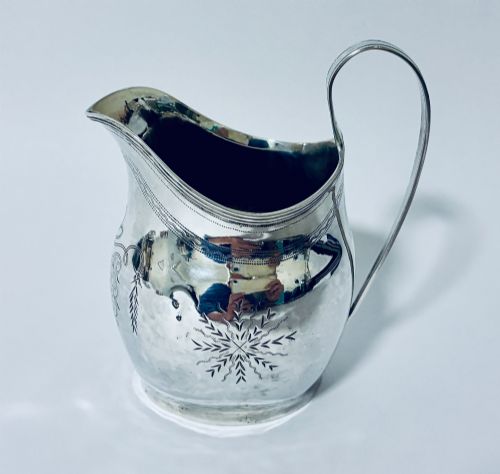
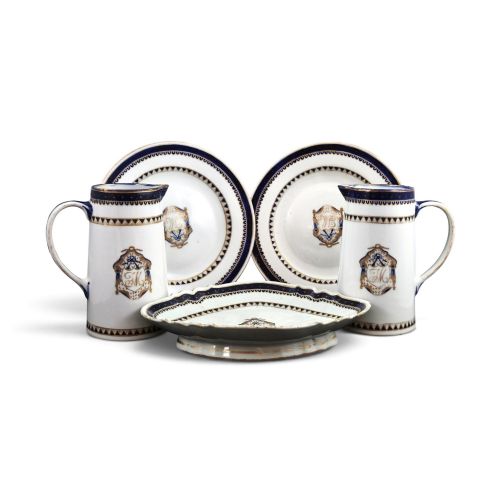
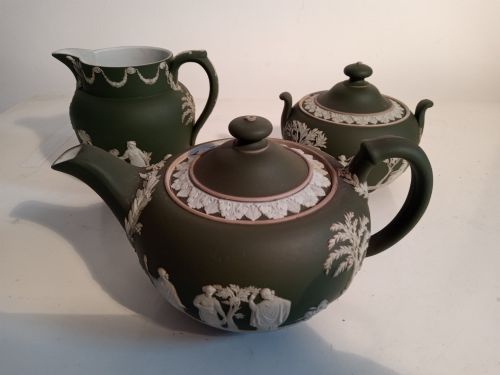
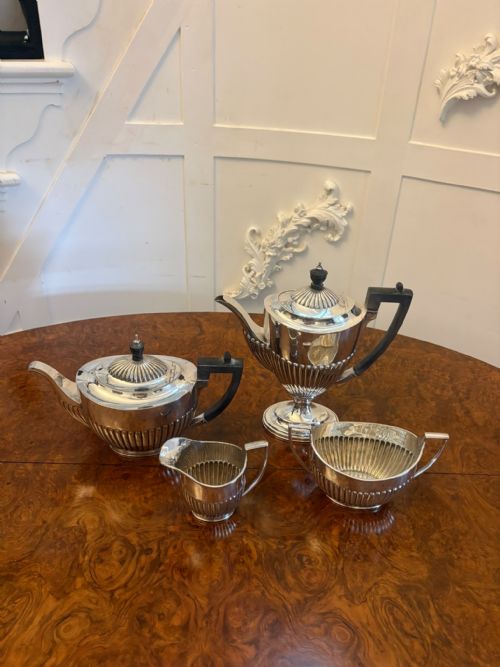
The most common examples on this page are silver plated Edwardian sets and sterling silver cream jugs from the eighteenth and nineteenth centuries. Alongside metal wares, porcelain tea sets from makers like Wedgwood and Minton appear frequently.
Many items function as part of a matched service, while others survive as individual cream jugs or milk jugs. Formations often include matching sugar bowls or spirit kettles to complete the ensemble.
Materials and construction methods
Metal vessels utilise sterling silver, Sheffield plate, or electroplated nickel silver over a base metal. Smiths shaped these materials through hammering, casting, and soldering, frequently adding applied handles and decorative borders.
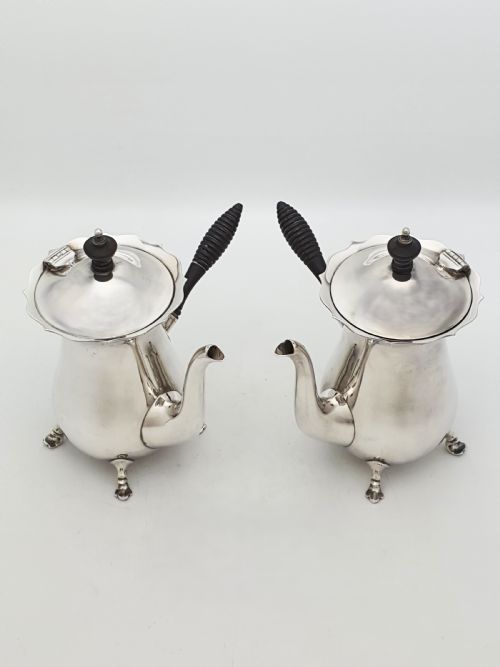
Ceramic examples employ porcelain bodies painted with enamels, gilt accents, and underglaze motifs such as Chinese Export designs or Kakiemon palettes. Wooden elements like ebony occasionally form insulated handle fittings on metal pots.
Surface decoration relies on techniques including chasing, engraving, embossing, and silver plating. Makers marked many pieces with hallmarks or registry numbers to indicate origin, metal purity, and date of production.
Antique Tea Service Jug Retail Price Guide 2026
Typical asking prices for tea service jug among the pieces listed under this phrase on Sellingantiques today, from the lower quarter to the upper quarter. They describe what is for sale here now, not the wider market.
Distinguishing quality in production and design
Quality separates through the crispness of chased decoration, the weight of the silver or porcelain body, and the balance of the handle and spout. Superior pieces exhibit precise hand-engraving and well-proportioned pedestal bases rather than pressed mass production.
Maker reputation heavily influences distinction, with workshops like Walker and Hall, Joseph Rodgers, or silversmiths such as Peter and Ann Bateman achieving notable execution. The integrity of silver plating and the preservation of original gilding also determine the standard of surviving wares.
Joseph Rodgers and Sons·Walker and Hall·John Emes·Peter and Ann Bateman·Mappin and Webb
The Antique Tea Service Jug Glossary
- Sterling silver
- An alloy containing ninety-two point five percent silver by mass, widely utilised for British domestic silverware. It carries official hallmarks indicating the assay office and year of testing.
- Silver plate
- A layer of silver fused or electroplated onto a base metal such as copper, nickel, or brass. This method provided an accessible alternative to solid silver for tea services.
- Cream jug
- A small pitcher designed specifically for holding cream to add to tea or coffee. They appear both individually and as part of larger matching tea sets.
- Sheffield plate
- An early form of plate created by fusing a sheet of silver to a copper ingot before rolling them together. It predates modern electroplating techniques.
- Porcelain
- A ceramic material made by heating raw components including clay to high temperatures. It forms the translucent bodies of antique teaware services.
Antique Tea Service Jug: Frequently Asked Questions
How do I clean an antique silver jug?
Clean silver items using a soft cloth and a specialised silver polish formulated to remove tarnish without scratching the metal surface. Avoid harsh chemical dips that strip away desirable patination.
Wash porcelain teaware gently in warm soapy water using a soft sponge rather than placing delicate historical pieces in a dishwasher. Dry thoroughly with a lint-free cloth to prevent water spots.
Can I use these jugs daily?
Many solid silver and sturdy silver plated jugs remain entirely functional for serving cream or milk during meals. Care should be taken with thin antique porcelain and older silver plating to avoid unnecessary wear.
Hand washing is essential for preserving the finish of both metal and ceramic items. Storing them safely away from direct heat sources protects any wooden handle inserts and applied resins.
What is the difference between a cream jug and a milk jug?
Cream jugs are traditionally smaller vessels intended to hold rich cream for individual cups of tea or coffee. They often feature narrower spouts for controlled pouring.
Milk jugs generally possess a larger capacity to hold standard milk for multiple guests or larger gatherings. Both forms frequently accompany sugar bowls within standard tea services.