



Antique Tea Pot Set
An antique tea pot set brings the ceremony of the table into daily life through silver plate, porcelain and sterling silver.
Antique Tea Pot Set
An antique tea pot set comprises matching vessels for serving tea and coffee, frequently accompanied by sugar bowls and cream jugs. Buyers searching for an antique tea pot set will encounter multi-piece services predominantly from the Edwardian period and the nineteenth century.
The configurations range from compact three-piece silver plated settings to substantial five-piece sterling silver and porcelain services. Tea and coffee services on this page span Georgian eras through to mid-century designs, with Edwardian silver plate appearing most frequently.
Materials and Construction
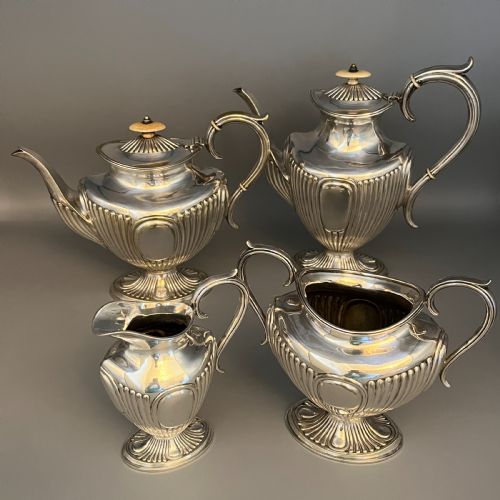
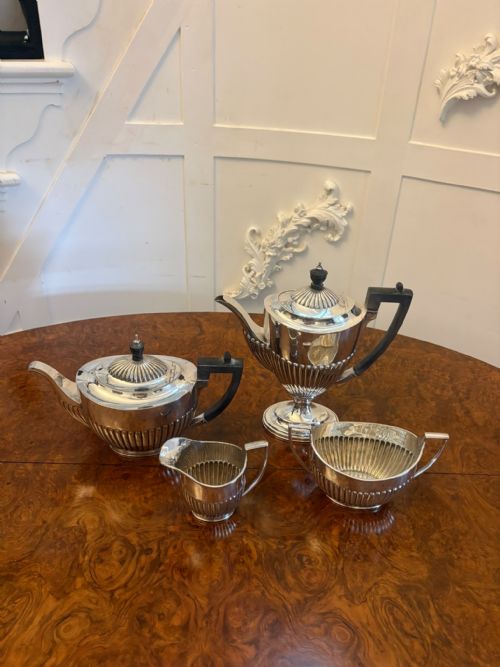
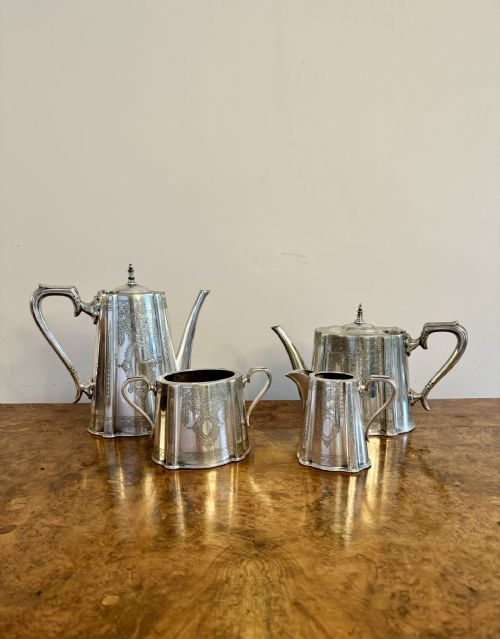
Silversmiths constructed metal sets using sterling silver or silver plate over base metals, often incorporating ebonised wood handles and finials for thermal insulation. Many pieces utilise traditional hallmarking to record the assay office, standard and date.
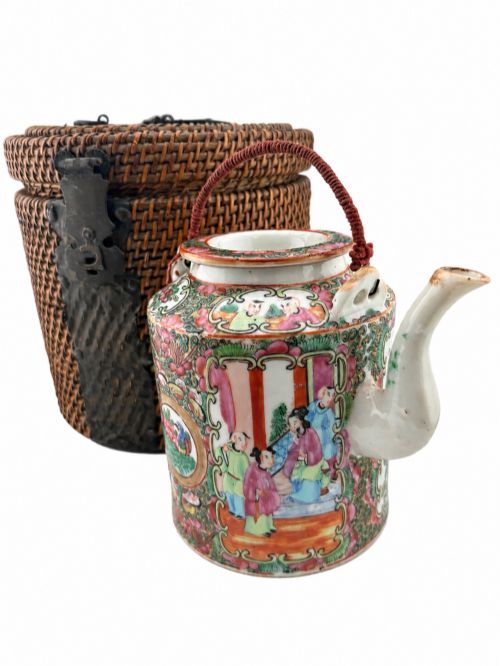
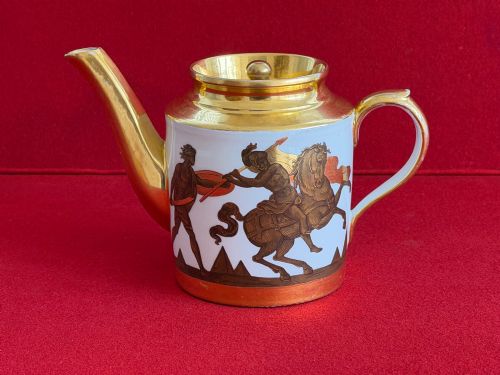
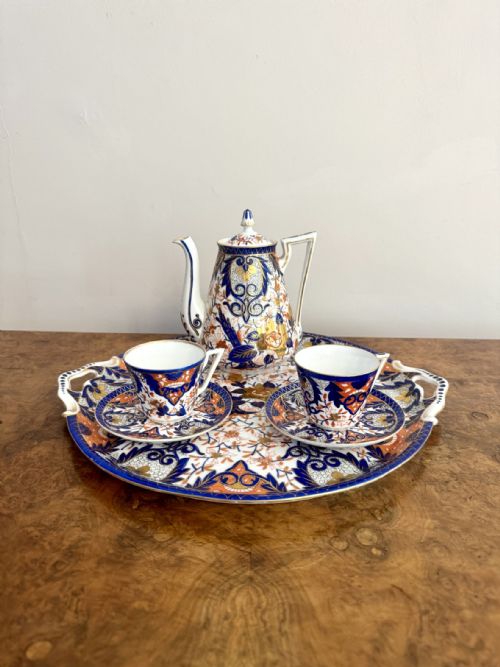
Ceramic services employ porcelain bodies finished with handpainted decoration, gilding, cloisonné enamel or transfer printing. Manufacturers shaped these wares using specialised moulding and throwing techniques before high-temperature firing.
Antique Tea Pot Set Retail Price Guide 2026
Typical asking prices for tea pot set among the pieces listed under this phrase on Sellingantiques today, from the lower quarter to the upper quarter. They describe what is for sale here now, not the wider market.
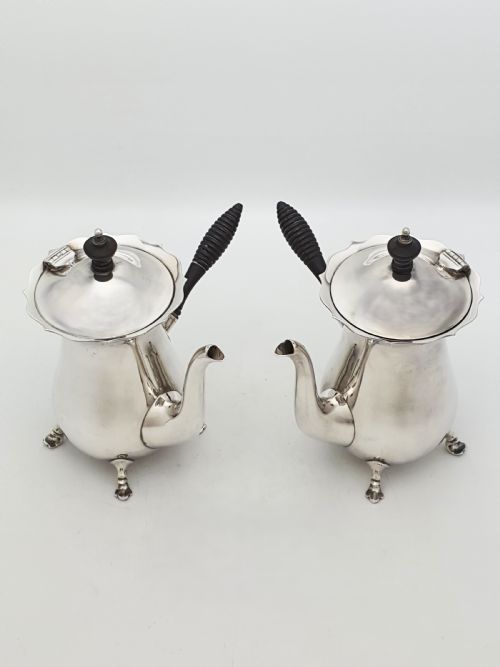
A miniature chocolate pot set exists alongside full-sized services for those pouring beverages on a diminutive scale.
The Distinction in Manufacture
Quality rests upon the weight of the metal and the crispness of the chased or embossed ornamentation applied by the silversmith. Superior sets display balanced proportions across every component, from the spout to the handle attachment.
In porcelain services, the refinement of the paste, the precision of the handpainting and the integrity of the gilding determine the grade. Complete sets surviving in their original fitted cases represent the upper tier of the range.
Walker and Hall·Joseph Craddock·Ahrenfeldt and Asalvary·Paul Storr·Harry Atkin
The Antique Tea Pot Set Glossary
- Silver Plate
- A thin layer of silver fused or electroplated onto a base metal such as copper or Britannia metal. This technique allowed makers to produce domestic wares of substantial appearance at a lower cost than solid silver.
- Sterling Silver
- An alloy consisting of ninety-two point five percent silver and seven point five percent other metals, typically copper. This standard has served as the legal benchmark for British silver quality for centuries.
- Coffee Biggin
- A tall coffee pot fitted with an internal fabric or metal filter container through which water poured. These vessels often stood upon dedicated metal stands equipped with spirit burners.
- Cloisonné
- An ancient decorative technique where metal wire soldered to a metal body creates enclosed cells filled with enamel paste. The piece undergoes firing and polishing to achieve a smooth coloured surface.
- Gilding
- The application of a thin layer of gold or gold leaf to the surface of porcelain or metal objects. This finish accentuates moulded details and rims on ceramic tea services.
Antique Tea Pot Set: Frequently Asked Questions
What pieces comprise a standard set?
A standard set generally includes a tea pot, a hot water or coffee pot, a milk jug and a sugar basin. Larger services may expand to include five or more matched components.
Some configurations also incorporate matching trays or tea strainers designed in the same material and decorative style.
How do I care for silver plated sets?
Silver plated items require gentle cleaning with specialised silver cream and soft cloths to preserve the underlying metal. Avoid abrasive pads and harsh chemical dips that strip the plating.
Store the pieces in dry conditions away from direct sunlight and atmospheric pollutants to minimise tarnishing.
Can I use these sets for serving?
Most metal and porcelain sets remain fully functional for serving hot beverages if handled with care. Thermal shock should be avoided by warming ceramic pots gradually before adding boiling water.
Silver plated interiors require thorough washing and drying after use to prevent staining from tannin.
How do I identify the period?
Metal services rely on stamped hallmarks, maker marks and registration numbers to establish exact dates of manufacture. Stylistic indicators such as Neoclassical lines or Edwardian rococo revival motifs also signal the era.
Porcelain sets often bear factory backstamps or painted monograms on the underside of the base to denote their origin.