


Antique Taxidermy Frame
These antique taxidermy frame pieces bring preserved specimens and natural history directly to the wall in wood and glass.
Antique Taxidermy Frame
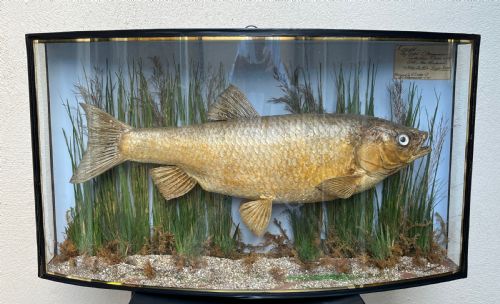
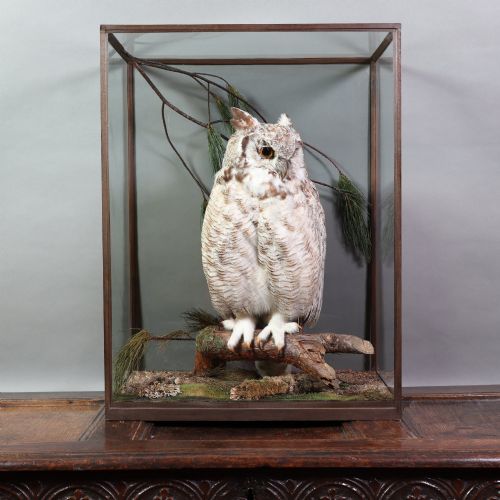
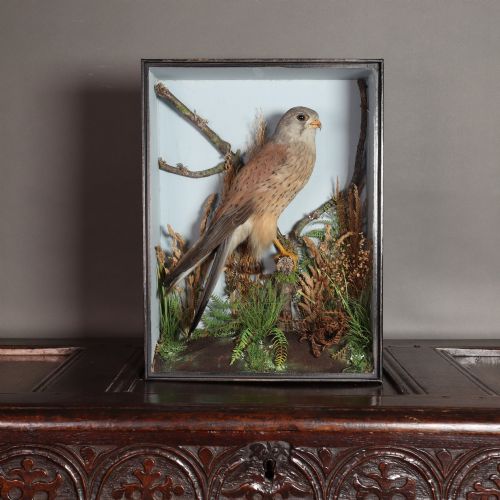
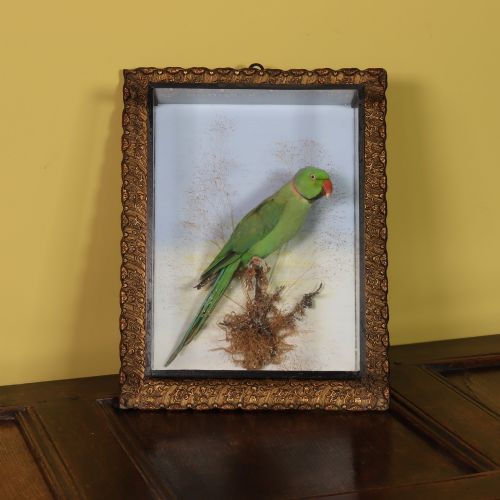
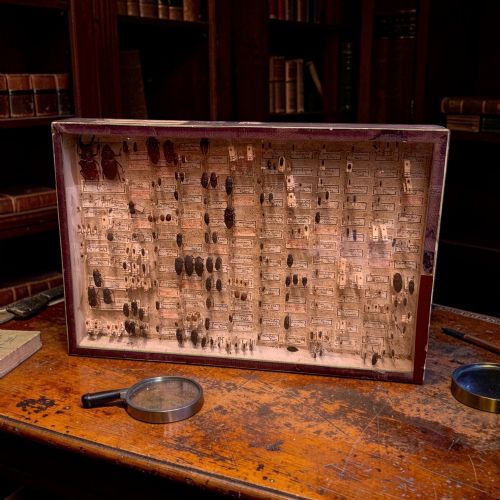
An antique taxidermy frame encompasses wall displays, picture frame cases, and specimen display boxes holding birds, insects, and feathers. Buyers searching for an antique taxidermy frame encounter Victorian natural history pieces alongside early 20th-century dioramas.
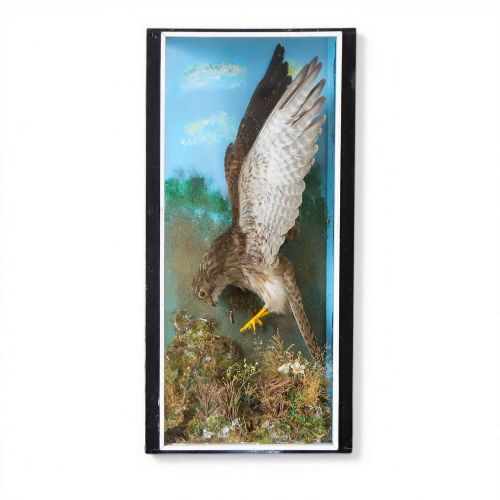
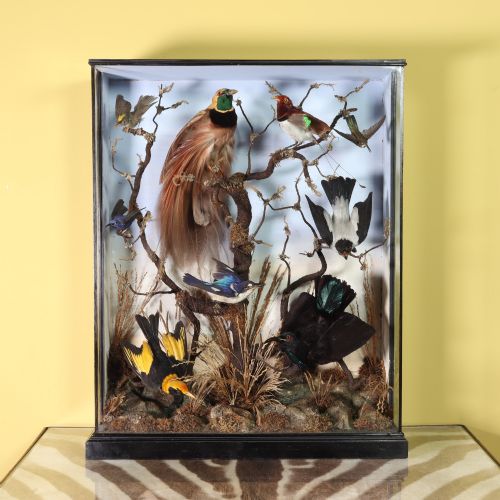
The selections span small single-bird enclosures to large multi-species arrangements, frequently featuring painted scenic backdrops behind the specimens. Many examples originate from the Victorian and Edwardian eras, combining scientific curiosity with home decor.
How they were made
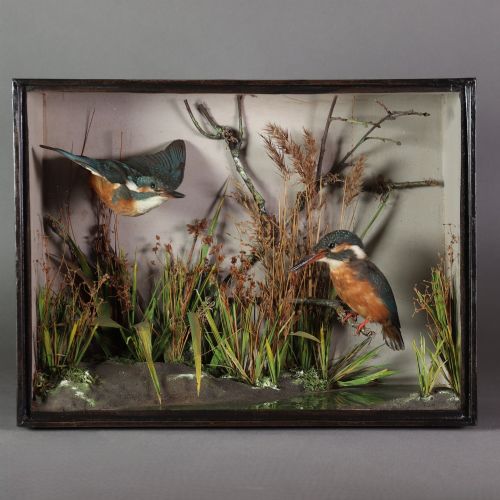
Makers constructed these enclosures using wood for the outer framing and glass to protect the delicate contents within. Dried reeds, moss, gravel, and painted backgrounds created simulated natural habitats inside the cases.
Preservation techniques kept birds like owls, kingfishers, and jays intact over decades. Paper labels and inscriptions often identified the maker or the species mounted inside.
Materials across these listings include glass, wood, paper, feathers, taxidermy specimens, dried reeds, gravel, and moss.
What varies in quality
The artistry of the taxidermy work and the complexity of the composition determine the standing of each piece. Naturalistic posing of specimens against detailed painted backdrops distinguishes finer examples from simpler mounts.
The construction of the wooden case and the clarity of the original glass contribute to the overall preservation. Signed work by known practitioners elevates the stature of a display.
Little & Co·Rowland Ward Ltd·T. E. Gunn·William Bazeley & Sons·Hutchings of Aberystwyth·Rowland Green
The Antique Taxidermy Frame Glossary
- Taxidermy display case
- A glass-fronted wooden box designed to protect and exhibit preserved animals or birds. These enclosures kept dust away from delicate feathers and specimens.
- Diorama
- A three-dimensional scene depicting animals in a simulated natural habitat. These arrangements often included painted backgrounds, moss, and dried reeds.
- Entomology case
- A specialised shallow box used for mounting and displaying insect specimens such as butterflies. Such frames organised scientific collections for study and display.
- Picture frame case
- A shallow wooden wall frame adapted to hold a mounted bird or feathers under glass. This format allowed natural history specimens to hang like traditional artwork.
- Natural history
- The scientific study of animals and plants that influenced Victorian decorative displays. Collectors arranged specimens in domestic settings to reflect academic interests.
Antique Taxidermy Frame: Frequently Asked Questions
How do I hang a taxidermy case?
Most wooden frames and display boxes feature sturdy hanging brackets attached to the back for secure wall placement. Ensure the wall fixings match the weight of the glass and wood construction.
Position the display away from direct sunlight and moisture to protect the preserved feathers, paper components, and taxidermy specimens inside.
How do I clean the glass?
Use a soft cloth and a mild glass cleaner applied directly to the cloth rather than the frame. This prevents liquid from seeping past the wooden joints and damaging the interior.
Take care not to press too hard on older glass panes, which may be fragile or loose within their historic rebates.
Are these birds ethically sourced?
These historical specimens reflect 19th-century and early 20th-century collecting practices when natural history specimen gathering was common. They represent antiques from past eras rather than contemporary trade.
Collectors preserve these historical objects today as artefacts of Victorian and Edwardian scientific and decorative culture.
How do I date a taxidermy frame?
Examine the construction of the wooden frame, the type of glass, and any handwritten paper labels on the back. Victorian pieces frequently employ heavier mouldings and distinct joinery compared to later 20th-century examples.
Known maker signatures or trade labels pasted inside the case provide the most reliable indication of origin and date.