

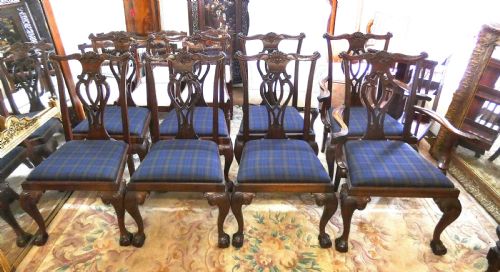
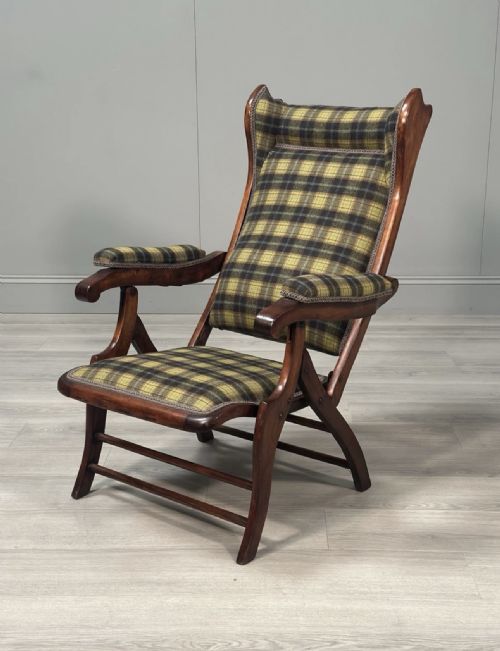


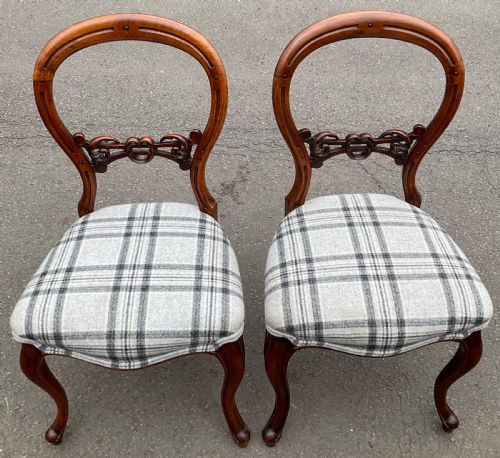


Antique Tartan Chair
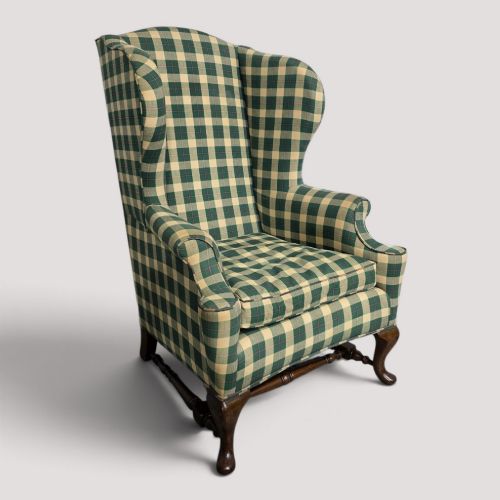
An antique tartan chair brings warmth and distinct pattern to a room, offering both robust timber framing and characterful textile upholstery.
Antique Tartan Chair
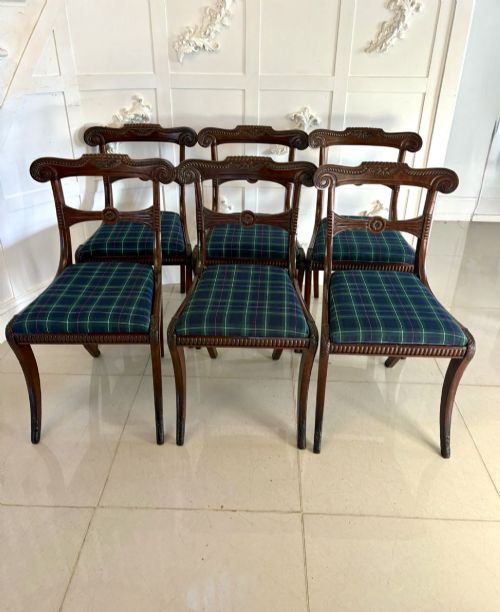
The assortment on this page includes robust dining sets, occasional chairs, and substantial armchairs originating from the Victorian, Edwardian, and Georgian eras. Buyers are most likely to meet mahogany or walnut frames paired with textile upholstery, reflecting the styles of distinct past decades.
How they were made
Timbers such as mahogany, walnut, and oak form the structural frames of these pieces, shaped through traditional woodworking techniques. Artisans utilised brass and cane details alongside carved wooden elements to finish each piece.
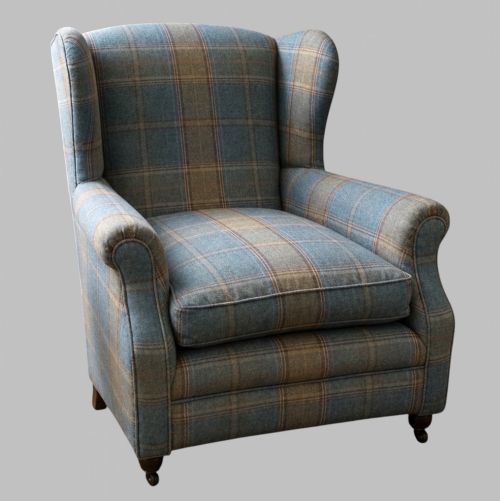
Upholstery involves textile and wool fabrics applied to the seat and back structures, sometimes paired with castors for mobility. The combination of solid wood frames and durable cloth creates functional seating designed for daily use.
Antique Tartan Chair Retail Price Guide 2026
Typical asking prices for tartan chair among the pieces listed under this phrase on Sellingantiques today, from the lower quarter to the upper quarter. They describe what is for sale here now, not the wider market.
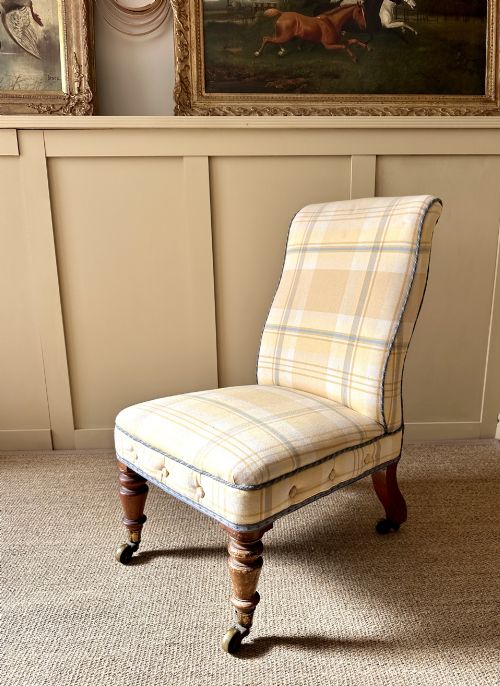
Some chairs roll into action on brass castors, ready to slide across the floor at a moment's notice.
What varies in quality
Quality in these pieces depends on the crispness of the timber carving and the structural integrity of the frame joints. Finer examples display superior wood selection and balanced proportions across the arms and legs.
The execution of the upholstery work and the durability of the textile materials also differentiate standard pieces from finer specimens. Timber choice, from pitch pine to figured mahogany, dictates the overall character and finish.
The Antique Tartan Chair Glossary
- Carver armchair
- A dining chair with arms, typically placed at the head of a dining table. These pieces provide additional support compared to standard side chairs.
- Bergère
- An enclosed armchair with upholstered back and sides, often featuring exposed wooden frames. This French form offers a comfortable seat with a lower profile.
- Wing armchair
- A high-backed seat featuring side panels designed to shield the sitter from drafts. These substantial chairs often stand on cabriole or turned legs.
- Castor
- A small wheel attached to the legs of furniture to allow easy movement across floor surfaces. They appear on various nineteenth-century seating forms.
- Giltwood
- Timber coated with a thin layer of gold leaf or gilt powder for decorative effect. This finish is frequently found on revival throne armchairs.
Antique Tartan Chair: Frequently Asked Questions
What periods do these chairs date from?
The pieces span the nineteenth and early twentieth centuries, including Victorian, Edwardian, and Georgian eras.
Each period brings distinct stylistic traits and timber choices to the seating forms.
Which woods were commonly used?
Cabinetmakers utilised sturdy timbers such as mahogany, walnut, oak, and pitch pine for the frames.
These materials provided the structural strength required for dining chairs and large armchairs.
How are these chairs used in a modern room?
Dining chairs serve around a table, while larger armchairs function as reading or fireside seats.
Their varied forms allow them to fit into both traditional and contemporary interiors.
What textile types appear on the seating?
Upholstery materials include wool, general textile fabric, and occasional newly recovered elements.
These coverings add texture and colour to the exposed wooden frames.