

Antique Tambour Furniture
Antique tambour furniture brings sliding slatted closures to desks, cabinets and filing units, offering neat concealment and rich timber character.
Antique Tambour Furniture
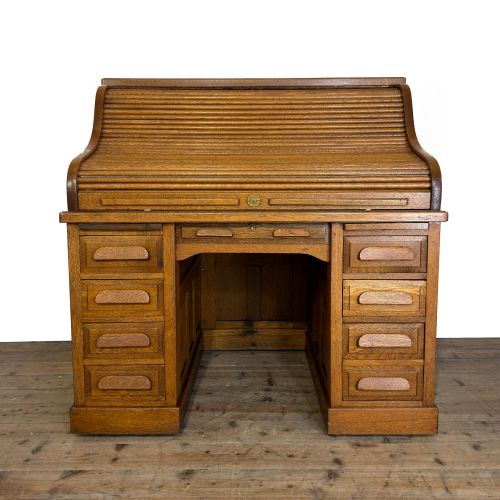
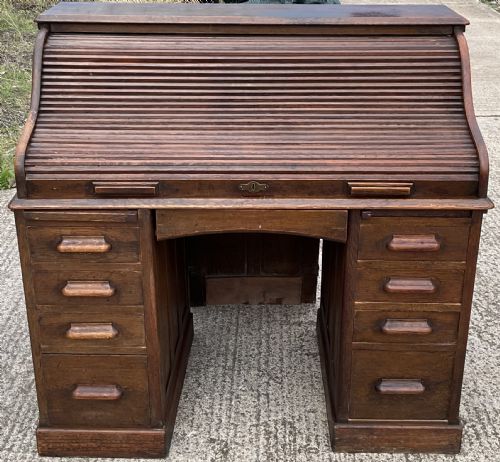
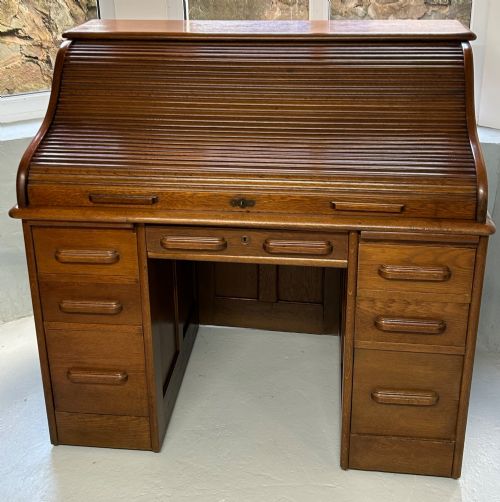
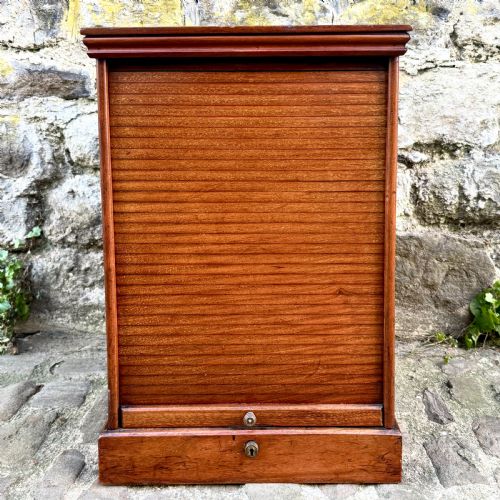
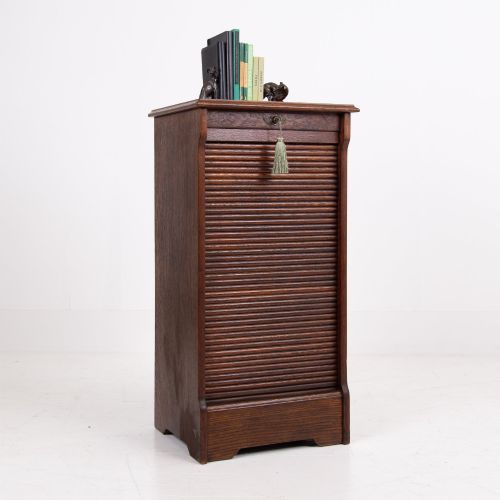
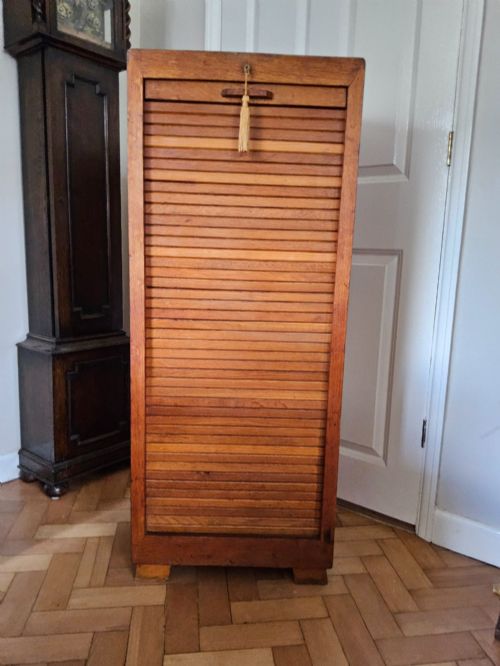
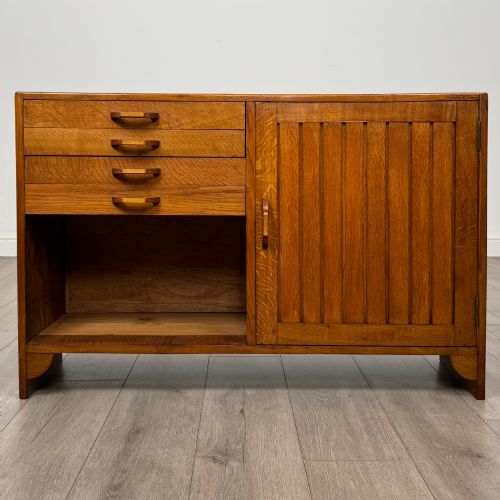
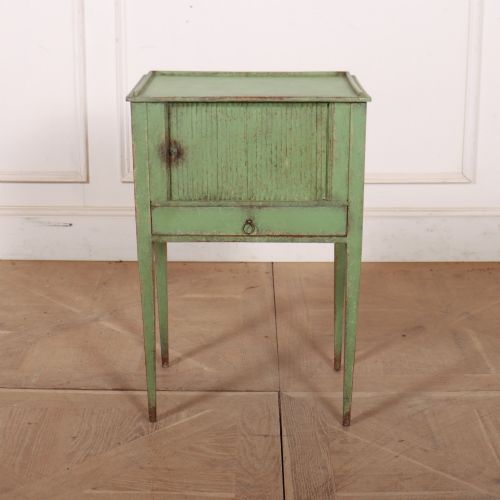
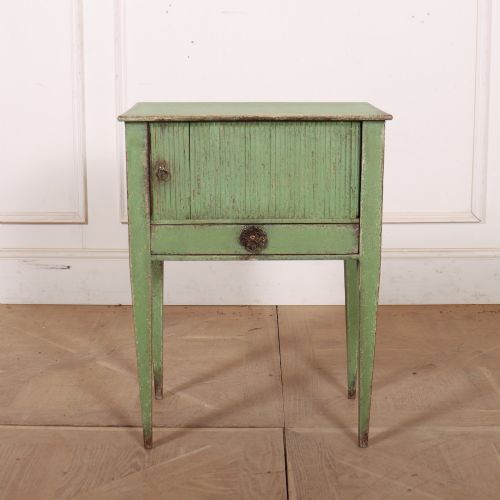
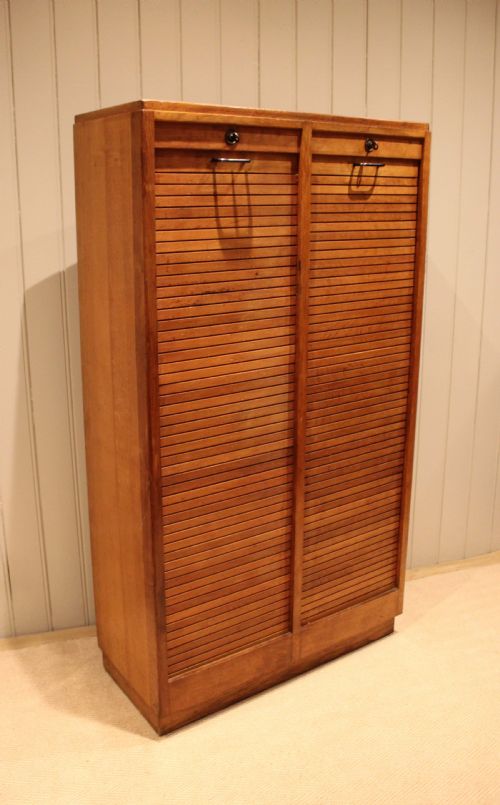
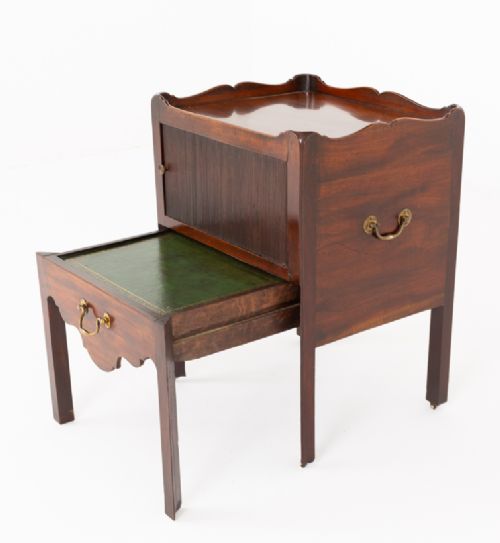
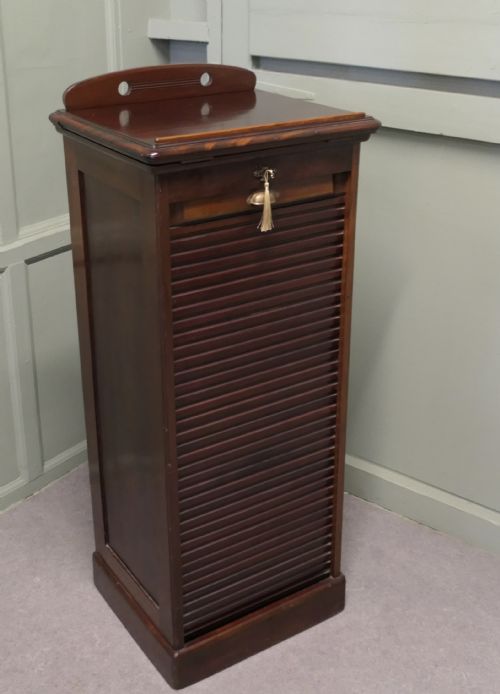
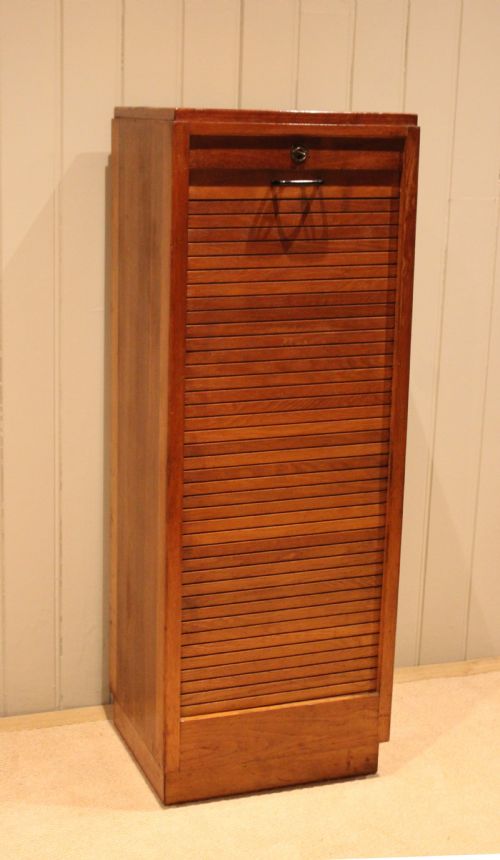
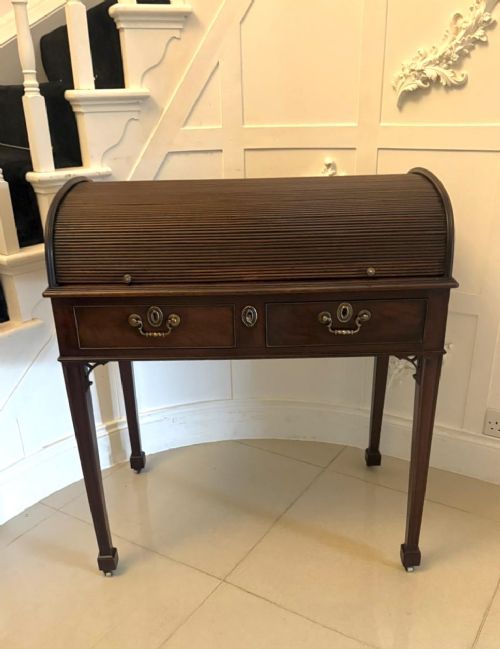
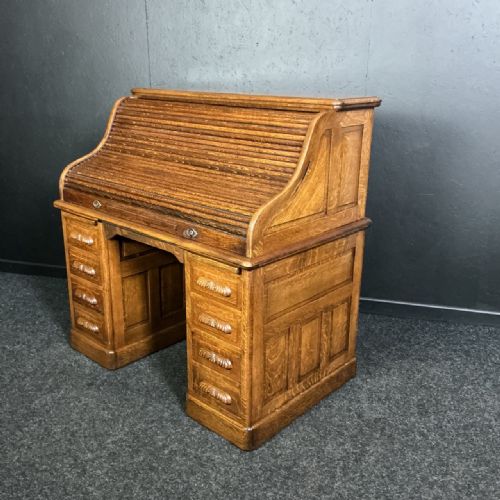
When you search for antique tambour furniture, you encounter pieces designed to hide contents behind flexible slatted shutters rather than standard hinged doors. The selection ranges from compact Georgian nightstands and tray-top commodes to expansive Edwardian and walnut roll-top desks, alongside sturdy oak office filing cabinets from the early twentieth century.
The material palette relies heavily on mahogany, oak and walnut, occasionally enriched with satinwood, rosewood, camphor or Dutch floral marquetry. Dating stretches from the eighteenth century through the Victorian era into Edwardian and Art Deco workshops.
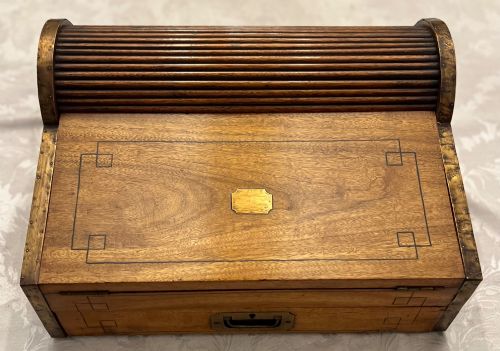
Desks and writing boxes dominate the domestic offerings, while vertical filing units represent the commercial workspace evolution of the 1930s. Regional variations include Dutch provincial cupboards and Anglo-Indian campaign pieces, giving buyers diverse structural formats.
Materials and Construction Techniques
Makers constructed tambour shutters by gluing individual narrow slats of timber, such as mahogany, oak or walnut, onto a stout linen or canvas backing. This flexible membrane slides smoothly within carefully routed interior tracks cut into the cabinet carcase.
Primary timbers like figured mahogany and quarter-sawn oak often receive secondary linings of lesser woods, while brass hardware secures internal fittings and drawers. Marquetry and satinwood banding adorn elite Georgian and Dutch neoclassical examples, contrasting with the utilitarian metal pulls on later office furniture.
Antique Tambour Furniture Retail Price Guide 2026
Typical asking prices for tambour furniture among the pieces listed under this phrase on Sellingantiques today, from the lower quarter to the upper quarter. They describe what is for sale here now, not the wider market.
Listings feature woods like mahogany, oak, walnut, satinwood, rosewood, brass and leather across Georgian, Victorian and Edwardian periods.
Markers of Quality
Superior quality rests upon the seamless operation of the slatted shutter along its curved groove, requiring precision woodworking that prevents binding or sagging over time. Finely fitted internal pigeonholes, secret compartments and smooth-running writing slides separate bespoke Georgian desks from standard production pieces.
The selection of timber grain, particularly matched mahogany veneers or intricate marquetry inlay, defines the upper tier of domestic cabinets. Robust carcase construction and intact canvas backings ensure that structural integrity survives decades of daily sliding action.
Maples of London and Paris·James Shoolbred and Co
The Antique Tambour Furniture Glossary
- Tambour
- A flexible shutter made from narrow strips of wood glued to canvas, allowing it to slide around a curved track. This clever mechanism conceals desk compartments or cabinet interiors without requiring clearance for swinging doors.
- Roll Top Desk
- A large writing desk featuring a tambour cylinder that pulls down to cover the entire desk surface and pigeonholes. These desks became staples of Edwardian and early twentieth-century offices.
- Commode
- A decorative cabinet or chest of drawers, often featuring a tambour front or tray top in Georgian designs. They served various bedside and reception room functions.
- Marquetry
- The art of applying decorative pieces of veneer to a structure to form intricate floral or geometric patterns. Dutch makers frequently utilised this technique on mahogany furniture.
- Bonheur Du Jour
- A light lady's writing desk featuring small drawers, shelves and sometimes a tambour enclosure. These elegant pieces emerged during the eighteenth century.
Antique Tambour Furniture: Frequently Asked Questions
How do tambour doors operate?
Tambour doors consist of narrow wooden slats attached to a flexible canvas backing that runs in recessed grooves. This allows the curtain to bend around corners and slide completely out of sight.
Keeping the tracks clean and free from dust ensures the mechanism continues to glide smoothly without catching.
Where were tambour cabinets used?
These pieces served in both domestic and professional settings, from Georgian bedrooms as nightstands to Edwardian offices as massive roll-top desks. Filing cabinets with tambour fronts later organised correspondence in twentieth-century commercial spaces.
Their space-saving design made them ideal for rooms where swinging doors proved impractical.
How do I care for tambour furniture?
Protect the wood with traditional wax polish and avoid placing pieces in overly dry or humid environments that might warp the slats. Gentle cleaning of the tracks prevents grit from jamming the sliding mechanism.
Regular use keeps the canvas backing supple and aligned within the cabinet channels.
What periods do these pieces date from?
The listings span from the eighteenth century through the Georgian and Victorian eras into Edwardian times and the 1930s. Earlier examples showcase fine mahogany and marquetry, while later pieces focus on oak office filing systems.
Stylistic shifts reflect changing workplace needs and domestic tastes across these centuries.