
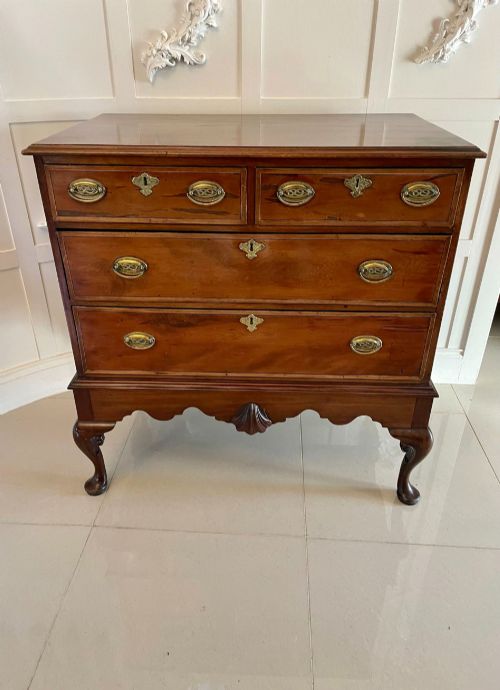
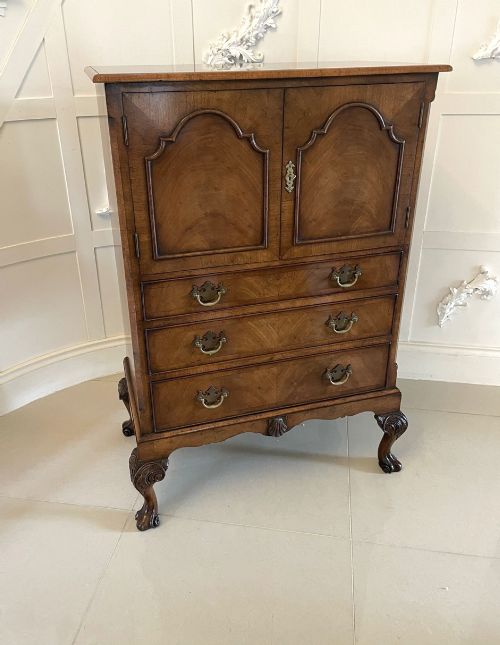

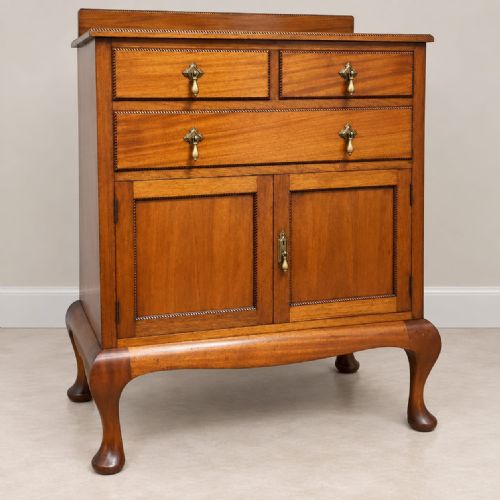
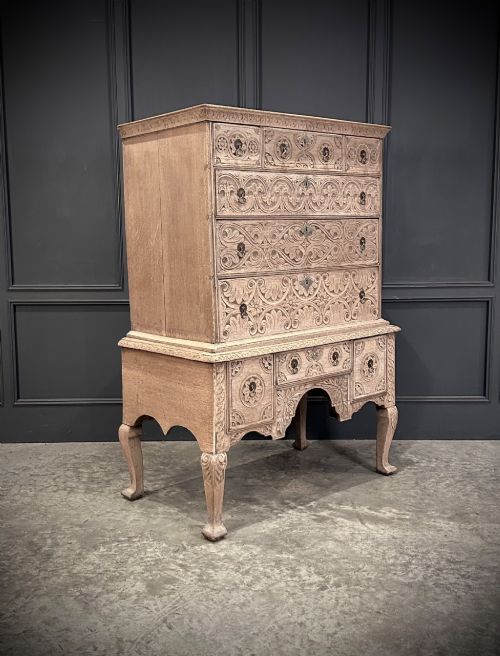
Antique Tallboy Chest Stand
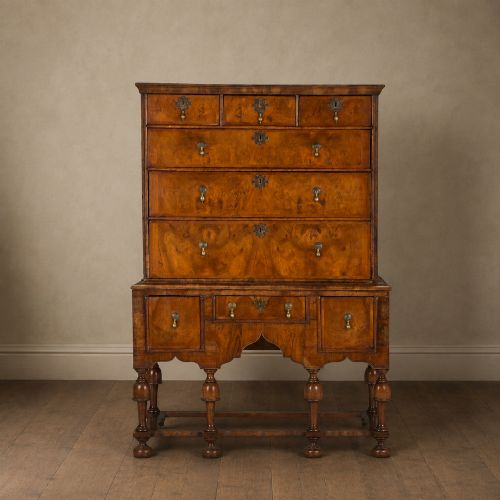
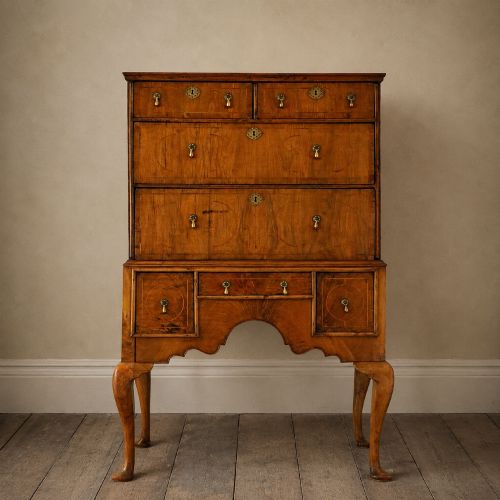
An antique tallboy chest stand combines elevated storage with exceptional timber figuring, offering serious presence for any room.
Antique Tallboy Chest Stand
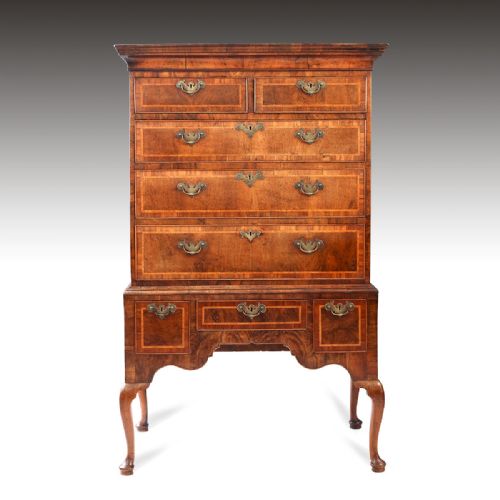
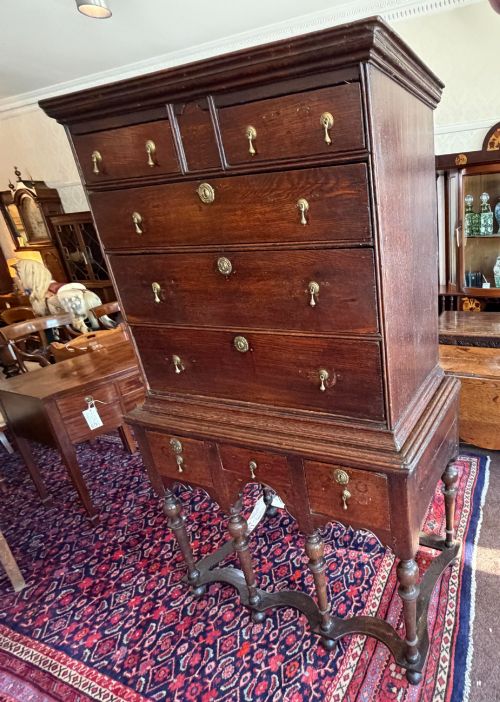
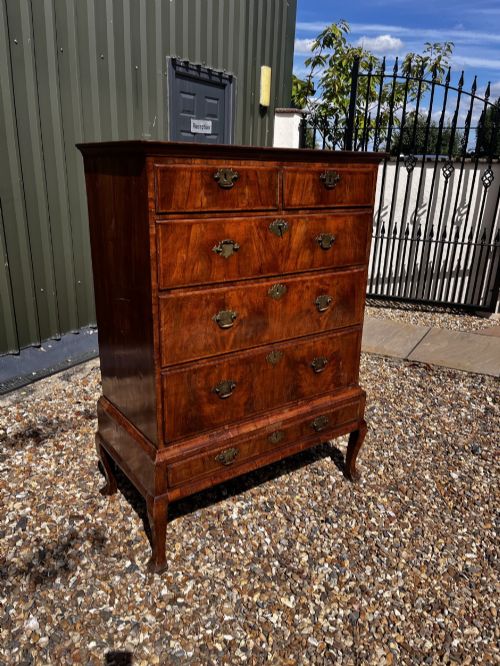
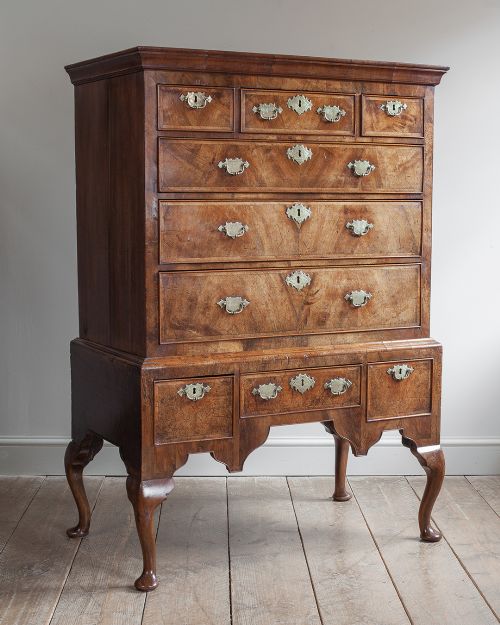
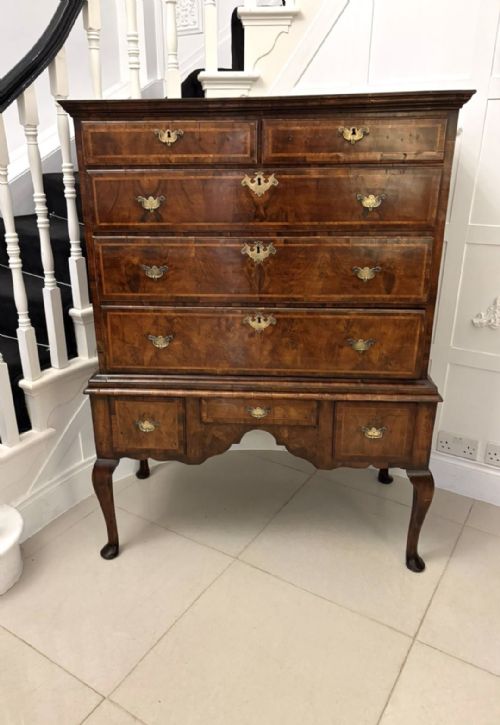
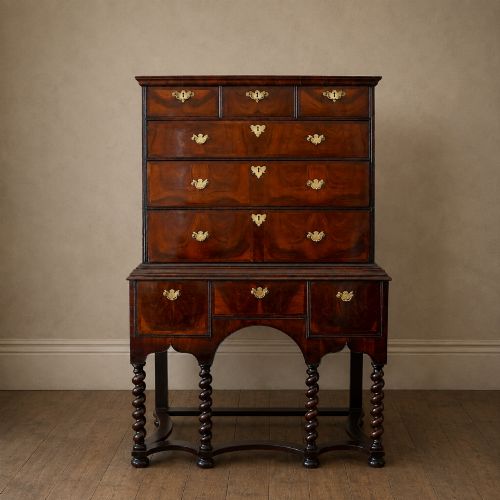
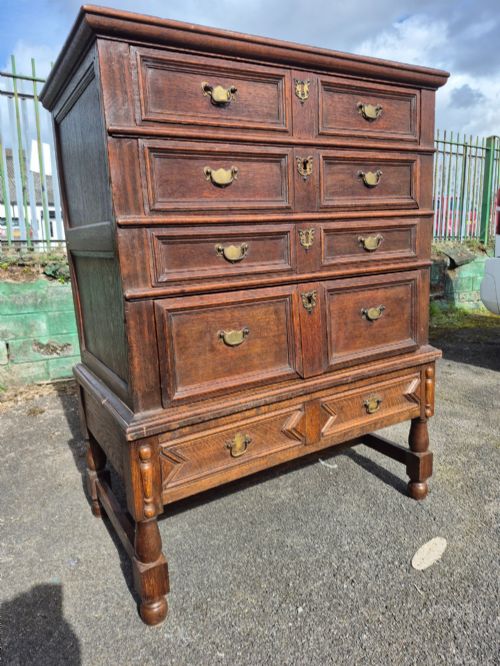
The antique tallboy chest stand brings together a compartmentalised upper storage section raised upon a lower leg framework, dividing mass to create a lighter footprint on the floor. Buyers searching this phrase most frequently encounter walnut and oak examples spanning the late seventeenth century through the Georgian era, alongside later revival pieces.
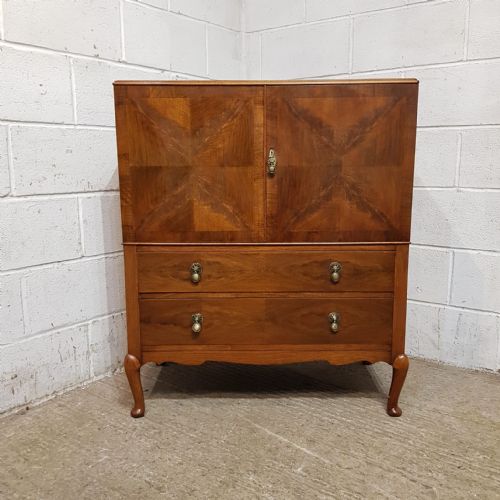
Formations vary between traditional chest on stand designs, tallboys, and cabinets fitted with multiple drawers or cupboards. Early pieces often display proportions intended for intimate chambers, while later iterations scale upwards to accommodate expansive household storage needs.
Materials and construction methods
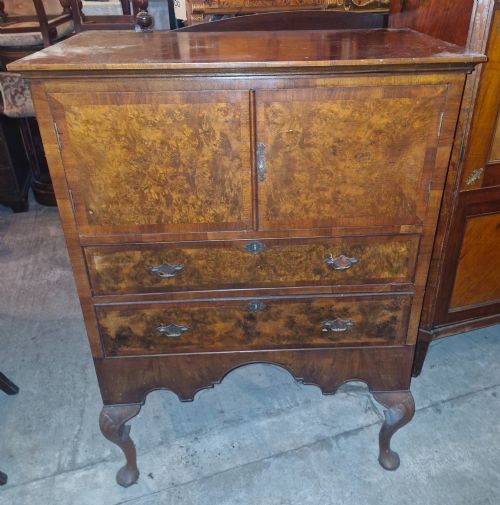
Cabinetmakers utilised dense native timbers such as oak and mahogany for structural integrity, frequently employing burr walnut veneers and figured walnut to create rich surface patterns across the drawer fronts. Crossbanding, satinwood inlay, and boxwood stringing provide linear contrast to the primary wood grains.
Joinery relies upon traditional hand-cut dovetails for drawer construction, while brass drop handles and escutcheons secure the operational fronts. Stands incorporate turned or cabriole legs, occasionally joined by stretchers to stabilise the elevated weight.
Listings span seventeenth-century oak through to early twentieth-century walnut and mahogany revival pieces.
Distinctions in craftsmanship and survival
Superior examples separate themselves through the careful selection and book-matching of burr veneers, ensuring the grain patterns mirror harmoniously across every drawer face. The integrity of the underlying structure, including timber thickness and the retention of original brass hardware, dictates the standard of the piece.
The relationship between upper chests and their lower supports influences value, with integrated stands demonstrating superior cohesion compared to associated or later matched bases. Surface paturation, developed through centuries of wax polishing, distinguishes pieces that retain their original finish from those heavily restored.
The Antique Tallboy Chest Stand Glossary
- Tallboy
- A tall chest of drawers, often constructed in two stacked sections where a smaller set sits upon a larger base or stand.
- Chest on stand
- A cabinet or set of drawers elevated on a separate frame with legs, lifting the storage compartment off the floor.
- Crossbanding
- A narrow strip of veneer applied across the grain of the primary panel to create a decorative border.
- Burr walnut
- Wood taken from a tree growth or burl, yielding swirling, highly figured grain patterns prized for high-status cabinetwork.
Antique Tallboy Chest Stand: Frequently Asked Questions
Where were tallboy chest stands placed in historical homes?
These pieces primarily served private chambers and dressing rooms where vertical storage maximised floor space for washing stands and seating.
Their elevated design kept linens and personal valuables away from cold, damp flagstone floors in older properties.
How do I distinguish walnut from oak pieces?
Walnut surfaces present smoother, darker brown tones with intricate swirling grain and figuring, particularly when veneered in burr walnut.
Oak furniture displays a coarser, more open grain structure with characteristic medullary rays visible across the timber.
Are the stands always original to the chests?
Many early pieces survive with associated stands, meaning the base was united with the upper chest during a later historical period.
Examining the fixing points, timber species consistency, and wear patterns helps determine whether the base and top originated together.
How should I care for antique veneered furniture?
Protect delicate walnut and mahogany veneers by maintaining stable room humidity and keeping timber away from direct heat sources.
Apply traditional beeswax periodically to nourish the wood and maintain a soft, protective sheen without sealing the pores.