
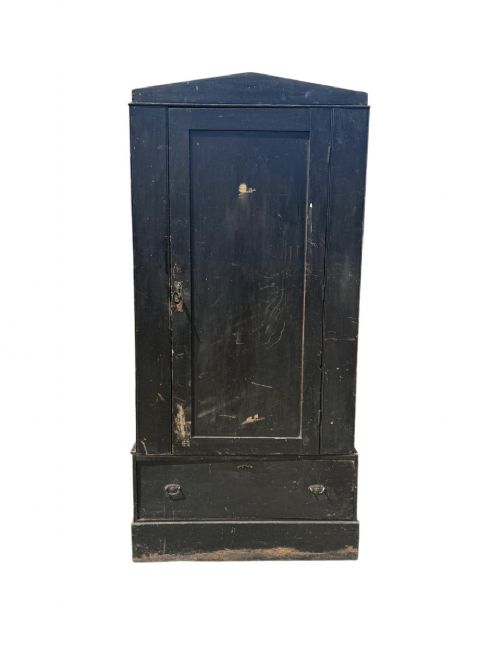

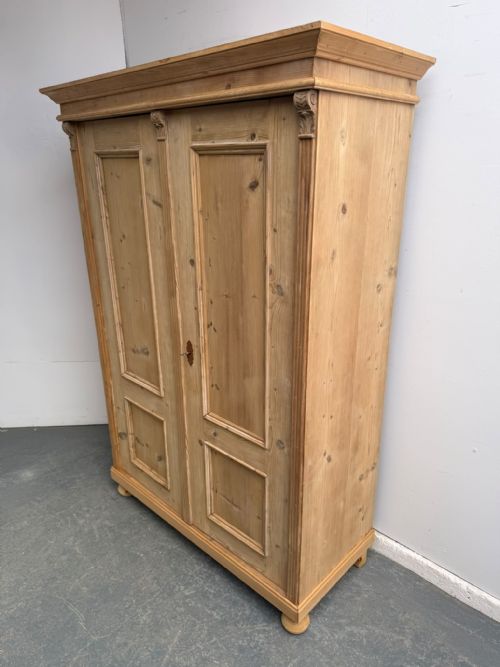

Antique Tall Linen Cupboard
An antique tall linen cupboard provides vertical storage while bringing period craftsmanship and presence to a room.
Antique Tall Linen Cupboard
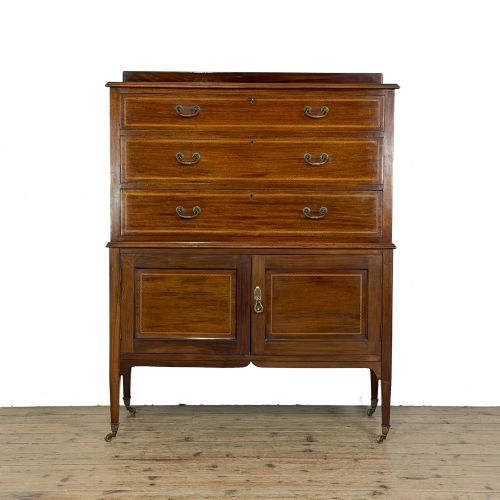
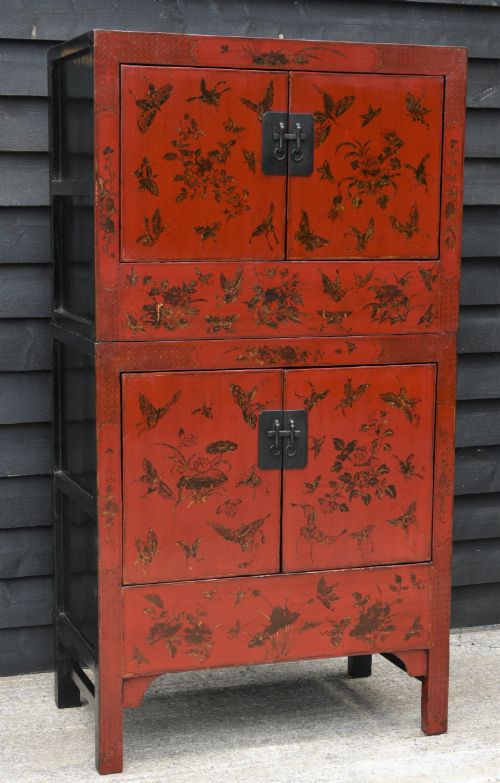
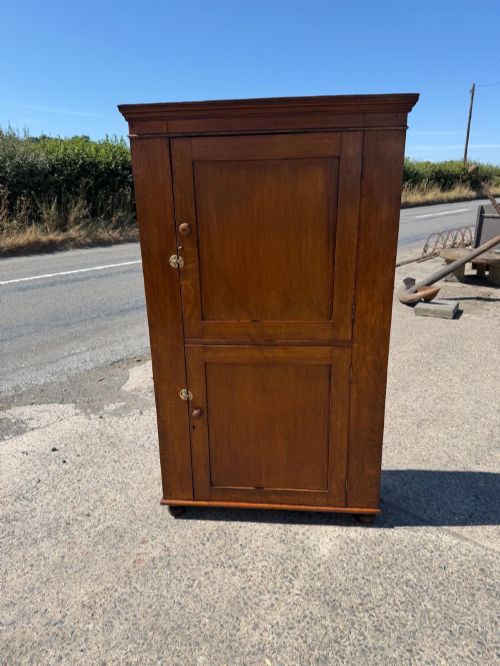
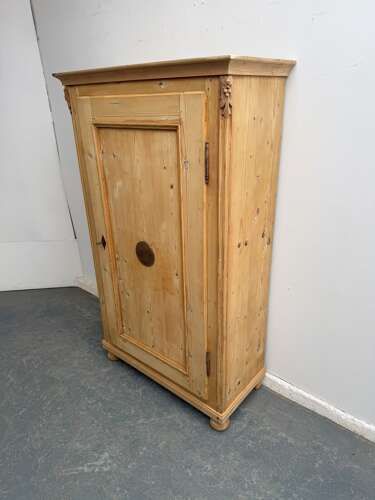
An antique tall linen cupboard covers a range of vertical storage pieces designed to hold textiles, garments and household provisions. When searching for this phrase, you meet designs spanning from the eighteenth century through to the early twentieth century.
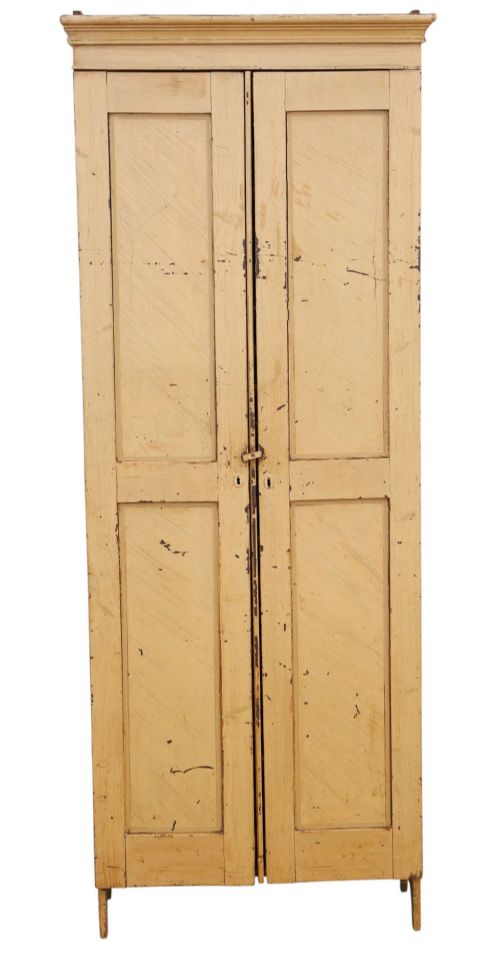
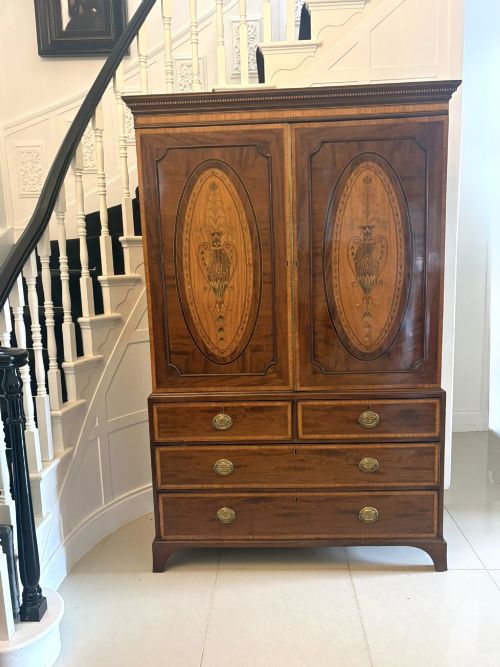
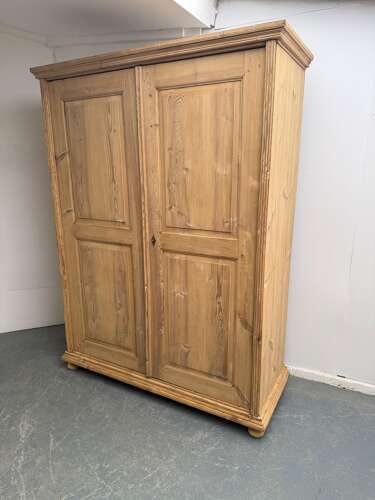
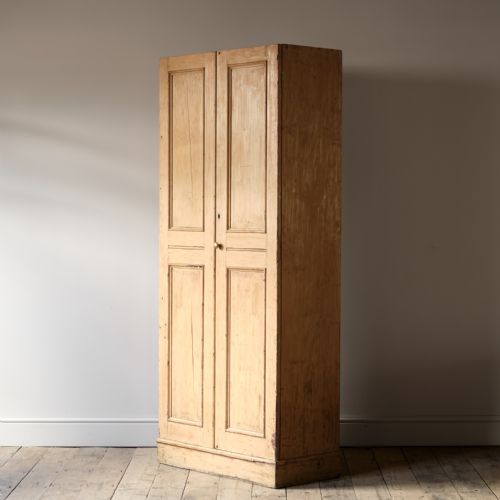
The selection includes Georgian mahogany presses, Victorian pine storage cabinets, French armoires and Scandinavian painted pieces. Many items take the form of tall cupboards, housekeeper's cupboards or linen presses with internal shelving or hanging space.
Materials and construction methods
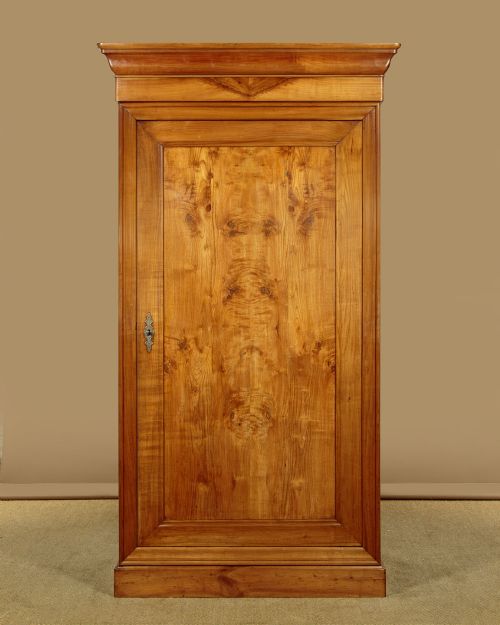
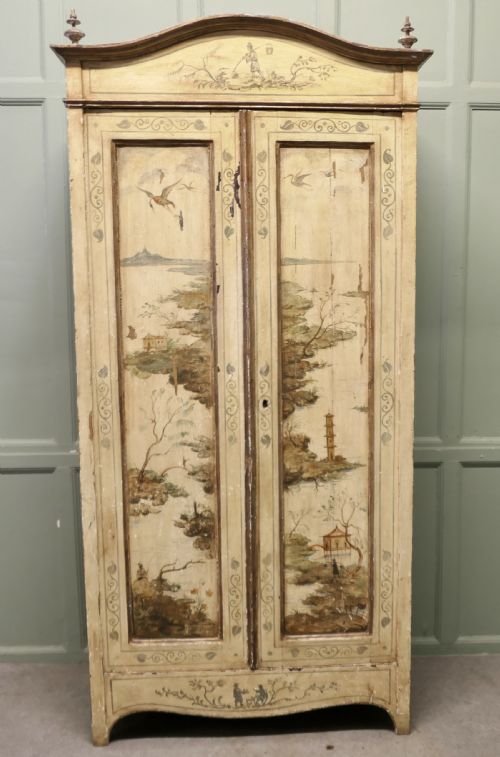
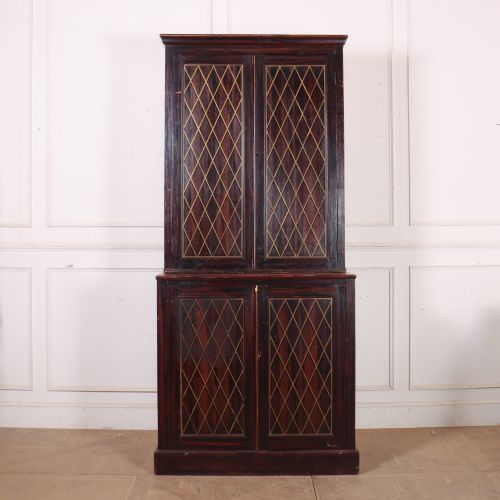
Cabinet makers utilised solid timbers including pine, oak, mahogany and walnut, often combining them with brass hardware and iron fittings. Painted finishes, lacquer, satinwood inlay and burl veneers also appear across different regional workshops.
Construction techniques include traditional joinery, panelled doors, pegged frames and dovetailed drawers. Many larger pieces were built to dismantle into sections for transport and installation in domestic spaces.
Listings feature pieces constructed from pine, oak, mahogany, walnut, birch and satinwood.
Distinguishing better examples
Quality rests upon the selection of timber, the crispness of mouldings and the integrity of the original construction. Pieces with undisturbed surfaces and well-preserved hardware demonstrate superior initial manufacture and careful ownership.
Proportion and scale dictate the desirability of a piece, with narrower footprints and balanced door panels showing greater design consideration. The presence of original paintwork, authentic patination and intact interior fittings further elevate a piece.
Maple and Co
The Antique Tall Linen Cupboard Glossary
- Linen press
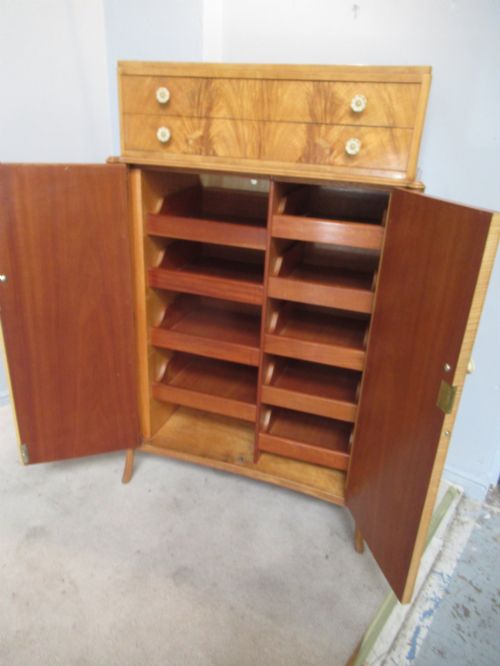
- A tall piece of furniture consisting of an upper section with sliding trays or shelves enclosed by doors, sitting above a chest of base drawers. These items were originally built to store household linen flat.
- Housekeeper's cupboard
- A large storage cabinet traditionally used in country houses for provisions and textiles. They frequently combine deep cupboards with lower drawers.
- Armoire
- A large wardrobe or cupboard with doors, originating in continental Europe. They often feature generous internal depths and pronounced architectural cornices.
- Biedermeier
- A central European style dating to the nineteenth century characterised by clean lines, restrained ornamentation and flat veneers. It prioritises utility and domestic comfort over ostentatious decoration.
Antique Tall Linen Cupboard: Frequently Asked Questions
What is the difference between a linen press and a wardrobe?
A linen press traditionally contains internal sliding trays or shelves designed for folded textiles rather than hanging garments. Many examples combine upper shelving space with lower chest drawers.
Wardrobes, by contrast, are built primarily for hanging clothes with full-height vertical space. Some antique pieces cross these categories depending on how their interiors were adapted over time.
How do I know if the paint finish is original?
Original painted surfaces show natural wear, micro-crazing and layers of oxidation that develop over generations of use. The paint settles evenly into the grain and joinery without modern priming layers underneath.
Refinished or later painted pieces often display uniform texture and lack the depth of historic pigments. Examining the edges and interior surfaces reveals underlying timber colours and earlier decorative schemes.
Will a tall cupboard fit through standard doorways?
Many antique tall cupboards and wardrobes were constructed as knockdown pieces that dismantle into sections. This allows panels, cornices and bases to separate for easier transport and positioning.
Solid carcases that do not dismantle require careful measurement of ceiling heights, stairwells and door clearances before delivery. Checking the dimensions against your space prevents installation difficulties.
How should I care for an antique pine cupboard?
Pine responds well to routine dusting with a dry cloth and occasional application of appropriate natural waxes to nourish the timber. Avoid placing these pieces in direct sunlight or near heat sources that cause wood to dry and split.
Maiing stable environmental conditions with moderate humidity preserves the structural integrity of old pine and protects historic wax or painted finishes.