

Antique Tableware Plates
These antique tableware plates span centuries of dining, offering everything from porcelain dessert services to silver plated serving pieces.
Antique Tableware Plates
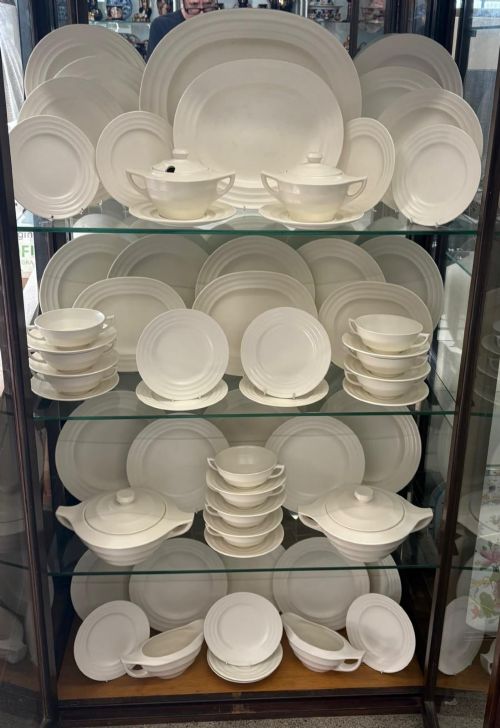
When searching for antique tableware plates, buyers encounter a diverse selection of dining pieces ranging from eighteenth-century porcelain dessert dishes to nineteenth-century earthenware dinner plates. The selection includes specialist items like bread and butter plates, tea plates, and hot-water plates alongside broader serving ware.
Most pieces date from the nineteenth and twentieth centuries, reflecting Victorian, Edwardian, and Georgian periods. Manufacturers such as Spode, Wedgwood, and Royal Crown Derby appear frequently alongside unmarked silver plated items and enamel pieces.
Materials and construction
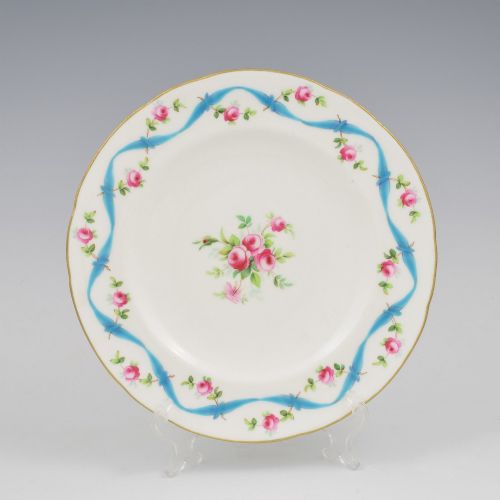
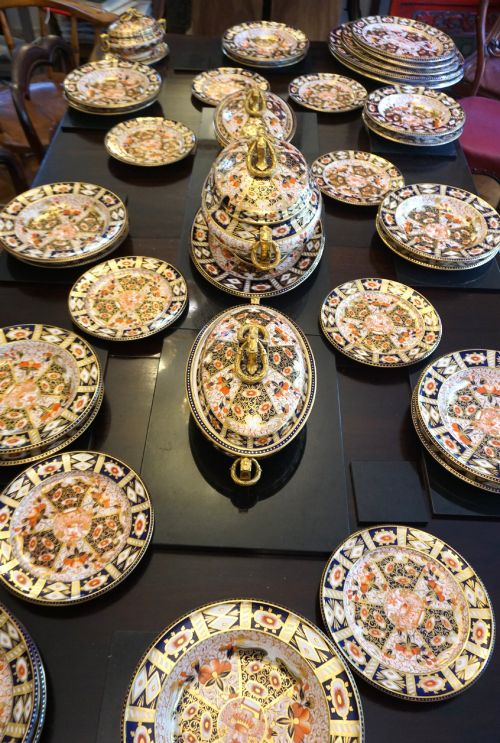
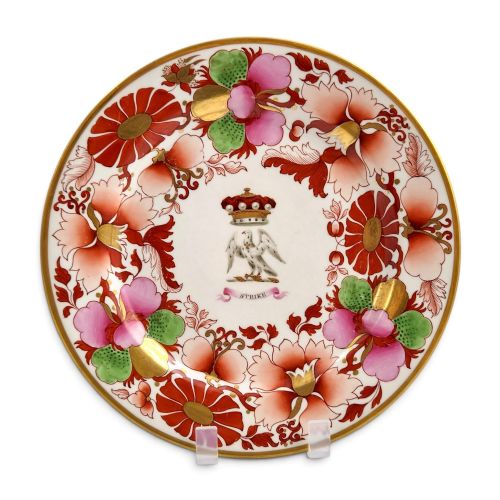
Pottery and porcelain items utilise traditional ceramic techniques, often featuring handpainted floral motifs, transfer printing such as blue and white designs, and polychrome enamels like the Imari palette. Glaze application and firing methods determine the finish of earthenware and porcelain bodies.
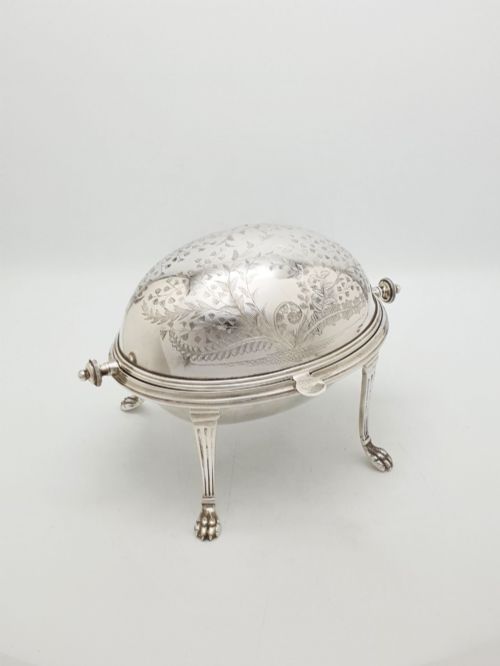
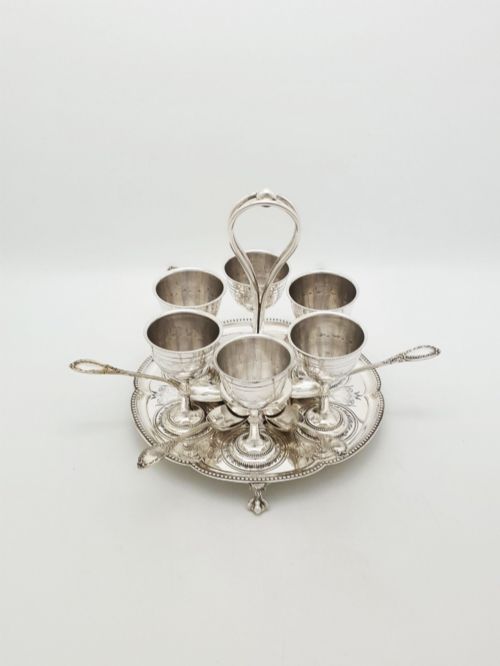
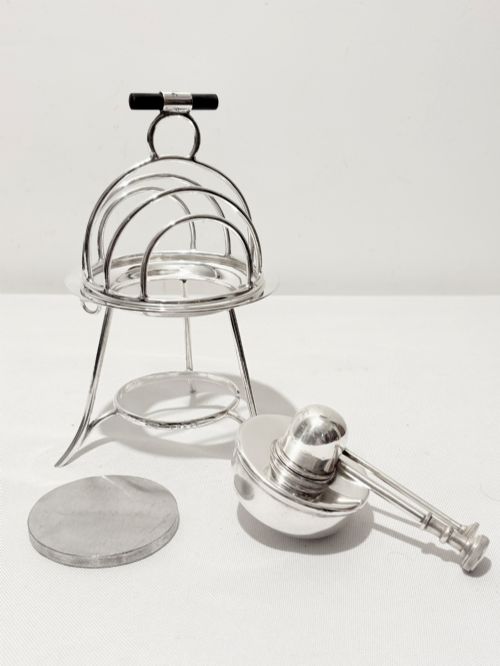
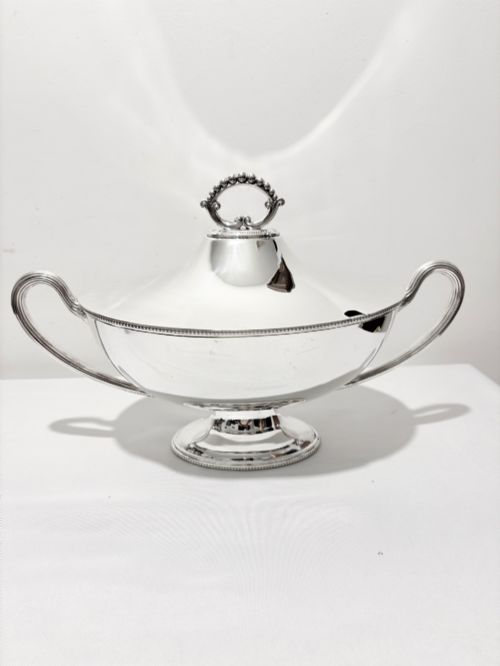
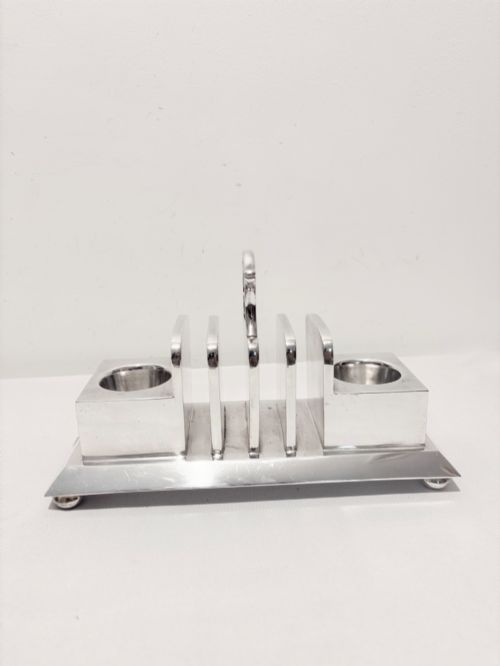
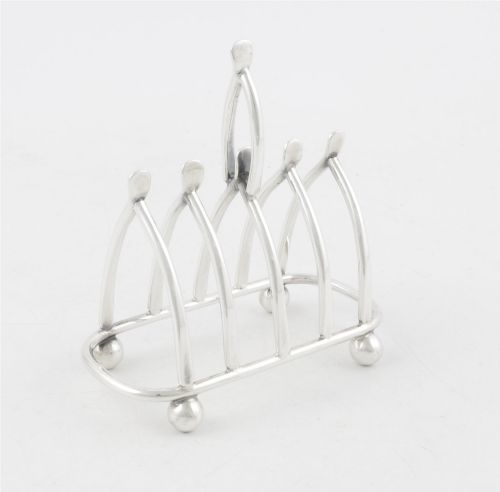
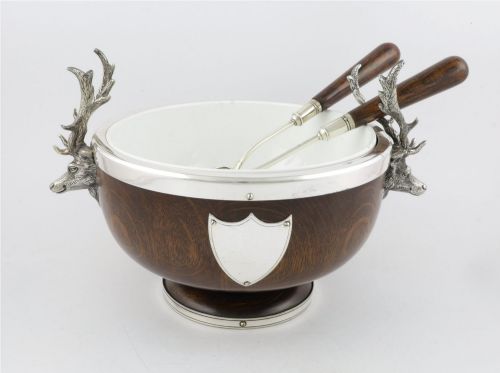
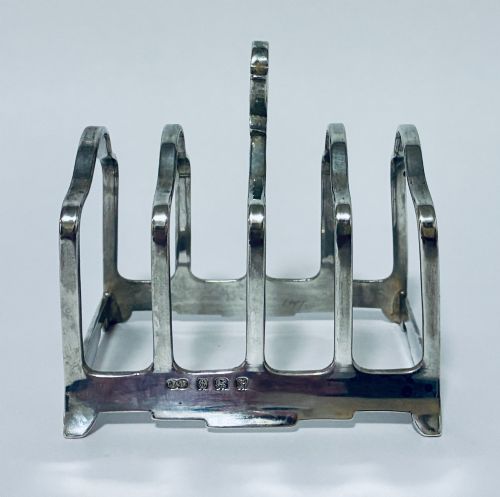
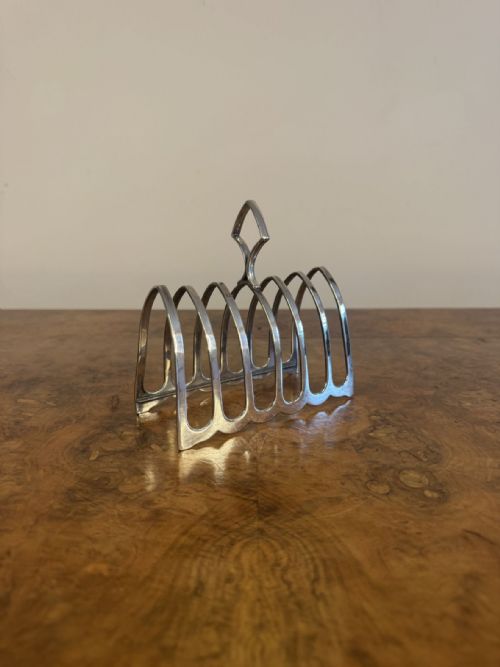
Metal items rely on silver plating, old Sheffield plate, and solid silver, combined with glass inserts, gold leaf accents, and agate handles. Manufacturers shape these metals through casting, embossing, and engraving to produce sauce boats, toast racks, and coasters.
Antique Tableware Plates Retail Price Guide 2026
Typical asking prices for tableware plates among the pieces listed under this phrase on Sellingantiques today, from the lower quarter to the upper quarter. They describe what is for sale here now, not the wider market.
Lobster crackers and asparagus tongs remind us that Victorian dining involved dedicated tools for almost every challenging food.
Assessing quality
Quality in ceramic plates depends on the crispness of the transfer print, the delicacy of handpainted details, and the preservation of the glaze and gilding over time. Maker attribution, such as documented works by Spode or Davenport, elevates certain pieces above unmarked domestic wares.
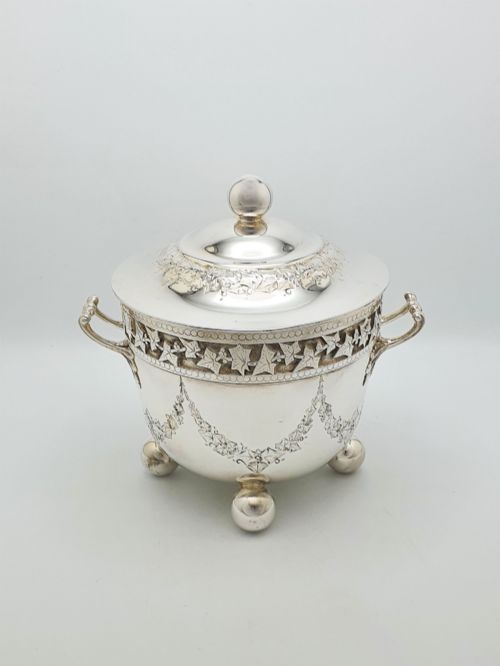
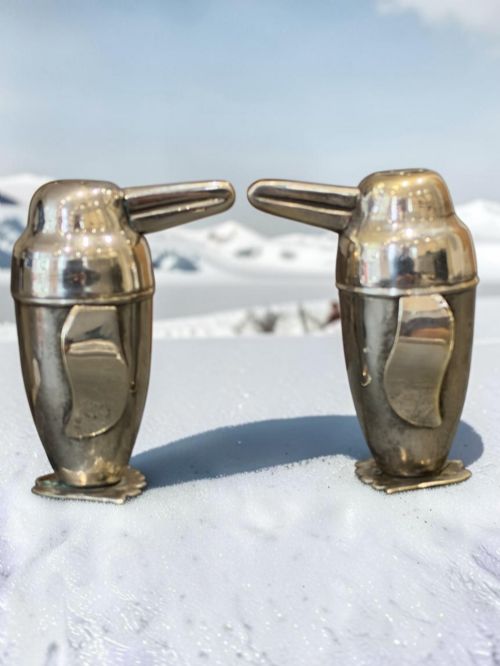
For metal tableware, quality is evident in the weight of the silver plate or old Sheffield plate, the precision of engraved ornamentation, and the integrity of structural joins on items like cruet sets and biscuit boxes.
Spode·Wedgwood·Royal Crown Derby·Elkington·Mappin and Webb
The Antique Tableware Plates Glossary
- Dessert service
- A matching set of plates and serving vessels specifically designed for the final course of a formal meal. These often comprise multiple plates and a central comport.
- Transfer printing
- A decoration technique where an engraved metal plate transfers a design onto paper, which is then applied to the ceramic surface before firing. This method allowed for intricate repeatable scenes like landscape views.
- Old Sheffield plate
- An early form of composite metal made by fusing a thin sheet of silver to a thicker copper base. Pieces produced this way show distinct characteristics at cut edges where the copper core remains visible.
- Imari
- A decorative style originating in Japan and adopted by European potteries, characterised by a distinct colour palette of underglaze blue, iron red, and gilt. Royal Crown Derby frequently utilised this aesthetic.
- Hot-water plate
- A specialised ceramic or metal dish featuring a hollow compartment designed to be filled with hot water, keeping food warm throughout a meal.
Antique Tableware Plates: Frequently Asked Questions
How do I identify a dessert service?
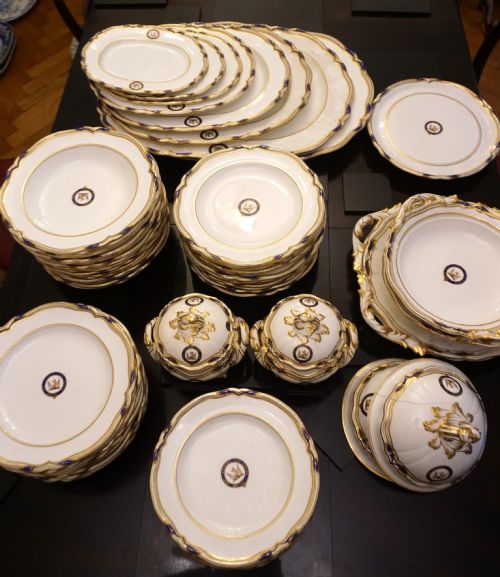
A dessert service typically comprises a matching group of plates accompanied by larger serving pieces like comports or shell-shaped dishes. They were created to serve fruit, sweets, and pastries at the conclusion of a formal dinner.
Examining the backstamps and counting the matching plates helps determine if the service remains complete or represents a partial set gathered over time.
What is the difference between porcelain and earthenware?
Porcelain is a vitrified, translucent ceramic fired at high temperatures, resulting in a dense and durable body that rings slightly when struck. Earthenware is a porous, opaque pottery that requires a glaze to become waterproof.
Antique tableware plates utilise both materials, with porcelain generally reserved for finer dining and earthenware common in robust everyday transfer-printed wares.
How were silver plated items manufactured?
Nineteenth-century metal tableware often utilised old Sheffield plate, where a silver sheet was fused to copper, or later electroplating methods pioneered by firms like Elkington. These techniques allowed manufacturers to produce ornate sauce boats, toast racks, and baskets with the appearance of solid silver.
Careful inspection of the base metal and plating thickness reveals the manufacturing period and technique used.
Can antique plates be used for dining?
Many antique ceramic and metal plates remain structurally sound for occasional dining and display, though older glazes and antique silver plating require careful hand washing rather than dishwasher use. Crazing in the glaze can absorb liquids over time, so modern usage should be balanced against the preservation of fragile surfaces.
Displaying decorative plates in cabinets or utilising serving pieces for dry items protects them from excessive wear.