
Antique Tableware Pair
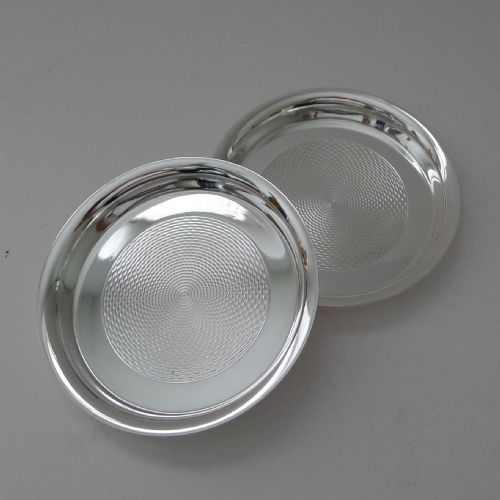
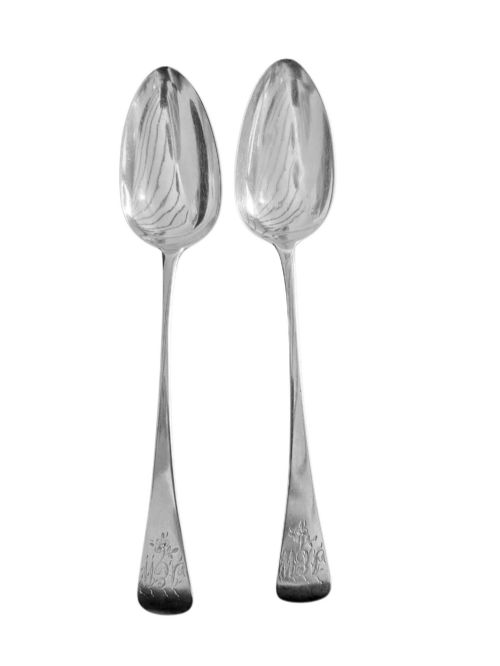
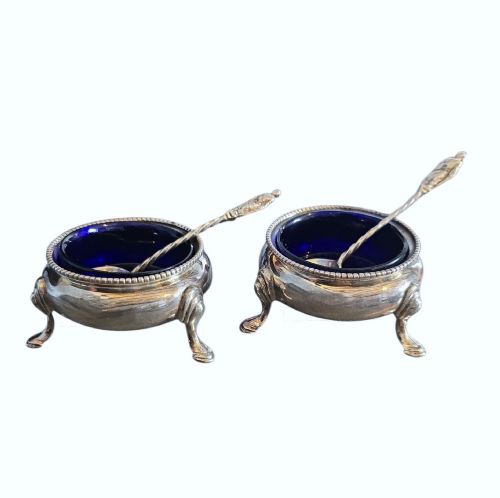
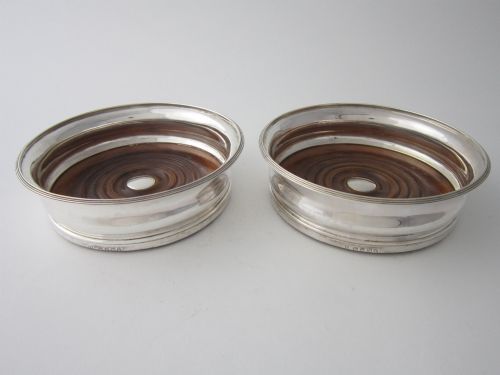
An antique tableware pair brings matched utility and symmetry to a dining table, spanning periods from Georgian serving spoons to Edwardian salt cellars.
Antique Tableware Pair
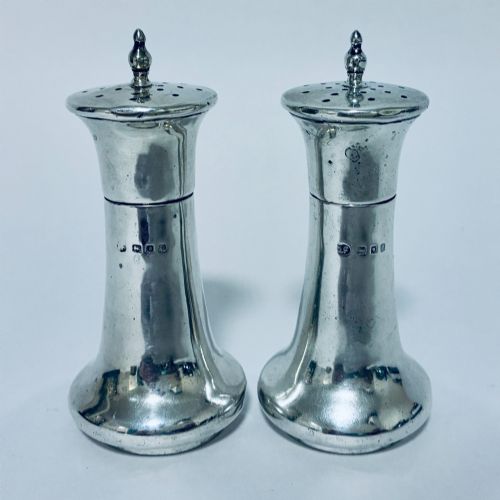
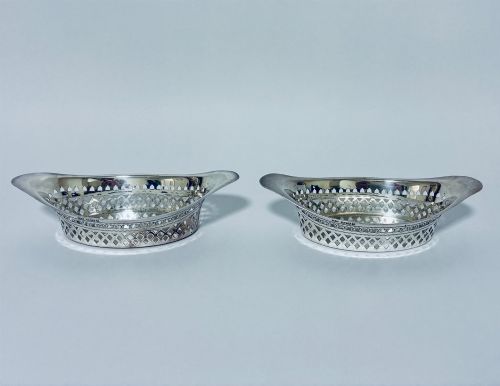
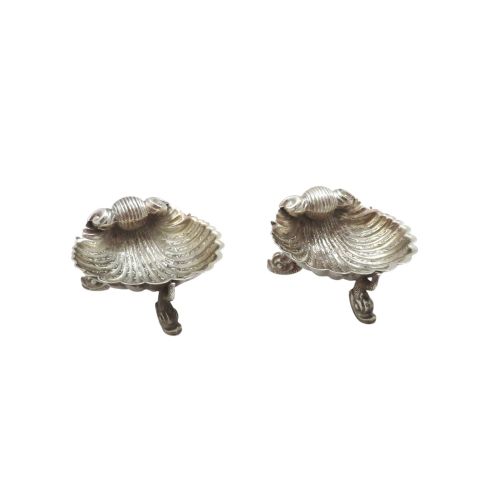
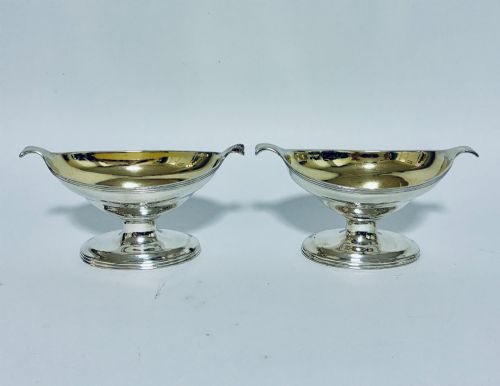
An antique tableware pair comprises matched dining items designed for dual service, such as salt cellars, sauce boats, serving spoons, and napkin rings.
Examples on this page span the 18th century, Georgian, Victorian, and Edwardian periods, alongside later 20th-century items.
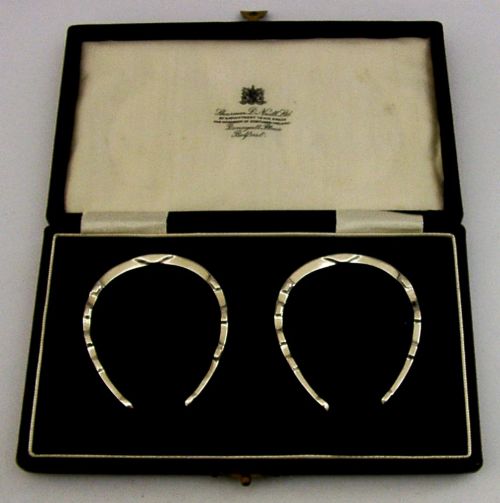
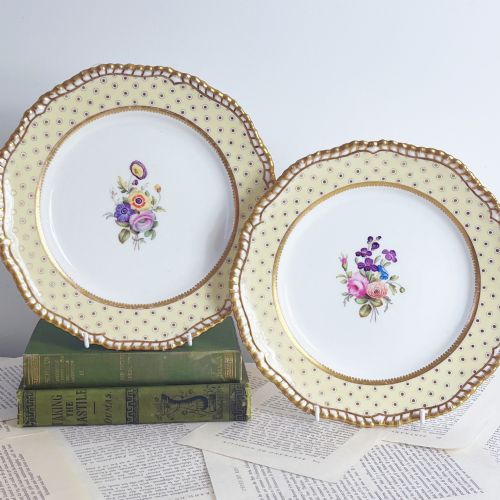
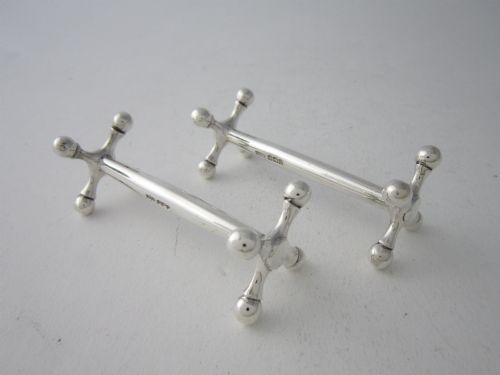
Functional pieces range from table candlesticks and knife rests to butter shells, dessert plates, and condiment tubs.
Materials and Techniques
Silversmiths shaped sterling silver and silver plate through casting, piercing, and engraving, often adding gilt finishes or vermeil.
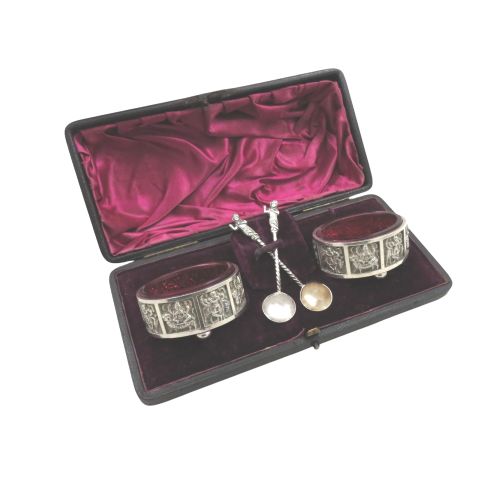
Glass components utilise cobalt glass, cranberry glass, and blue glass liners paired with metal wirework or solid frames.
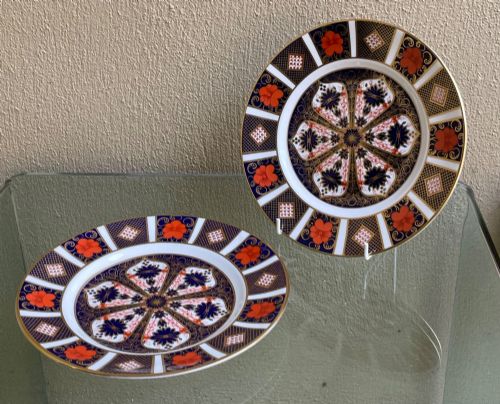
Ceramic items incorporate bone china, Spode Felspar, New Stone, and Royal Crown Derby Imari styles.
Listings span Georgian, Victorian, and Edwardian eras, incorporating sterling silver, silver plate, cobalt glass, and porcelain.
Craftsmanship and Preservation
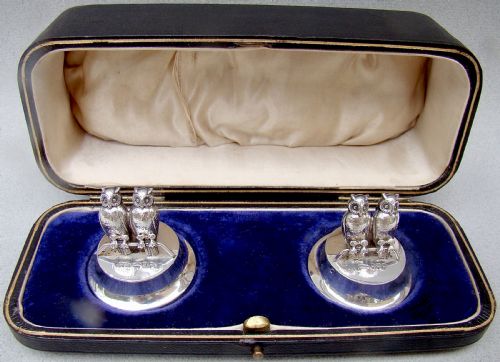
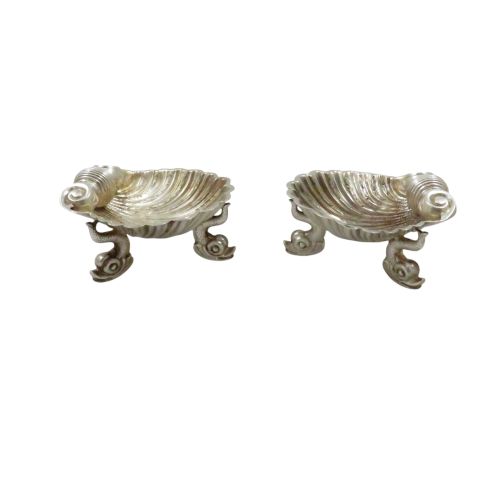
Quality rests in the crispness of chased or engraved detail, such as the feathering on shell salts or the feathers on novelty owl menu holders.
The integrity of matching components matters greatly, ensuring that paired liners, spoons, or cased sets remain entirely original to one another.
Weight and structural balance distinguish heavier solid sterling items from plated alternatives.
John Lambe·Beare Falcke·Levi and Salaman·William Plummer·David Hennell·Mappin and Webb·Clarice Cliff·Royal Crown Derby·Spode
The Antique Tableware Pair Glossary
- Sterling silver
- A silver alloy containing 92.5 percent pure silver by mass, standard for quality British tableware.
- Salt cellar
- A small open bowl used to hold salt at the dining table, frequently fitted with cobalt or cranberry glass liners.
- Vermeil
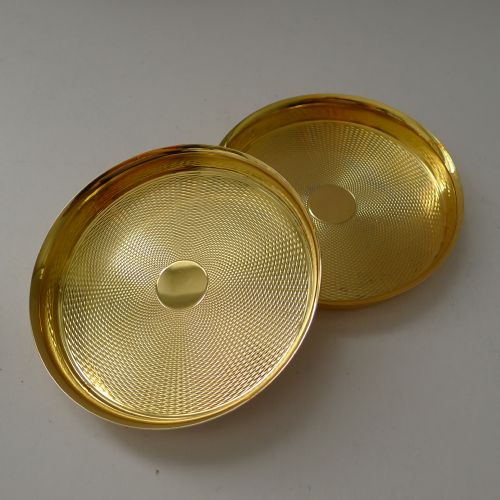
- Sterling silver coated with a thin layer of gold, providing a rich yellow lustre seen on specific coasters and spoons.
- Imari style
- A decorative ceramic pattern influenced by Japanese export wares, featuring rich underglaze blue and iron red.
- Knife rest
- A small horizontal support designed to keep carving or table knives elevated above the tablecloth between courses.
Antique Tableware Pair: Frequently Asked Questions
What items count as an antique tableware pair?
Matched pieces designed for concurrent dining use, including salt cellars, sauce boats, knife rests, and serving spoons.
They offer symmetry and shared design characteristics across various 18th, 19th, and 20th-century periods.
How do I care for silver tableware pairs?
Wash silver items gently in warm soapy water and dry them immediately with a soft cloth to prevent tarnishing.
Avoid abrasive cleaners that wear away thin silver plating or fine hand-engraved details.
Are glass liners original to silver salts?
Many Victorian and Edwardian salt cellars retain their original cobalt or cranberry glass liners, which protected the silver from corrosion.
Replacements are common, so check for a snug fit and matching period manufacture.
How are dates identified on these items?
British silver typically bears hallmark stamps indicating the assay office, date letter, and maker's mark.
Ceramics rely on factory backstamps, pattern numbers, and stylistic markers to establish their production era.