



Antique Tableware Jar
These antique tableware jar pieces are practical dining vessels designed for biscuits, preserves, and condiments, offering tactile period charm to the table.
Antique Tableware Jar
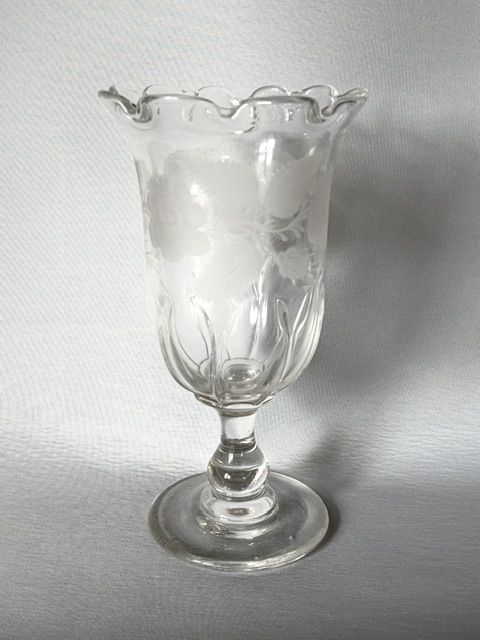
When searching for an antique tableware jar, buyers encounter an array of functional dining vessels including biscuit barrels, preserve pots, honey jars, and mustard pots dating from the Victorian and Edwardian eras into the twentieth century. These domestic containers served practical purposes on the dining table, storing biscuits, jams, or condiments within easy reach of guests.
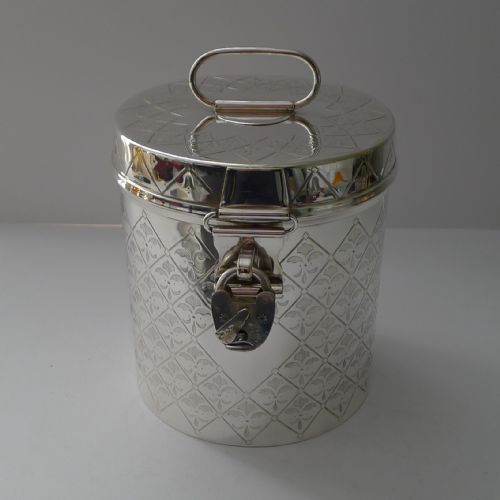
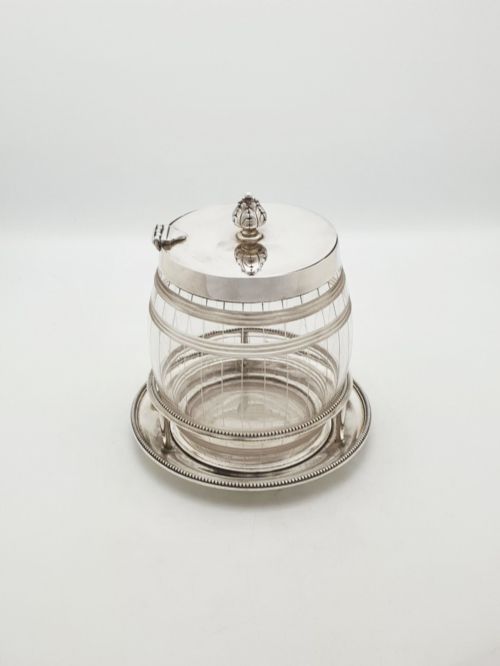
The most common forms on this page pair clear cut glass, lead crystal, or richly coloured cranberry glass with silver plate, electroplated nickel silver, or sterling silver mounts and lids. Many sit upon dedicated stands, occasionally accompanied by matching spoons or featuring ceramic bodies like jasperware and pottery.
Makers ranged from major Victorian and Edwardian silversmiths to specialised potteries, producing designs that span from early Victorian ornamentation through to later Art Deco simplicity. Each piece reflects the dining rituals of its period, bridging utilitarian storage with decorative table presentation.
Materials and construction methods
Glass bodies were formed through cutting, faceting, or moulding, creating heavy lead crystal and cut glass vessels that refract light, alongside blown cranberry glass variants. These glass components required precise fitting into metal mounts and hinged lids.
Metalwork involved both solid sterling silver and base metals treated with silver plating or electroplated nickel silver, often shaped through piercing, etching, or casting. Silver mounts frequently incorporated locking mechanisms, swing handles, and detailed finials such as heraldic dragons.
Ceramic examples utilise traditional pottery techniques, encompassing stoneware bodies like jasperware and painted earthenware bodies finished with moulded fruit or floral patterns.
Antique Tableware Jar Retail Price Guide 2026
Typical asking prices for tableware jar among the pieces listed under this phrase on Sellingantiques today, from the lower quarter to the upper quarter. They describe what is for sale here now, not the wider market.
A preserve pot modelled precisely as an apple brings an unexpected touch of orchard life directly to the formal tea table.
Factors determining quality
The weight and depth of the glass cutting dictate visual brilliance, with crisp facets and heavy lead crystal standing apart from lighter, simpler moulded vessels. The clarity of coloured glass, particularly rich cranberry tones, also distinguishes finer examples.
Metal quality rests in the thickness of the silver plate or the integrity of solid sterling silver, alongside the smoothness of hinged mechanisms and locking lids. Crispness in cast mounts, such as pierced galleries or figural finials, marks superior craftsmanship from prominent silversmiths.
Mappin and Webb·Hukin and Heath·Elkington and Company·Robert and Belk·Walker and Hall·William Hutton·Wedgwood·Asprey and Co
The Antique Tableware Jar Glossary
- Biscuit barrel
- A covered container designed specifically for storing dry biscuits on the dining table. They frequently feature glass or ceramic bodies enclosed in silver-plated mounts with swing handles.
- Jasperware
- A type of stoneware developed by Wedgwood, characterised by a matte unglazed coloured body contrasted with applied white moulded neoclassical reliefs.
- Cranberry glass
- A transparent pink-red glass produced by adding gold chloride to the molten glass batch. It gained immense popularity during the Victorian period for tableware.
- Electroplated nickel silver
- A base metal alloy of copper, nickel, and zinc coated with a thin layer of pure silver through electrolysis. It provided an affordable alternative to solid silver for household wares.
- Condiment jar
- A small vessel intended to hold table sauces, mustard, or pickles, often accompanied by a fitted spoon and matching saucer or stand.
Antique Tableware Jar: Frequently Asked Questions
What were biscuit barrels used for?
Biscuit barrels served as decorative containers to hold dry biscuits during afternoon tea or after-dinner dining. Households kept them on the sideboard or dining table so hosts could offer treats to guests.
The fitted lids and glass liners helped keep the baked goods fresh while protecting them from damp air. Wealthy Victorian and Edwardian homes favoured elaborate silver-plated versions that doubled as decorative centrepieces.
How do I clean a silver plated jar?
Clean silver-plated mounts and lids gently using a specialist silver cloth or mild, non-abrasive polish to preserve the thin metallic coating. Avoid harsh chemical dips that can strip the plating away from the base metal entirely.
Remove glass liners or ceramic bodies before polishing to prevent cleaning agents from entering the interior or damaging non-metal surfaces. Wash the glass separately in warm, soapy water and dry thoroughly.
Are glass liners original to the jars?
Many surviving glass liners are original to their silver-plated frames, designed specifically to fit the exact interior dimensions and mounts of the maker. Because glass is fragile, some pieces feature period replacements or custom-fitted glass inserts.
Look for signs of even wear between the glass rim and the metal collar, which often indicates long association. Slight manufacturing imperfections in the glass can also confirm period authenticity.
How do I date a silver mounted jar?
Dating relies primarily on hallmarks stamped into sterling silver mounts, which indicate specific assay offices and production years. Silver-plated items often feature maker marks and registry numbers that narrow down the decade of manufacture.
Stylistic indicators such as heavy Victorian embossing, Edwardian restraint, or geometric Art Deco lines also help determine the era. Glass colours and cutting styles provide supportive clues when hallmarks are absent.