



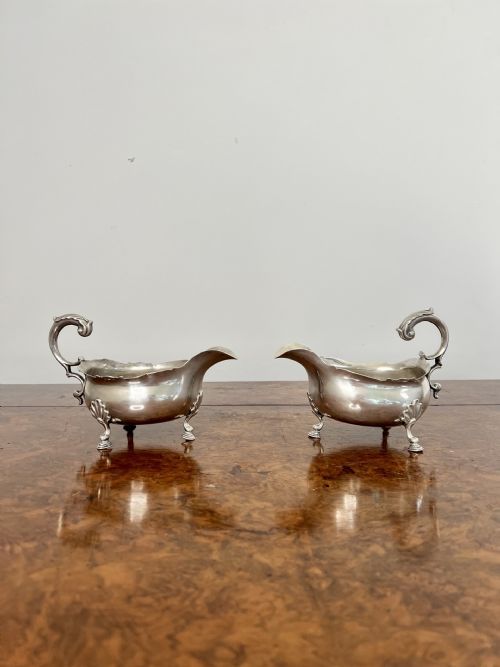
Antique Tableware Gravy Boat
An antique tableware gravy boat brings formal dining history to the table, offering practical pouring vessels shaped by centuries of silversmithing and ceramic design.
Antique Tableware Gravy Boat
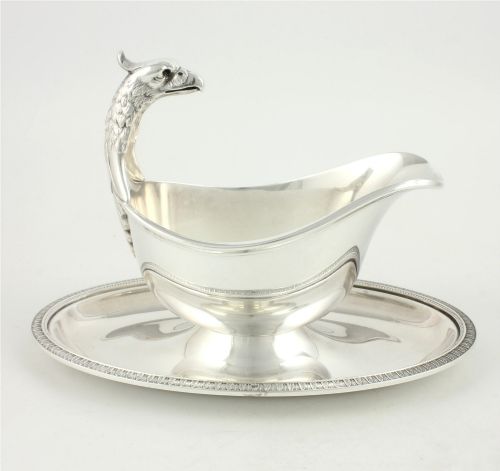
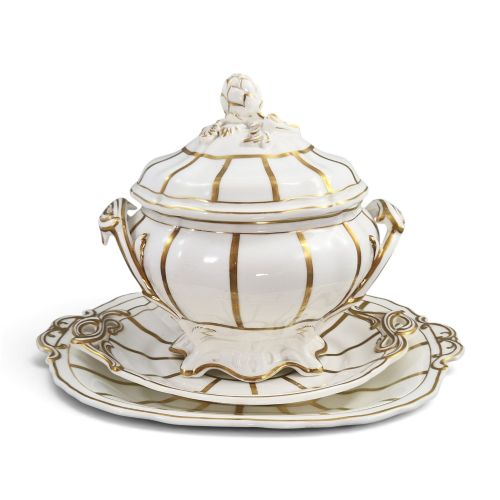
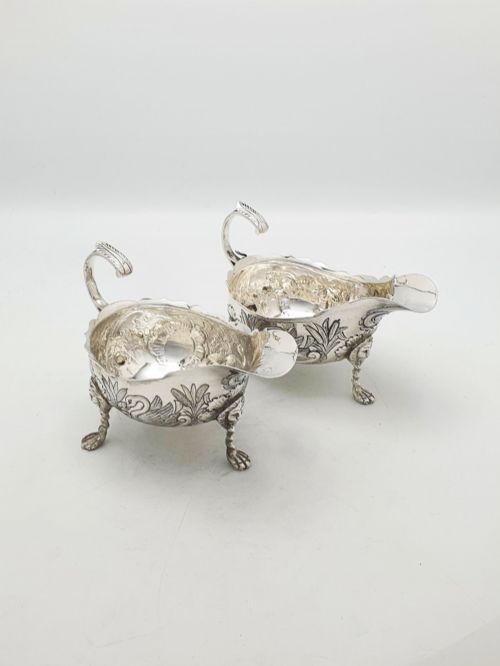
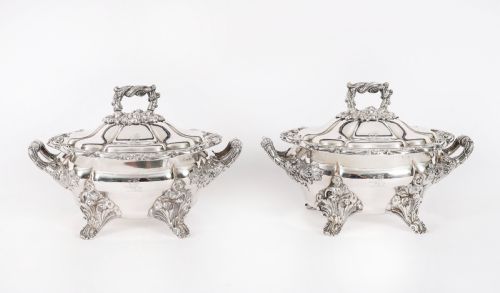
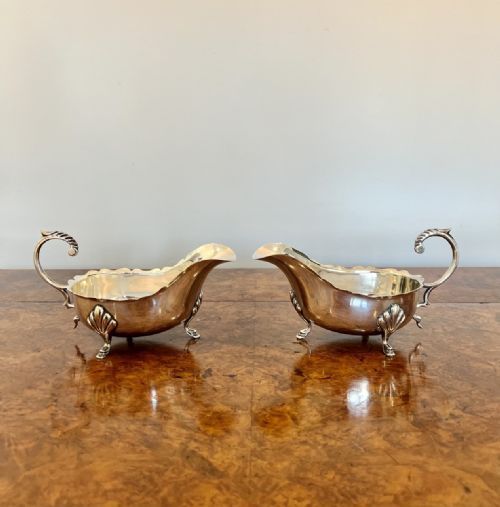
An antique tableware gravy boat serves as a dedicated vessel for sauces and gravies, designed with a distinct spout and handle for practical table service. Buyers exploring this category encounter a range of forms, from open silver vessels to lidded ceramic tureens.
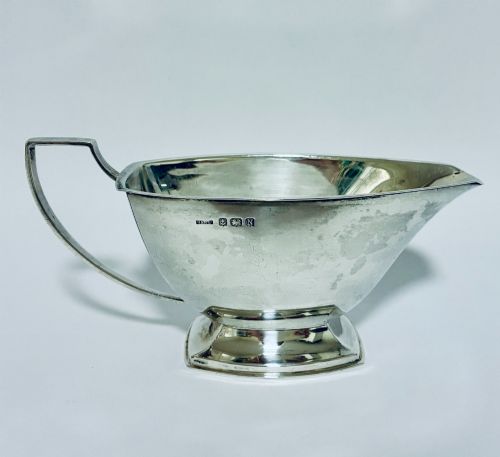
The selection spans multiple centuries, with 18th-century porcelain examples sharing space with 19th-century silver plate and solid sterling iterations. Georgian and Victorian pieces dominate the offerings, alongside later Edwardian and Art Deco designs.
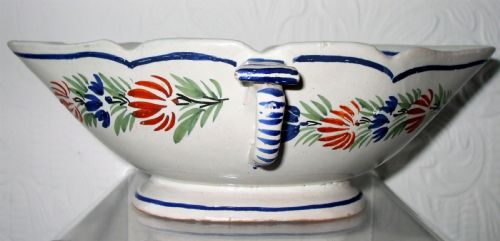
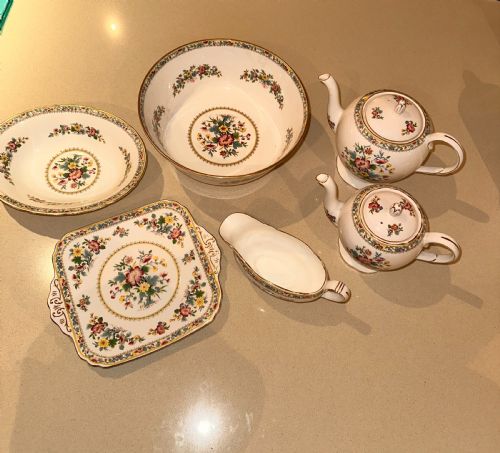
Origin and material dictate the character of each piece, whether it is an English sterling silver pedestal boat, a French faience double sauceboat, or a bone china set complete with matching ladles.
Distinctions in quality
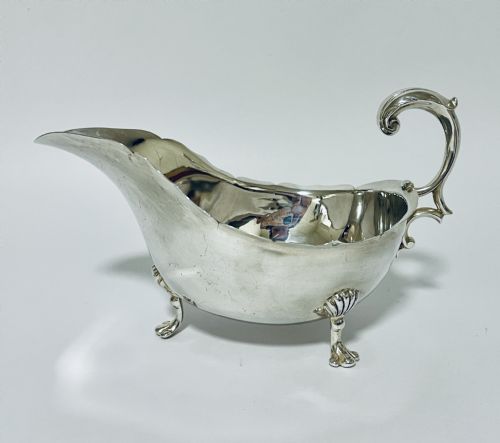
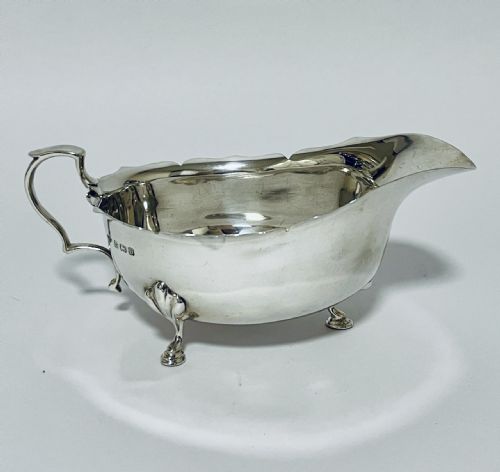
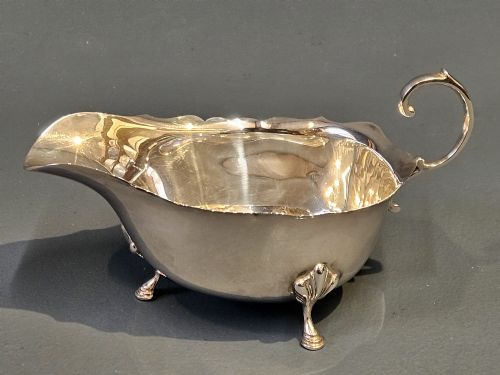
Crispness of detail separates standard vessels from superior examples, particularly in the definition of cast feet, handles, and repoussé decoration. Hand-painted ceramic pieces show refinement in the precision of brushwork and the clarity of the glaze.
The integrity of the metal surface matters greatly, with high-quality silver plate retaining its original plating without excessive wear to the underlying copper. Maker marks and hallmarks provide documentary weight that elevates the standing of individual pieces.
Listings feature sterling silver, silver plate, porcelain, ceramic, and copper materials across periods from the 18th century to the mid 20th century.
Christofle Gallia·Davenport·Tiffany and Co·Theodore B Starr·James Welch·William Grundy
The Antique Tableware Gravy Boat Glossary
- Sauce boat
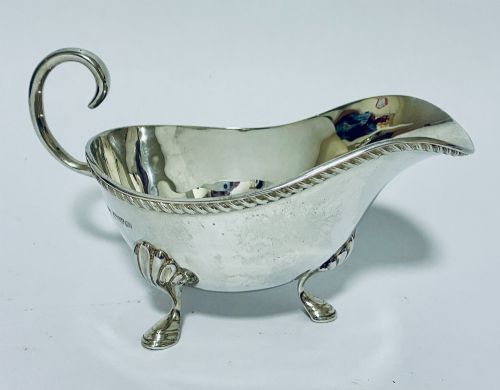
- A small open vessel designed for holding and pouring gravy or sauce at the table. These typically feature a single pouring lip, a handle, and often rest upon three feet or an attached pedestal base.
- Sauce tureen
- A covered container used for serving sauces or gravies, often accompanied by a matching undertray and ladle. These provide greater heat retention than open boats during formal meals.
- Old Sheffield plate
- A composite material made by fusing a thin sheet of sterling silver to a thicker copper base. This technique preceded modern electroplating and is identified by subtle traces of copper visible at edges and seams.
- Ironstone
- A heavy, durable type of ceramic developed in the 19th century as a resilient alternative to porcelain. It frequently appears in moulded dinner services and sauce tureens.
Antique Tableware Gravy Boat: Frequently Asked Questions
Can I still use these for modern dining?
Silver and ceramic vessels remain fully functional for serving sauces and gravies during special meals. Ensure metal boats are washed promptly after use to prevent acidic foods from marking the surface.
Delicate 18th-century porcelain pieces warrant more careful handling due to their age and historical importance. Many collectors prefer to display them when not in active use.
How do I date an antique silver boat?
English silver carries hallmarks indicating the assay office, date letter, and maker's mark. Cross-referencing these stamped symbols allows for precise dating down to the exact year of manufacture.
Silver-plated items often rely on stylistic cues such as Georgian pedestal forms, Victorian naturalistic acorn designs, or geometric Art Deco lines to determine the period.
What is the difference between a boat and a tureen?
A gravy boat is an open container with a spout designed for direct pouring at the table. They frequently incorporate attached stands or rest on small feet.
A tureen is a covered vessel that retains heat more effectively and typically requires a separate ladle for serving. Many tureens come paired with matching undertrays to catch drips.