




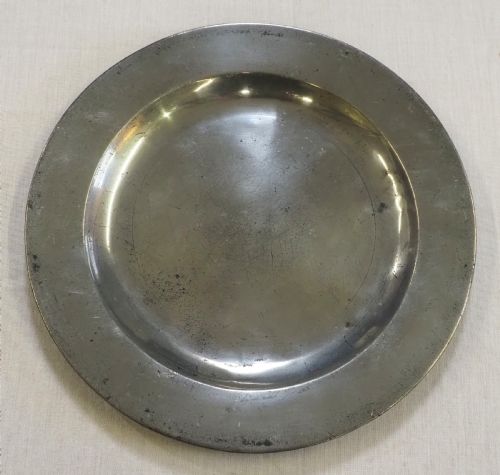


Antique Tableware Display
These antique tableware display pieces bring centuries of ceramic, pewter and silver craft straight to the sideboard.
Antique Tableware Display
An antique tableware display brings together plates, dishes, services and chargers intended to be seen rather than hidden away in cupboards. When searching for antique tableware display, collectors encounter everything from Georgian pewter chargers to Victorian bone china dessert services.
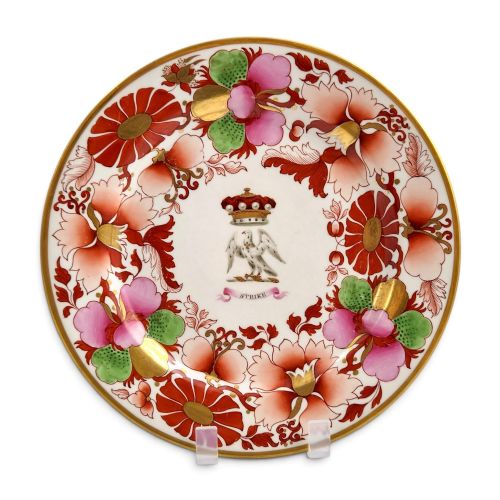
The objects span centuries of domestic dining, taking the form of serving dishes, platters, bowls and display plates. Pieces range from English earthenware and porcelain to Japanese Satsuma and Imari wares.
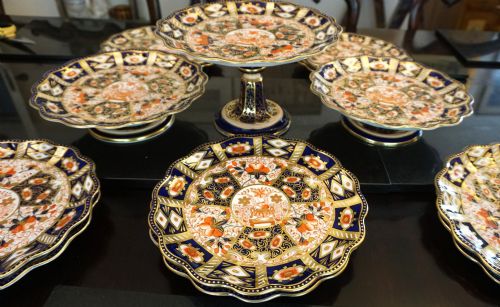
Most items on this page lean towards formal dining rooms of the eighteenth and nineteenth centuries. Dessert sets, comports and large chargers dominate the selection, offering rich patterns and hand-painted decoration.
How they were made
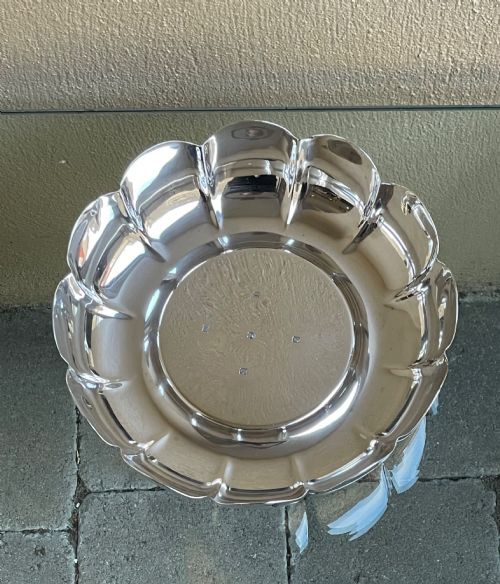
Makers shaped pewter, silver plate and solid silver by hand and machine, hammering metal into heavy chargers and serving dishes. Potters utilised bone china, earthenware and creamware, throwing or moulding clay before applying intricate glazes.
Decoration relied on hand-painting, enamel work and transfer printing. Artisans added gold leaf accents to porcelain surfaces and fired pieces in kilns to seal pigments permanently into the glaze.
Antique Tableware Display Retail Price Guide 2026
Typical asking prices for tableware display among the pieces listed under this phrase on Sellingantiques today, from the lower quarter to the upper quarter. They describe what is for sale here now, not the wider market.
Victorian households loved a good cheese stand, proving our ancestors took their after-dinner cheddar just as seriously as their porcelain.
What varies in quality
Quality rests upon the crispness of the hand-painting and the preservation of the original glaze or plating. Superior pieces display precise brushwork, balanced forms and minimal wear to gold leaf or enamel details.
The weight and substance of the material set finer items apart from standard utilitarian ware. Heavy pewter chargers, solid silver, and finely potted bone china demonstrate superior craftsmanship compared to lighter, simpler pieces.
Royal Crown Derby·John Ridgway·Richard King·Thomas Alderson·Veuve Perrin·Meissen·William Adams
The Antique Tableware Display Glossary
- Charger
- A large large plate or dish historically used for serving or placed beneath smaller courses. These substantial pieces form a focal point in any room.
- Comport
- A raised dish or bowl used for serving fruit or sweets as part of a dessert service. They elevate portions of the table arrangement.
- Imari style
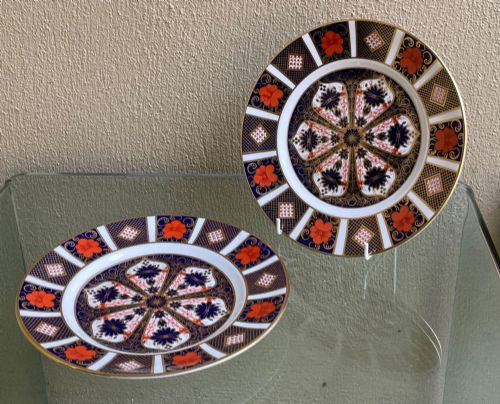
- A decorative scheme originating in Japan featuring deep blues, iron red and gold. European factories frequently copied these vibrant patterns.
- Creamware
- A refined light-coloured earthenware developed in the eighteenth century. It replaced heavier salt-glazed stonewares on dining tables.
Antique Tableware Display: Frequently Asked Questions
How should I display heavy chargers safely?
Heavy metal and ceramic chargers require sturdy wall brackets or dedicated plate stands with secure lips. Ensure the weight is evenly distributed to prevent slipping.
Keep display areas away from heavy foot traffic and direct sunlight to protect delicate enamels and silver surfaces from accidental knocks and fading.
Can I use these antique dishes for serving food?
Most antique display pieces are best reserved for visual appreciation rather than daily dining. Older glazes and silver plate can react poorly to acidic foods and modern dishwashers.
Hand washing in lukewarm water with mild soap preserves the fragile hand-painted details and historic patina of the material.
What is a dessert service?
A dessert service comprises a matching set of plates and comports designed specifically for serving the final course of a formal meal. These sets often feature elaborate botanical or pictorial hand-painting.
Displaying them together creates a cohesive period look across a sideboard or dresser.
How do I date an antique pewter dish?
Makers often stamped pewter plates with touchmarks on the underside or rim. Comparing these stamps to historical maker records helps narrow down the decade of production.
The plainness of the rim and the weight of the metal also offer clues to whether a piece originates from the Georgian era or later.