
Antique Tableware Accessory
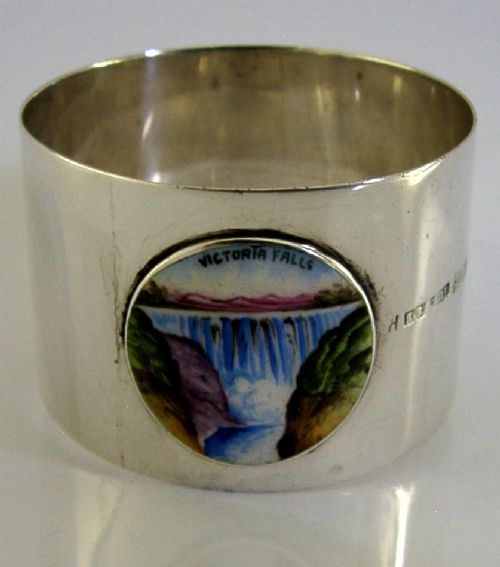
When you handle an antique tableware accessory, you hold a functional piece of dining history spanning Georgian to Art Deco periods.
Antique Tableware Accessory
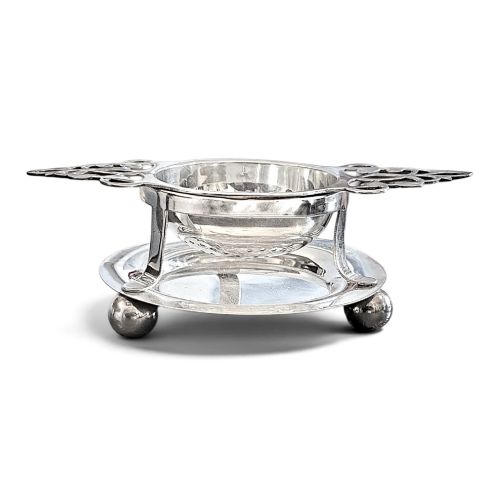
An antique tableware accessory covers a diverse group of dining table items designed for specific tasks rather than general eating.
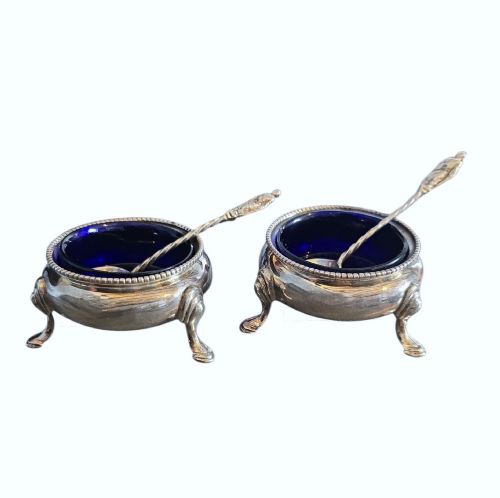
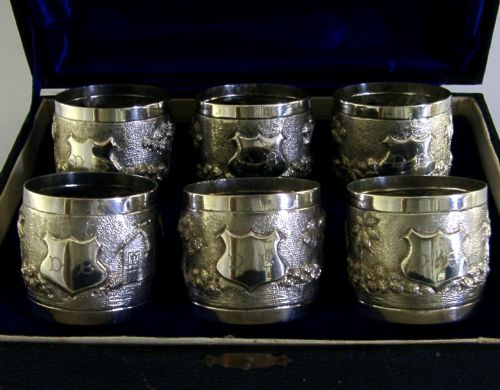
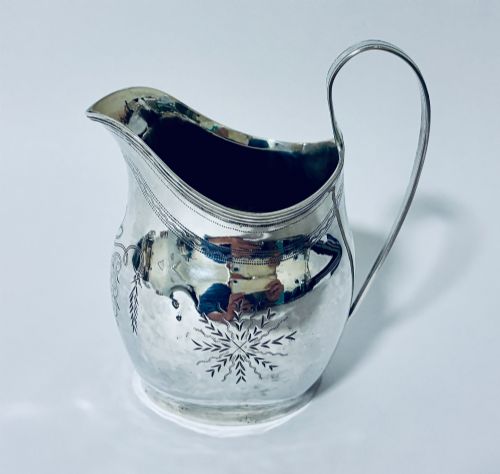
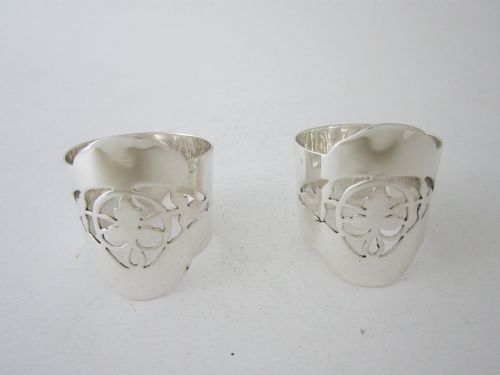
Napkin rings, menu holders, salt cellars, cream jugs and knife rests form the majority of the pieces found in this category.
Examples range from Georgian cream jugs and salt cellars to Edwardian novelty menu holders and Victorian silver-plated lobster crackers.
Materials and construction methods
Silversmiths utilised sterling silver and silver plate as the primary metals, often combining them with glass liners, agate or enamel.
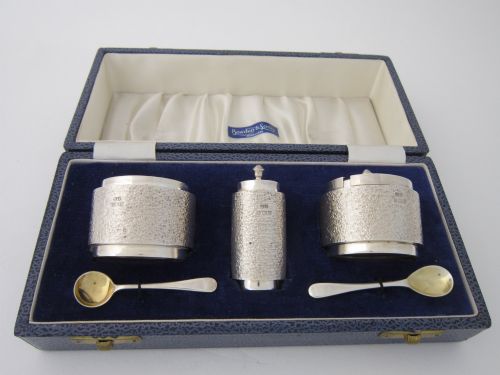
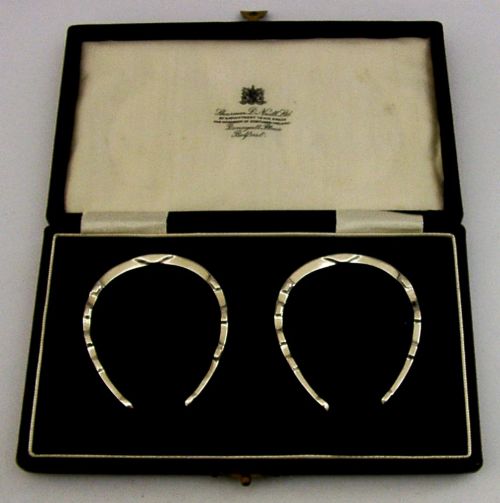
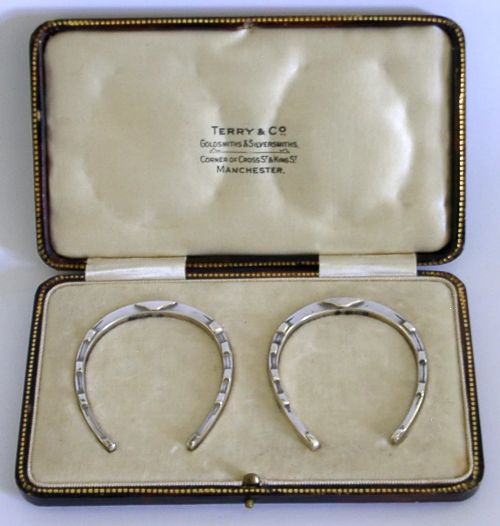
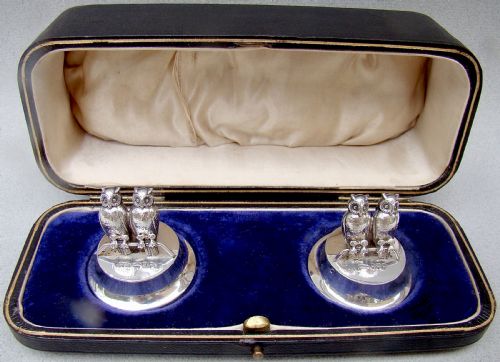
Accessories incorporate textiles such as velvet, silk and leatherette within fitted presentation cases for sets of napkin rings or cruet items.
Makers applied casting, stamping and hand-chasing techniques to shape metals into decorative forms like horse shoes, belt buckles and animal figures.
Assessing craftsmanship and execution
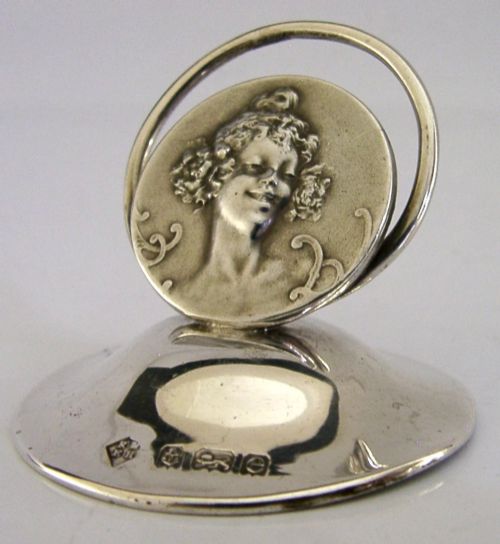
Quality rests in the crispness of detail on cast figural pieces, such as novelty menu holders shaped like monkeys, owls or maidens.
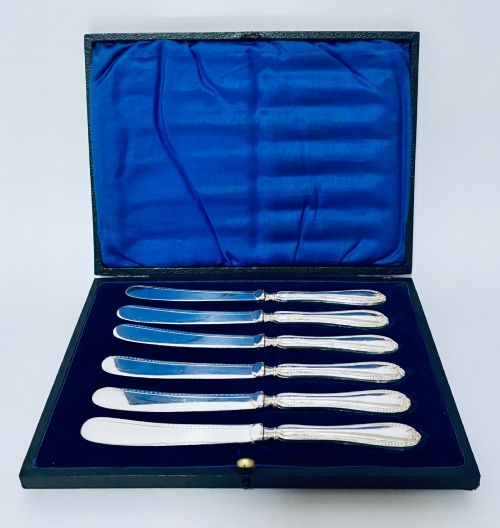
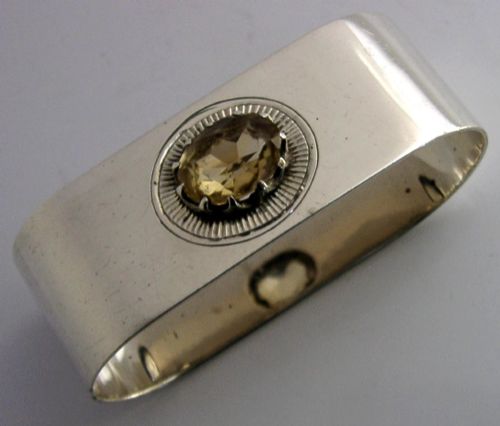
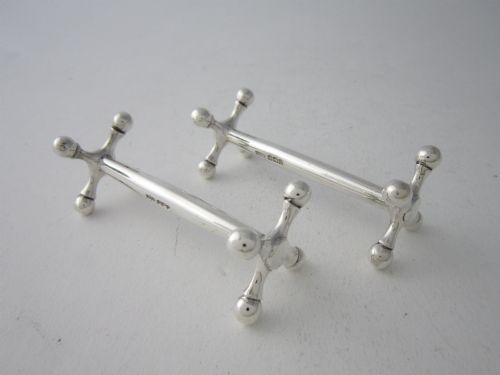
Weight and gauge of silver separate robust, heavy napkin rings and knife rests from lighter mass-produced alternatives.
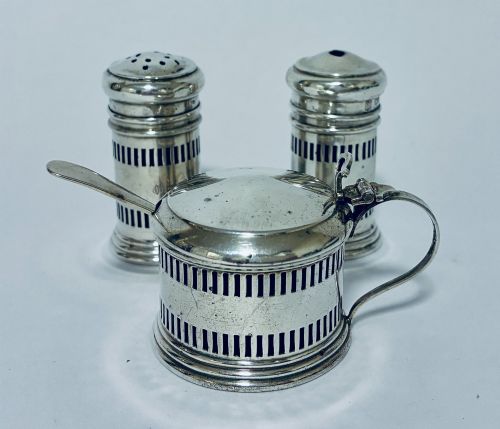
The integration of secondary materials like blue glass liners and fitted leatherette cases elevates the completeness of a set.
Hammond Turner And Sons·Beare Falcke·Levi And Salaman·Mappin And Webb·Dee And Fargus·Sampson Mordan·Georg Jensen
The Antique Tableware Accessory Glossary
- Napkin ring
- A small ring used to identify individual table napkins between meals, often made in matched sets.
- Menu holder
- A tabletop stand designed to display the meal menu or place cards for seated guests.
- Cruet set
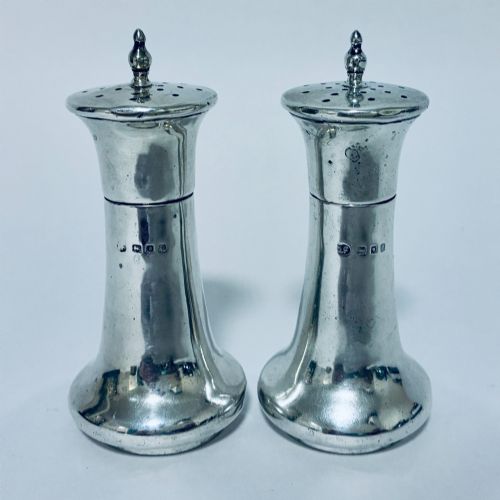
- A matched group of small bottles or containers holding condiments like salt, pepper, oil and vinegar.
- Knife rest
- A small horizontal support used to keep the blade of a carving or dining knife off the tablecloth.
- Silver plate
- A layer of silver fused to a base metal core, frequently utilised for Victorian serving pieces.
Antique Tableware Accessory: Frequently Asked Questions
What is an antique tableware accessory?
These items are small auxiliary objects used during formal dining, ranging from individual salt cellars to menu holders.
They served practical purposes on the dining table while adding decorative detail to the table setting.
How do I date a silver napkin ring?
Dating relies heavily on hallmarks stamped into the sterling silver, which indicate the assay office and year of production.
Stylistic markers such as Art Deco geometric lines or Victorian ornamentation also help narrow down the period.
Were menu holders common in Victorian times?
Menu holders gained popularity during the late Victorian and Edwardian periods as formal multi-course dinners became standard.
Hosts utilised them to inform guests of the upcoming dishes or to mark specific seating arrangements.
How should I clean silver tableware accessories?
Silver pieces require gentle washing with warm water and mild soap, followed by drying with a soft cloth to protect the metal.
Harsh abrasive dips should be avoided, particularly on items featuring enamel, glass liners or delicate chased details.