




Antique Tabletop Organiser
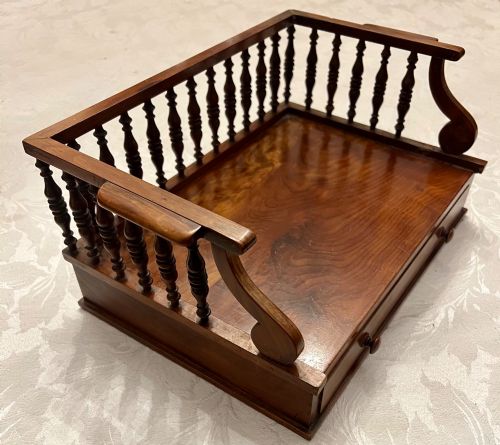
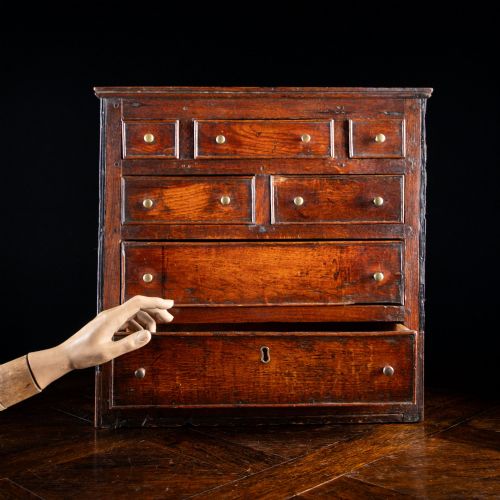
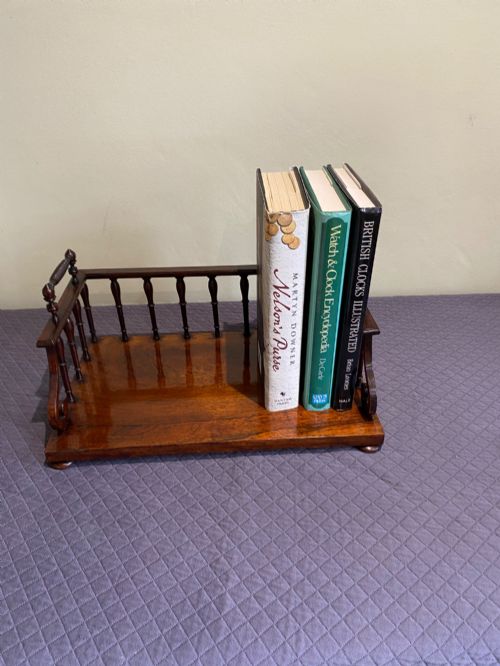
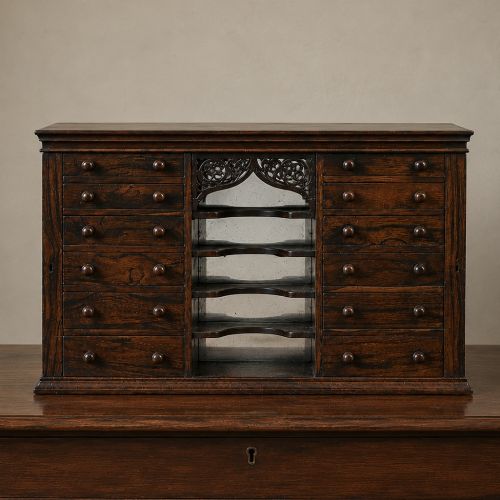
An antique tabletop organiser brings order to desk spaces through period craftsmanship like mahogany miniature chests and rosewood book racks.
Antique Tabletop Organiser
When searching for an antique tabletop organiser, buyers encounter desktop storage forms designed to keep papers, letters, and books in order. The selections on this page span several centuries, featuring pieces created to sit upon tables and desks.
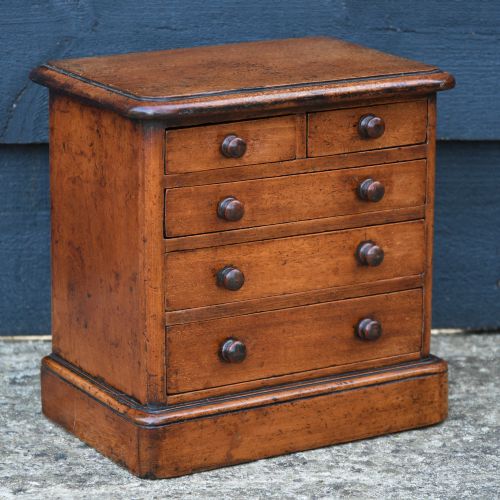
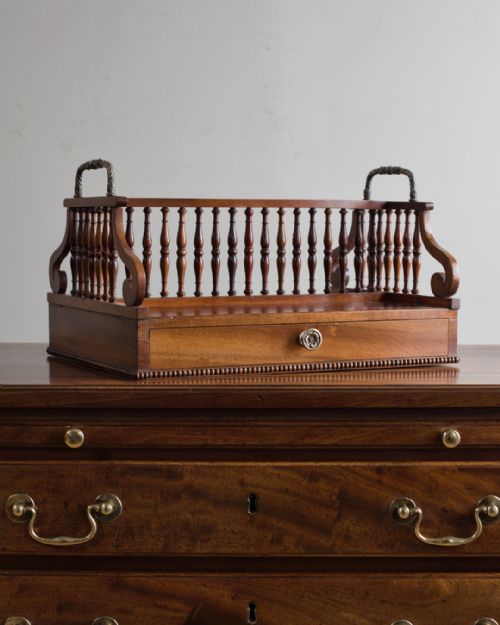
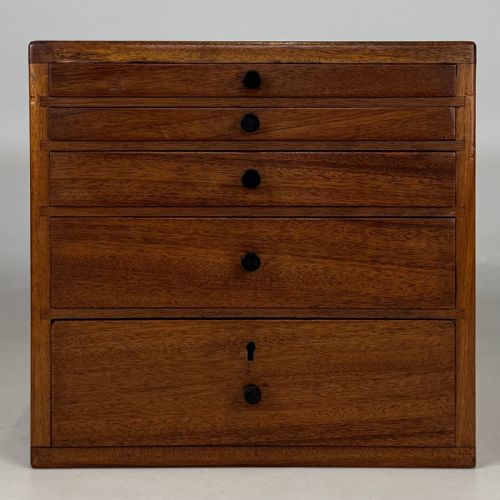
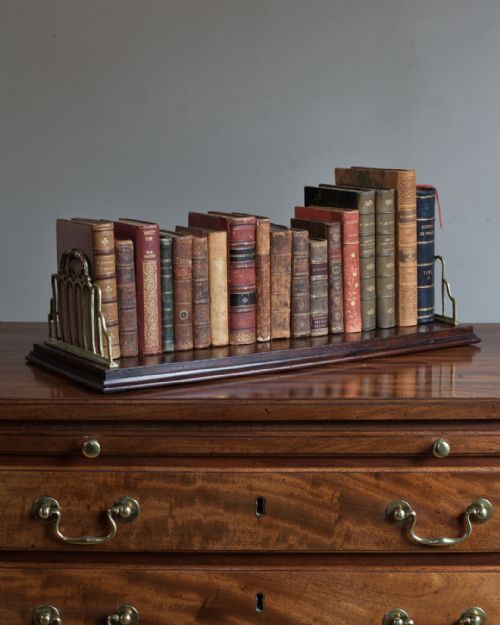
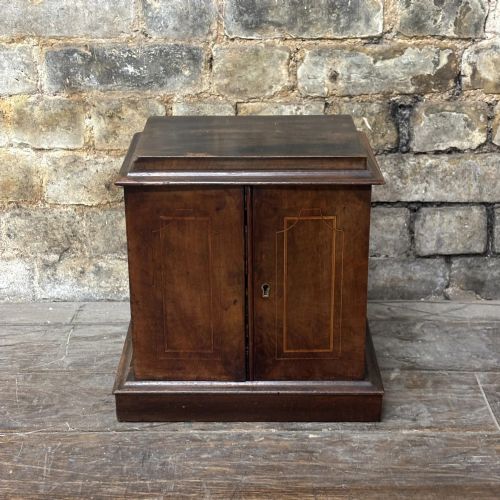
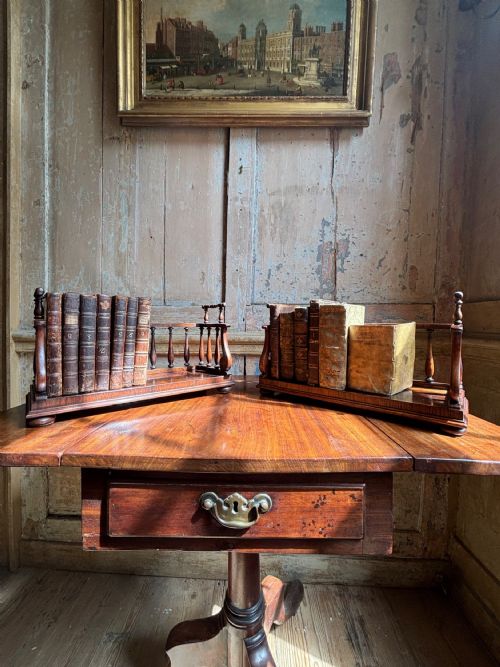
The most common formats meeting this description are miniature chests of drawers, stationery cabinets, and book carriers. These items range from Georgian oak bible boxes to Victorian mahogany filing drawers and Edwardian revolving bookcases.
Originating primarily from 18th-century, 19th-century, Regency, and Edwardian periods, these accessories served practical organisational roles in studies, offices, and libraries. Surviving examples reflect the specific filing and storage requirements of their respective eras.
Materials and construction techniques
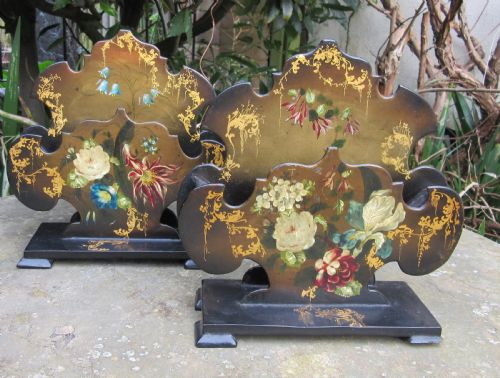
Timbers such as mahogany, oak, and rosewood form the primary structural materials for these pieces, supplemented occasionally by yew wood, beech, pine, and papier-mâché. Cabinet makers shaped these woods into compact storage units, utilising durable joinery suitable for daily desktop use.
Metal fittings in brass and iron appear frequently as drop handles, hinges, clips, and mounts, sometimes accompanied by ormolu accents on continental pieces. Surface treatments rely on polished wood finishes, natural patinas, and occasional paint.
Specialised forms incorporate carved details, glass, or mirrored elements, particularly on collector cabinets and gothic oak desk stands. Construction methods follow traditional cabinet-making practices of the Georgian, Victorian, and Edwardian eras.
Antique Tabletop Organiser Retail Price Guide 2026
Typical asking prices for tabletop organiser among the pieces listed under this phrase on Sellingantiques today, from the lower quarter to the upper quarter. They describe what is for sale here now, not the wider market.
Listings feature items spanning the 18th century through to the Edwardian period, constructed predominantly in mahogany, oak, and rosewood.
Indicators of quality
The standard of an antique tabletop organiser depends heavily on the selection of timber and the precision of its construction. Finely figured grain, such as matched mahogany or patterned rosewood veneers, distinguishes higher-grade pieces from plain utility items.
Proportion and execution define miniature furniture and apprentice chests, where the challenge lies in scaling down full-sized cabinetry accurately. Pieces that maintain correct architectural proportions and smooth drawer operation demonstrate superior workshop competency.
Gillows
The Antique Tabletop Organiser Glossary
- Apprentice chest
- A miniature chest of drawers created by a craftsman to demonstrate skill or as a scaled model. These pieces display the full joinery techniques of standard furniture.
- Wellington chest
- A tall, narrow chest of drawers secured by a locking side flap that fastens over the drawer edges. Tabletop versions provide secure compact storage.
- Book carrier
- A portable rack or stand fitted with a central handle for moving volumes between rooms. Regency examples frequently utilise rosewood with brass details.
- Patina
- The surface sheen and mellowing developed by wood over years of handling and polishing. Collectors value a rich patina as an indicator of age and care.
Antique Tabletop Organiser: Frequently Asked Questions
What is an antique tabletop organiser used for?
These pieces served as desktop accessories for sorting correspondence, holding reference books, and storing small valuables or documents.
Today, they function practically in modern studies or offices to organise stationery, letters, and modern desk accessories while adding period character.
How do I date a wooden desk organiser?
Dating relies on identifying timber choices, construction techniques, and stylistic markers associated with periods like the Georgian, Victorian, or Edwardian eras.
Examining internal secondary woods, drawer dovetails, and handle styles provides further evidence for establishing a piece's approximate age.
What is the difference between a desk stand and a cabinet?
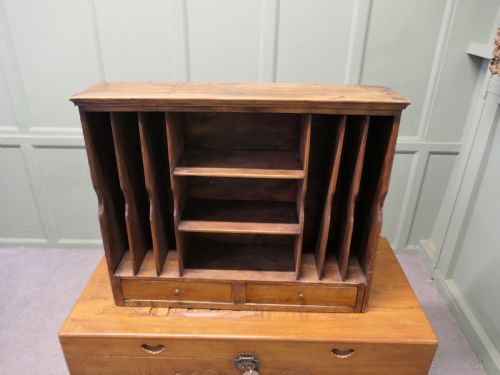
Desk stands typically offer open storage configurations such as book troughs, letter stands, and sloped writing compartments designed for immediate access.
Cabinets feature enclosed spaces with doors, fall fronts, or multiple small drawers to keep contents concealed and protected.
Are miniature chests the same as apprentice pieces?
Miniature chests encompass any small-scale drawer unit built for tabletop use, including children's furnishings and decorative storage.
Apprentice pieces specifically represent masterworks created by trainees to prove their proficiency in advanced woodworking joints and proportions.