

Antique Table with Tray
An antique table with tray combines portable serving utility with a fixed stand, bridging domestic practicality and period furniture design.
Antique Table with Tray
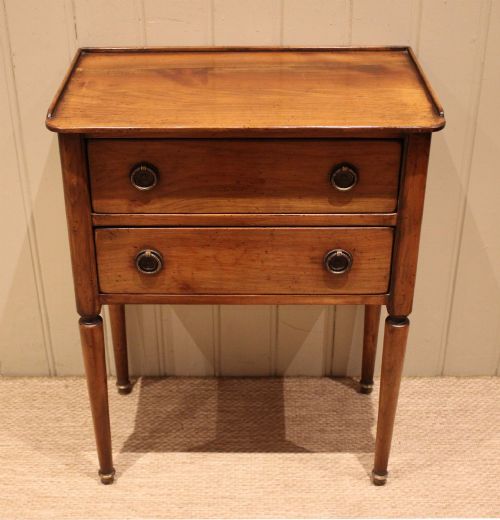
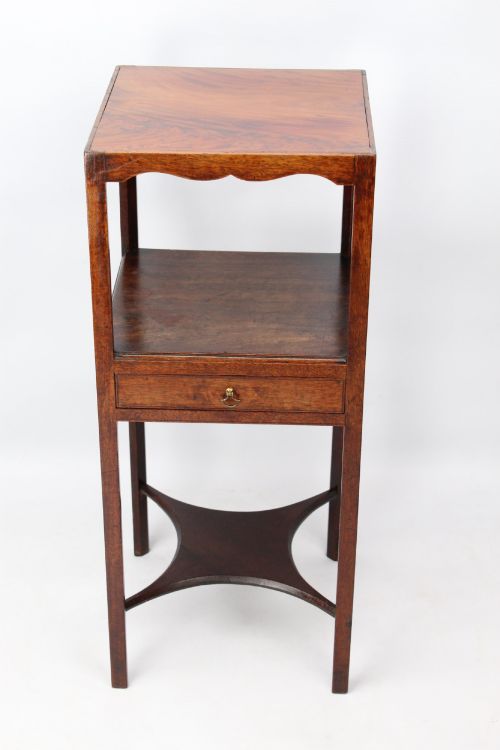
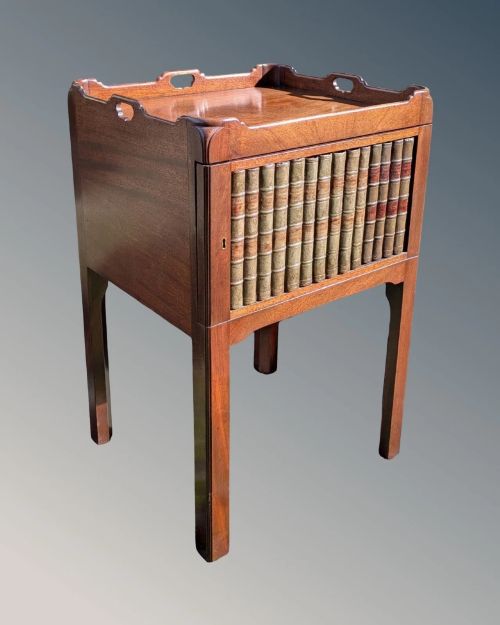
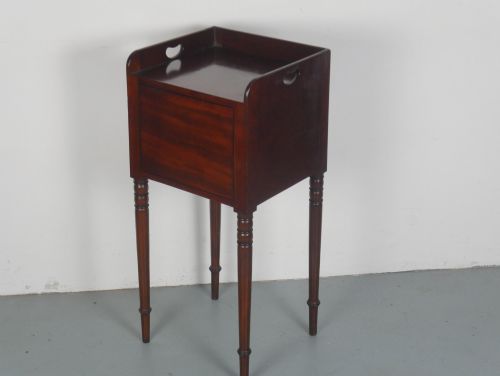
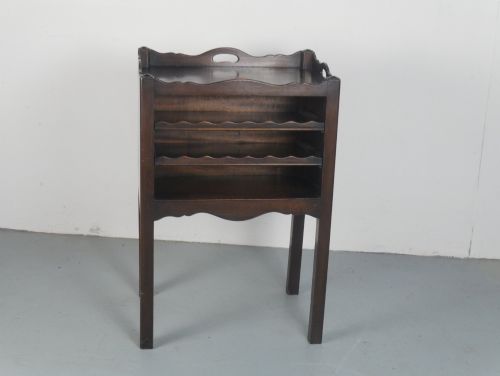
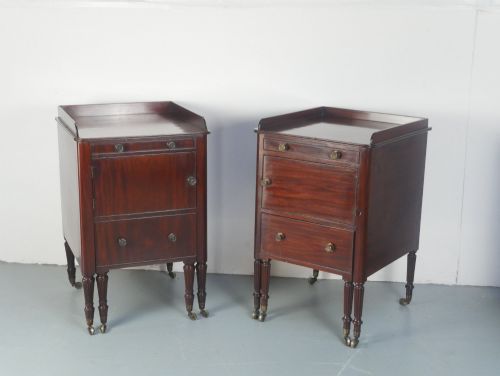
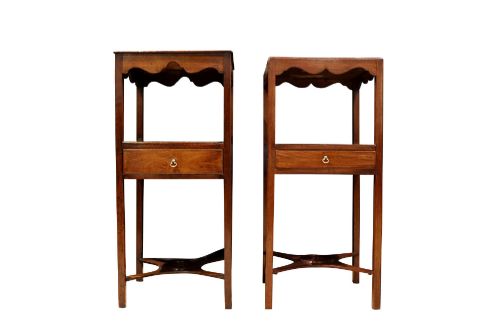
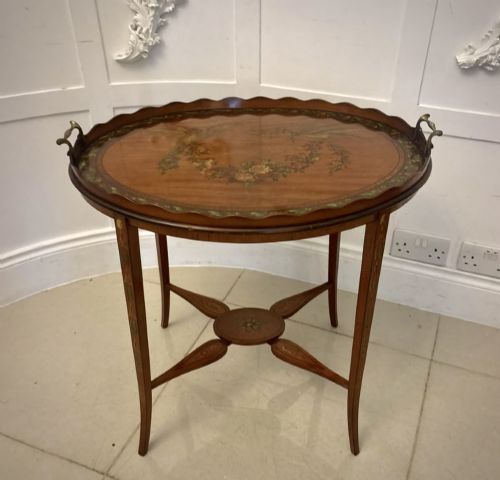
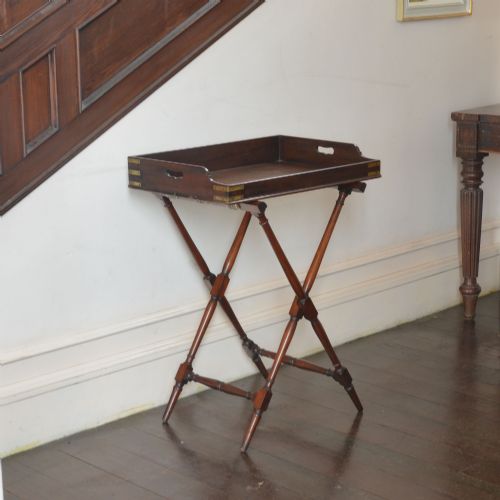
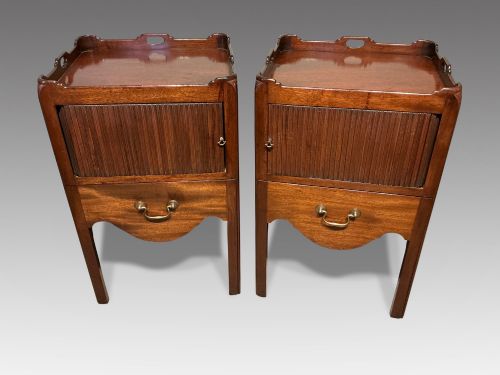
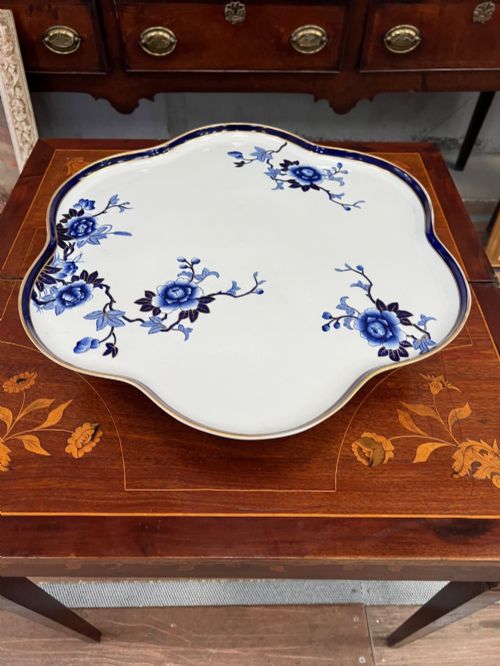
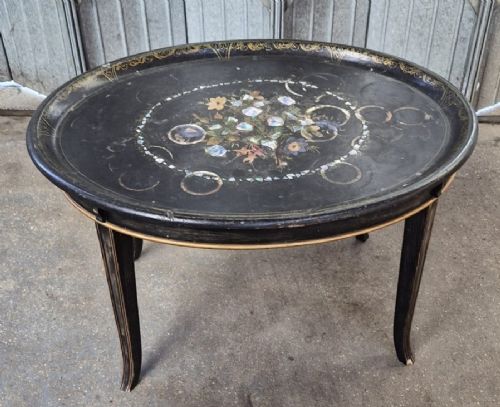
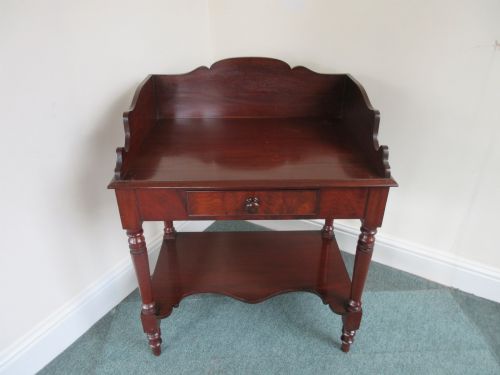
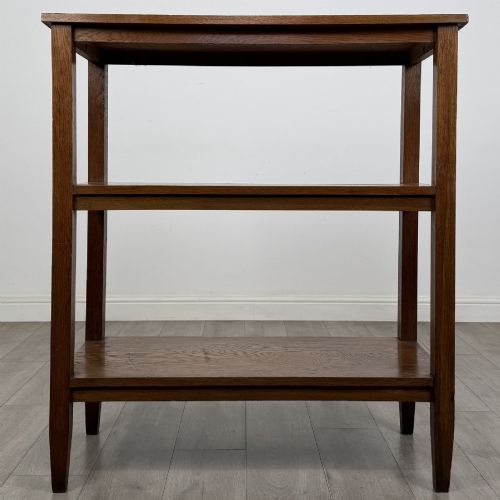
An antique table with tray appears across various historical periods, frequently taking the form of a butler's tray on a folding or rigid stand, an occasional table, or a bedside cabinet with a tray top.
The selections on this page span the 18th century through the early 20th century, encompassing Georgian, Victorian, and Edwardian examples alongside Regency and Art Nouveau pieces.
Buyers will encounter distinct configurations ranging from detachable trays resting on wooden supports to integrated tray-top commodes and side tables equipped with brass, copper, or mirrored glass inserts.
Materials and construction
Cabinetmakers relied heavily on mahogany, oak, and walnut, often utilising solid timbers alongside veneers and specialised woods such as kingwood and Cuban mahogany.
Metal and glass components feature prominently, including brass bound decoration, silver plated serving surfaces, engraved copper trays, and mirrored glass set into wooden frames.
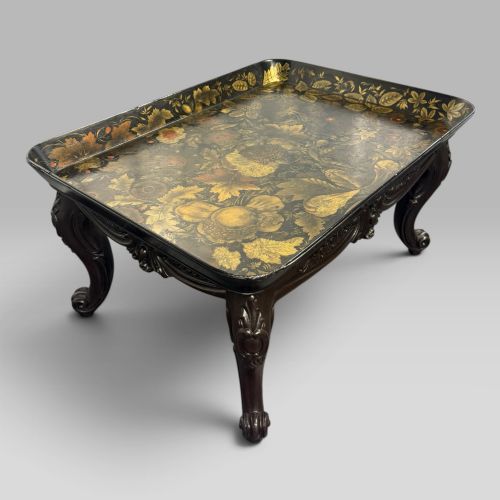
Construction techniques include traditional joinery for the stands alongside detailed decorative additions such as marquetry inlay, carved horn, painted Neo-Classical scenes, and Chinoiserie designs on papier mache.
Antique Table with Tray Retail Price Guide 2026
Typical asking prices for table with tray among the pieces listed under this phrase on Sellingantiques today, from the lower quarter to the upper quarter. They describe what is for sale here now, not the wider market.
Cartographers occasionally lent their trade to domestic wares, leaving behind unexpected serving trays mapped with European geography.
Assessing the craftsmanship
Quality rests in the harmony between the tray and its stand, particularly whether the two components share an original period relationship or represent a later pairing.
The refinement of the timber selection and the execution of details such as brass carrying handles, gallery rails, and dovetailed joints distinguish standard utilitarian pieces from finer examples.
The Antique Table with Tray Glossary
- Butlr's tray
- A removable shallow wooden tray with hinged or fixed sides, designed to sit upon a folding wooden stand for serving or clearing.
- Tray top
- A raised rim integrated directly into the upper surface of a table, commode, or nightstand to prevent items from sliding off.
- Gallery
- A low decorative railing, often pierced or fret-cut from brass or wood, surrounding the perimeter of a table or tray top.
- Commode
- A multipurpose enclosed piece of bedroom furniture, which in earlier periods frequently incorporated a tray top surface.
- Chinoiserie
- European decorative motifs inspired by Chinese art, commonly executed in lacquer or paint on papier mache trays.
Antique Table with Tray: Frequently Asked Questions
What is a butler's tray table?
A butler's tray table consists of a removable wooden tray resting upon a supporting stand, which could be folded away when not in use.
These pieces were originally designed for portable serving in large households before transitioning into flexible furniture for sitting rooms and bedrooms.
How do I date an antique tray table?
Dating relies on identifying the characteristic wood species, cabinetmaking techniques, and stylistic markers associated with periods like the Georgian, Victorian, or Edwardian eras.
Secondary woods, fastening methods, and surface wear provide further clues to confirm the manufacturing era of both the tray and its base.
Were these trays originally detachable?
Many traditional butler's trays were built to lift completely off their stands to allow servants to carry food or drinks.
Other variations feature fixed tray tops integrated permanently into the structure of side tables, nightstands, and bedside cabinets.
How do I care for a wood and metal tray table?
Maintaining these pieces involves protecting wooden surfaces with appropriate wax polishes and avoiding excessive moisture on antique veneers.
Silver plated or brass components require gentle cleaning with non-abrasive cloths to preserve the metal without damaging surrounding finishes.