

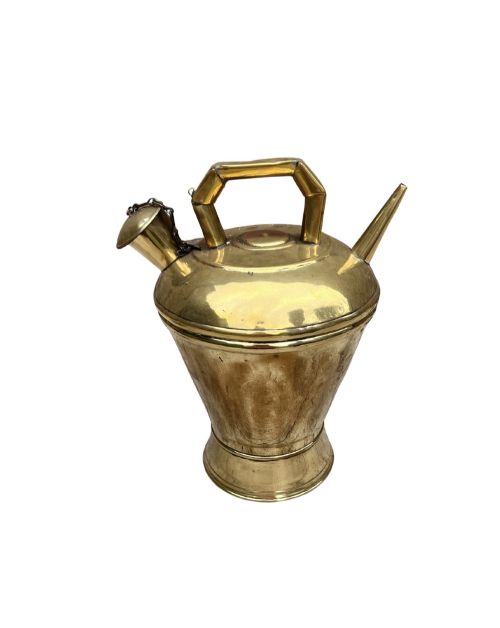
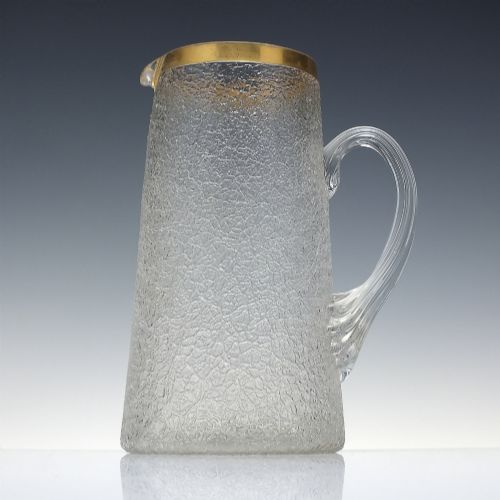


Antique Table Water Jug
These antique table water jug pieces bring service and display together on the dining table, offering varied materials from sterling silver to overshot glass.
Antique Table Water Jug
An antique table water jug serves as a functional vessel for water and a decorative centrepiece on the dining table. These pieces encompass forms such as pitchers, ewers, and hot water pots originating from the eighteenth century to the twentieth century.
The versions most likely to be met on this page span Victorian silver and glass, Edwardian designs, and Art Deco creations. Makers from notable factories and workshops produced these items in materials ranging from earthenware to sterling silver and silver plate.
How they were made
Makers utilised sterling silver and silver plate shaped through smithing and casting, alongside porcelain and earthenware formed by ceramic production. Glass pieces often exhibit cut glass techniques or overshot finishes paired with gilded rims.
Surface decoration draws on styles from Victorian Rococo Revival to Arts and Crafts and Art Deco. Gold leaf application and patterned glazes add decorative depth to ceramic and glass bodies.
Antique Table Water Jug Retail Price Guide 2026
Typical asking prices for table water jug among the pieces listed under this phrase on Sellingantiques today, from the lower quarter to the upper quarter. They describe what is for sale here now, not the wider market.
Materials represented across the inventory include sterling silver, silver plate, overshot glass, porcelain, earthenware, and gold leaf.
What varies in quality
Quality rests in the precision of the handle attachment, the weight and balance of the metal or ceramic body, and the crispness of any chased or cut decoration. Superior examples show careful finishing where the spout meets the neck and firm seating of hinged lids.
Attribution to known designers or prominent manufacturers elevates a piece above standard domestic ware. The clarity of glass, the richness of silver plating or solid metal gauge, and the exactness of ceramic patterns distinguish finer studio production.
Stevens and Williams·Charlotte Rhead·Dr Christopher Dresser·Minton·Coalport·Sue et Mare·Orfèvrerie Gallia·Maison Christofle
The Antique Table Water Jug Glossary
- Ewer
- A large jug or pitcher with a wide spout and elaborate handle, historically used for water or wine. Many Victorian and decorative examples survive.
- Overshot glass
- A technique where fine glass threads are trailed across the hot body of the vessel to create a textured, icy surface. This finish often appears on nineteenth-century pitchers.
- Sterling silver
- An alloy containing ninety-two point five percent silver by mass, standard for British domestic plate and tableware. Pieces carry hallmarks denoting the assay office and year.
- Silver plate
- A base metal coated with a thin layer of silver, offering the appearance of solid silver at a different scale of production. Lidded tankards and water jugs frequently utilise this method.
- Art Deco
- A design style emerging in the early twentieth century characterised by streamlined geometric forms and stylised motifs. Pieces from this period reflect modern manufacturing alongside traditional craftsmanship.
Antique Table Water Jug: Frequently Asked Questions
How do I care for antique silver water jugs?
Wash silver pieces by hand using mild soap and warm water, drying them thoroughly with a soft cloth to prevent water spots. Avoid abrasive cleaners that can wear away thin plating or fine chasing.
Store silver in tarnish-resistant cloths or dry environments when not in use on the table.
Can I use these jugs for daily dining?
Many solid silver, silver-plated, and ceramic jugs remain entirely functional for serving water or beverages at the modern table. Glass and porcelain pieces require gentle handling due to age and delicate handles.
Inspect handles and spouts before use to ensure structural stability.
How do I identify the period of a metal jug?
Silver pieces carry hallmarks that indicate the assay office, city, and exact year of manufacture. Stylistic clues such as Victorian Rococo Revival scrolls or Art Deco geometry also point toward specific decades.
Matching the form with known manufacturer marks helps narrow down the production date.