



Antique Table Ware
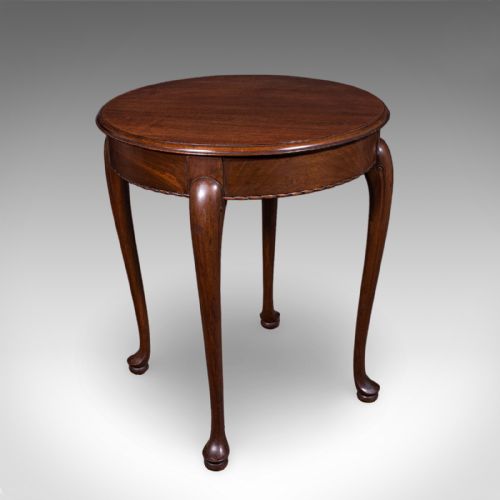
These antique table ware pieces range from inlaid occasional tables to porcelain lamps, offering useful surfaces and decorative accents for the home.
Antique Table Ware
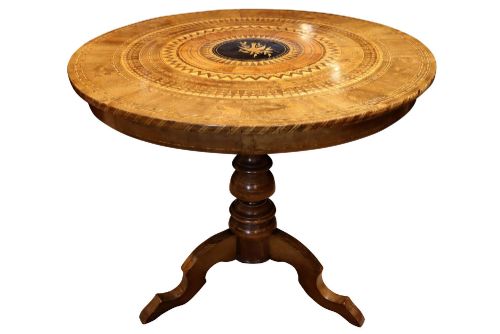
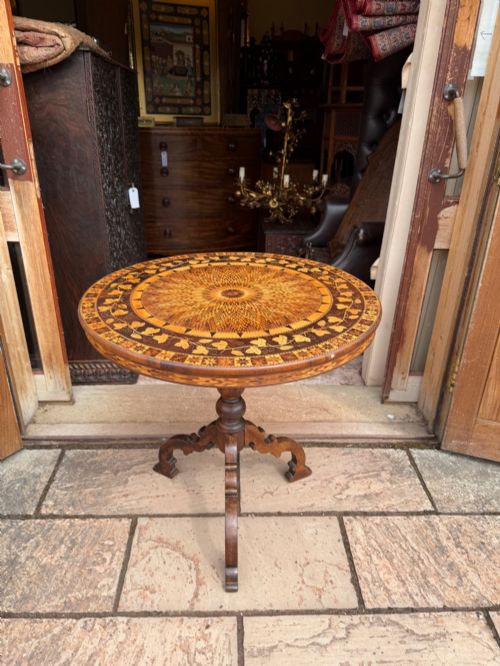
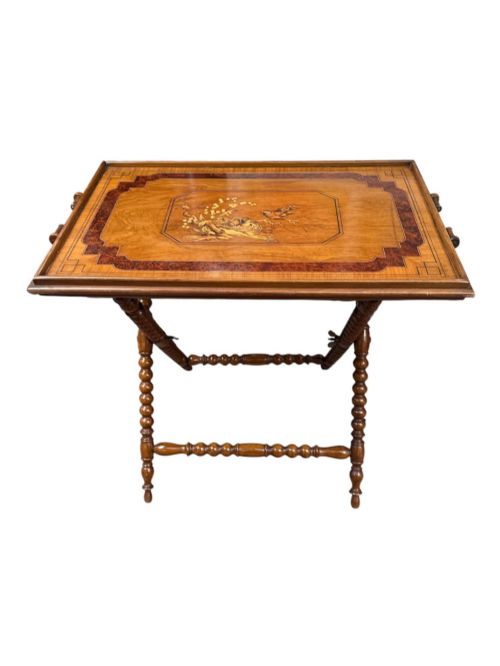
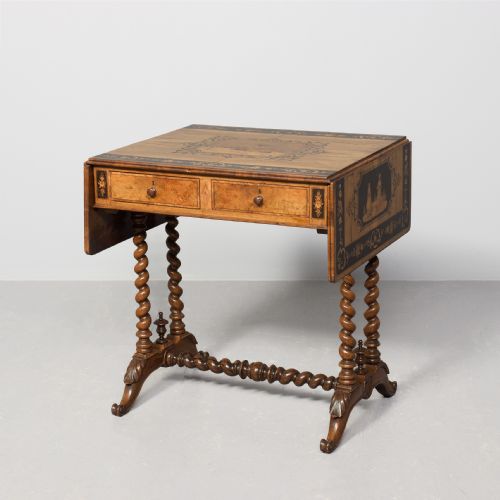
When you search for antique table ware, you encounter a varied assortment of domestic items designed for placement on furniture or used as small tables themselves. The selection leans heavily toward occasional tables, side tables, and centre tables originating from Italy, alongside table lamps, spirit kettles, and decorative vessels.
You are most likely to meet nineteenth-century and early twentieth-century examples, particularly Victorian and Edwardian pieces. These span regional traditions from Sorrento and Killarney to English cabinet work and Asian ceramics adapted for domestic illumination.
How they were made
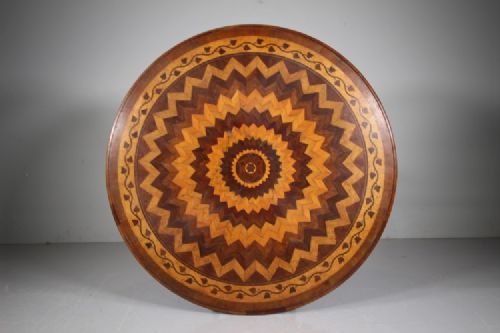
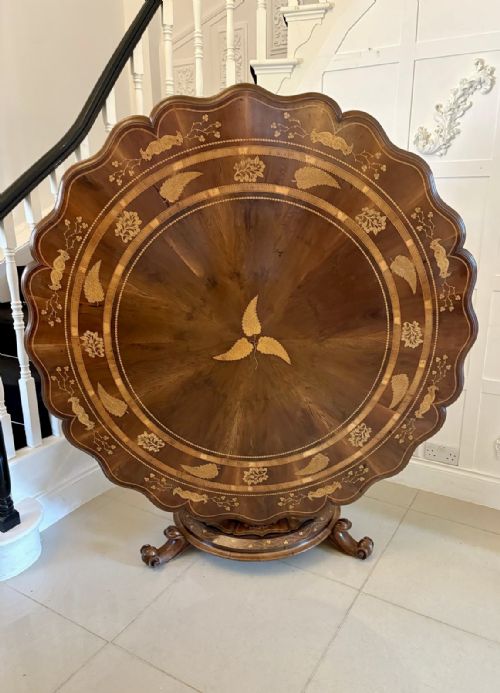
The construction relies on cabinet timbers such as walnut, mahogany, olive wood, and fruitwood, frequently enhanced with intricate marquetry, parquetry, and inlaid wood patterns. Craftspeople utilised traditional joining methods alongside specialised wood-turning and slicing techniques to achieve geometric and pictorial surface designs.
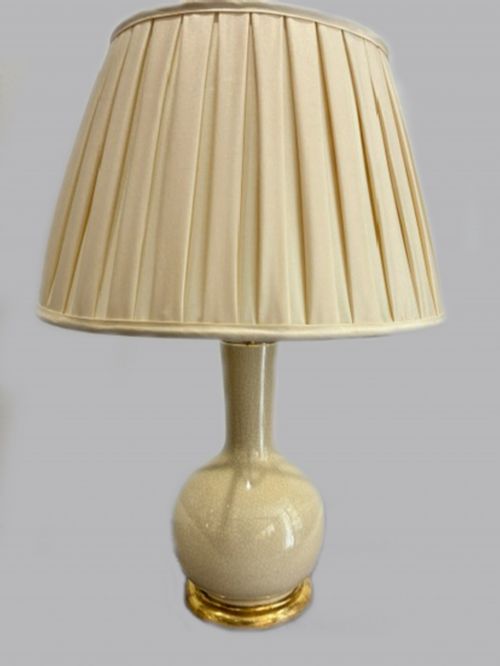
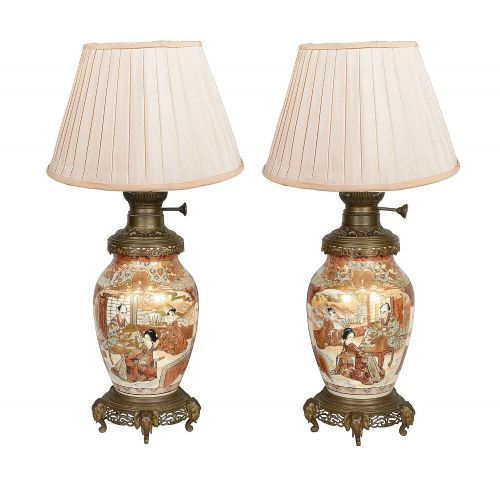
Ceramic and metal objects demonstrate distinct production methods, including porcelain moulding, cloisonne enamel work, and brass fabrication. Many lighting conversions utilise period vases and vessels fitted with electrical components while retaining their original glazed or patinated surfaces.
Materials documented across the inventory include walnut, brass, olive wood, mahogany, porcelain, fruitwood, fabric, and tortoiseshell.
What varies in quality
Quality rests primarily upon the precision and complexity of the surface decoration, whether in the tightness of wood marquetry panels or the clarity of hand-painted porcelain glazes. Pieces displaying balanced proportions and crisp detailing distinguish themselves from simpler or more repetitive production.
The choice of secondary timbers and the integrity of structural joins also separate standard domestic items from exhibition-grade examples. Well-preserved finishes that retain their original warmth without aggressive restoration indicate superior historical care.
Waring and Gillow·Egan Workshop·Charlotte Rhead·Kerr and Binns
The Antique Table Ware Glossary
- Marquetry
- Decorative veneer work forming pictorial or geometric patterns using various coloured woods. It is applied carefully to table tops and cabinet surfaces.
- Parquetry
- Geometric mosaic woodwork forming repeating patterns like squares or triangles. This technique creates durable and visually striking tabletops.
- Sorrento ware
- Inlaid wooden items produced in the Italian coastal town, typically featuring floral or architectural motifs. Walnut and olive wood are common bases for these souvenirs.
- Killarney ware
- Irish decorative woodwork characterised by intricate marquetry using native timbers such as arbutus and yew. Pieces often incorporate shamrock motifs and local scenes.
- Treen
- Small handmade wooden domestic objects such as boxes, egg stands, and desk items. Collectors value the tactile surfaces and aged patination of these pieces.
Antique Table Ware: Frequently Asked Questions
What is an occasional table?
An occasional table is a small, portable piece of furniture designed for specific, intermittent uses around a room, such as holding a lamp or book.
These versatile items appear frequently in nineteenth-century interiors where mobility and flexibility in room layout matter.
How do I identify Sorrento ware?
Sorrento ware is identified by its distinctive wood inlay, often showing meticulous micro-mosaic floral or architectural scenes set into walnut or olive wood.
Originating in Italy, these pieces frequently include tables, boxes, and trays brought back by nineteenth-century travellers.
Where were spirit kettles used?
Spirit kettles were utilised in the drawing room or dining room to maintain hot water for tea service using an integrated burner.
Edwardian and Victorian households relied on these stands for entertaining guests without returning constantly to the kitchen.
Can I use antique lamps safely?
Antique lamp conversions require professional rewiring and PAT testing to ensure modern electrical safety standards are met.
Retaining the original ceramic or brass body while updating the internal wiring allows you to enjoy historical vessels as functional lighting.