

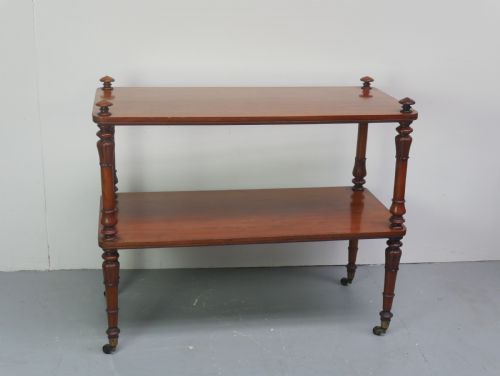
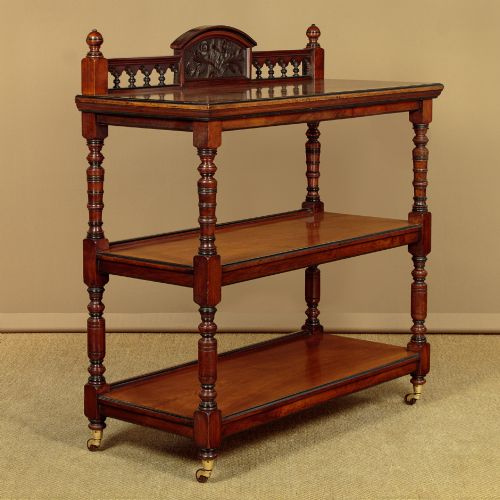


Antique Table Wagon
These antique table wagon examples are functional serving pieces and tiered side tables that bring practical mobility and period character to dining spaces.
Antique Table Wagon
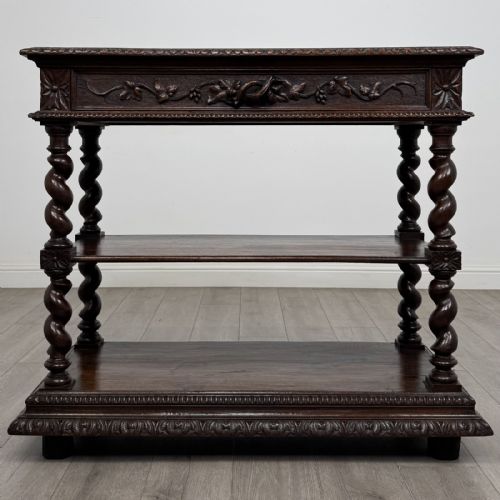
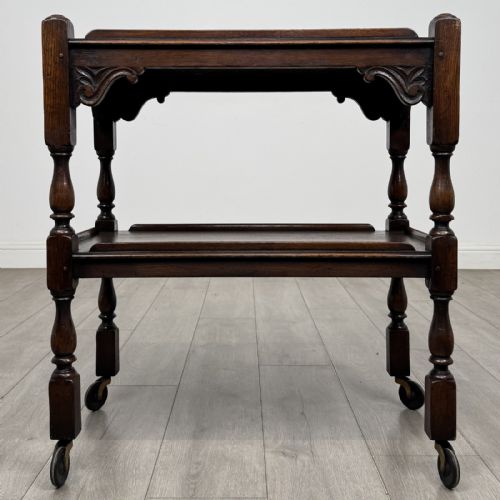
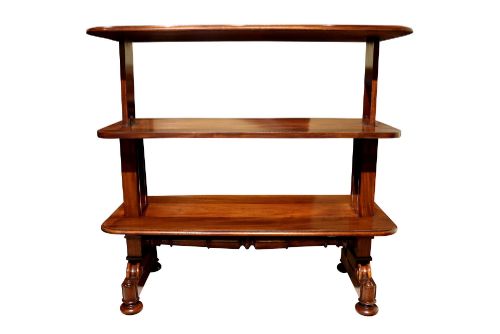
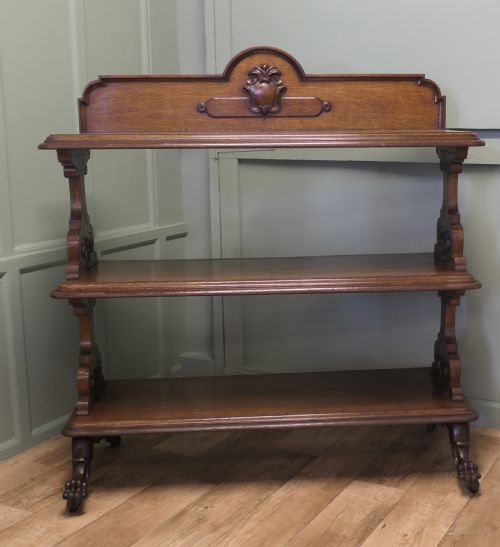
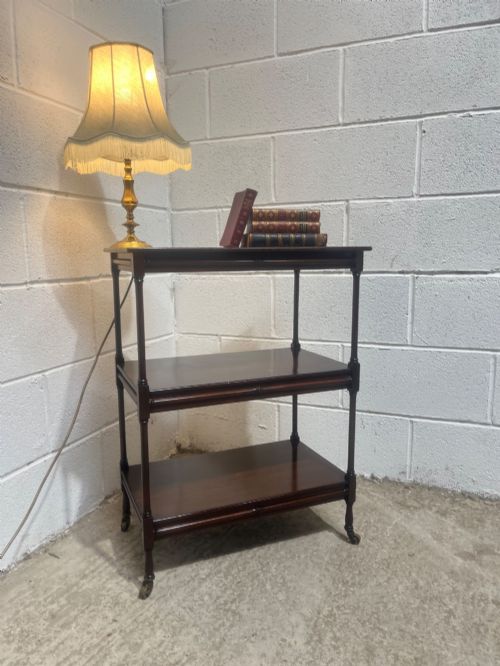
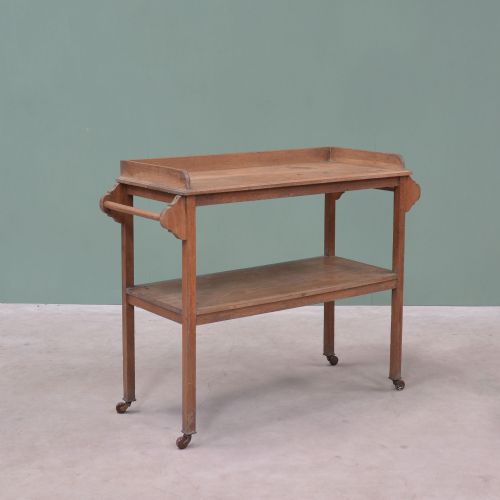
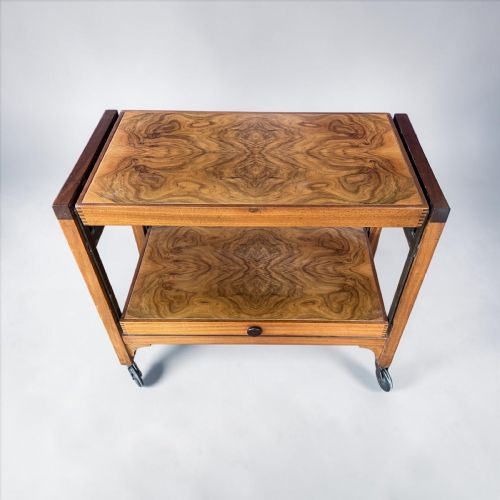
When you search for an antique table wagon, you encounter multi-tiered serving furniture, dumb waiters, and rolling side tables designed for dining convenience. The pieces span the nineteenth century into the Edwardian era and the nineteen-thirties, covering forms from simple tea trolleys to substantial three-tier buffets.
The material palette draws heavily on timbers like mahogany, oak, walnut, and pollard oak, alongside brass and metal details. Many incorporate castors to allow smooth movement across dining and drawing rooms.
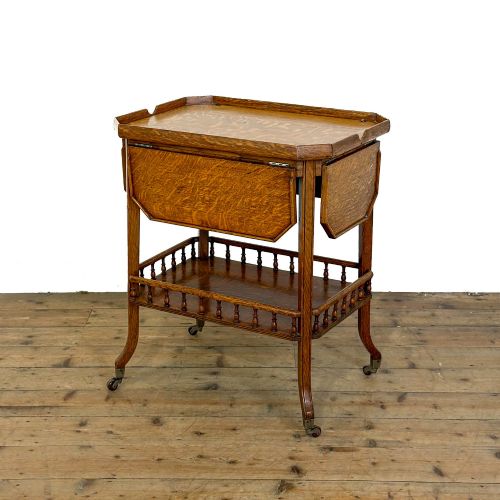
Common configurations include drop-leaf tops, folding mechanisms, and multi-shelf structures intended to hold dishes, bottles, and glassware during meals.
Materials and construction methods
Cabinetmakers utilised dense hardwoods such as mahogany and oak, often shaping them with turned supports, carved rails, and tiered platforms. Joinery techniques ensured sturdy frames capable of bearing weight on multiple levels.
Metal components, including brass castors and silver-plated elements, were integrated to provide mobility and decorative contrast against the dark wood surfaces.
Specialised mechanisms such as rise-and-fall actions, folding tops, and metamorphic designs allowed certain trolleys to adjust their height or surface area according to use.
Antique Table Wagon Retail Price Guide 2026
Typical asking prices for table wagon among the pieces listed under this phrase on Sellingantiques today, from the lower quarter to the upper quarter. They describe what is for sale here now, not the wider market.
Several trolleys feature folding tops that whisper politely of Victorian afternoon tea gossip.
Distinctions in construction and design
The standard of timber selection and carving depth marks the primary difference across examples, with superior pieces displaying carefully matched veneers and crisply defined mouldings. Lesser items rely on simpler construction and plain secondary woods.
The integrity of moving parts, such as original castors, folding hinges, and rise-and-fall mechanisms, determines the functional success of the piece. Replacements or stiff joints alter how the furniture performs its role.
Design ambition separates basic utility items from sophisticated creations referencing cabinet-making traditions, such as pieces echoing known workshop patterns.
The Antique Table Wagon Glossary
- Dumb waiter
- A multi-tiered serving stand or trolley used to hold food and drink near a dining table without requiring servant attendance. These pieces typically feature two or three graduating shelves on castors.
- Rise-and-fall
- A mechanical system enabling certain shelves or tiers to adjust in height. This mechanism uses threaded screws or ratchets concealed within the central supports.
- Castor
- A small wheel mounted on a swivel attached to the base of furniture legs. They permit heavy serving tables and trolleys to roll smoothly across carpets and wooden floors.
- Pollard oak
- Oak timber obtained from pollarded trees, exhibiting a dense, speckled cluster grain pattern. Cabinetmakers prized this decorative wood for prominent panels on nineteenth-century sideboards and buffets.
- Metamorphic
- Furniture designed to transform into different shapes or functions through folding, sliding, or pivoting actions. Such designs maximise utility in domestic spaces.
Antique Table Wagon: Frequently Asked Questions
What is an antique table wagon used for?
These pieces served historically to transport dishes, glassware, and wine bottles between the kitchen and the dining room. They kept extra courses and beverages close at hand during formal meals.
Today, they function as mobile drinks bars, side tables, or display surfaces in living areas and dining rooms, offering portable storage with historical character.
How do I date an antique serving trolley?
Dating relies on identifying the prevailing timber choices, hardware, and structural styles associated with specific eras. Regency and William IV pieces often display bold mahogany turnings, while Victorian versions favour heavier three-tier shelf arrangements on castors.
Edwardian items frequently introduce lighter oak frames with folding flaps for tea service, whereas nineteen-thirty pieces incorporate streamlined Art Deco lines and metamorphic actions.
Are these trolleys sturdy enough for daily use?
Most examples were built by cabinetmakers using solid hardwoods and robust joinery designed to carry heavy ceramic and glass vessels. Their sturdy construction permits regular use in modern households.
Care should be taken with older mechanical joints, such as folding leaves or rise-and-fall screws, to avoid straining the original wood and metal components.
What is the difference between a buffet and a trolley?
Buffets generally refer to static sideboards or multi-tiered serving stands fixed in position against a wall or beside a dining table. They offer substantial shelf space for food presentation.
Trolleys incorporate castors and smaller frames designed specifically for mobility, allowing the entire unit to roll across the floor during service.