

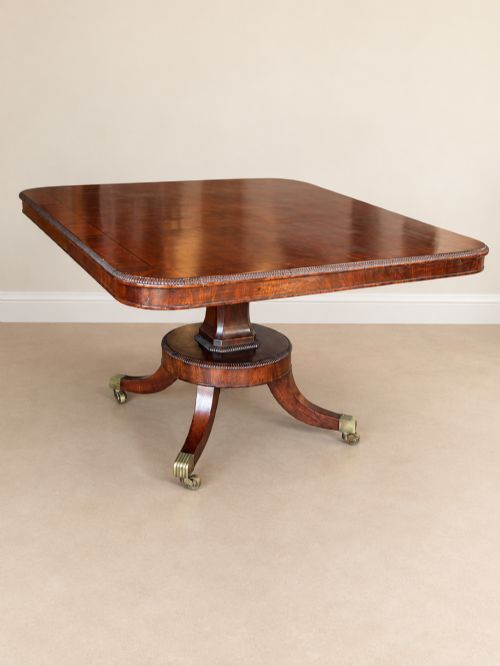
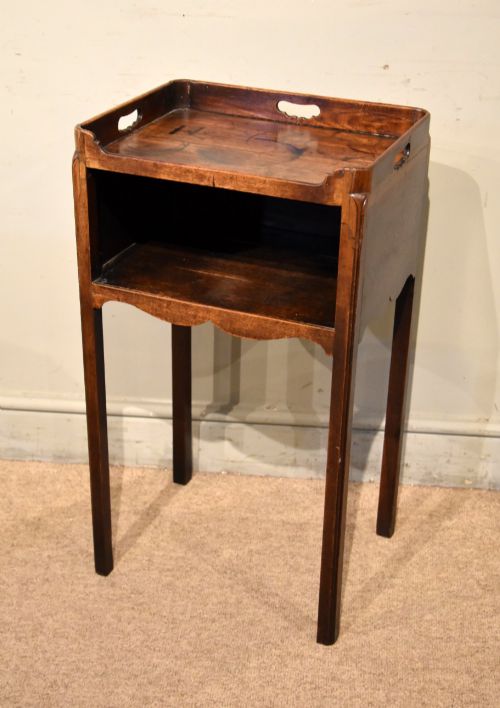
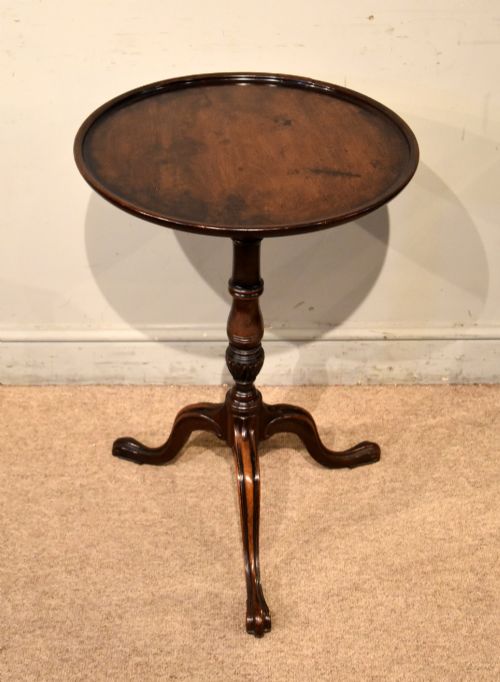
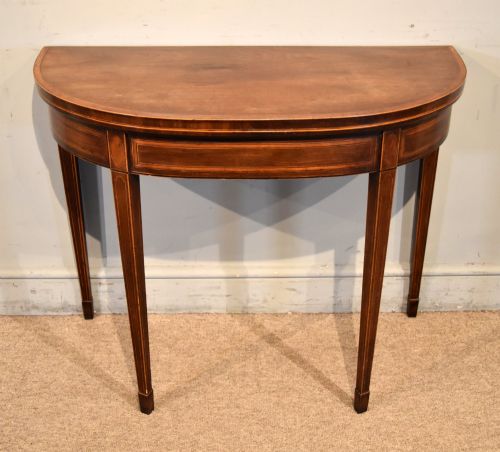
Antique Table Top
An antique table top brings solid timber, period craftsmanship, and functional surface space into a room.
Antique Table Top
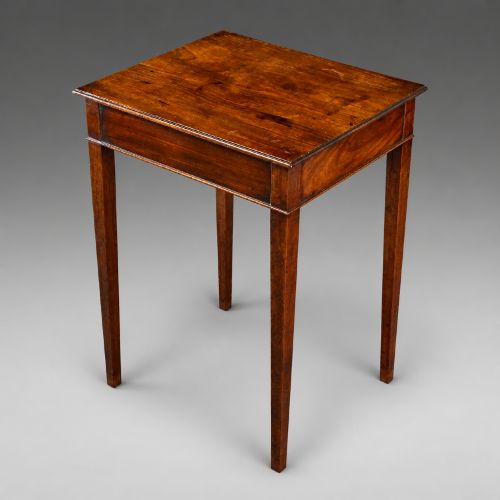
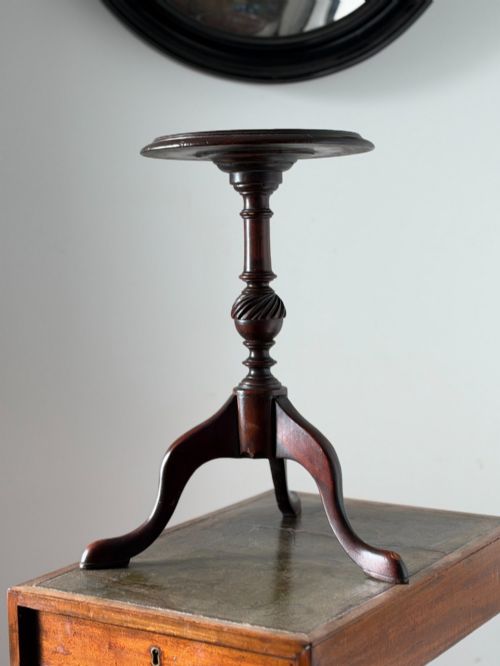
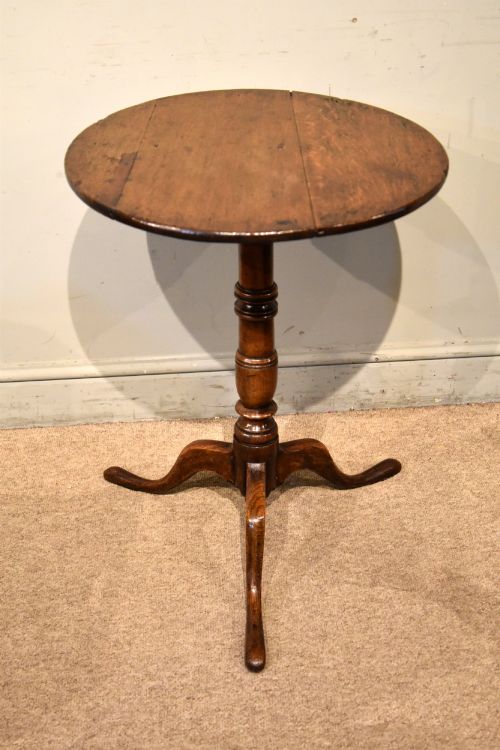
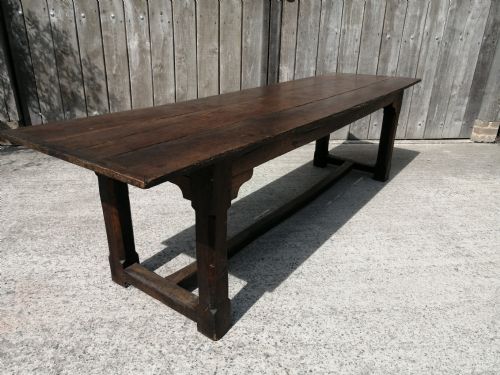
When searching for an antique table top, buyers encounter surfaces drawn from dining tables, side tables, desks, and occasional tables spanning the eighteenth and nineteenth centuries. These pieces represent the upper sections or dedicated tops of period furniture built from robust timbers.
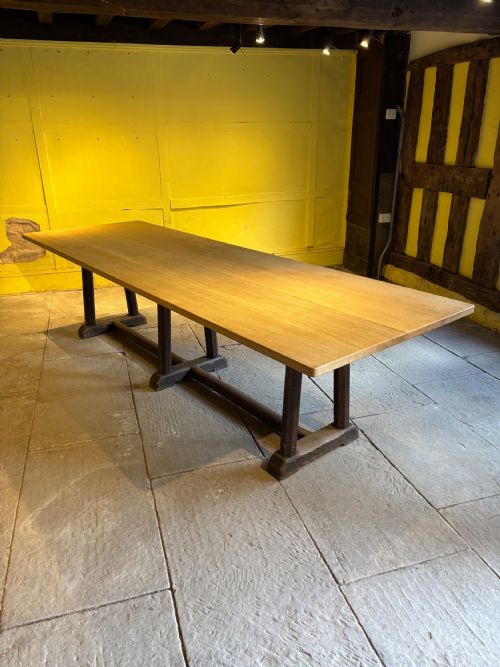
The selections available here range from formal Georgian dining surfaces and Regency rosewood centre tables to Victorian walnut writing desks and heavy oak farmhouse tops. Each piece displays the specific proportion and joinery characteristic of its original period of manufacture.
Buyers are most likely to find solid timber constructions designed for domestic utility, whether in formal mahogany or vernacular oak. The pieces reflect the changing domestic habits of the Georgian, Victorian, and Edwardian eras through their varied scales and surface configurations.
Evaluating Quality and Craftsmanship
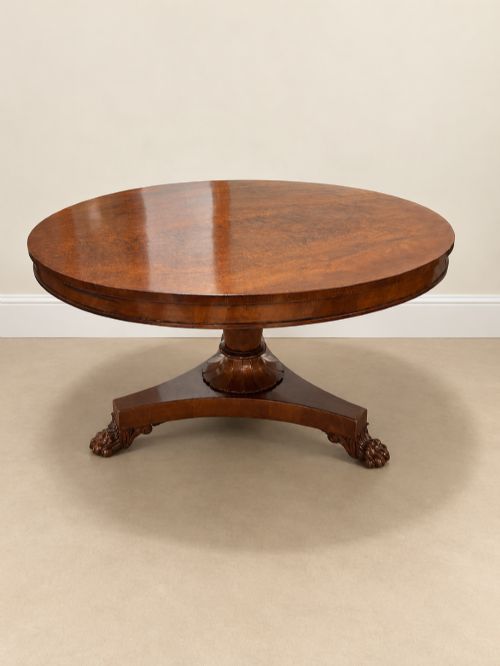
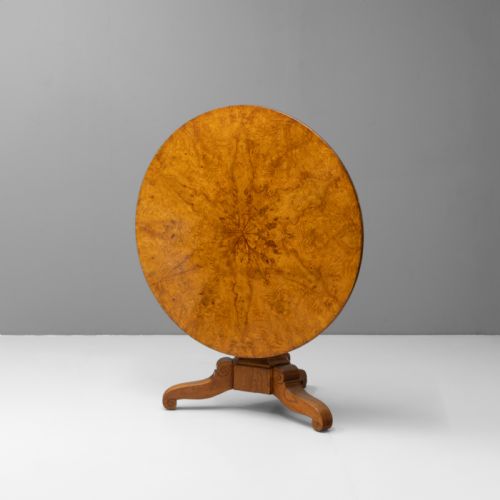
Quality in these surfaces rests on the selection of timber and the integrity of the underlying construction. Superior examples exhibit tightly figured grain, such as flame mahogany or burr walnut, matched carefully across the expanse of the board.
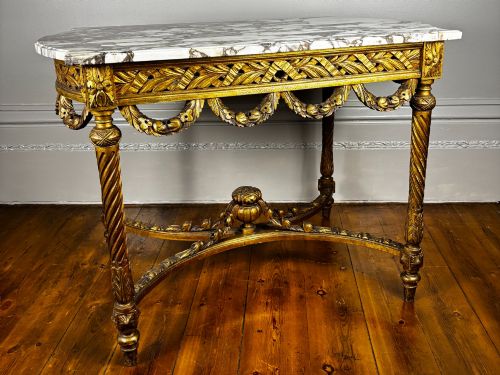
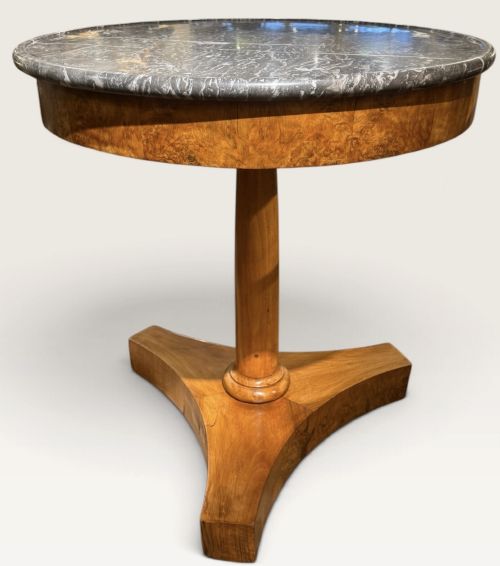
The joinery and edge profiling separate standard utility pieces from high workshop production. Fine execution shows in crisp mouldings, unwarped timber planes, and the careful integration of secondary materials like leather or marble.
Antique Table Top Retail Price Guide 2026
Typical asking prices for table top among the pieces listed under this phrase on Sellingantiques today, from the lower quarter to the upper quarter. They describe what is for sale here now, not the wider market.
Listings include functional forms ranging from campaign tables and writing desks to tilt-top breakfast tables and marble-topped console pieces.
Gillows·Liberty s
The Antique Table Top Glossary
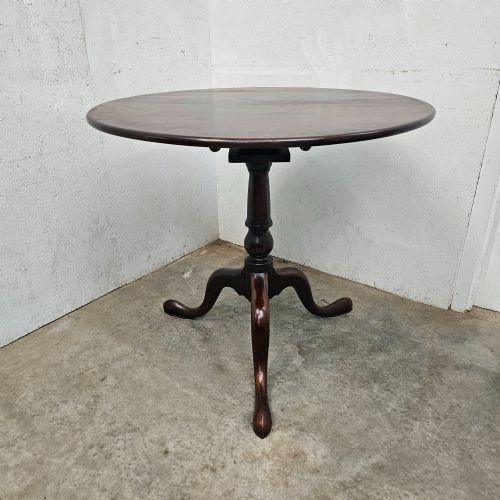
- Tilt top
- A mechanism allowing the table top to pivot to a vertical position when not in use. This design saved space in smaller period rooms.
- Centre table
- A freestanding table finished on all sides to stand in the middle of a room rather than against a wall. These pieces often feature circular or octagonal surfaces.
- Flame mahogany
- A veneer cut from the fork of the mahogany tree where the branch meets the trunk. It creates a distinctive, fiery wave pattern across the surface.
- Inlay
- The technique of embedding pieces of contrasting wood, brass, or other materials into depressions in the base wood. It forms decorative patterns across the table top.
- Gallery
- A raised wooden or metal rim around the edge of a table top. This feature prevented objects from sliding off the surface.
Antique Table Top: Frequently Asked Questions
How do I care for an antique wooden table top?
Maintain the finish by applying natural beeswax periodically and buffing it gently with a soft cloth. Keep the timber away from direct heat sources and strong sunlight to prevent drying and splitting.
Use coasters and placemats to protect the polished surface from moisture and heat damage. Avoid using modern silicone-based sprays, which can build up and soften the historic polish.
Can I use an antique table top on a modern base?
Many historical table tops function successfully as standalone desks or console surfaces when paired with appropriate support. Ensure the weight of the timber is supported properly by the chosen base to prevent warping over time.
Check the underside of the top for original cleats or mounting points that indicate how it was secured originally. Professional fitting helps preserve the structural integrity of the antique wood.
What is the difference between a tea table and a card table?
Tea tables typically feature a fold-over top designed to hold tea service equipment in eighteenth-century reception rooms. They are generally lighter in scale and built for occasional placement against a wall.
Card tables incorporate a hinged leaf that opens to reveal a felt or leather-lined playing surface for games. These pieces often include a hidden well beneath the folding top for storing cards and counters.