




Antique Table Top Frame
An antique table top frame delivers a distinct surface for display or support, bringing functional history directly to your interior.
Antique Table Top Frame
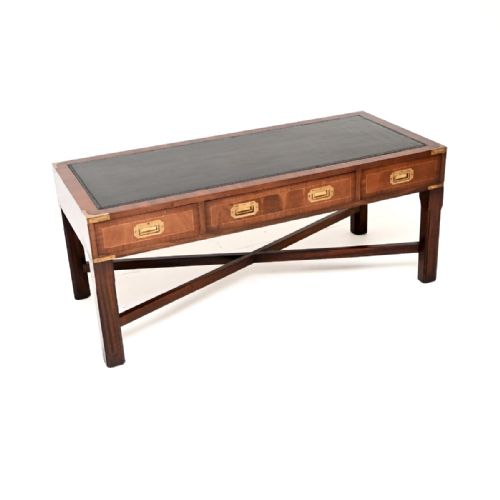
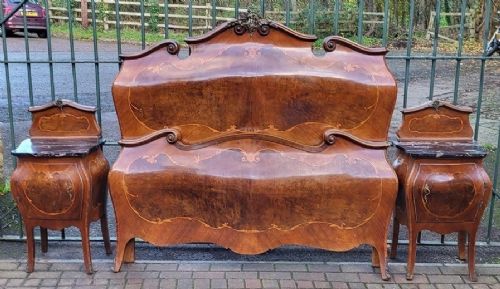
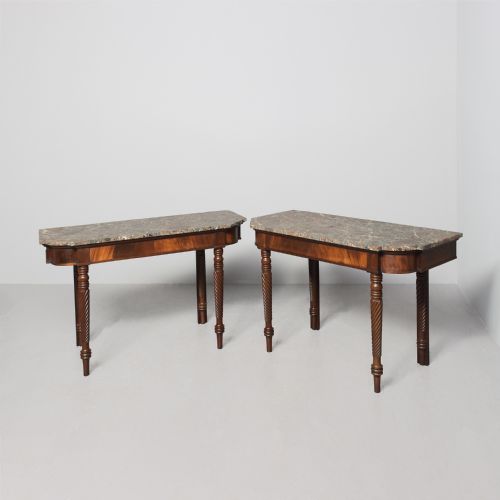
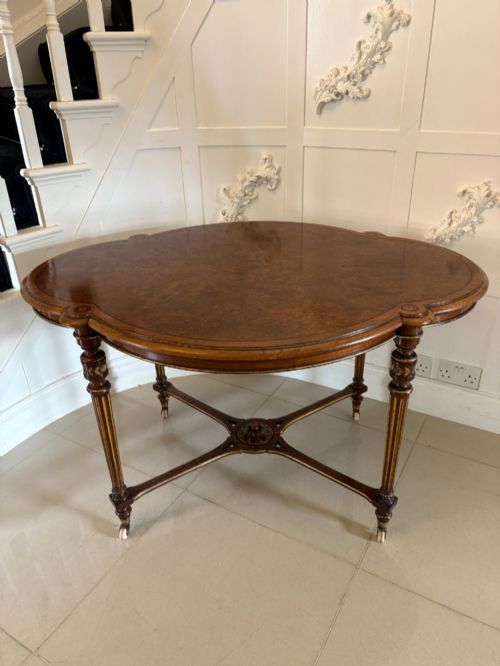
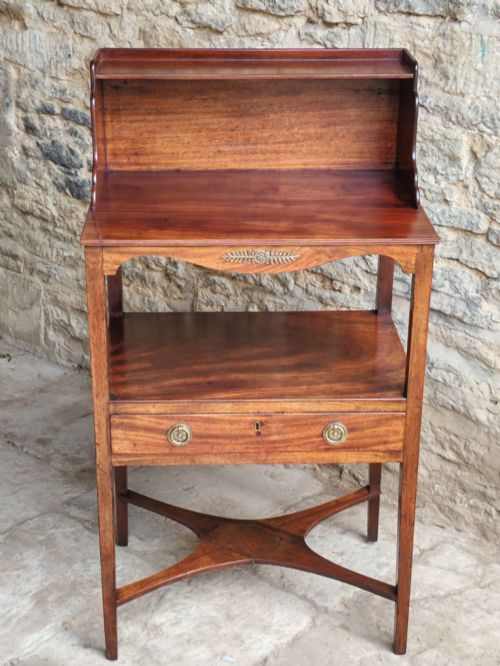
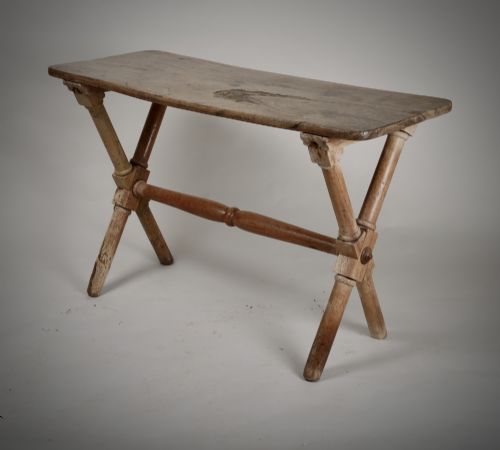
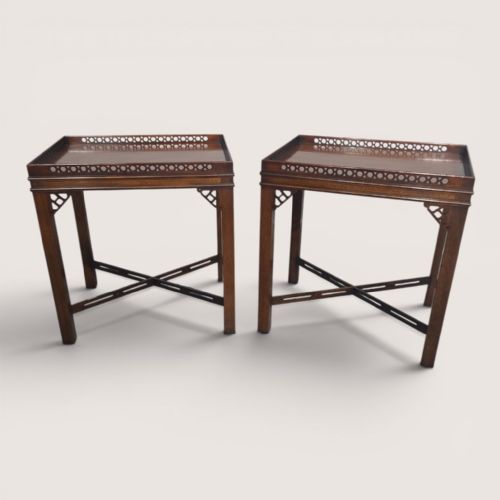
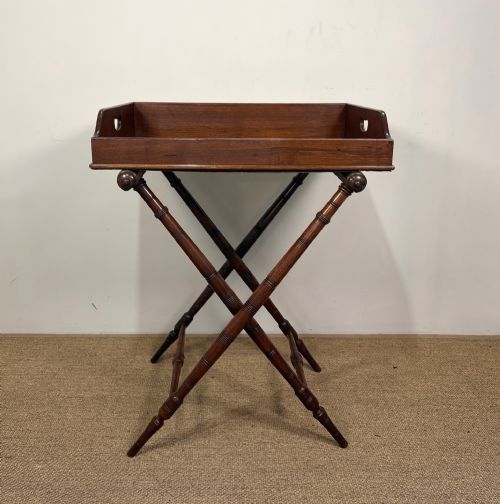
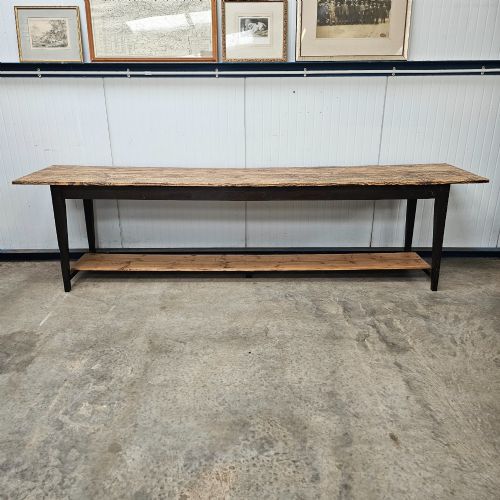
When you search for an antique table top frame, you encounter varied structural configurations spanning the nineteenth century through the early twentieth century. The selections available here incorporate materials like wood, glass, and brass, crossing styles from Victorian and Georgian to Arts and Crafts.
Most items you meet on this page lean towards sturdy timber supports or specialised display housings. These pieces originate from domestic settings, workshops, and provincial homes, reflecting the diverse utility demanded by past households.
Materials and construction methods
Craftsmen utilised solid timbers such as mahogany, oak, pine, and walnut, often shaping them with hand tools to achieve structural stability. Joinery techniques relied on traditional framing methods to endure daily wear.
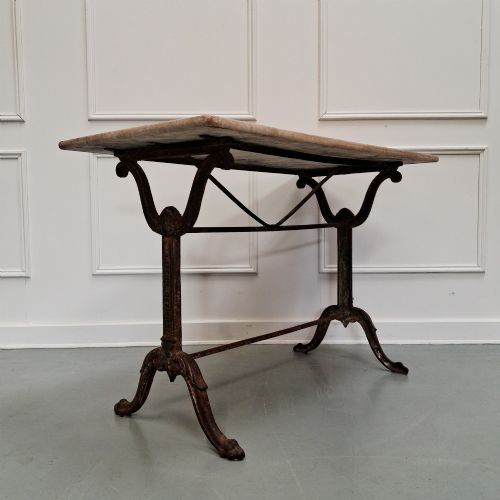
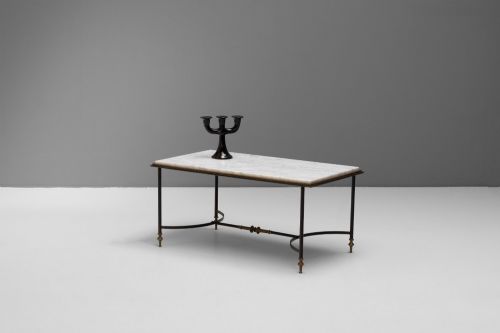
Metal components like brass and cast iron appear frequently in bases and fittings, providing durable counterweights to wooden or glass upper sections. Surface treatments ranged from natural wax finishes to applied paint and gilt.
Antique Table Top Frame Retail Price Guide 2026
Typical asking prices for table top frame among the pieces listed under this phrase on Sellingantiques today, from the lower quarter to the upper quarter. They describe what is for sale here now, not the wider market.
The inventory encompasses pieces originating from the nineteenth century up to the nineteen-thirties.
Evaluating build and finish
The standard of a piece rests on the precision of its joinery and the selection of timber grain. Superior examples demonstrate tight framing and balanced proportions without relying on excessive decorative additions.
Original surface patination and intact hardware separate standard utility items from finer specimens. Evidence of thoughtful hand-finishing elevates the character of the frame significantly.
John Taylor Edinburgh·R. Pernice
The Antique Table Top Frame Glossary
- Mahogany
- A durable tropical hardwood prized for its deep reddish-brown tone and smooth grain. It frequently appears in formal nineteenth-century furniture.
- Brass
- A yellow alloy of copper and zinc utilised for decorative mounts, handles, and structural frames. It develops a warm patina with age.
- Pine
- A soft timber common in provincial and farmhouse furniture. It accepts paint and washes readily.
- Victorian
- A design period spanning the reign of Queen Victoria, characterising diverse revival styles and industrial manufacturing techniques.
Antique Table Top Frame: Frequently Asked Questions
What is an antique table top frame used for?
These items serve primarily to support surfaces or enclose specific objects for display. They function effectively on larger furniture pieces to organise smaller domestic articles.
Their robust construction allows them to handle everyday items while adding period character to a room.
How do I identify the wood type?
Inspect the grain pattern, weight, and natural colour under good lighting. Mahogany displays a reddish hue and fine grain, whereas oak shows prominent growth rings.
Pine is lighter in weight and colour, often showing knots throughout the surface boards.
Where should I place these frames?
Position them on sturdy sideboards, console tables, or dedicated stands where the framing profile remains visible. Ensure the supporting surface matches the scale of the piece.
Keep them away from direct heat sources to preserve the integrity of the timber and any applied finishes.
How do I care for the surface?
Dust regularly with a dry, soft cloth to prevent particulate buildup on the wood or metal. Apply a quality microcrystalline wax periodically to nourish timber frames.
Avoid silicone-based sprays, which can degrade historic finishes over time.