
Antique Table Tableware
Antique table tableware brings together sterling silver, glass, and velvet to dress the dining room across Victorian, Edwardian, and Art Deco periods.
Antique Table Tableware
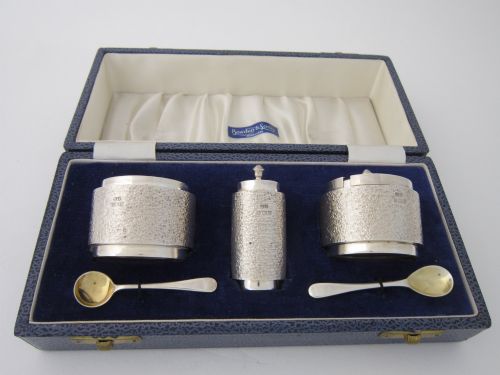
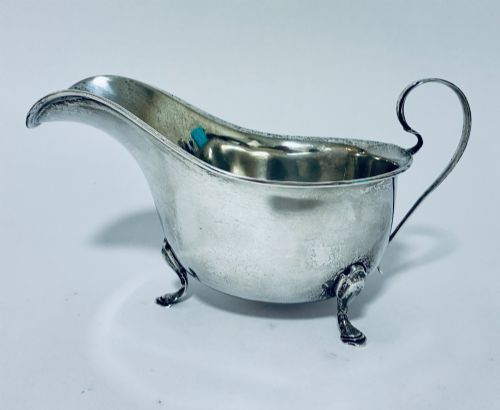
Antique table tableware encompasses a wide range of dining accessories designed for serving and placement during formal meals.
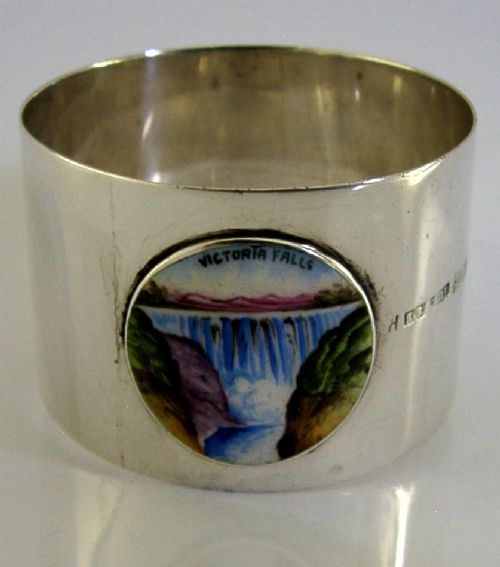
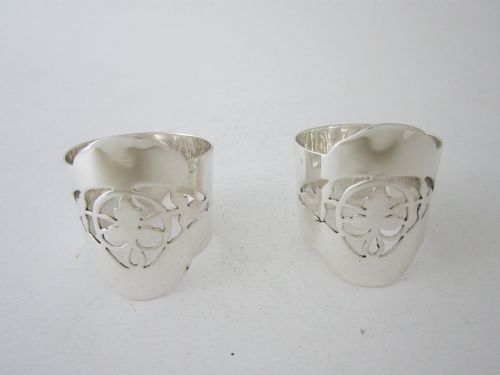
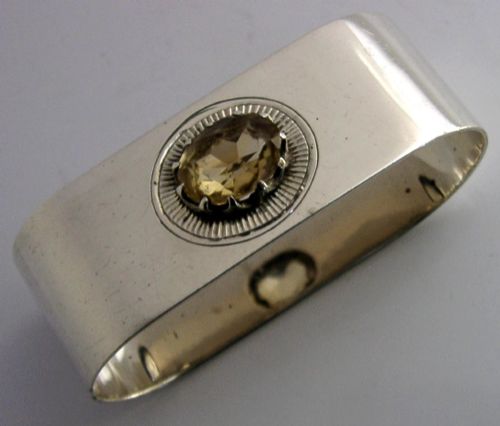
Napkin rings, menu holders, pepper pots, knife rests, serving spoons, and cruet sets dominate the selection, spanning Georgian, Victorian, Edwardian, and later twentieth-century periods.
Shoppers encounter cased sets alongside individual serving pieces, reflecting both domestic dining habits and formal hospitality across the decades.
Materials and Technique
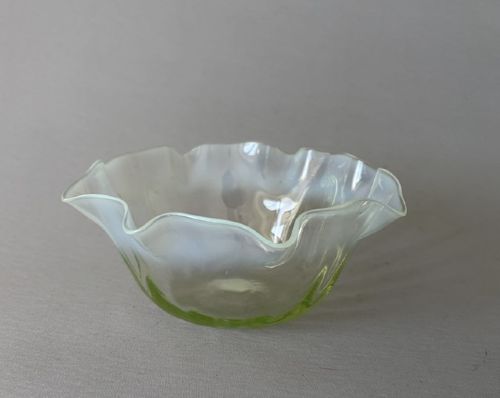
Silversmiths shaped solid sterling silver and silver plate into intricate forms, often incorporating glass liners, agate, citrine, velvet, and silk.
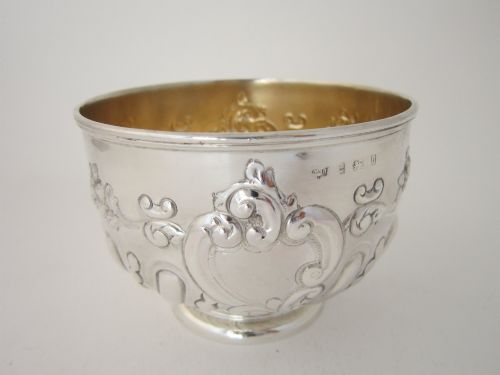
Techniques such as casting, embossing, etching, and hallmarking define the construction of these functional dining objects.
Look for a monkey playing drums or a life-size bird chick holding court among the salt and pepper pots.
Craftsmanship and Distinction
Distinction in these pieces rests upon the crispness of chased and embossed detail, the weight of the metal, and the integrity of any fitted cases.
Makers' marks and clear hallmarks anchor the provenance, separating standard production wares from the output of recognised workshops.
Alfred Marston·Levi and Salaman·Mappin and Webb·Grey and Co·Sampson Mordan·R. E. Stone
The Antique Table Tableware Glossary
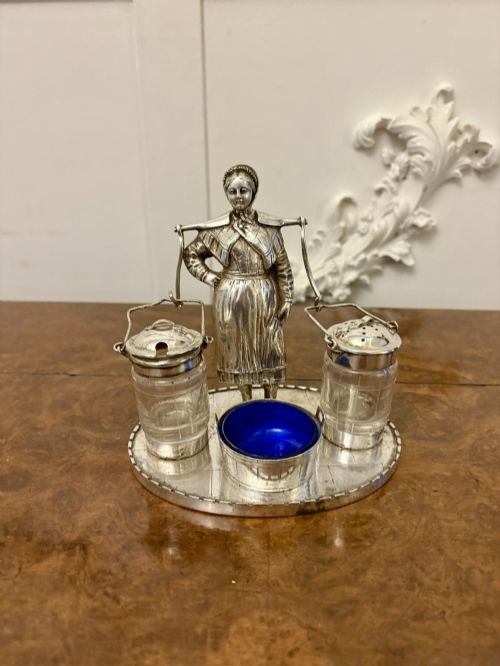
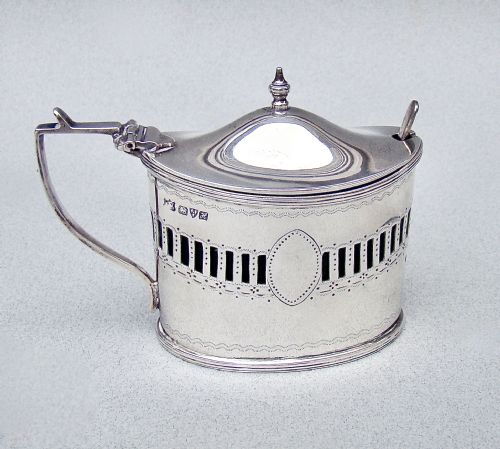
- Cruet set
- A matched group of condiment containers, typically holding mustard, pepper, and salt, often fitted with a dedicated stand.
- Menu holder
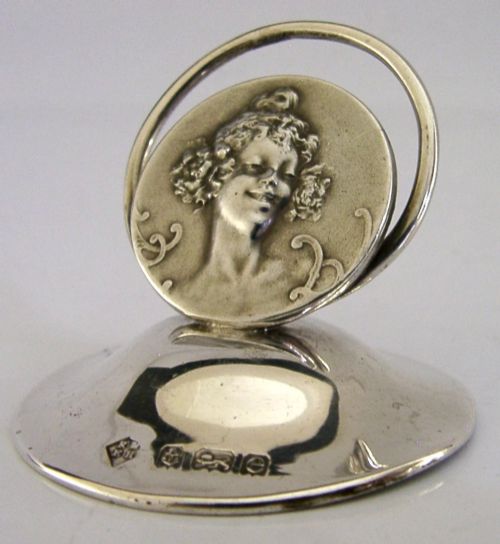
- A small upright display piece designed to hold table menus or place cards during formal dinners.
- Knife rest
- A low support placed beside a plate to keep cutlery elevated above the tablecloth between courses.
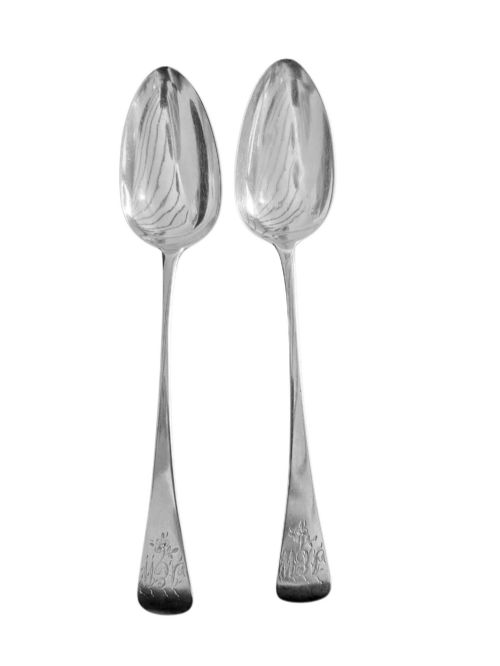
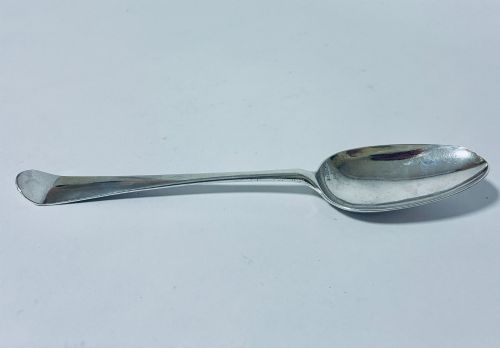
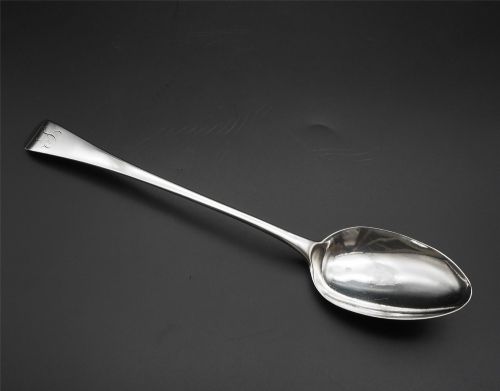
- Basting spoon
- A large, long-handled spoon utilised in the kitchen or at the table for serving roasted meats and vegetables.
- Hallmark
- An official stamp applied to precious metals indicating the standard of purity, the assay office, and the year of manufacture.
Antique Table Tableware: Frequently Asked Questions
What is an antique cruet set?
A cruet set is a matched group of condiment containers designed to hold items like salt, pepper, and mustard for table service.
These sets often sit on small stands and reflect the formal dining customs of the Victorian and Edwardian eras.
How are antique knife rests used?
Knife rests keep carving or dining cutlery elevated off the tablecloth between courses to protect linens.
They appear in matched pairs and single pieces, fashioned from heavy sterling silver or plate.
What periods do these tableware pieces span?
The selections span from the Georgian period through the Victorian and Edwardian eras into the Art Deco style of the 1920s and 1930s.
Each period brings distinct decorative motifs, from neoclassical restraint to novelty animal forms.
Are cased sets common?
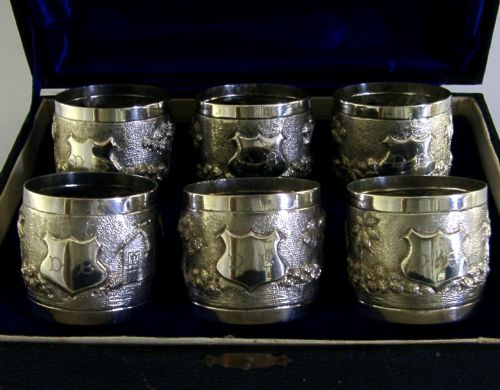
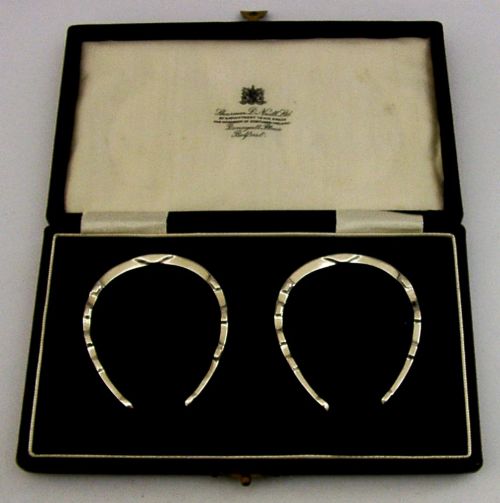
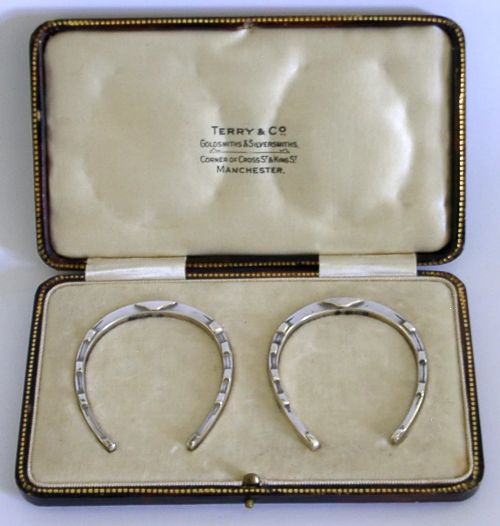
Cased sets appear frequently among napkin rings, fish servers, and cutlery, preserved in their original fitted boxes.
Such boxes often feature velvet or silk linings tailored to protect the silver components.