
Antique Table Porcelain
Antique table porcelain brings together delicate ceramic plaques, vases, and mantel clocks designed to elevate domestic surfaces with colour and craftsmanship.
Antique Table Porcelain
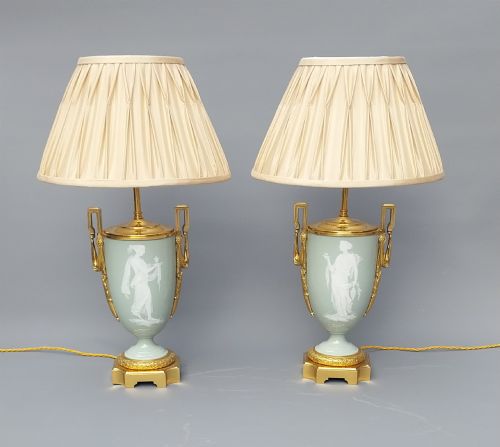
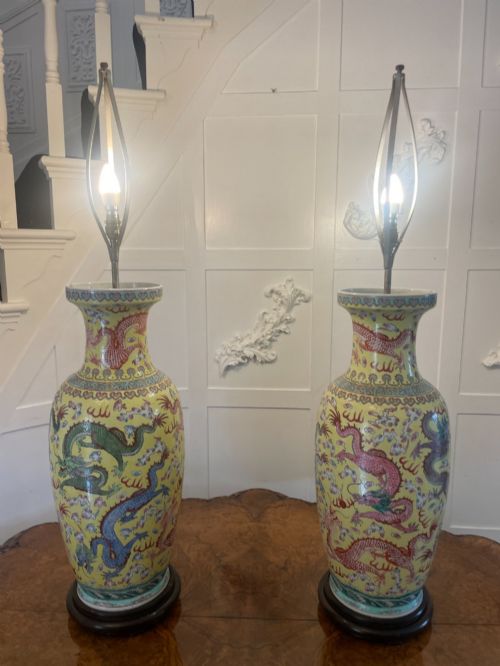
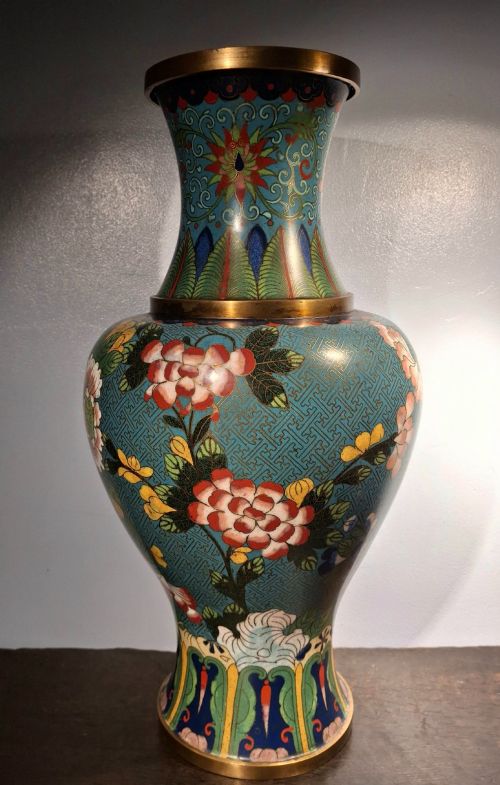
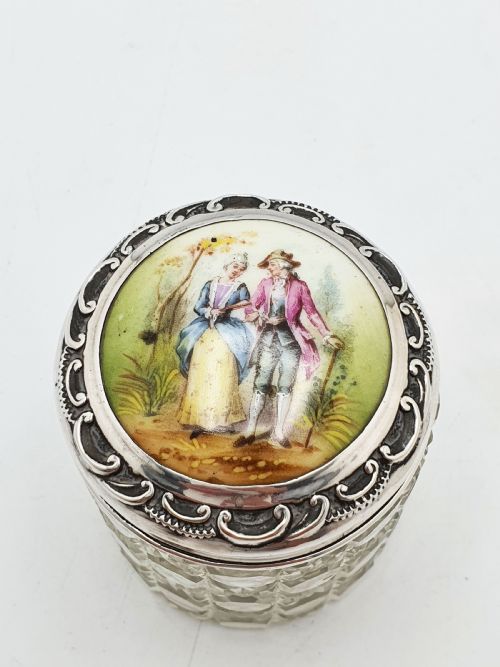
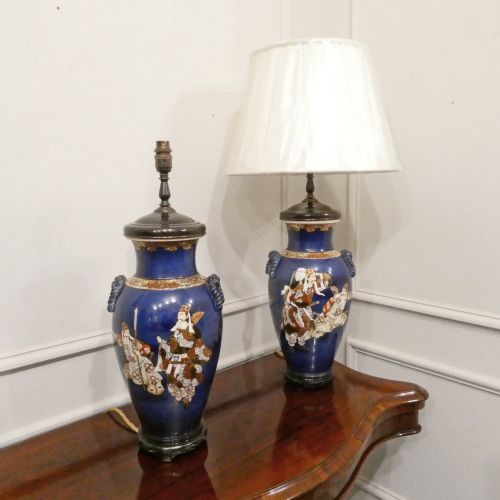
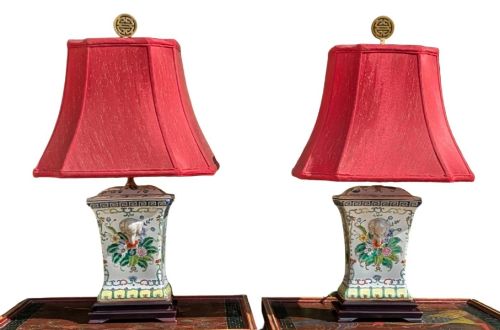
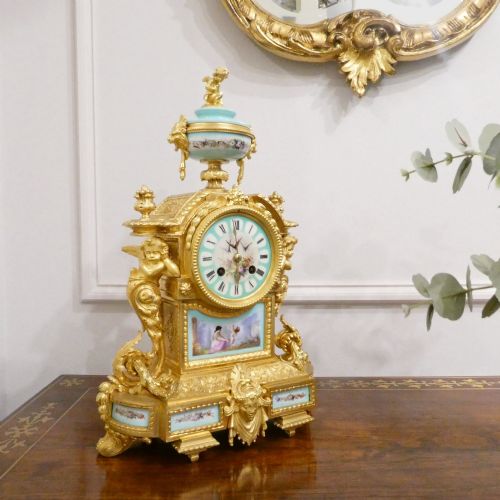
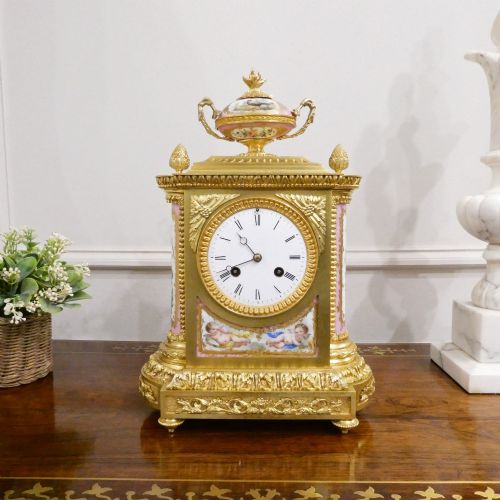
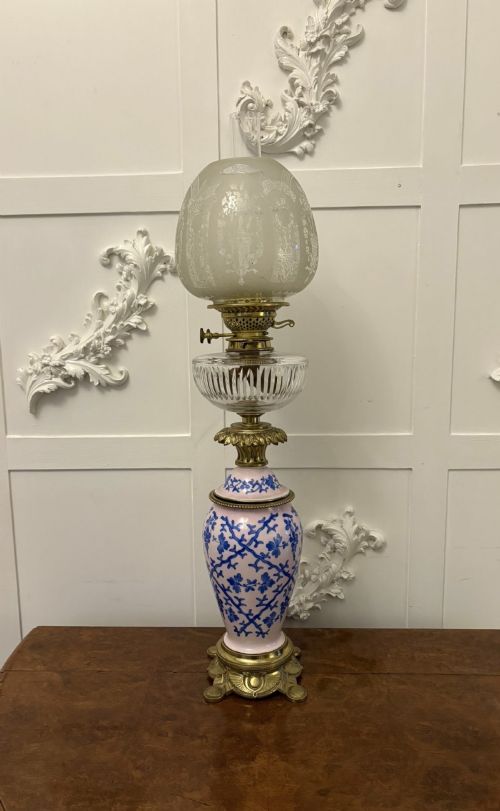
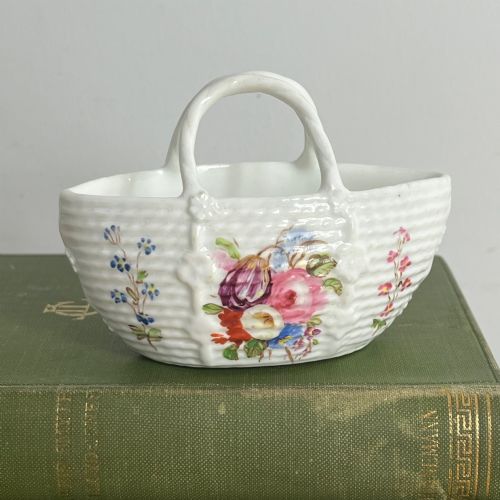
When searching for antique table porcelain, collectors encounter pieces ranging from delicate desk accessories and sugar boxes to substantial mantel clocks and table lamps. These items integrate ceramic elements into functional furnishings, such as jardinière stands, vanity jars, and oil lamps.
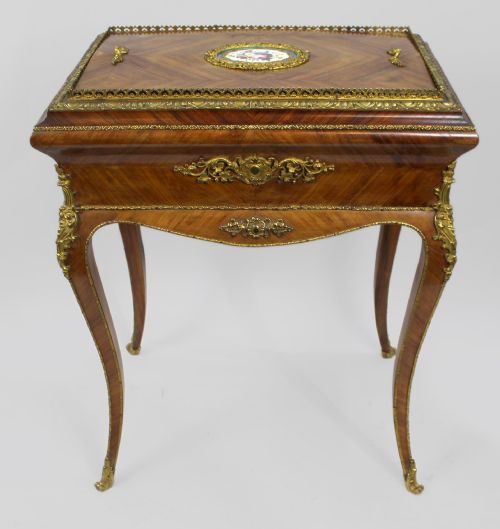
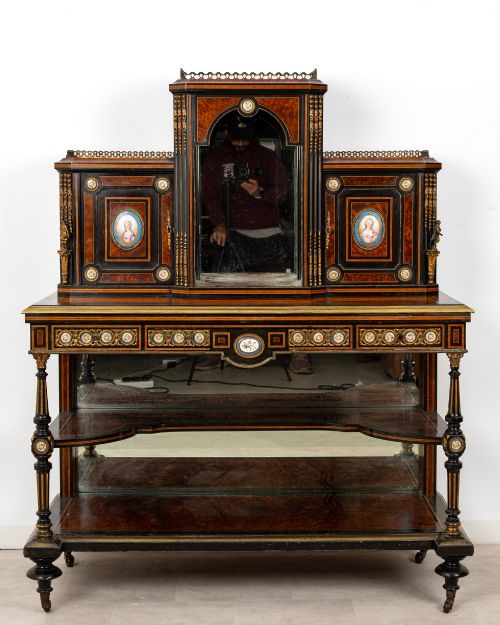
The pieces frequently originate from nineteenth-century European workshops, displaying styles influenced by the Victorian era, the Regency period, and various revival movements. French and English makers predominate, often pairing hand-painted ceramic plaques with gilt bronze, ormolu, or exotic woods.
Materials and construction methods
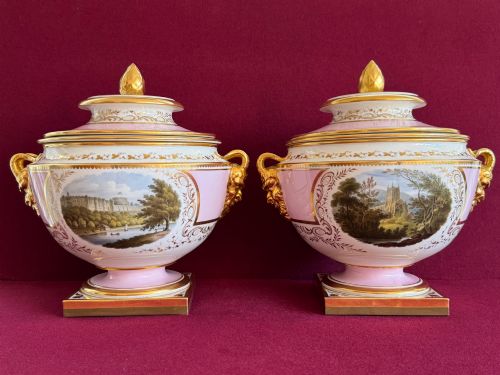
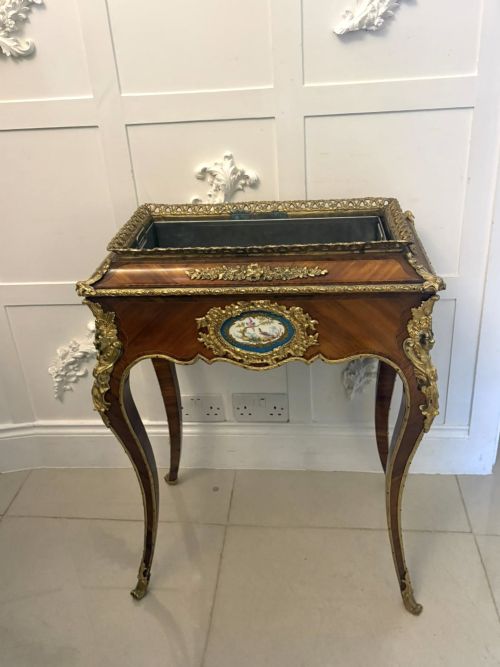
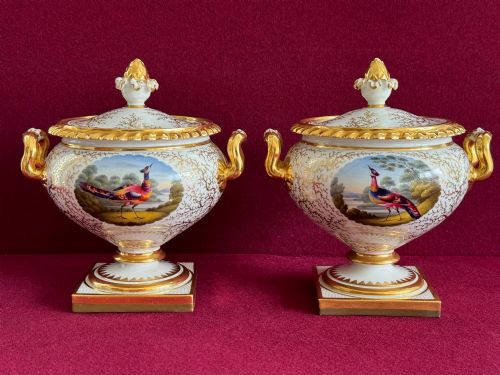
Makers utilised fine porcelain as a base for intricate hand-painted decoration, depicting floral motifs, birds, and pastoral scenes. These ceramic plaques and vessels were then mounted into supportive frames of ormolu, gilt bronze, brass, or carved kingwood and amboyna.
Metalwork components, including clock movements and lamp mounts, were cast and chased to complement the smooth glaze of the porcelain. Assembly often involved intricate joinery to secure delicate ceramic panels within wooden or metal furniture frames.
Listings feature porcelain forms spanning the nineteenth century, including Edwardian iterations, Regency periods, and Japanese Meiji period examples.
Distinctions in quality
Quality rests upon the execution of the hand-painted details on the porcelain and the precision of the metal mounts. Finer examples display subtle brushwork, harmonious palettes, and crisp modelling in the surrounding bronze or ormolu frames.
The integration of the ceramic plaque into the broader object reveals the skill of the maker. Superior pieces achieve a balanced composition where the porcelain enhances rather than overwhelms the wooden or metal structure.
Flight Barr And Barr·Japy Freres·Jean Baptiste Delettrez·Achille Brocot·Henry Marc·Kpm Berlin·Royal Doulton·Royal Worcester·Sitzendorf
The Antique Table Porcelain Glossary
- Ormolu
- Gilded bronze used widely for mounts on clocks, lamps, and furniture. This decorative technique added a bright metallic finish to complement glazed ceramic elements.
- Jardinière
- A decorative stand or container designed to hold plants or flowers. These items frequently incorporate painted porcelain plaques into their wooden frames.
- Plaque
- A flat panel of fired porcelain decorated with hand-painted scenes. They appear set into desks, clocks, and vanity jars.
- Pate-sur-pate
- A ceramic decorating technique involving layers of liquid porcelain slip applied to a darker body to create a low relief design. It offers a subtle translucent effect.
Antique Table Porcelain: Frequently Asked Questions
How are antique porcelain table lamps powered?
Many table lamps listed as antique table porcelain began life as oil lamps or vases before undergoing conversion for modern electrical use. This conversion process typically preserves the original ceramic body and metal mounts while updating the internal wiring.
Buyers should inspect the cord exit points and bulb fittings to ensure the adaptation respects the structural integrity of the historic material.
What defines a French mantel clock with porcelain?
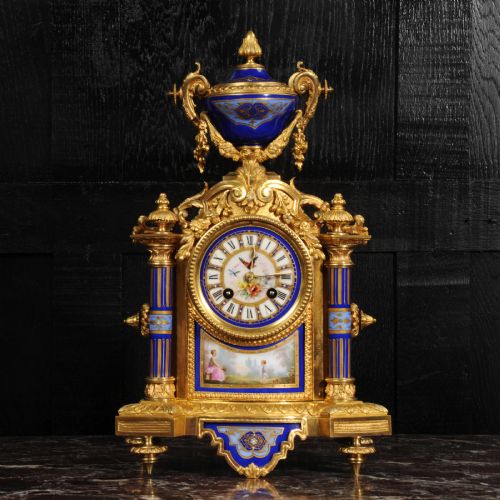
French mantel clocks incorporating porcelain often feature painted dials or inset panels depicting pastoral or floral scenes. Makers combined these ceramic elements with gilt bronze or ormolu cases influenced by Louis XVI styles.
These timepieces frequently house mechanical movements produced by prominent nineteenth-century Parisian horologists and workshops.
Where were Satsuma porcelain pieces made?
Satsuma porcelain and earthenware originated in Japan during the Edo period and continued into the Meiji period. These items are characterised by a distinctive ivory-crackled glaze decorated with intricate enamel patterns and gilding.
Many of these Japanese vessels were later imported into Europe and adapted into table lamps or decorative vases.
How should porcelain mounted furniture be maintained?
Maintaining antique furniture with porcelain plaques requires careful dusting with a soft, dry cloth to protect both the wood and the ceramic glaze. Moisture should be avoided near unsealed joints and metal mounts to prevent corrosion.
Placing items away from direct sunlight helps preserve the hand-painted colours on the porcelain surfaces over time.