





Antique Table Knives
These antique table knives and related dining accompaniments bring period craftsmanship to the table, spanning the nineteenth and twentieth centuries.
Antique Table Knives
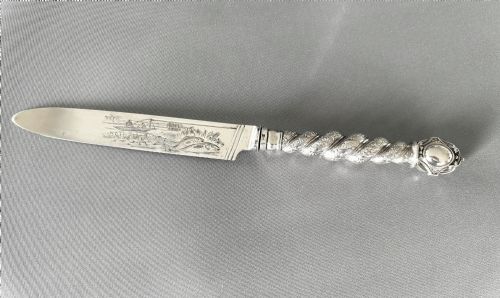
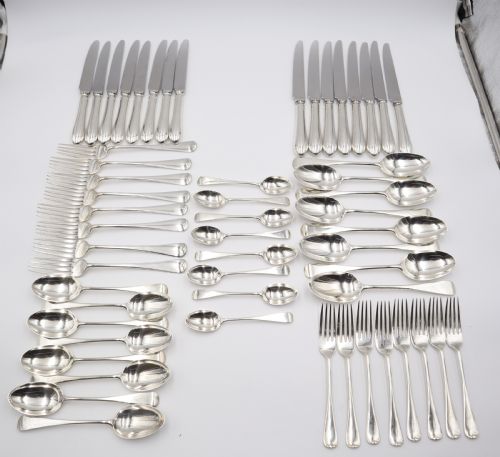
When searching for antique table knives, buyers encounter a variety of dining implements including cutlery sets, individual butter knives, fish slices, and supporting pieces like knife rests and trays. The selection spans the nineteenth century, the Victorian and Edwardian eras, up through Art Deco pieces from the nineteen twenties and thirties.
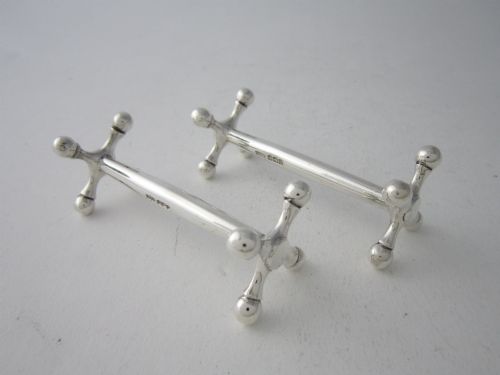
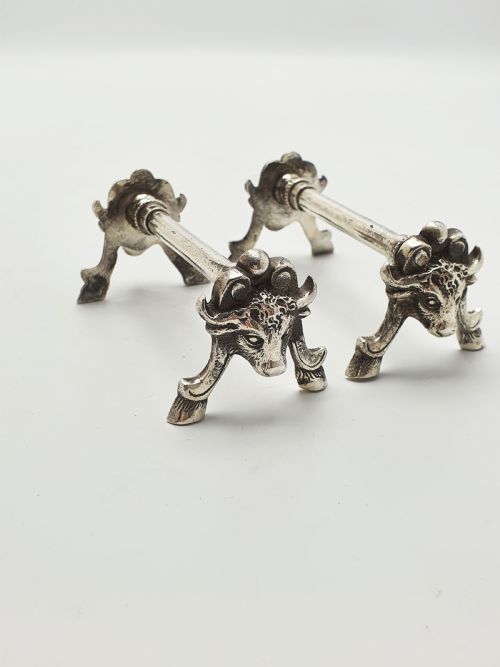
Most entries comprise silver cutlery sets, butter knives with mother of pearl or silver blades, and paired knife rests formed in silverplate or sterling silver. Makers and manufacturers utilised traditional patterns such as Queens and Faneuil, alongside figural designs depicting sphinxes, bull heads, and rampant lions.
Materials and methods of construction
Makers formed blades and handles using sterling silver, silver plate, stainless steel, and steel, frequently pairing metal with organic materials such as mother of pearl, bone, and Bakelite. Sheffield and Birmingham assay offices certified many of the sterling silver items during the Victorian and Edwardian periods.
Casting and plating techniques produced decorative supports such as silver plated knife rests and Old Sheffield plated knife trays. Artisans also applied gilding to solid silver items and constructed fitted presentation boxes lined with velvet and silk.
Antique Table Knives Retail Price Guide 2026
Typical asking prices for table knives among the pieces listed under this phrase on Sellingantiques today, from the lower quarter to the upper quarter. They describe what is for sale here now, not the wider market.
Listings feature sterling silver, silver plate, steel, mother of pearl, bone, and Bakelite across the nineteenth and twentieth centuries.
Distinctions in craftsmanship and origin
Quality rests on the weight of the metal gauge, the crispness of cast figural details on knife rests, and the integrity of natural handle materials like mother of pearl or bone. Maker attribution to established firms or specific assay marks from Birmingham and Sheffield elevate certain sets.
Comprehensive completeness distinguishes larger matched flatware services, such as multi-piece Tiffany sets in the Faneuil pattern or boxed sets of six, from individual serving pieces. Original presentation casing and uniform silver plating preserved across an entire set indicate superior retention.
Creswick·Asprey And Co·International Silver Co·Adie Brothers
The Antique Table Knives Glossary
- Sterling silver
- A silver alloy containing ninety-two point five percent pure silver by mass, frequently marked with town assays and date letters.
- Silver plate
- A base metal substrate coated with a thin layer of silver, common in nineteenth century table wares and knife rests.
- Old Sheffield plated
- A fused plate method where a layer of silver is fused to a copper core, seen on eighteenth and nineteenth century trays.
- Knife rest
- A small support used to keep cutlery off the tablecloth between courses, often cast in figural animal shapes during the Victorian era.
- Fish slice
- A large, wide bladed serving utensil designed for fish, often featuring pierced decoration and a fiddle pattern handle.
- Queens pattern
- A heavily ornamented nineteenth century cutlery design featuring shell and scroll motifs along the handle edge.
Antique Table Knives: Frequently Asked Questions
How do I use antique knife rests?
Knife rests sit beside the plate to support the blade and handle of used cutlery between courses, keeping the dining table clean.
Pairs of rests appear in silver, silver plate, mother of pearl, and Bakelite, matching the formal table settings of the Victorian and Edwardian periods.
How are butter knives different from table knives?
Butter knives feature shorter, broader blades often paired with mother of pearl or silver handles, designed specifically for spreading rather than cutting.
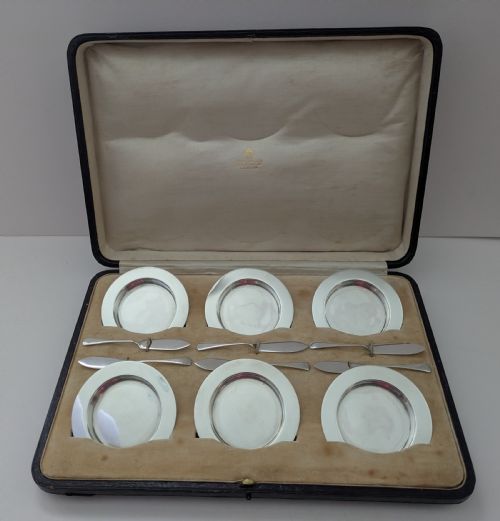
Many examples survive in fitted presentation boxes or matched sets with butter dishes from the Edwardian and later periods.
Can I date my cutlery using hallmarks?
British sterling silver items generally carry hallmarks that identify the maker, the assay office such as Birmingham or Sheffield, and a date letter.
These stamped marks provide precise years of manufacture for items produced during the Victorian, Edwardian, and later eras.