




Antique Table Extra Leaves
When you need antique table extra leaves, you are looking for functional timber dining furniture designed to expand easily for large gatherings.
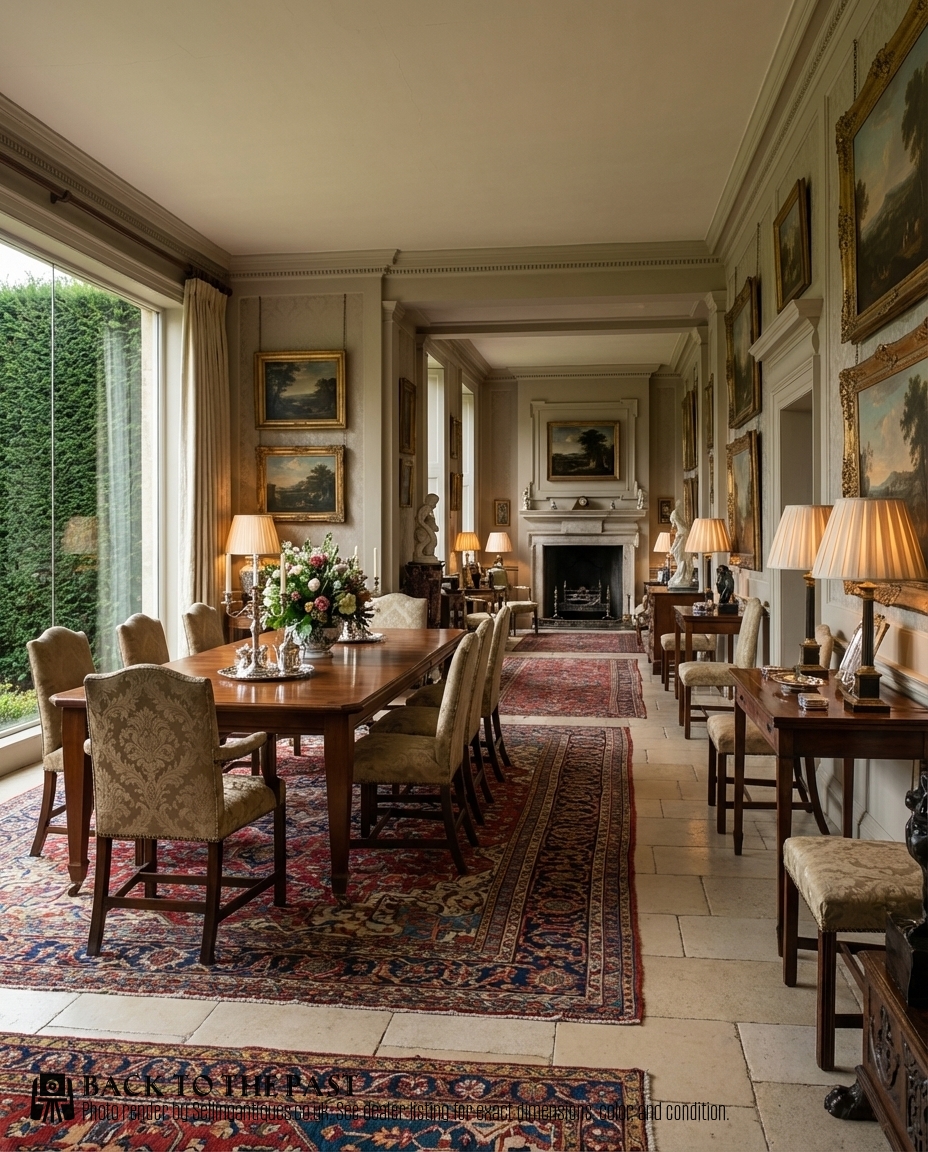
Antique Table Extra Leaves
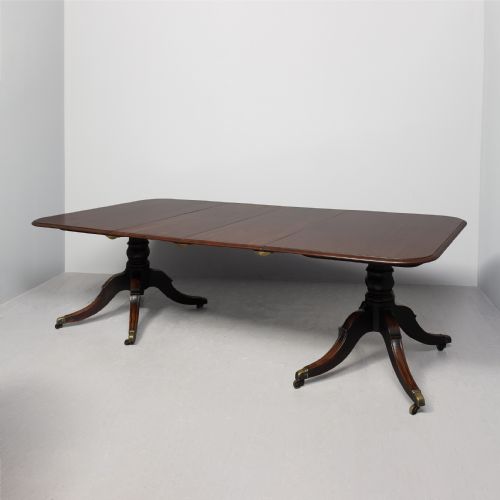
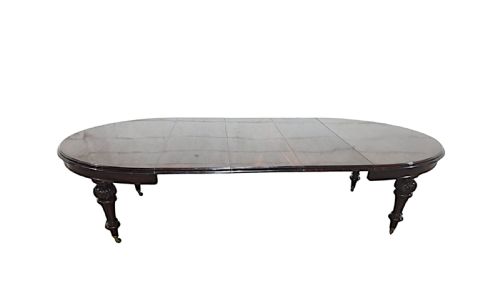
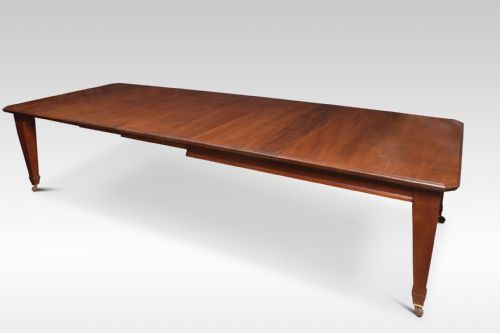
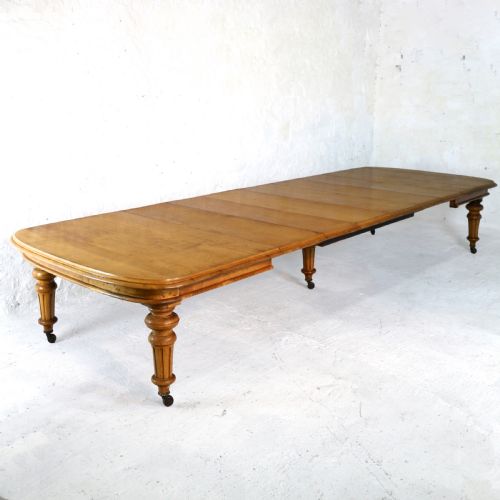
These items comprise dining tables paired with removable panels that allow the surface to expand significantly for banquets and large dinner parties. When searching for antique table extra leaves, you will frequently encounter substantial nineteenth-century examples designed to seat large numbers of guests.
Origins vary across English, Irish, and general nineteenth-century workshops, showcasing cabinet-making traditions focused on hospitality. Most examples are configured to accept between one and six separate leaves depending on the scale of the base table.
Materials and construction methods
Cabinet-makers relied heavily on dense hardwoods such as mahogany, walnut, and oak to build frames capable of supporting multiple heavy leaves over long periods. These timbers provided both the structural rigidity needed for extending mechanisms and a rich grain suitable for formal dining rooms.
Metal components like brass clips, runners, and winder mechanisms were utilised to align and secure the extra leaves tightly against the main table top. Joinery techniques ensured that expansion systems operated smoothly without sagging when fully loaded.
Antique Table Extra Leaves Retail Price Guide 2026
Typical asking prices for table extra leaves among the pieces listed under this phrase on Sellingantiques today, from the lower quarter to the upper quarter. They describe what is for sale here now, not the wider market.
The site archives record extending dining tables spanning from the nineteenth century into the 1920s.
Distinguishing quality in extending tables
Quality reveals itself in how closely the timber grain and colour match between the main table top and the removable leaves. Superior examples maintain consistent figuring and depth of finish across every section, even when fully extended.
The sophistication of the internal extending mechanism separates standard production from finer cabinet-making. Robust runners and well-fitted brass hardware ensure that extra leaves insert securely and remain level under daily use.
William and Gibton Dublin
The Antique Table Extra Leaves Glossary
- Pedestal
- A central support column, often resting on splayed legs with brass castors, commonly used in pairs to support large dining tables.
- D-End
- A table end shaped in the form of a capital letter D, which often separates from a central section to accommodate extra leaves.
- Wind-out
- An extending table mechanism operated by a detachable crank handle that turns an internal screw to draw the table halves apart.
- Banquet table
- An extra-large dining table built on multiple pedestals, specifically designed to host numerous guests with several leaves inserted.
- Figuring
- The natural pattern and visual grain arrangement visible on the polished surface of cabinet timbers such as mahogany and walnut.
Antique Table Extra Leaves: Frequently Asked Questions
How do wind-out extending tables operate?
A detachable metal handle inserts into a socket beneath the table rim to turn an internal screw mechanism. This action parts the main sections smoothly to create the gap needed for extra leaves.
Once the gap is widened to the correct size, the removable leaves drop into place and the mechanism is wound back to secure the entire assembly tightly.
Where should extra leaves be stored?
Extra leaves need to be kept in a stable environment with moderate humidity and temperature to prevent the solid timber from warping or splitting. Storing them flat rather than leaning upright against a wall protects the polished surfaces and edge joints.
Many period homes utilised custom storage bags or dedicated cabinets to keep unassigned leaves safe from knocks and direct sunlight when the table was contracted.
How do I identify a Regency dining table?
Regency tables typically display classical restraint with clean lines, dark polished mahogany timbers, and brass paw castors beneath pillar supports. They often incorporate brass inlay or reeded edge details characteristic of the early nineteenth century.
When extra leaves are present in a Regency piece, the mounting battens underneath reveal period joinery methods distinct from later Victorian or Edwardian manufacturing.
Can antique tables support daily family use?
These pieces were built by cabinet-makers using dense hardwoods specifically to withstand decades of regular hospitality and dining. Their robust frame construction and thick timber tops handle everyday meals comfortably.
Using heat mats and tablecloths protects the polished French finish from moisture rings and hot serving dishes, preserving the surface condition for future years.