



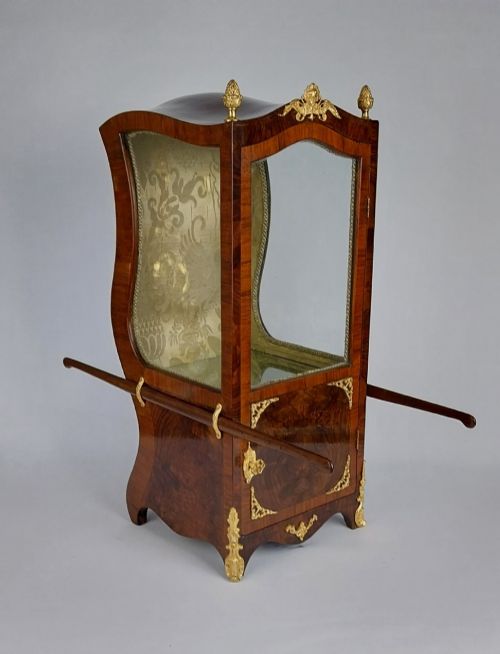


Antique Table Display Case
When you search for an antique table display case, you are looking at glazed cabinets and glass-topped tables designed to hold small treasures.
Antique Table Display Case
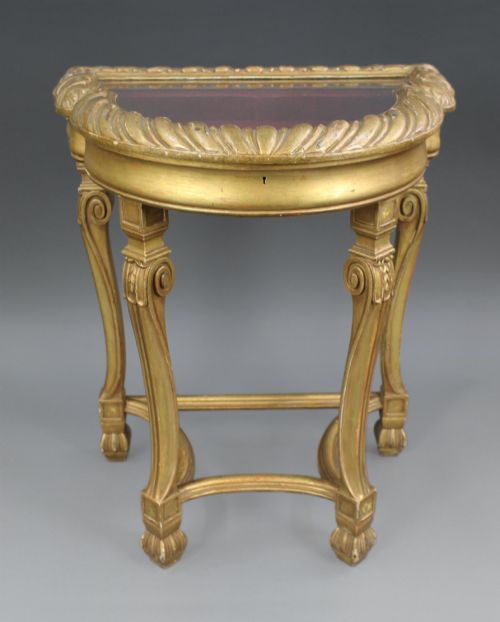
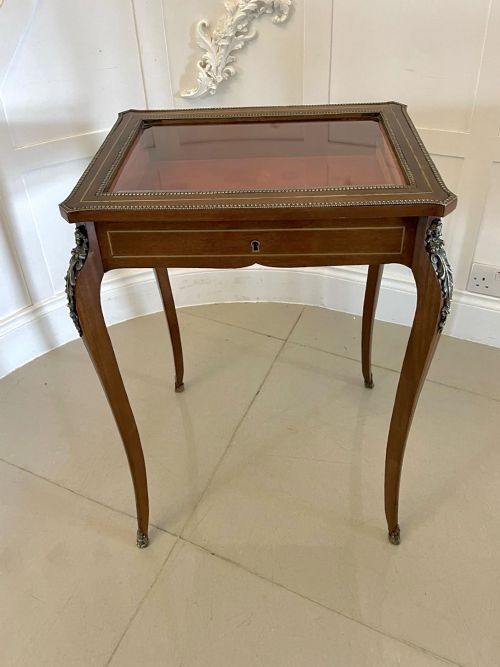
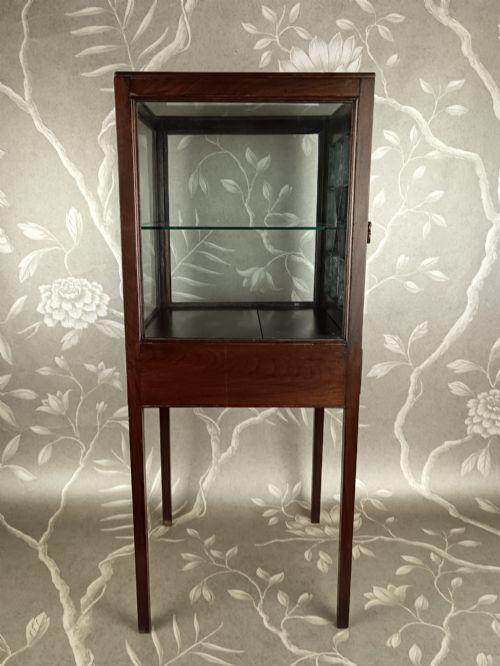
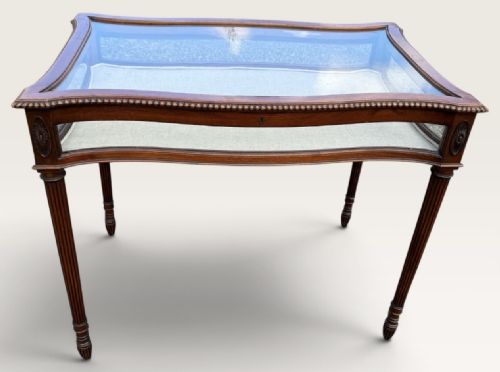
An antique table display case sits at table height or upon a surface, combining glazing with a timber frame to protect precious items from dust while keeping them visible. You will most frequently meet Edwardian mahogany bijouterie tables and Victorian variants on this page.
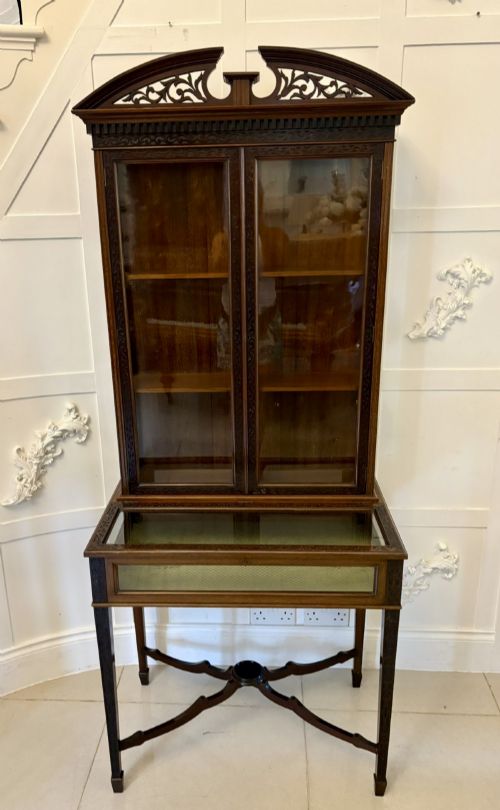
The form spans low standing display tables, tabletop glazed boxes, and serpentine or kidney-shaped cabinets raised on slender legs. They emerge from periods ranging through the eighteenth, nineteenth, and early twentieth centuries, with distinct Georgian and Edwardian iterations.
These pieces served to exhibit collections of medals, jewellery, fans, and small curiosities within domestic drawing rooms or retail counters. Their presence marks a shift towards deliberate curation and the display of personal taste in the home.
How They Were Made
Cabinet makers utilised dense hardwoods such as mahogany, rosewood, and walnut, often applying delicate satinwood or marquetry inlay to the exterior surfaces. Frames were constructed with tight joinery to support heavy sheets of glass securely within the lids and doors.
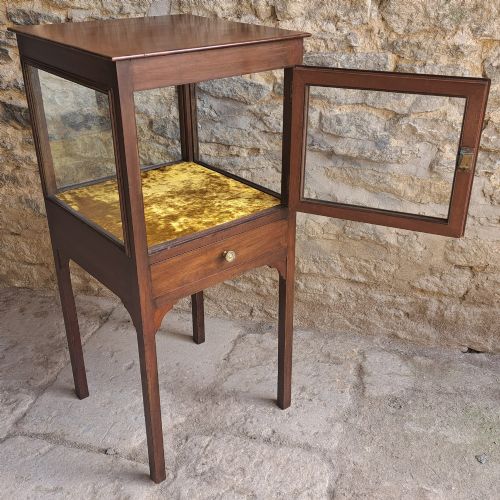
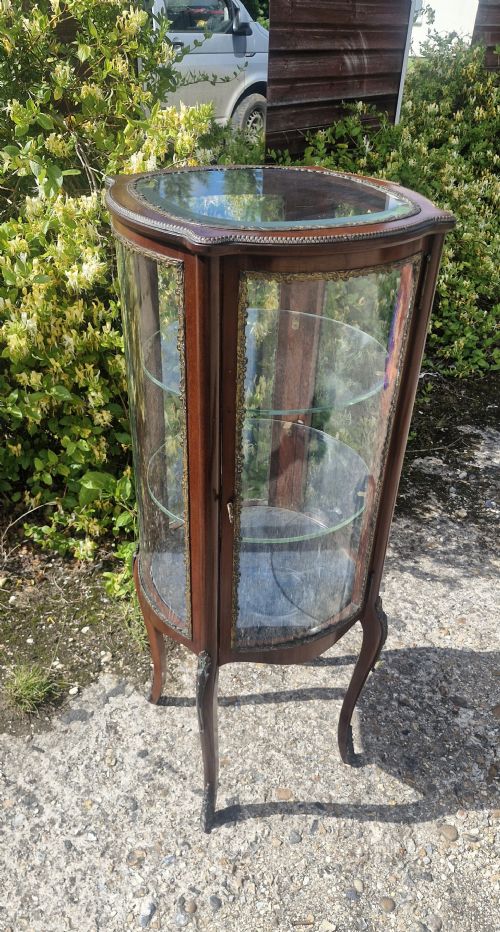
Metal mounts in brass and ormolu were cast and applied to corners, legs, and hinges to provide both structural reinforcement and decorative contrast against the polished timber. Interiors were traditionally lined with velvet or soft fabric to cushion delicate objects placed within the glazed well.
Antique Table Display Case Retail Price Guide 2026
Typical asking prices for table display case among the pieces listed under this phrase on Sellingantiques today, from the lower quarter to the upper quarter. They describe what is for sale here now, not the wider market.
Some display cases double as secret resting places for forgotten Victorian fans and dusty pocket watches.
What Varies in Quality
The distinction between ordinary and exceptional pieces rests upon the crispness of the timber carving, the choice of figured veneers, and the refinement of the metal mounts. Superior examples demonstrate meticulous attention to internal lining, balanced proportions, and seamless glass fitting.
Simpler workshop productions utilise plain timbers with minimal inlay and standard brass fittings, whereas premier pieces feature serpentine or kidney shapes, hand-carved mahogany, and fire-gilded ormolu mountings that reflect advanced cabinet-making skill.
EDWARDS and ROBERTS·QUINCY SHOWCASE WORKS ILLINOIS
The Antique Table Display Case Glossary
- Bijouterie table
- A glazed display table specifically designed for small trinkets and jewellery. These pieces usually feature a hinged glass top that lifts for access.
- Ormolu
- Gilded bronze mounts applied to furniture for decoration. This technique was widely utilised during the nineteenth century on French and English display cases.
- Marquetry
- Decorative veneer patterns formed by fitting together small pieces of different coloured wood. Craftsmen used this technique to ornament table tops and cabinet fronts.
- Vitrine
- A glass-sided cabinet used for displaying porcelain, curiosities, or books. The term covers both standing furniture and large table-top variants.
Antique Table Display Case: Frequently Asked Questions
What is a bijouterie table?
A bijouterie table is a specialised piece of furniture featuring a glazed compartment set into the top surface for viewing small collectibles.
These tables were placed in reception rooms so hosts could showcase medals, coins, and jewellery to visiting guests.
How were table display cases used?
They functioned as secure, dust-free showcases for precious personal items and curated collections of small curiosities.
The glass top allowed owners to inspect and exhibit their treasures without handling them directly during social gatherings.
How do I date an antique display case?
Dating relies upon examining the timber species, construction methods, hardware, and prevailing stylistic influences such as Edwardian inlay or Victorian walnut.
Changes in leg design, edge moulding, and glass manufacturing techniques also help narrow the decade of origin.
Can I use these for modern jewellery?
These glass-topped cases and tables are well-suited for displaying contemporary jewellery, watches, and small personal collections.
The original fabric linings can often be preserved or gently refreshed to protect modern items while maintaining historical character.