
Antique Table Condiment Pot
An antique table condiment pot sits on the dining table to hold salt, pepper, mustard, or sauces ready for meals.
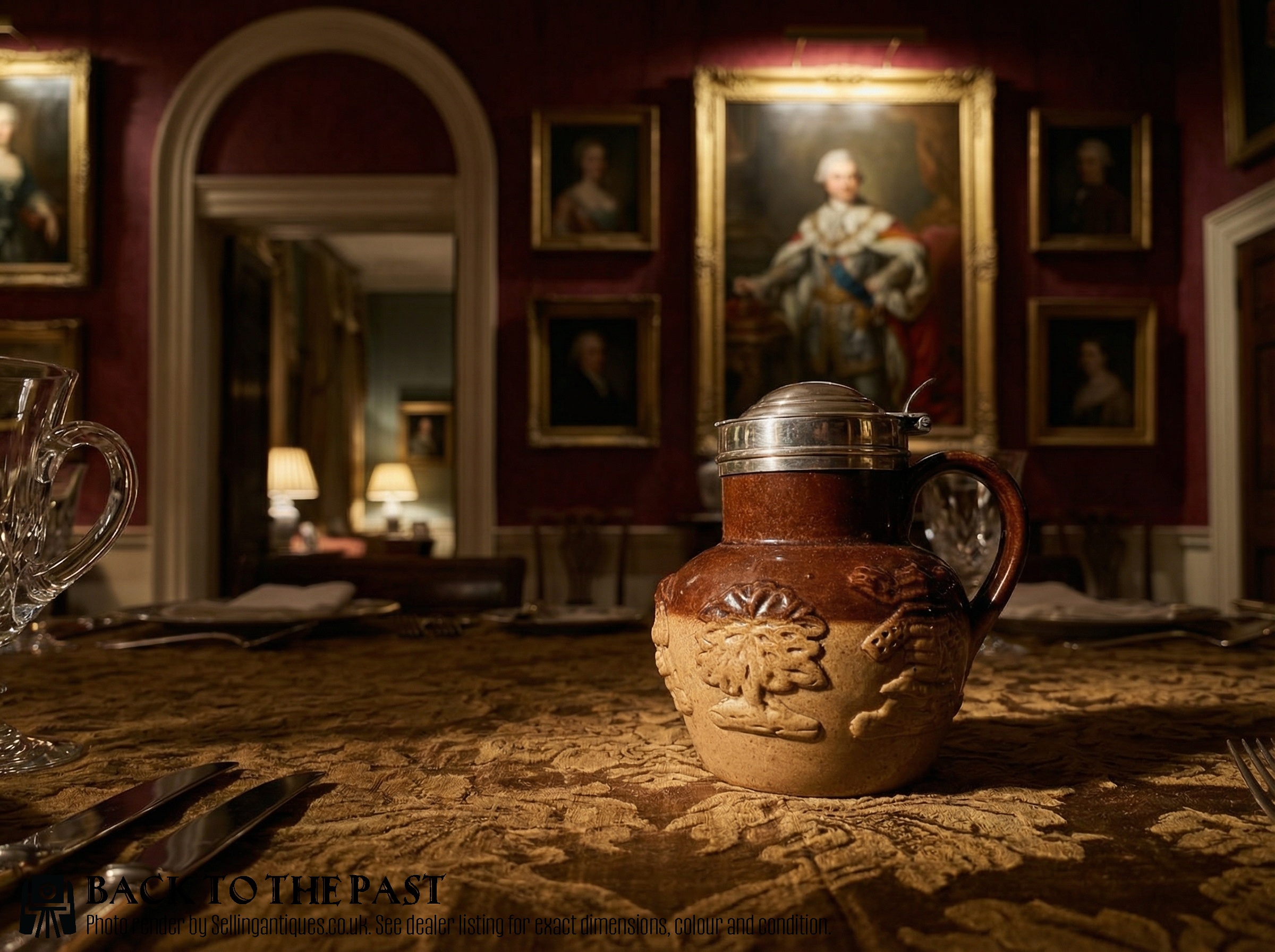
Antique Table Condiment Pot
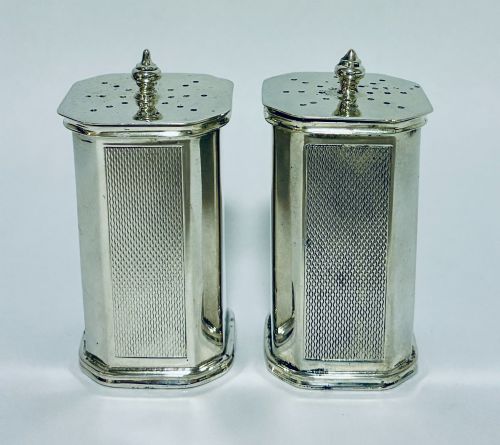
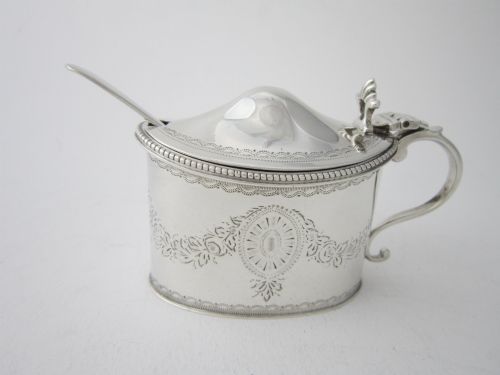
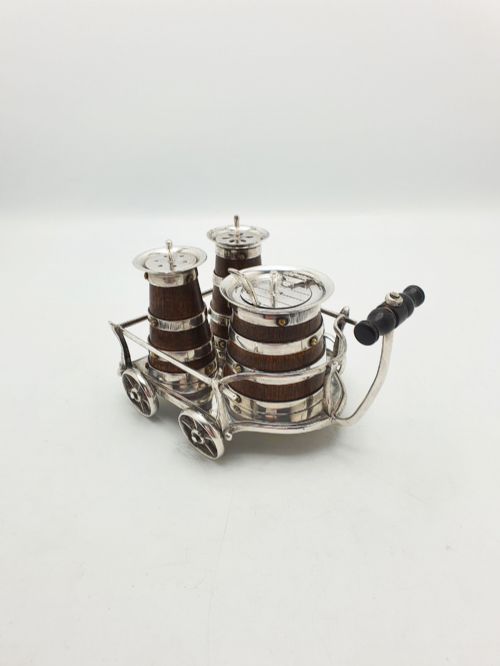
An antique table condiment pot encompasses mustard pots, pepper pots, cruet sets, and sauce holders designed for dining table use. These pieces appear across Victorian, Edwardian, and Art Deco periods, alongside Georgian and Georgian Revival examples.
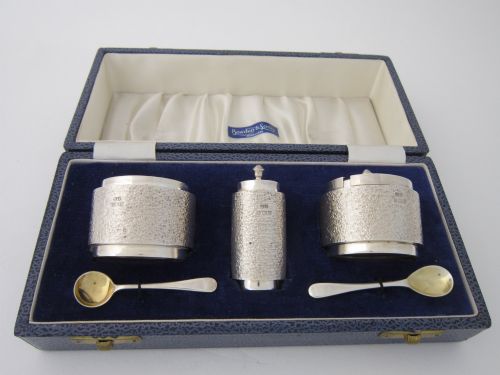
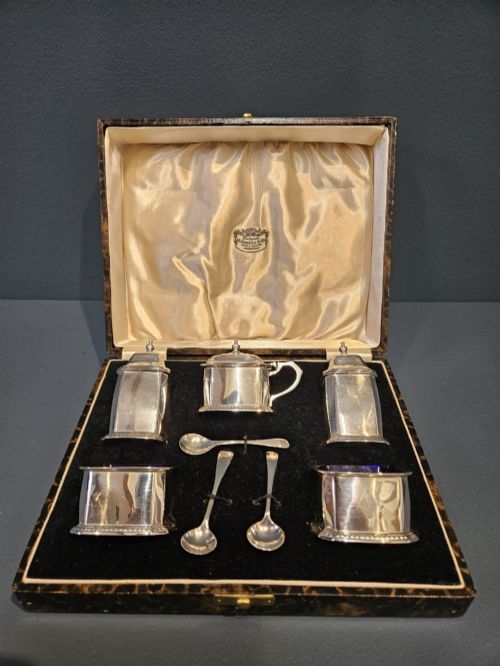
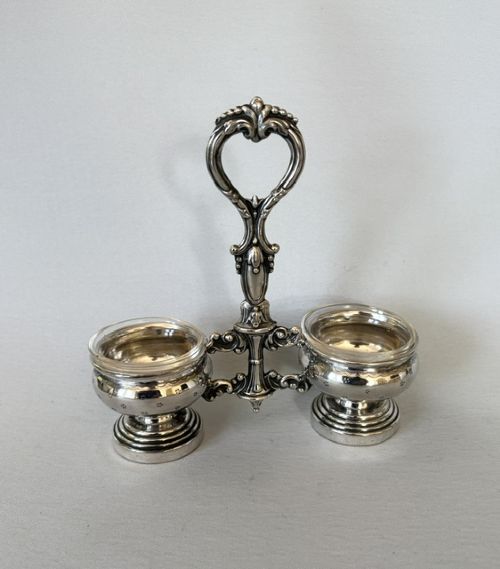
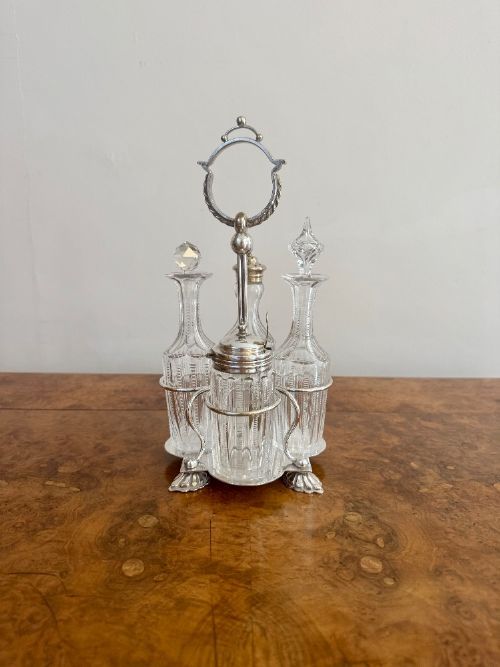
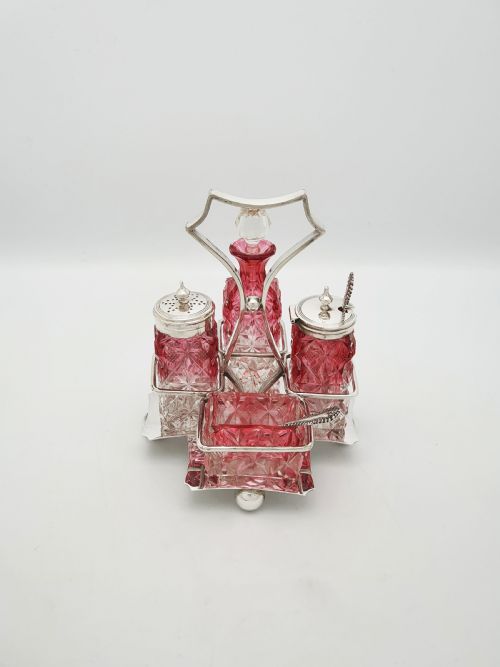
The most common forms on this page include sterling silver and silver plated mustard pots, pairs of pepper pots, and multi-bottle cruet frames holding glass containers. Many items originate from the nineteenth and early twentieth centuries, reflecting formal dining traditions of those eras.
Judging quality and craftsmanship
Quality depends upon the weight of the silver, the precision of the piercing work, and the clarity of the cut glass inserts. Pieces featuring crisp hallmarks and intact original liners stand apart from altered examples.
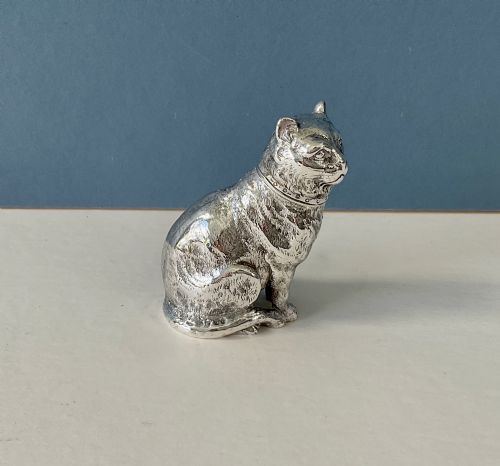
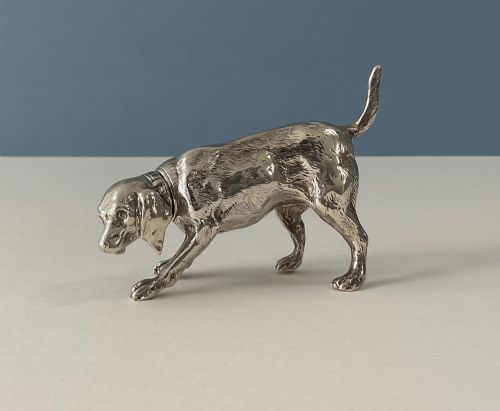
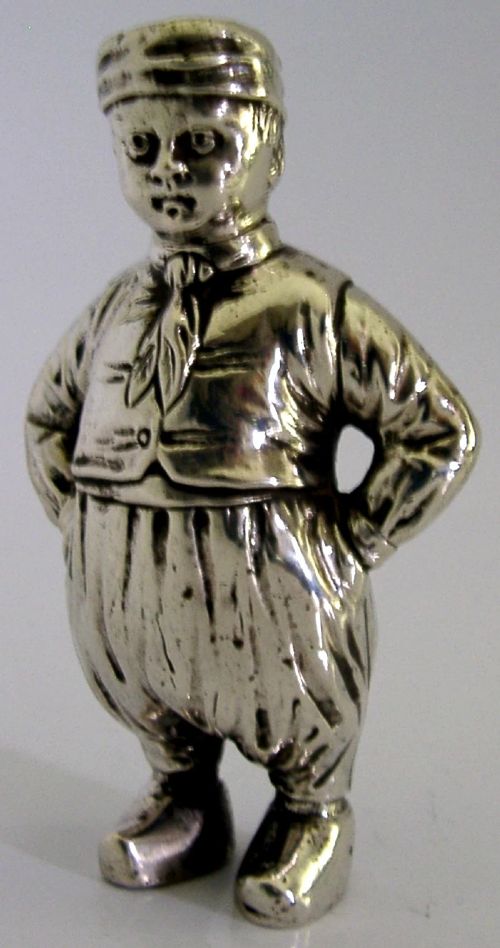
Design complexity marks the upper tier of the range, particularly in novelty animal figures shaped like owls, cats, dogs, birds, and human figures. Maker attribution and complete matching sets within original presentation boxes further elevate the standard.
Listings feature sterling silver, silver plate, cut glass, cobalt glass, and walnut across Victorian, Edwardian, and Art Deco periods.
Goldsmith & Silversmith's·Alfred Marston·Charles Fox II·Mappin Brothers·Asprey & Co.
The Antique Table Condiment Pot Glossary
- Cruet set
- A matched collection of bottles, pots, or castors held within a metal or wooden stand for the dining table. These sets often combine mustard pots, pepper shakers, and oil bottles.
- Mustard pot
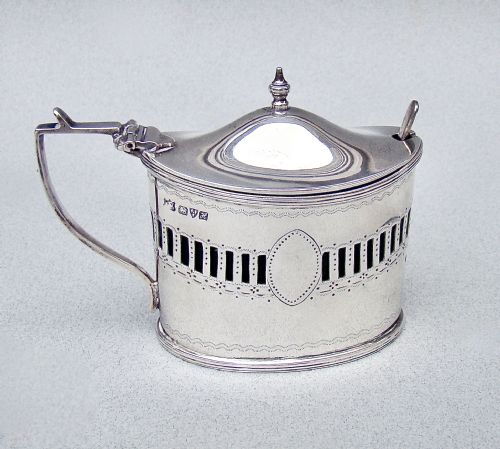
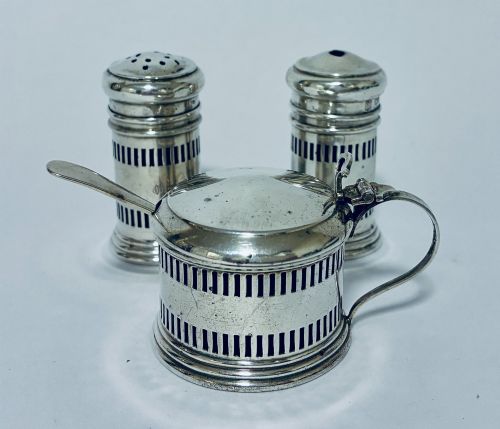
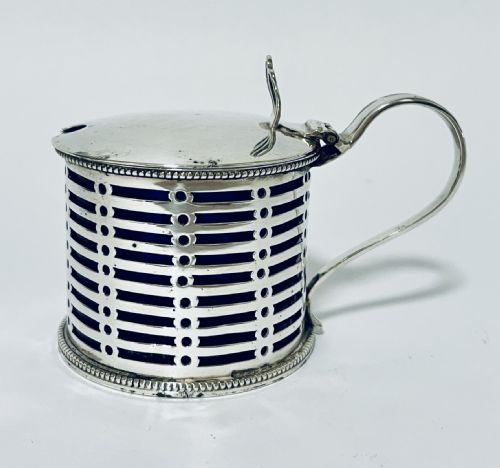
- A small covered jar designed specifically for holding prepared mustard, usually supplied with a matching spoon. They frequently include blue glass liners to protect the metal from corrosion.
- Pepperette
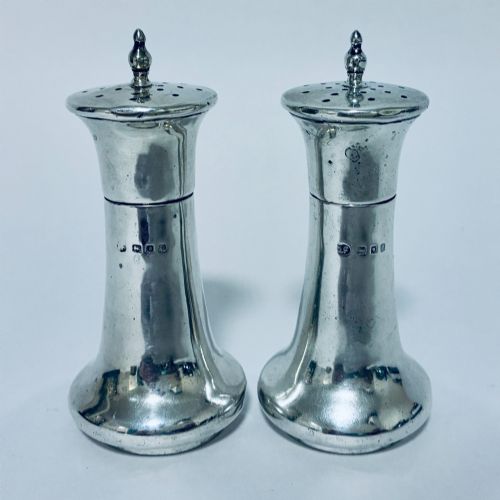
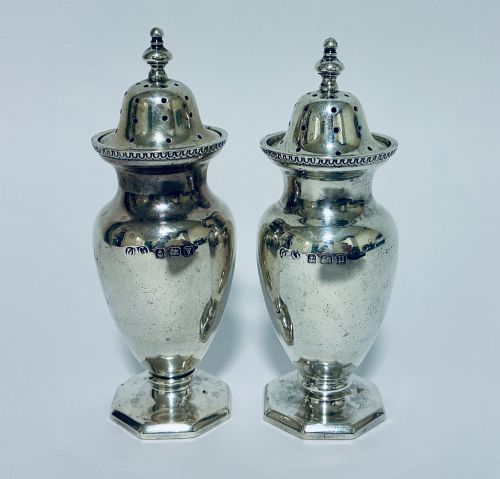
- A small shaker used for dispensing ground pepper onto food at the table. Pairs of these pots are common in nineteenth and twentieth-century tableware.
- Silver plate
- A layer of silver fused to a base metal foundation, such as copper or Britannia metal. This technique offered an accessible alternative to solid sterling silver for domestic dining wares.
- Georgian Revival
- A design style inspired by eighteenth-century aesthetics, popular during the Edwardian era and early twentieth century. Pieces in this style emulate the clean lines and classical proportions of earlier periods.
Antique Table Condiment Pot: Frequently Asked Questions
What is a cruet set?
A cruet set is a frame holding multiple condiment containers together for easy service at the dining table.
These collections typically unite mustard pots, pepper shakers, and glass bottles in a single portable stand.
How do I clean antique silver condiment pots?
Cleaning requires a soft cloth and a specialised silver polish applied gently to avoid damaging hallmarks.
Glass inserts should be removed and washed separately in warm soapy water before reassembly.
Why do mustard pots have blue glass liners?
Blue glass liners prevent mustard acids from corroding the silver interior of the pot.
Cobalt glass also provides a striking visual contrast when viewed through pierced silver galleries.
How can I date my condiment pot?
Dating relies upon examining the hallmarks stamped into the metal, which record the assay office, maker, and year letter.
Stylistic cues such as Edwardian proportions or Victorian novelty shapes also help determine the period.