



Antique Table Clock Dome
An antique table clock dome protects delicate movements and glass dials from dust while framing the brass, porcelain or wood within.
Antique Table Clock Dome
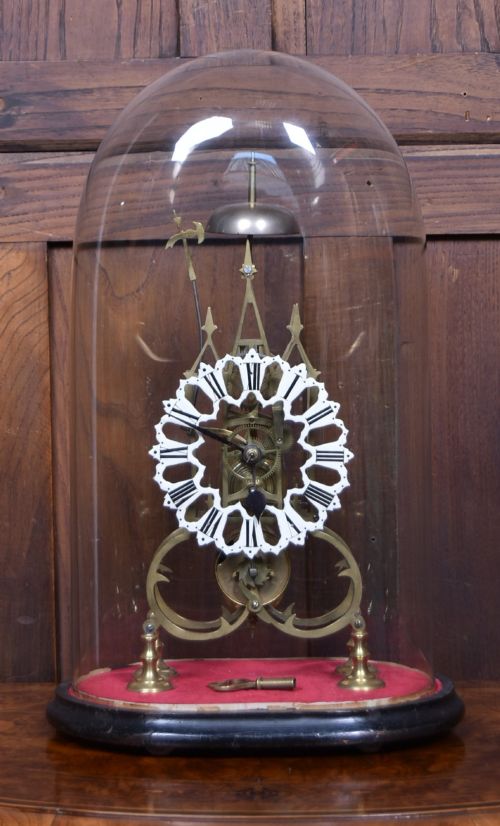
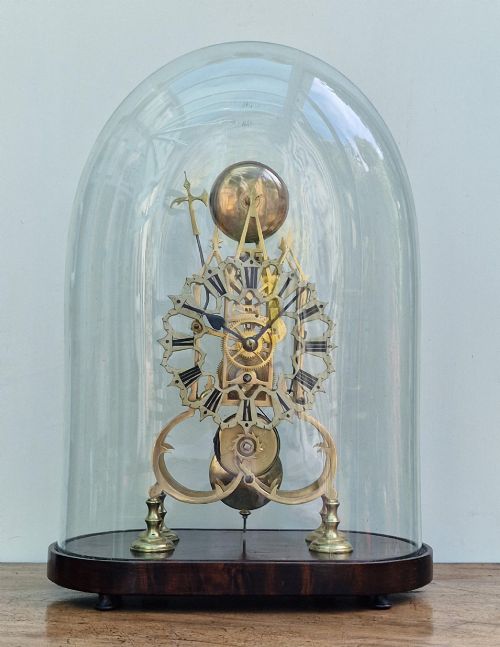
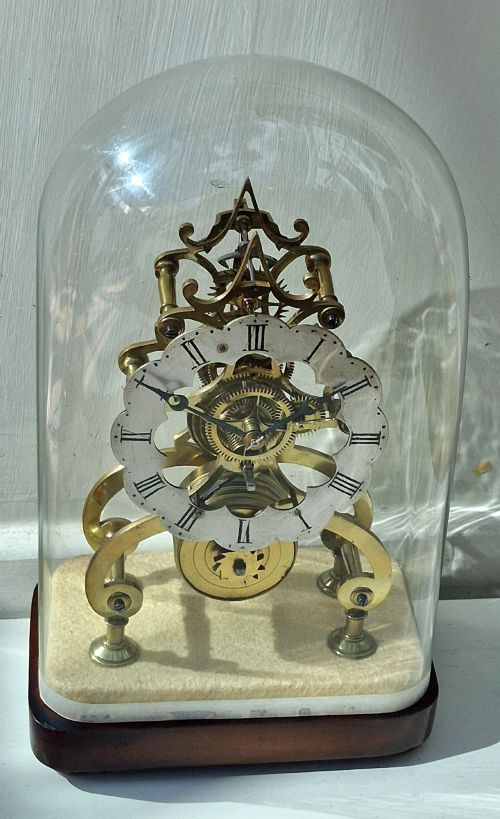
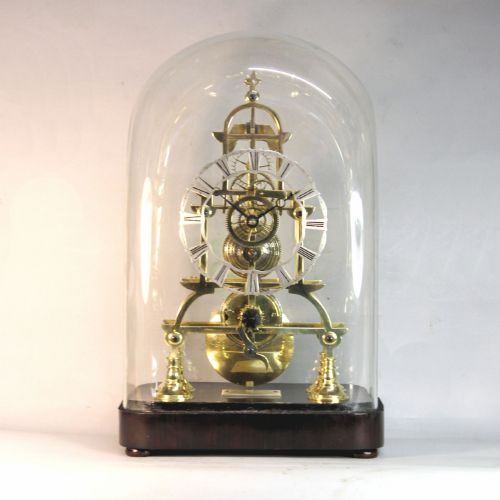
When searching for an antique table clock dome, buyers encounter protective glass covers housing mantel clocks, skeleton clocks and portico clocks. These enclosures safeguard intricate gear trains and delicate hands from airborne dust and accidental damage.
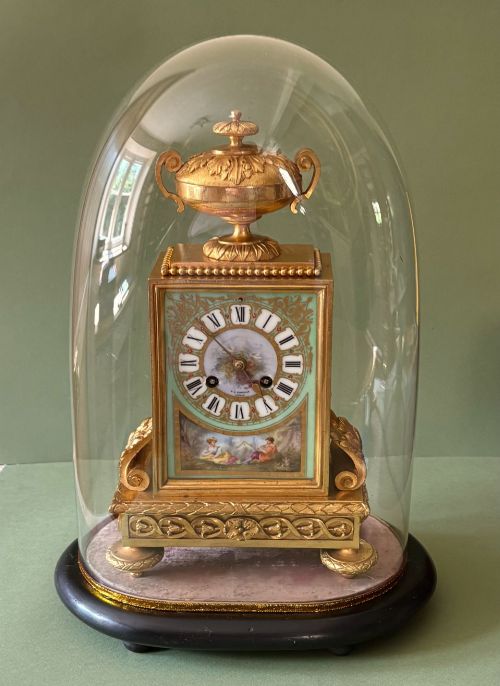
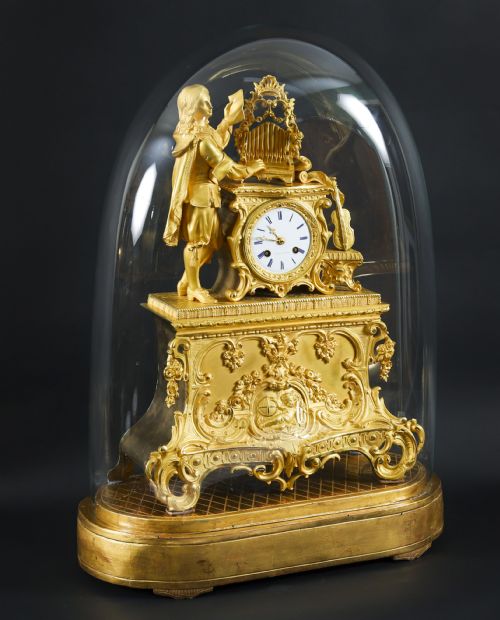
The selections span the Victorian era, the Edwardian period and the nineteenth century, featuring French, English and German origins. Common forms include brass skeleton clocks under blown glass covers and porcelain-mounted French mantel clocks upon wooden or marble bases.
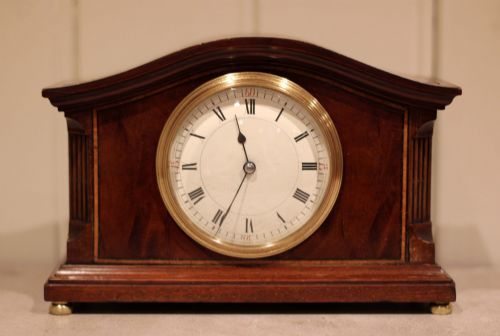
Victorian Gothic interpretations and French Rococo Revival designs appear frequently, alongside later Edwardian mahogany and oak timepiece mantel clocks. Many examples retain their original hand-blown glass shades, which sit flush over carved alabaster, ormolu and rosewood bodies.
Assessing quality and craftsmanship
Quality rests in the crispness of the cast brass or ormolu mounts and the clarity of the hand-blown glass dome. Finer examples display meticulous hand-finishing on the skeletonised brass plates and precise calibration of the fusee or anchor escapement movements.
The integrity of the glass cover itself influences value, with original blown domes exhibiting characteristic thickness variations. Superior pieces combine robust cabinet-maker timber work with signed movements from established makers, maintaining all original components without later replacement parts.
A swinging cherub nonchalantly defies gravity while ticking the hours away beneath glass.
Richard Winter of Chieveley·Maurice and Marcel Moulin Favre Bulle·Leroy Paris·Thwaites of London·Jean Baptiste Delettrez·Farcot
The Antique Table Clock Dome Glossary
- Fusee
- A conical pulley used in spring-driven clocks to equalise the diminishing power of the mainspring as it unwinds. This mechanism ensures consistent torque is delivered to the gear train throughout the power reserve.
- Skeleton clock
- A timepiece designed with open brass plates that expose the entire gear train and wheel work to view. They are frequently housed beneath glass domes to protect the exposed mechanisms from dust.
- Ormolu
- Finely ground high-carat gold applied to a bronze base using a mercury amalgamation process. This technique creates a rich golden finish seen on French mantel clock mounts and decorative details.
- Timepiece
- A clock that indicates the hours and minutes but does not strike the hours or sound any alarms. These movements focus entirely on accurate timekeeping.
- Portico clock
- A mantel clock styled after classical architectural porticos with supporting columns framing the swinging pendulum. They often utilise rosewood, marquetry and glass enclosures.
Antique Table Clock Dome: Frequently Asked Questions
Are original glass domes common?
Many nineteenth-century clocks retain their original hand-blown glass covers, identifiable by slight thickness variations and tiny trapped air bubbles. Finding a matching period cover when an original has broken requires careful measurement of the base recess.
Replacement domes utilise modern manufacturing methods and lack the characteristic optical quirks of Victorian glass. Originals contribute significantly to the historical integrity and visual appeal of the piece.
Where should I place a skeleton clock?
Position the clock on a sturdy, level mantelpiece, sideboard or dedicated bracket where it will not suffer from vibrations caused by heavy foot traffic or closing doors. Stability is essential for maintaining the correct beat of the escapement.
Keep the display away from direct sunlight, radiators and damp exterior walls to protect wooden bases, delicate gilding and steel internal springs. A secure, low-traffic spot allows the open mechanism to be safely admired from all angles.
How do I wind a fusee clock?
Insert the appropriate winding key into the dial aperture and turn it steadily in the direction specified by the maker, taking care not to overwind the mainspring. Support the clock case lightly with your free hand to prevent any shifting on the base.
Most fusee movements require attention once a week or every eight days depending on the spring capacity. Regular, gentle winding preserves the tension of the brass chain or cord within the conical pulley system.