
Antique Table Accessories
These antique table accessories range from silver napkin rings to novelty menu holders, bringing period charm and refined utility to the dining room.
Antique Table Accessories
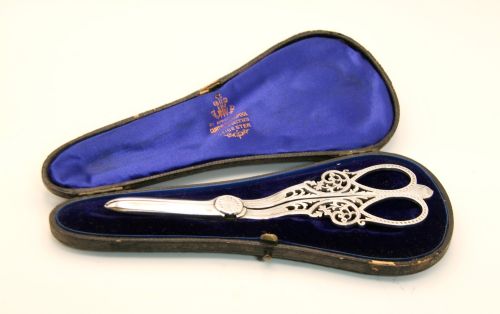
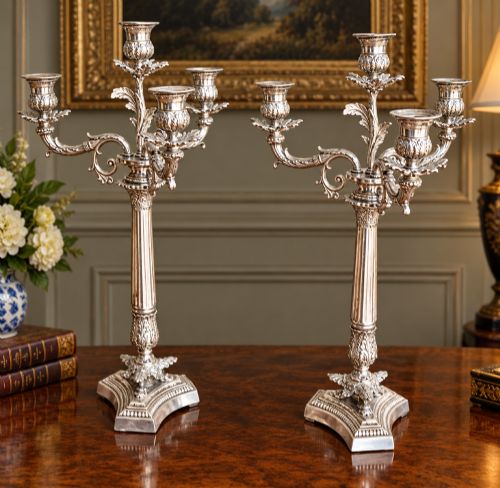
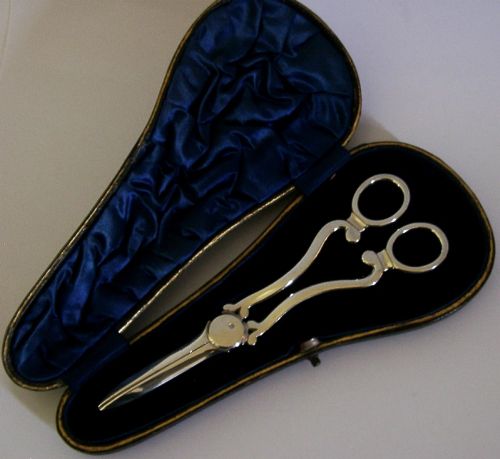
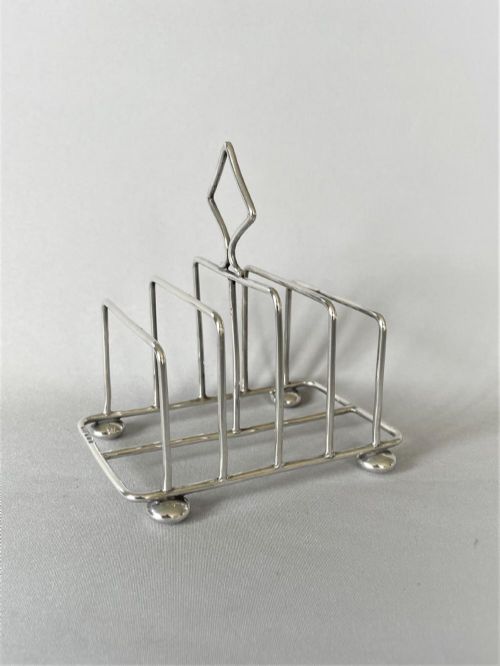
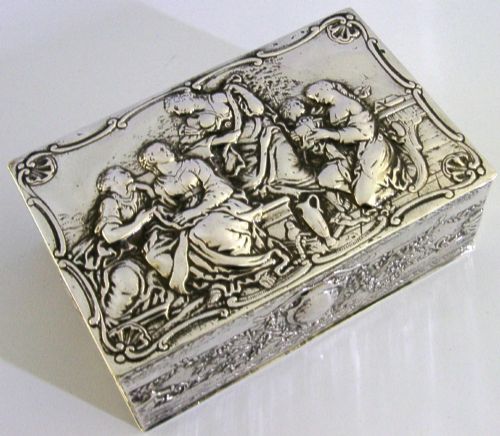
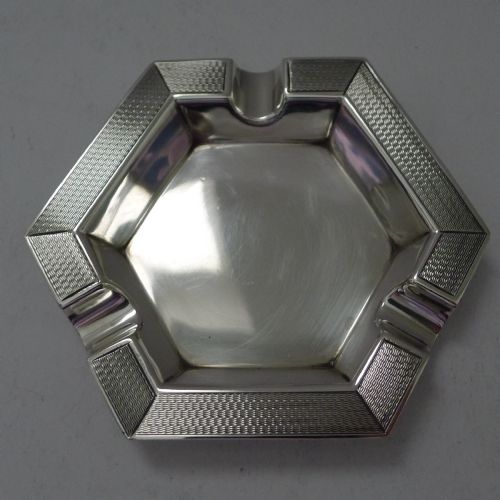
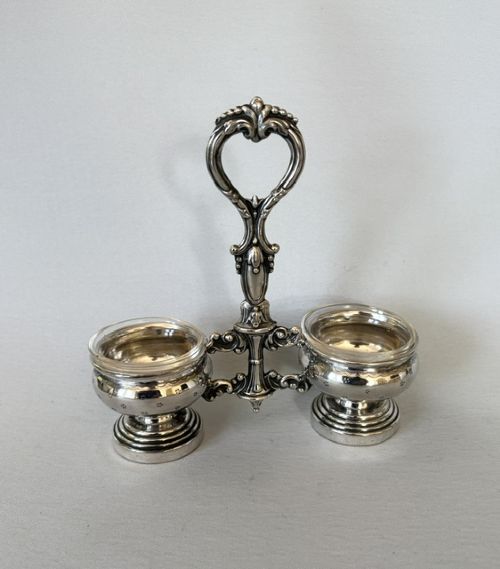
When you search for antique table accessories, you encounter a diverse assortment of small decorative and functional objects designed to enhance formal dining and entertaining. These pieces include napkin rings, menu holders, knife rests, place card holders, and condiment stands dating from the Georgian era through the mid twentieth century.
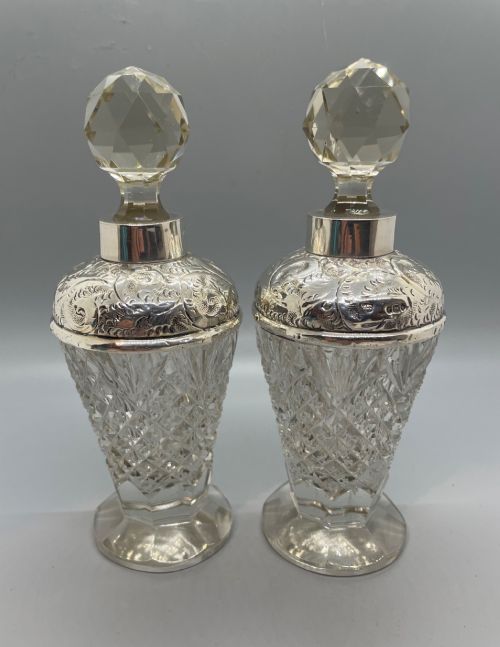
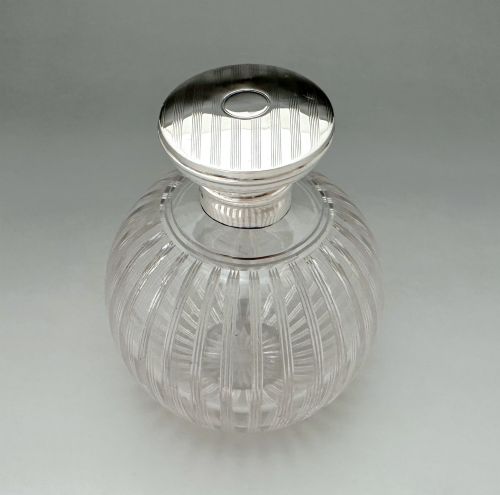
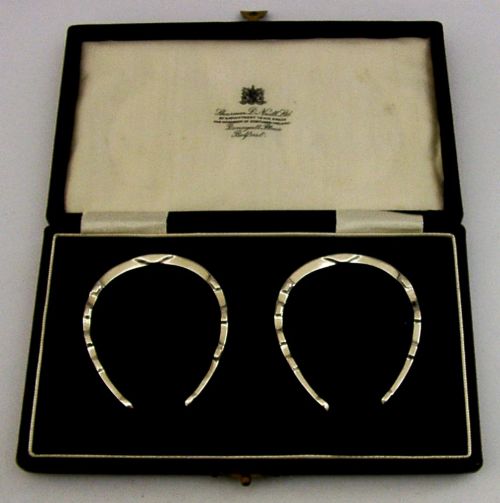
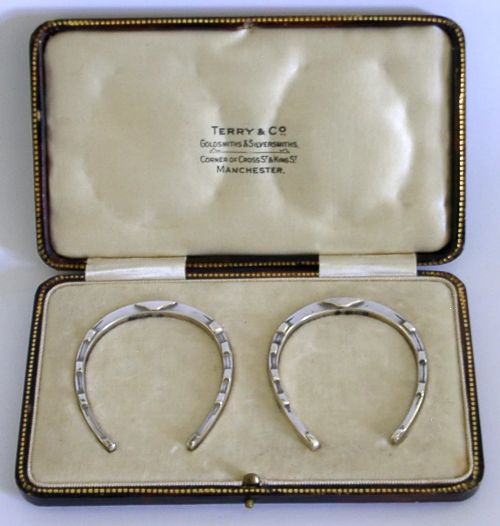
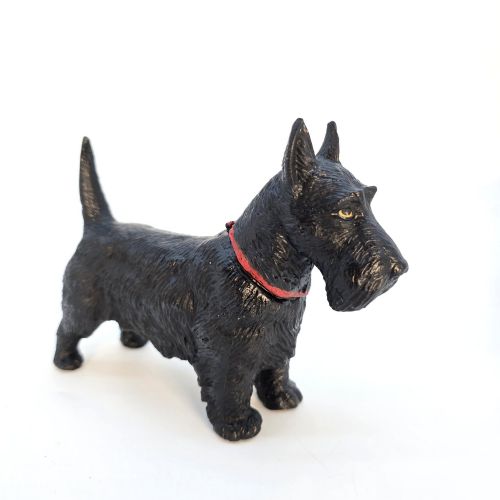
Edwardian and Victorian examples predominate on this page, often reflecting whimsical tastes through figural designs such as owls, swans, and horseshoes. Alongside silver tableware, you find smoking accessories, scent bottles, and treen sewing clamps that served polite domestic life across various periods.
Materials and construction methods
Sterling silver and silver plate dominate the selection, shaped through casting, piercing, and hand engraving by period silversmiths. Many items incorporate complementary materials such as cut crystal, glass, tortoise shell, agate, wood, leather, silk, and velvet.
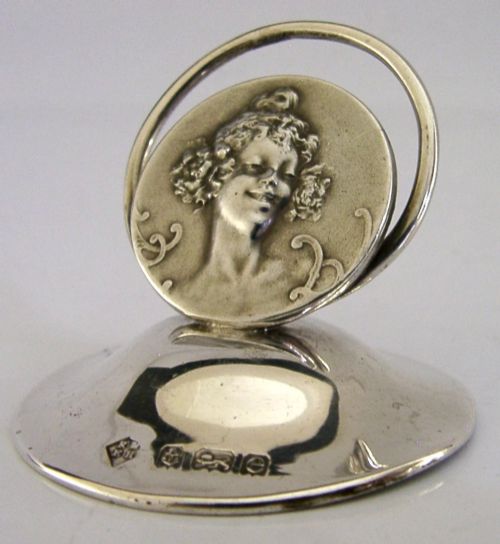
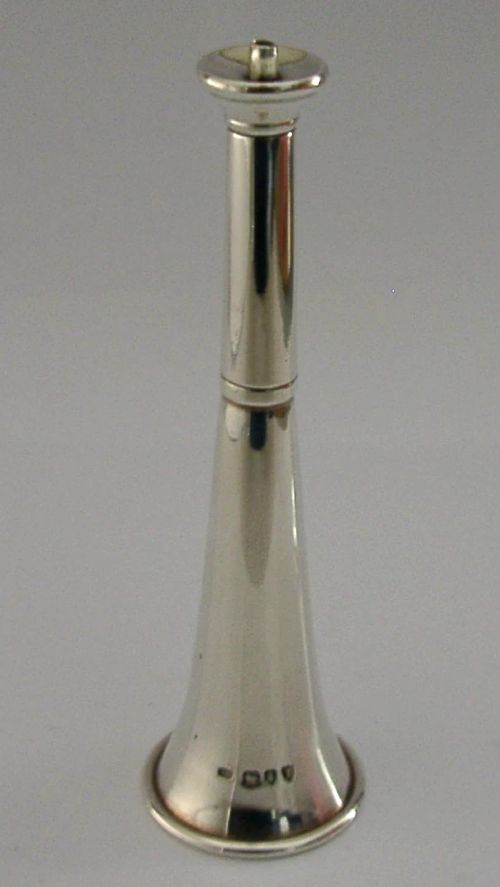
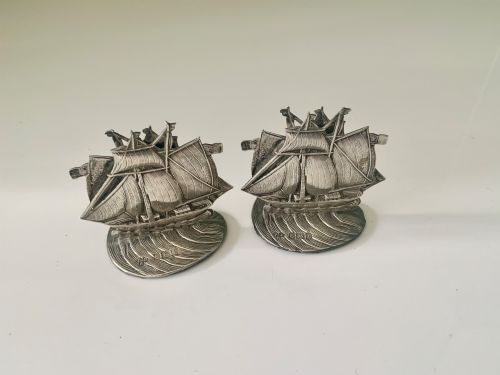
Novelty items utilise detailed casting techniques to render animals and architectural motifs with precision. Maker marks and assay office stamps frequently appear on the silver components, recording the year of manufacture and city of origin.
Certain Edwardian dining tables featured cast silver owls and swans holding menus aloft for astonished guests.
Assessing quality in table accessories
Quality rests in the crispness of the casting and the depth of hand-chased detail, particularly on figural menu holders and novelty cigar lighters. Pieces that retain their original fitted cases or chemical integrity in glass and crystal liners command greater appreciation.
Weight and gauge of silver distinguish heavier bespoke items from lighter mass-produced wares. Condition of hinges on boxes and the preservation of original hand-painted enamel or gilt surfaces determine the desirability of individual pieces.
William Neale·Levi and Salaman·A. Wilcox·Mappin and Webb·R. E. Stone
The Antique Table Accessories Glossary
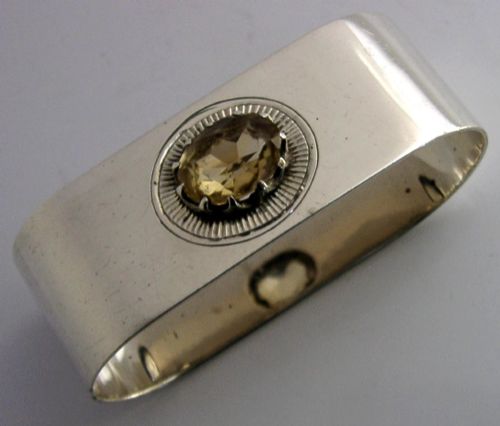
- Napkin ring
- A small band of silver, wood, or other material used to identify individual dining napkins between meals. They often bear engraved monograms or decorative repoussé borders.
- Menu holder
- A small upright stand designed to display dinner menus on a dining table. Edwardian examples frequently feature cast silver animals or figural subjects.
- Knife rest
- A low support placed beside a plate to keep carving or dining knife blades elevated above the tablecloth. They usually appear in matched pairs.
- Treen
- Small handmade wooden household objects and utensils. Tunbridge ware provides a specific example using inlaid mosaic wood decoration.
- Assay mark
- A stamp applied by an official body to precious metals confirming their standard of purity. These marks help date British silver accurately.
Antique Table Accessories: Frequently Asked Questions
How were napkin rings used?
Napkin rings were assigned to individual family members or guests in large households where laundry was not done daily. They kept napkins identifiable between weekly washes.
Today, they function as decorative table ornaments or practical napkin holders for everyday dining.
What is a menu holder?
Menu holders were placed on dining tables to display the courses of a formal meal to guests. They often matched the decorative theme of the tablescape.
Victorian and Edwardian hosts favoured figural designs shaped as animals, birds, or sporting motifs.
How do I date silver table items?
British silver typically bears a series of hallmarks that include a maker's mark, a standard mark for purity, an assay office mark, and a date letter. These symbols correspond to specific years and cities.
Styles, manufacturing techniques, and retailer signatures also provide reliable clues for dating unmarked or foreign pieces.
How should I clean silver accessories?
Silver table accessories require gentle cleaning with a specialised silver cloth or mild non-abrasive polish to remove tarnish without harming fine details. Avoid harsh chemical dips that strip patination from recessed areas.
Pieces containing organic materials like tortoise shell, velvet, or silk need careful spot cleaning to protect delicate surfaces.