

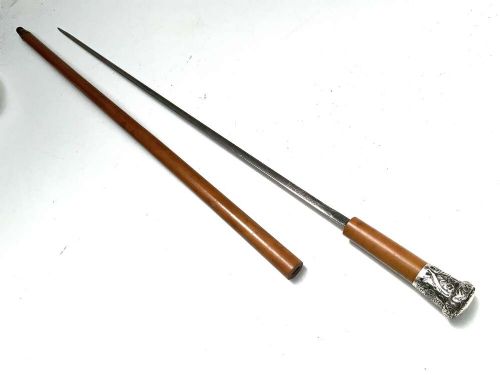
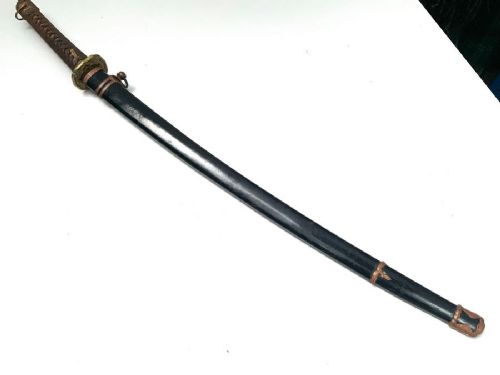
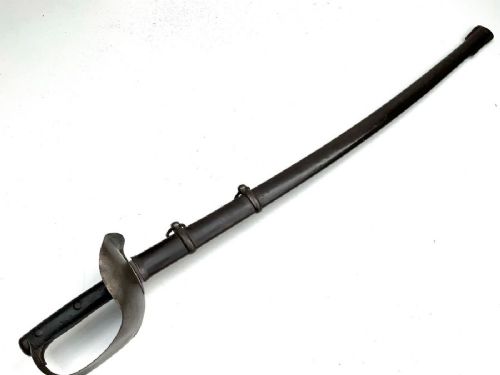

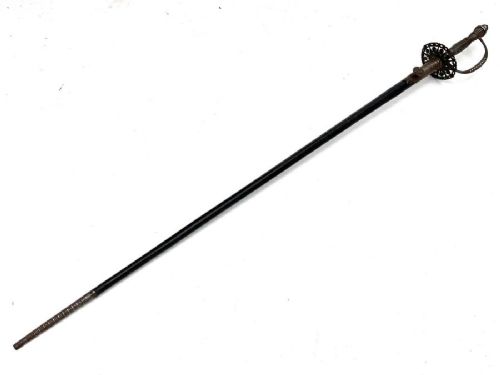




Antique Sword Guard
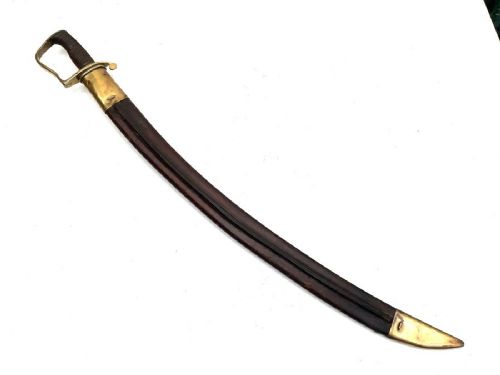
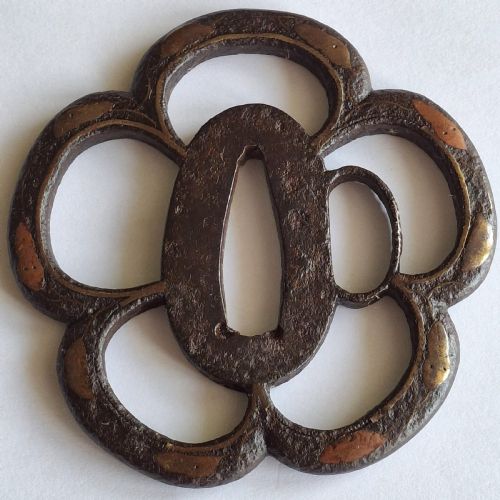
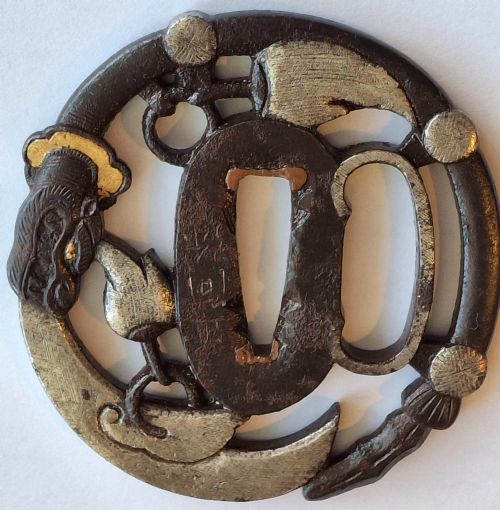
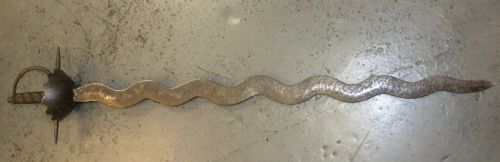
These antique sword guard examples and related edged weapons range from Georgian military pieces to Japanese Meiji and Edo period iron work, prized by collectors for their historical detail.
Antique Sword Guard
An antique sword guard protects the hand during combat and provides structural balance to a blade, appearing in various forms across different military and civilian traditions. When you search for antique sword guard, you encounter both standalone Japanese tsuba and components integrated into European cavalry sabres, rapiers, and swagger sticks.
The selection here spans centuries of craftsmanship, connecting British regimental pieces with Japanese decorative metalwork from the Edo and Meiji periods. These items reflect the operational needs and aesthetic values of their respective eras, from heavy cavalry engagements to courtly dress.
Standalone guards, particularly iron tsuba, demonstrate intricate sculptural work independent of the blades they once accompanied. Other entries on this page incorporate the guard motif into lighting or preserve the complete edged weapon with its original protective hilt.
Materials and methods of construction
Makers utilised forged iron, cast bronze, and polished steel to build structural resilience into each guard and weapon hilt. Metalworking techniques included high relief casting, piercing, and hammering to shape the protective barrier between grip and blade.
Surface ornamentation involved contrasting inlays of copper, silver, and gold applied to iron or bronze substrates. Cloisonne enamel also appears on select pieces, introducing colourful decorative motifs to the metal base.
Associated components incorporate wood, leather, and gilded brass, particularly in scabbards, grips, and adapted decorative items such as candlelamps. Each material choice balanced practical durability with the prevailing artistic style of the workshop.
Antique Sword Guard Retail Price Guide 2026
Typical asking prices for sword guard among the pieces listed under this phrase on Sellingantiques today, from the lower quarter to the upper quarter. They describe what is for sale here now, not the wider market.
Some nineteenth century cavalry dress swords found a second life as gilded brass candlelamps, guarding the dining table instead of the battlefield.
Distinctions in quality and execution
Superior examples display precise metal shaping and deliberate composition in their relief work, whereas lesser pieces show repetitive casting or mechanical finishing. The depth and clarity of the chisel work on an iron tsuba or the crispness of a regimental crest indicate the artisan's skill.
Signed works and those retaining original inlays command greater interest because they document specific makers and traditional techniques. Preservation of the primary metal surface without aggressive cleaning maintains the integrity and visual character of the piece.
The integration of design elements, such as dragons, folklore scenes, or military ciphers, distinguishes standard utilitarian output from accomplished artisanal production. Balance and proportion in the construction of the guard relative to its intended blade type further separate high grade items.
The Antique Sword Guard Glossary
- Tsuba
- The traditional Japanese sword guard, usually circular or oval, positioned between the blade and grip to protect the hand. These objects often feature elaborate metalwork, inlay, and sculptural motifs.
- Hilt
- The handle of a sword, comprising the guard, grip, and pommel. It provides the user with control and defensive protection during combat.
- Sabre
- A backsword with a curved blade intended primarily for cutting cavalry use. Examples often feature heavy guard configurations to shield the hand.
- Cloisonne
- An enamelling technique where decorative areas are partitioned by thin metal strips soldered to the base. This method creates colourful patterns on metal surfaces.
- Inlay
- A decorative technique where materials such as copper or silver are embedded into recesses within a primary metal base. This adds contrast and detail to iron and bronze guards.
Antique Sword Guard: Frequently Asked Questions
What is a tsuba?
A tsuba is a Japanese sword guard designed to protect the hand while balancing the weapon. These pieces often feature detailed carvings and metal inlays.
Many collectors acquire them as independent artworks rather than keeping them attached to swords. They reflect Japanese folklore, metallurgy, and artistic periods like the Edo era.
How do I identify military periods?
Military pieces often carry regimental inscriptions, stamps, or specific blade patterns associated with known historical campaigns. Examining the construction materials and style helps narrow down the decade of production.
Victorian and Edwardian items typically display distinct crown ciphers and military unit designations. Comparing these details against documented regimental histories clarifies their origin.
How were sword guards decorated?
Artisans utilised metal inlay, high relief carving, and cloisonne enamel to adorn the surface of guards. Techniques varied between European military workshops and Japanese traditional smithies.
Metals like copper, silver, and gold were frequently applied to iron or bronze bases to highlight specific motifs such as dragons or floral patterns.
Can I display a standalone guard?
Standalone tsuba and mounted guards suit display stands that showcase both sides of the metalwork. Their compact size allows for straightforward placement in cabinets or on desks.
Stable indoor humidity and indirect lighting protect the metal surfaces and any inlaid details from environmental degradation.