
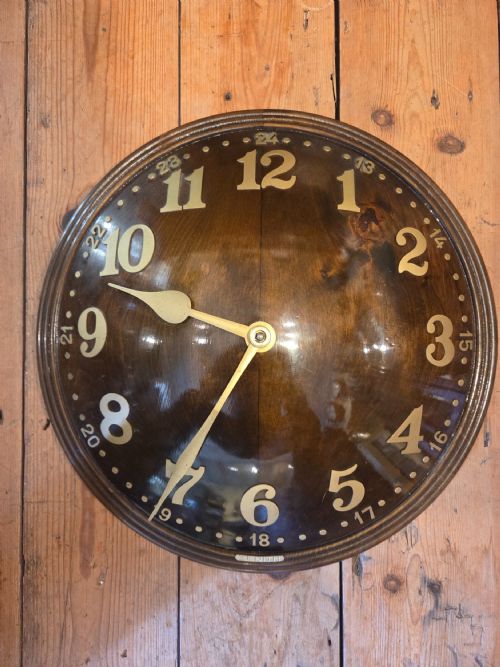
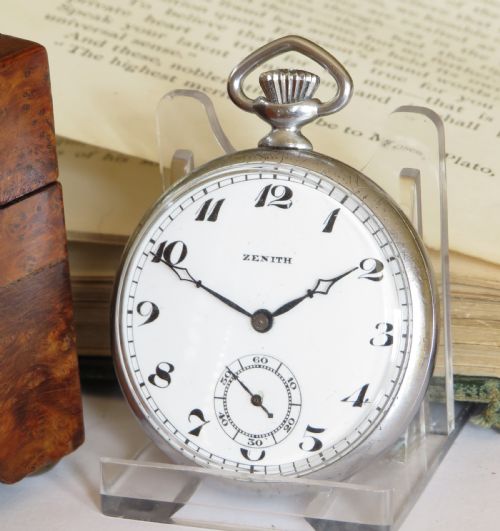
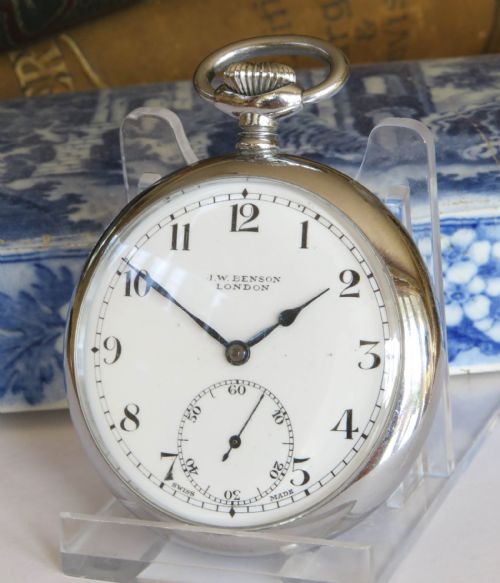
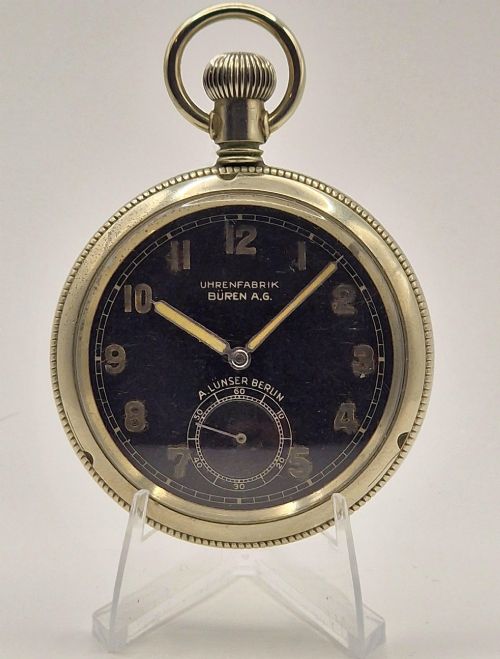
Antique Swiss Horology
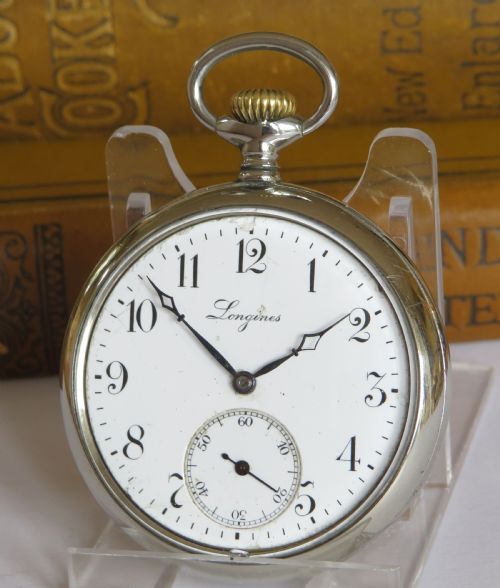
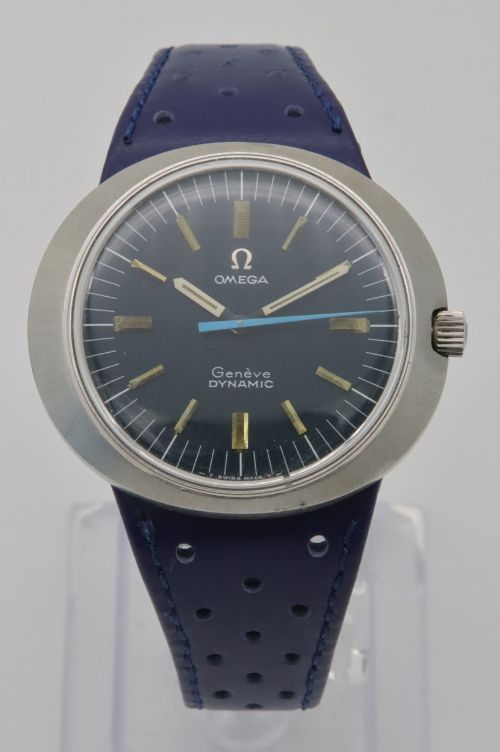
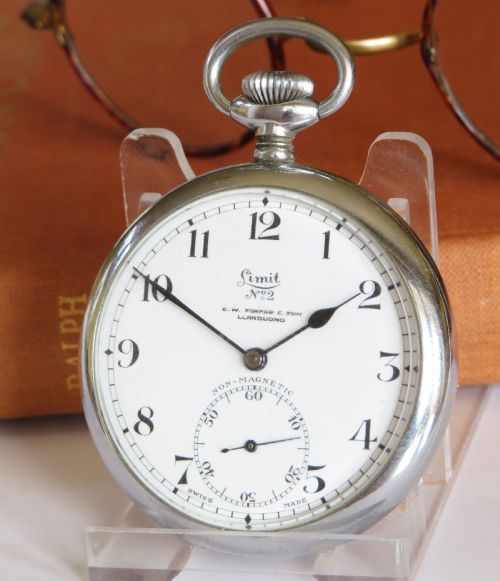
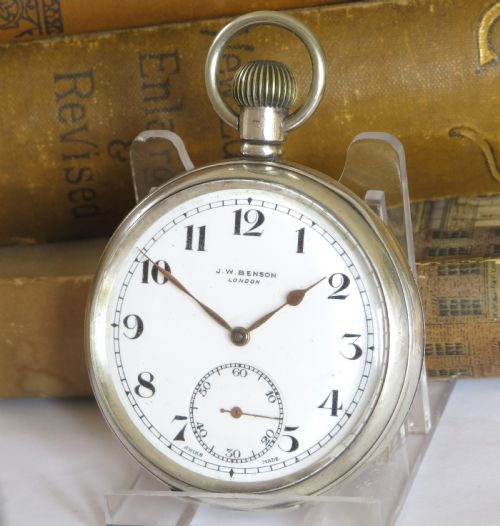
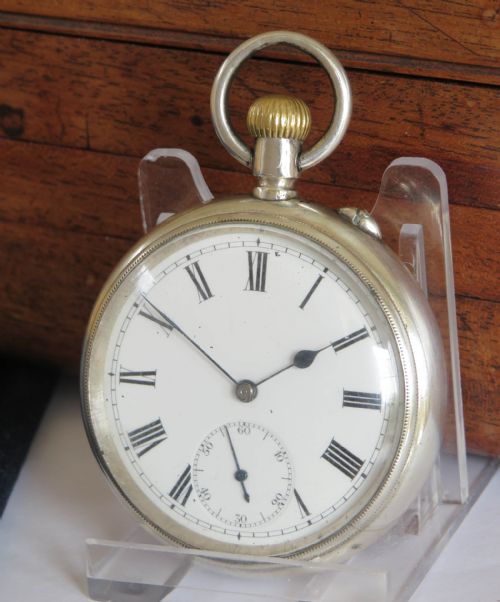
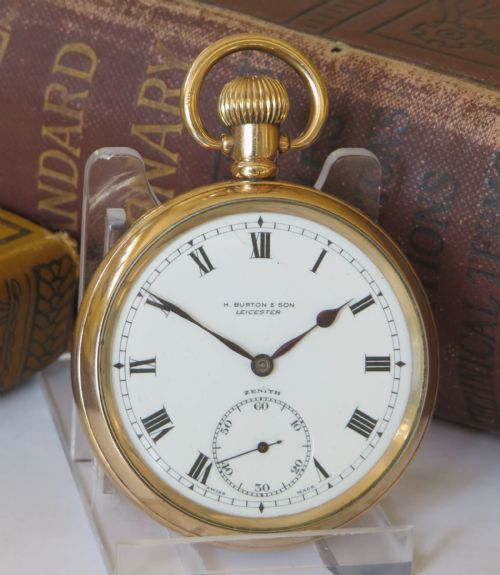
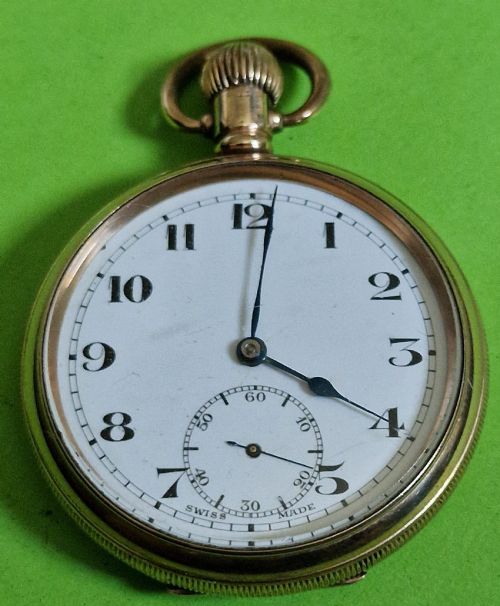
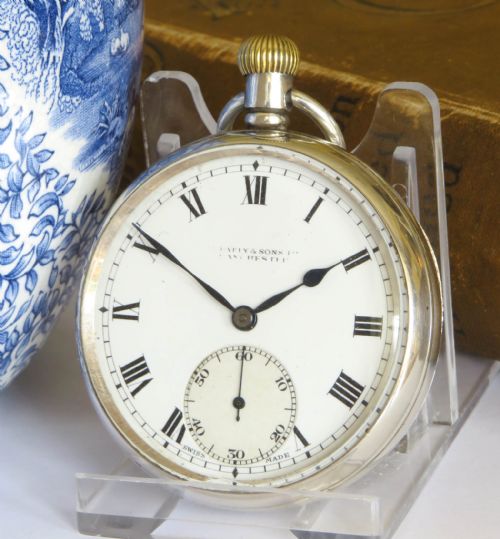
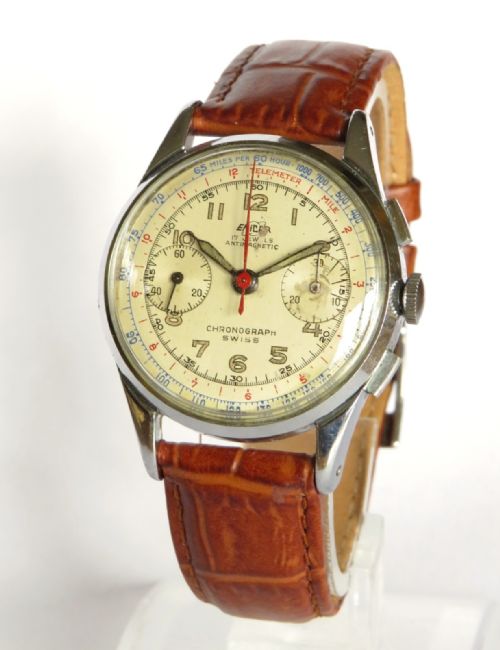
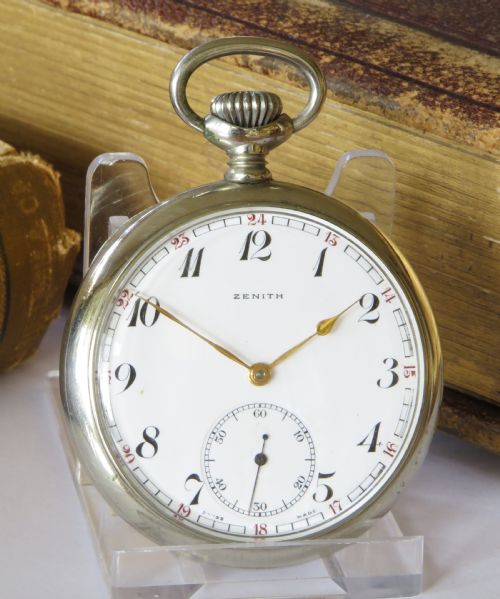
These pieces of antique swiss horology span pocket watches, wristwatches, and clocks produced across the nineteenth and twentieth centuries.
Antique Swiss Horology
Buyers examining antique swiss horology encounter a diverse selection of timepieces, predominantly pocket watches and wristwatches alongside carriage clocks and mantel clocks. The items originate from various periods including the nineteenth century, Edwardian era, Art Deco period, and mid-century decades.
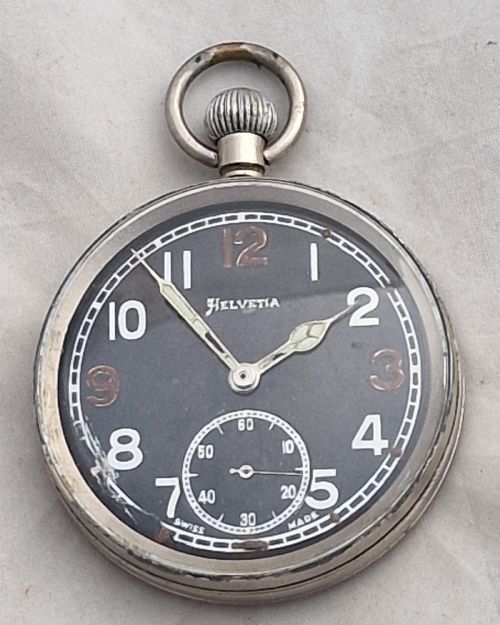
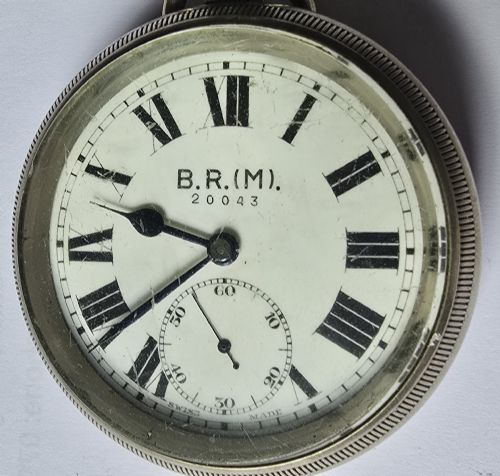
The assortment includes military issues, railway timepieces, enamel-faced dials, and complex movements such as repeaters and chronographs. Silver cases, gold plate, and solid gold housings appear frequently alongside steel and stainless steel variants.
Materials and construction methods
Cases utilise metals such as sterling silver, gold plate, eighteen-carat gold, brass, and stainless steel, paired with glass crystals and enamel dials. Some pieces incorporate specialised housings like leather travel cases or carved linden wood.
Movements rely on precision mechanical engineering, incorporating components like eight-day mainsprings, perpetual calendars, quarter-repeater mechanisms, and chronograph complications. Structural parts are housed within robust metallic frames designed for daily utility or specialised service.
Distinctions in craftsmanship and preservation
Quality differences manifest in the complexity of the movement, such as grand sonnerie functions, split-second rattrapante mechanisms, or multi-date displays versus standard time-only calibres. The intricacy of the gear train and the precision of the escapement dictate the technical standard of the watch.
The preservation of original dials, hands, and signed cases distinguishes higher-grade examples. Pieces retaining matching components, clear hallmarks, and specialised military or export provenance demonstrate superior collector interest.
Camerer Cuss·Cyma·Stauffer·Zenith·Hebdomas·Dennison·Vertex·Enicar·Omega·Longines·Consul·Lanco·Baume·Revue·Langendorf·A. Golay-Leresche Geneve·Garrard·Windsor·Pimco·Bergen & Co·F Orr & Sons·Miramar·Timor·J. F. Bautte Et Cie·J Dauer Geneve
The Antique Swiss Horology Glossary
- Chronograph
- A watch with a function that allows it to measure elapsed time, typically operated via independent pushers.
- Repeater
- A complication that chimes the hours, quarters, or minutes on demand via internal gongs when a slide or pusher is activated.
- Half Hunter
- A pocket watch case featuring a closed cover with a central glass or open aperture that displays the hands without opening the case.
- Carriage Clock
- A portable spring-driven clock developed for travel, usually fitted with a carrying handle and glass panels.
- Calibre
- The specific internal movement design and designation created by a watch manufacturer.
Antique Swiss Horology: Frequently Asked Questions
What is a quarter repeater pocket watch?
A quarter repeater is a mechanical timepiece that chimes the hours and the nearest quarter-hour audibly when a lever or pendant is activated.
This intricate complication allowed owners to tell the time in the dark without checking the dial visually.
How do eight-day clocks function?
Eight-day clocks utilise large mainspring barrels designed to store sufficient tension to power the movement continuously for over a week before requiring manual winding.
Such mechanisms were particularly popular in carriage clocks and specialty pocket watches intended to reduce winding frequency.
What distinguishes military issue watches?
Military issue timepieces feature specific government or service markings, robust steel cases, and highly legible dials designed for active duty conditions.
Examples from various twentieth-century conflicts bear broad arrows, service numbers, or specific regiment abbreviations on the case back.
What is an explorer dial?
An explorer dial is a watch face design characterised by clear numerical markers at specific intervals, prioritising maximum legibility.
These configurations are typically found on mid-century sports and utility wristwatches.