

Antique Sweetmeats
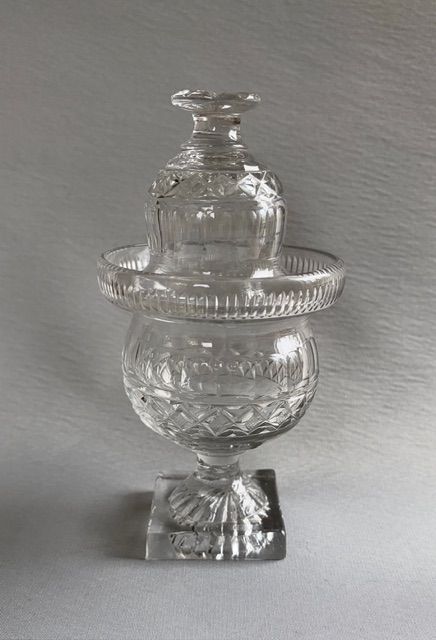
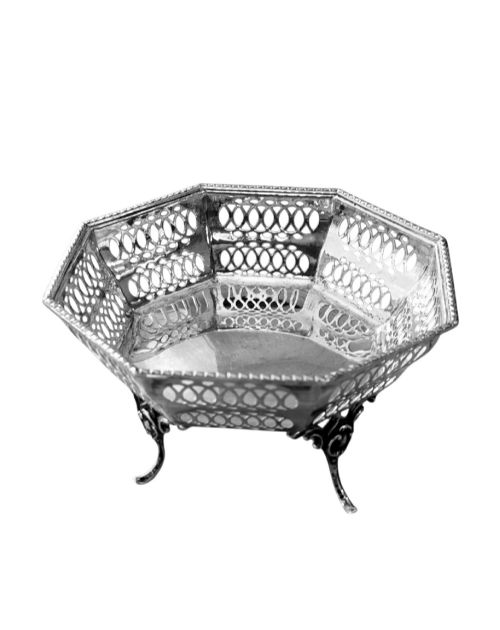
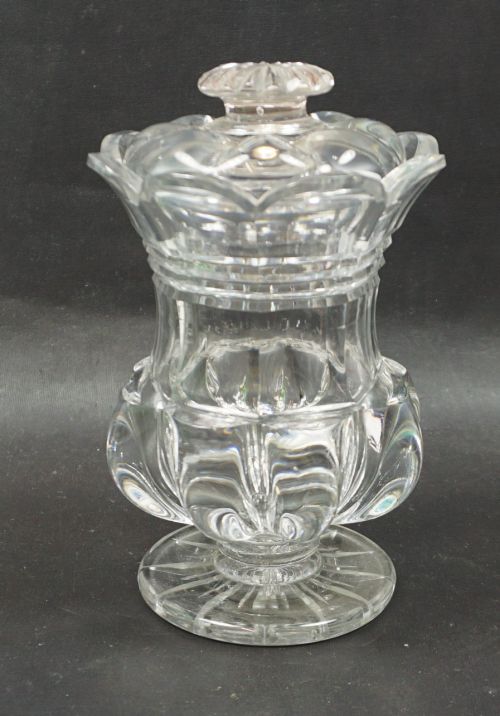
Antique sweetmeats encompass the small glass, silver, and porcelain vessels used for serving confectionery and delicate sweet treats across several centuries.
Antique Sweetmeats
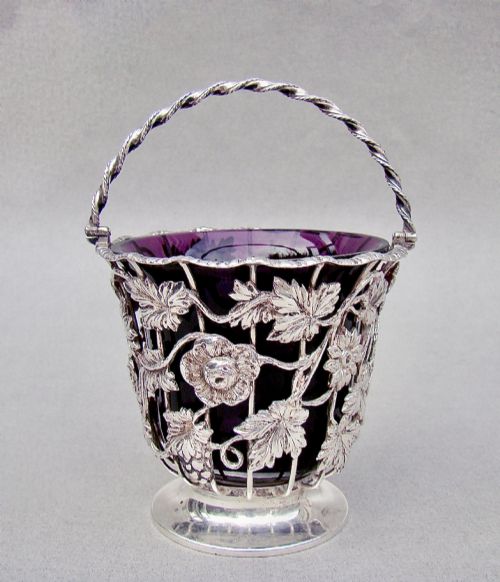
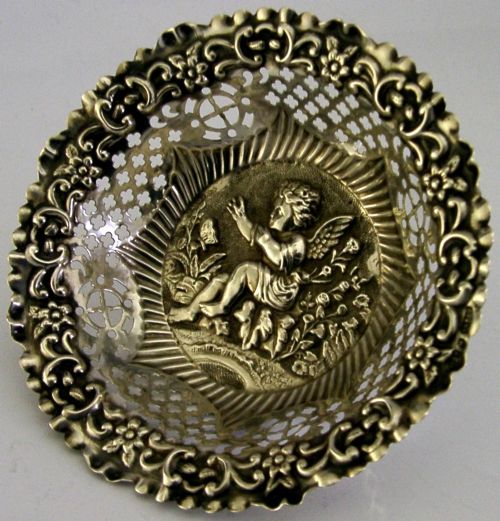
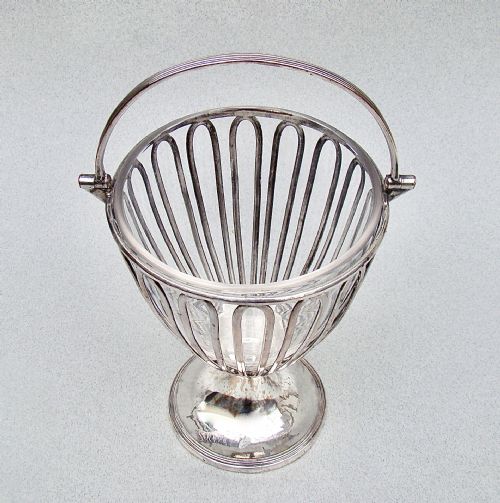
When searching for antique sweetmeats, buyers encounter a variety of forms designed for confectionery, including sugar baskets, bonbon dishes, tazzas, and jelly or bonnet glasses originating from the eighteenth century to the early twentieth century.
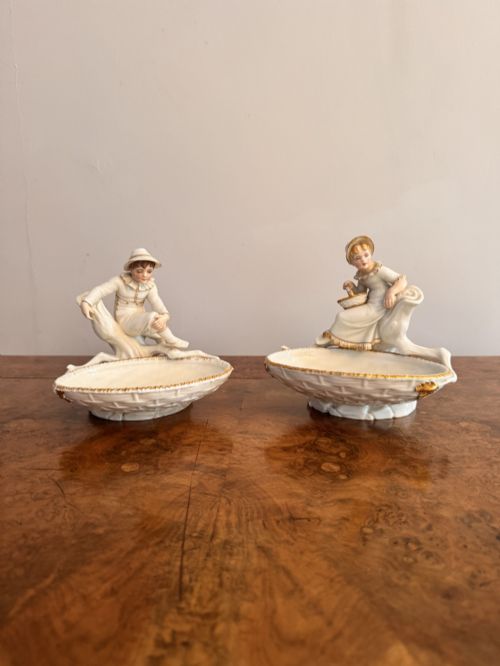
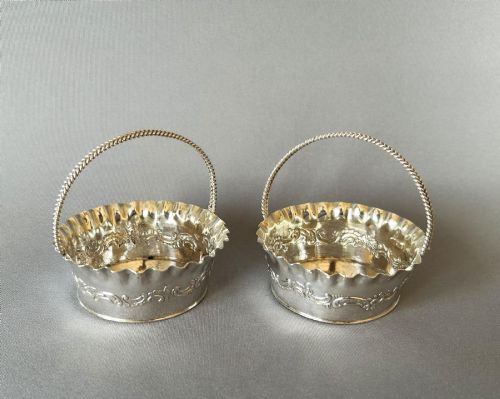
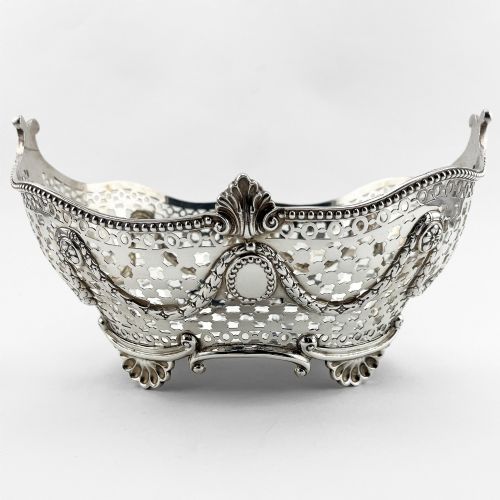
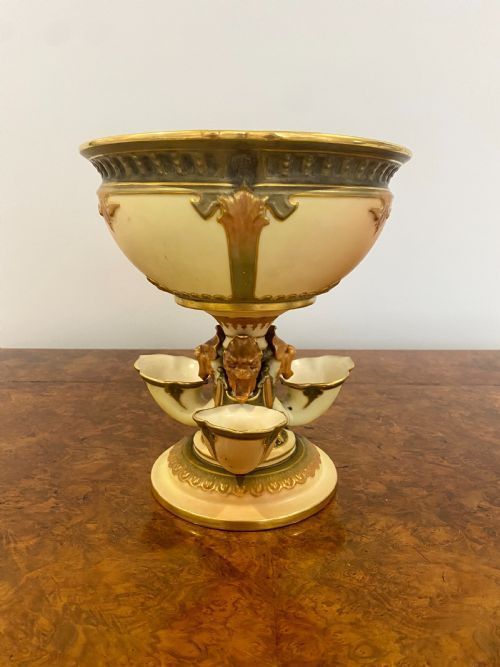
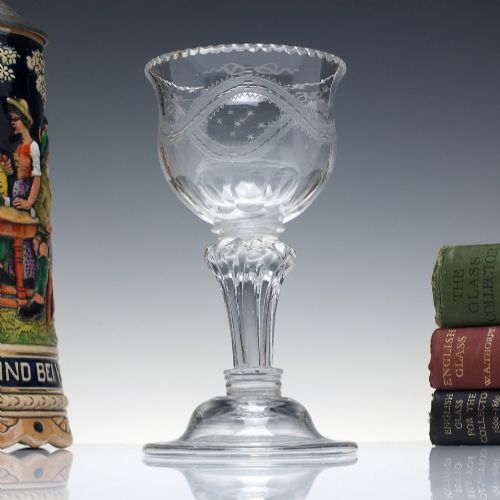
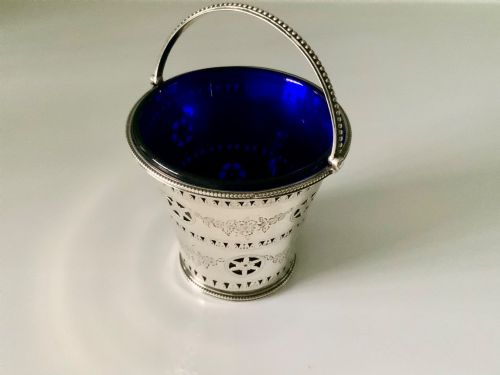
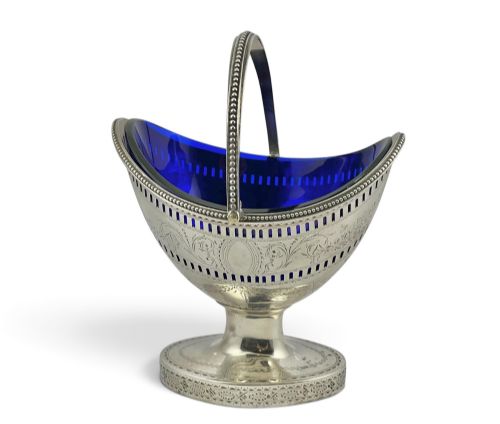
The selection ranges from early Georgian opaque twist glasses and Worcester porcelain shell sweetmeat stands to Victorian and Edwardian sterling silver and silver-plated baskets featuring coloured glass liners.
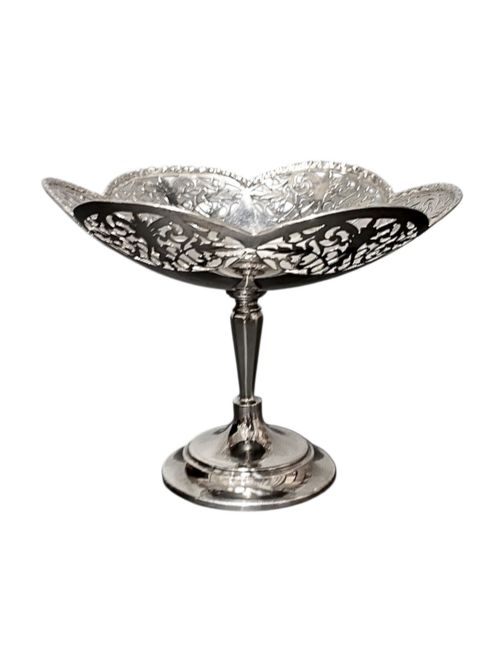
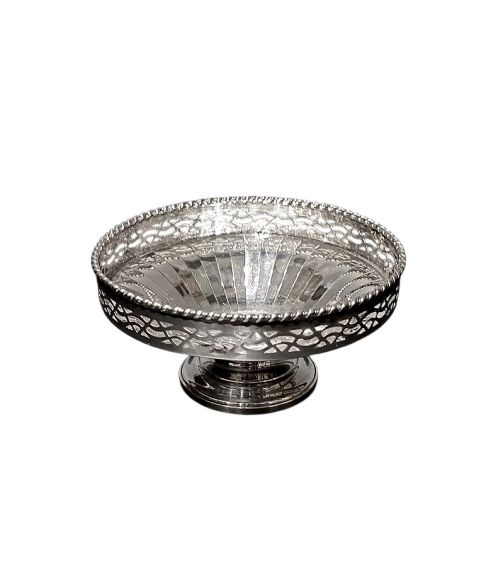
Serving dishes and pierced cream pails also appear alongside Art Deco tazzas, reflecting the changing domestic tastes in tableware over successive periods.
Materials and production
Glassware production utilises lead glass, crystal, and clear or coloured glass manipulated into opaque twists, honeycomb moulding, and cut glass forms.
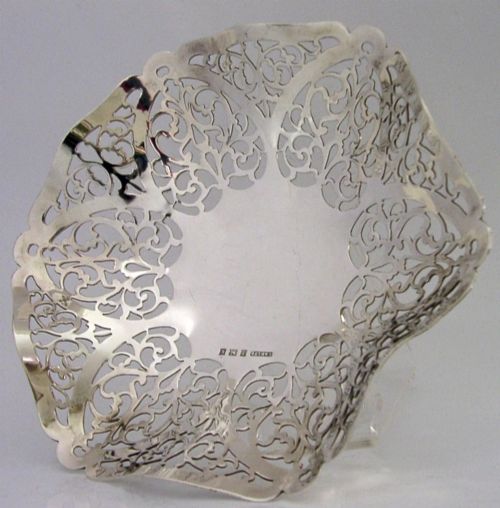
Silver items involve sterling silver and silver plate shaped through piercing, casting, and swing-handled construction, often paired with ruby, cranberry, or amber glass liners.
Porcelain examples employ soft-paste porcelain bodies decorated with hand-painted patterns, exemplified by eighteenth-century Worcester manufactories and later Victorian pieces.
Antique Sweetmeats Retail Price Guide 2026
Typical asking prices for sweetmeats among the pieces listed under this phrase on Sellingantiques today, from the lower quarter to the upper quarter. They describe what is for sale here now, not the wider market.
Materials represented include sterling silver, silver plate, lead glass, soft-paste porcelain, and enamel.
Distinctions in quality
Quality rests upon the crispness of the piercing in metalwork, the clarity and weight of the lead glass or crystal, and the delicacy of painted porcelain details.
Maker attribution and documented hallmarks on sterling silver elevate pieces, while complex glass manipulation such as double series opaque twists distinguishes finer glassware from standard production.
William Aitken·Mitchell Bosley Co·Thomas Bradbury Sons·Mappin Webb·Aldridge Green·Henry Chawner·Charles Boyton·William Comyns
The Antique Sweetmeats Glossary
- Bonbon dish
- A small open vessel intended for holding sweets or small confectionery. These items appear in both sterling silver and silver plate.
- Tazza
- A elevated shallow bowl supported on a central foot or stem. They occur in glass and silver across Georgian and later periods.
- Opaque twist
- A decorative white or coloured enamel glass thread enclosed within the stem of eighteenth-century glassware. It creates a spiral visual effect.
- Sugar basket
- A footed or swing-handled receptacle used for holding sugar at the table. They frequently incorporate pierced silver frames with coloured glass liners.
- Patch stand
- A small circular glass plate used in the eighteenth century to hold cosmetic face patches. They share forms with early serving glassware.
Antique Sweetmeats: Frequently Asked Questions
What were antique sweetmeats used for?
These vessels held sweet confections, sugar, jellies, and preserved fruits during formal dining and entertaining across the Georgian and Victorian eras.
They functioned primarily as tablewares designed to present delicate foods to guests in domestic settings.
How do I identify a Georgian sweetmeat glass?
Georgian sweetmeat glasses typically exhibit period characteristics such as pontil marks on the base, baluster stems, or opaque twist threads.
Their overall weight, glass composition, and manufacturing traits separate them from later reproductions.
How should I clean silver sweetmeat baskets with glass liners?
Remove the glass liner from the silver basket before cleaning to protect both materials appropriately. Wash the glass separately in warm soapy water and polish the silver with a suitable cloth.
Avoid submerging cemented components or exposing fragile coloured glass to harsh chemicals.