
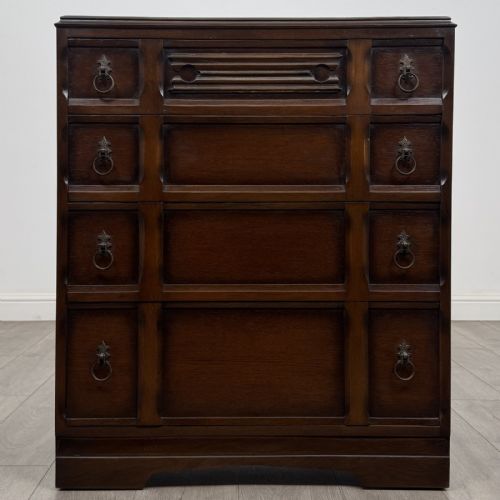
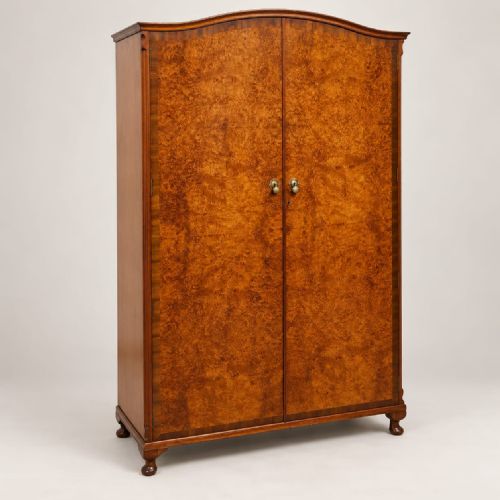
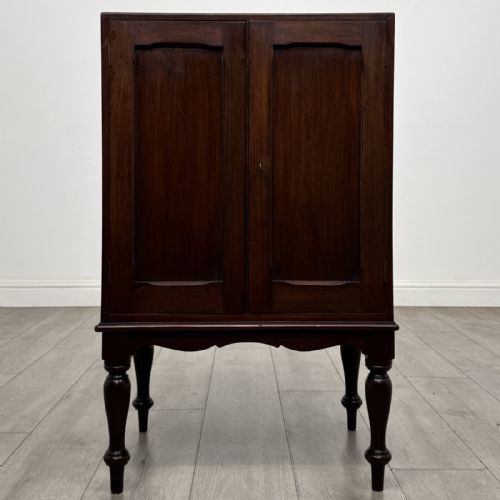
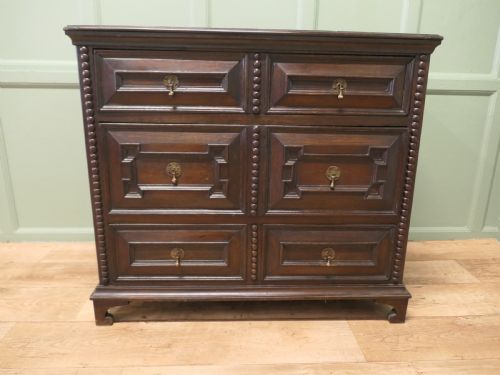
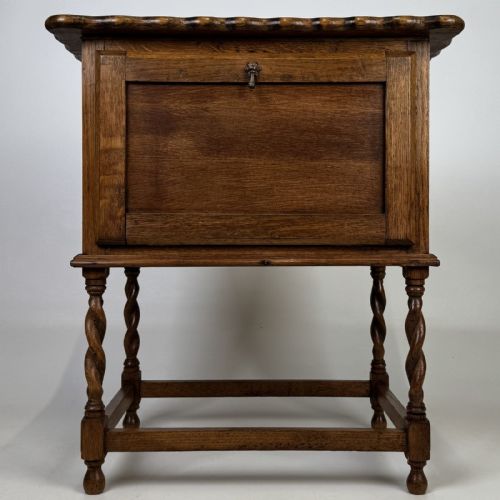
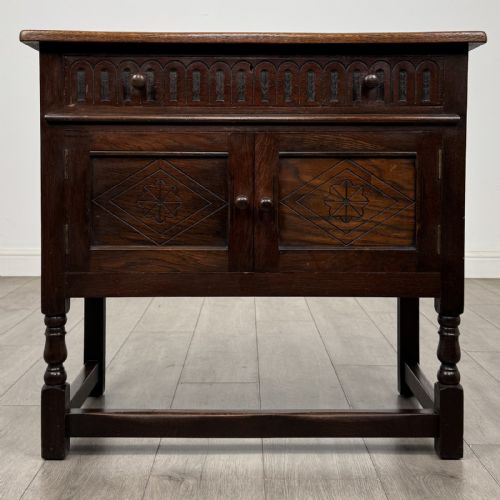
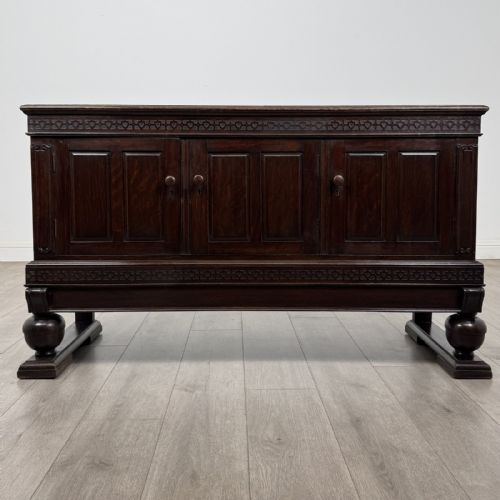
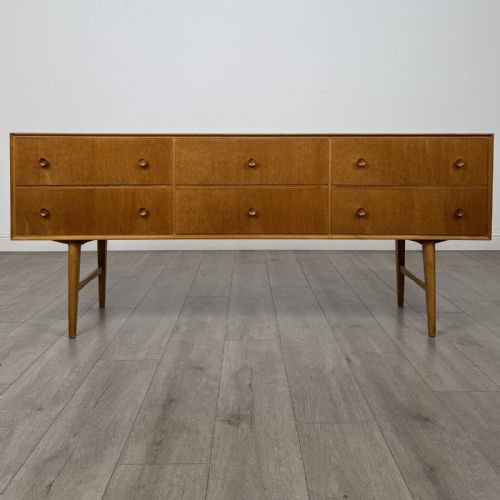
Antique Style Storage Cabinet
An antique style storage cabinet organises a room with timber and brass, taking forms from the nineteenth and early twentieth centuries.
Antique Style Storage Cabinet
When you search for an antique style storage cabinet, you encounter a variety of forms designed to hold household goods, books and clothing. The pieces span the nineteenth and early twentieth centuries, drawing on Victorian, Edwardian, Georgian and Art Deco traditions. Chests of drawers, bookcases, sideboards and wardrobes dominate the selection, offering practical compartmentalisation for modern interiors.
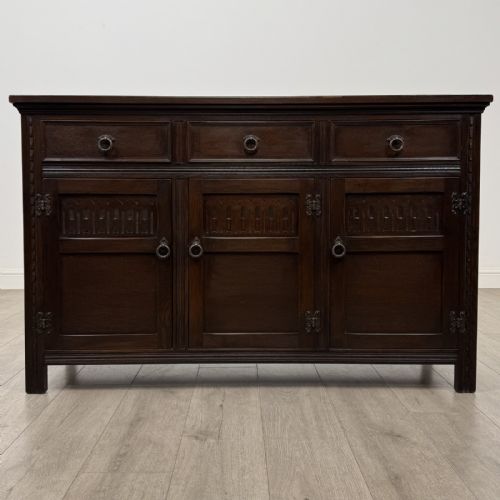
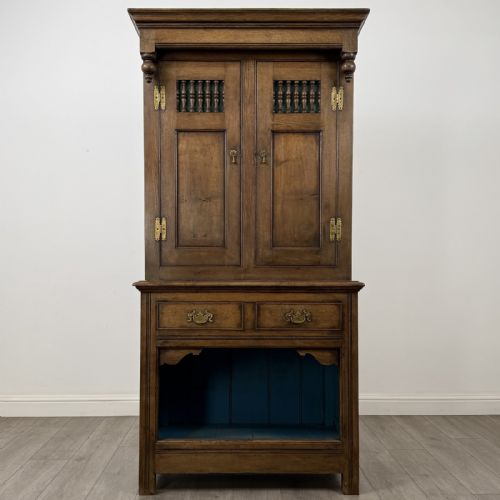
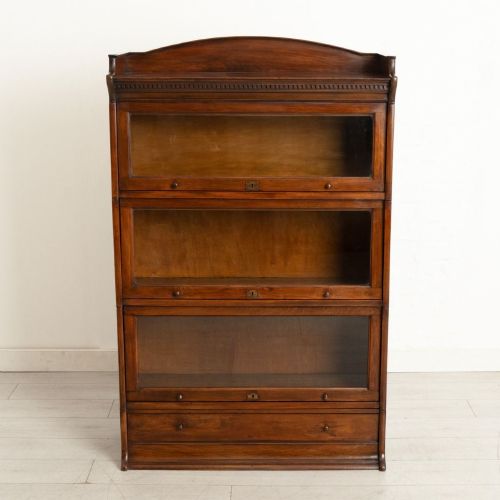
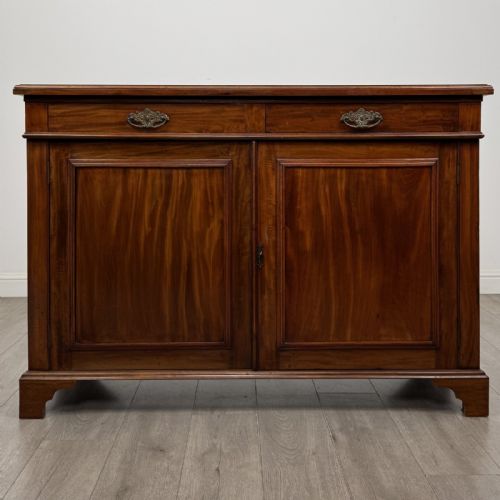
You are most likely to meet Edwardian oak cupboards, mahogany chests and walnut sideboards on this page. These items range from compact open bookcases and narrow drawer units to large breakfront dressers and triple wardrobes. Makers utilised specific regional styles such as Chinoiserie, Jacobean Revival and English Country alongside continental French Louis XV and XVI aesthetics.
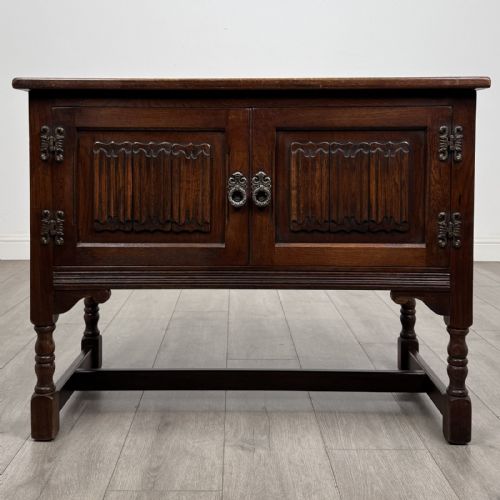
The origins of these cabinets reflect both British workshops and French design influences. Pieces include linenfold display cabinets, carved court cupboards and serpentine commodes with marble tops. Each form retains the utility intended by its maker while serving as a focal point in a contemporary room scheme.
How they were made
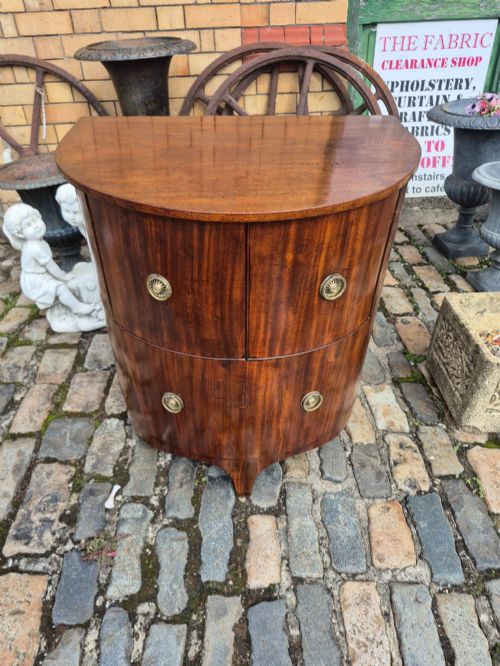
Makers constructed these cabinets using dense timbers such as mahogany, oak, walnut and burr walnut, often pairing them with brass handles and iron fittings. Glazed doors incorporate glass panels to protect books or display items within bookcases and cabinets. Marquetry, satinwood inlay and painted Chinoiserie decoration add surface pattern to mahogany and fruitwood carcases.
Structural methods involve traditional joinery suited to heavy use, with drawers built to withstand daily opening and closing. French polish or painted finishes seal the timber surfaces, while marble tops on commodes and corner cabinets provide durable, cool working or display surfaces. Details such as linenfold carving on oak panels demonstrate specific woodworking techniques of the period.
Wedding cabinets in bright Chinese red lacquer bring vibrant colour and traditional auspicious symbolism straight into a quiet British hallway.
What varies in quality
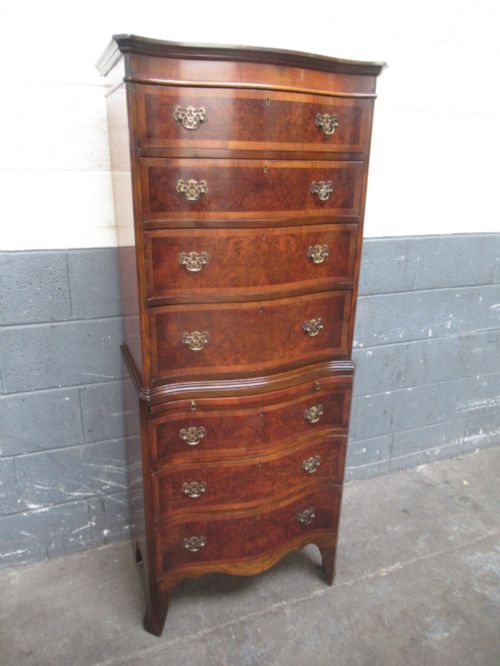
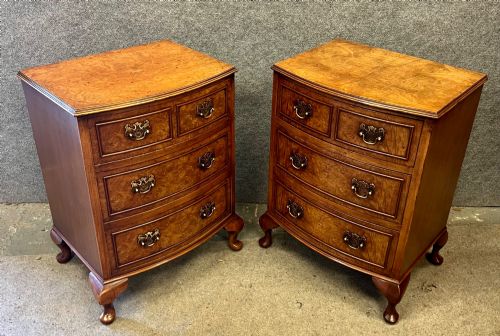
The distinction between tiers of manufacture lies in the selection of timber and the precision of the cabinetmaker's hand. Figured walnut and burr veneers require careful matching across drawer fronts and door panels, whereas standard stock relies on plainer cuts of oak or mahogany. Carved enrichment, such as the detail on court cupboards or serpentine sideboards, indicates the time invested during production.
Hardware and interior fittings also signal the standard of the piece. Solid brass handles, dovetailed drawer linings and original glass panes contrast with replaced elements or utilitarian secondary woods. The integration of decorative styles, from marquetry to japanned Chinoiserie, shows the level of artistry applied to the finished carcase.
GM Elwood for JS Henry·Maples and Co
The Antique Style Storage Cabinet Glossary
- Breakfront
- A cabinet or sideboard whose central section projects forward from the flanking outer sections. This configuration creates visual depth and varied storage proportions.
- Serpentine
- A curved line that bows outward in the centre and concaves inward towards the edges. It appears frequently on the drawer fronts of quality sideboards and chests.
- Linenfold
- A style of carved wooden panelling that resembles folded fabric, typically linen. It is commonly found on early twentieth-century oak cupboards and display cabinets.
- Marquetry
- The art of applying decorative pieces of veneer to a structure to form intricate pictorial designs. Craftsmen use various coloured woods and shell to achieve the pattern.
- Commode
- A low French chest of drawers or cabinet designed for domestic storage. These pieces often feature marble tops and elaborate marquetry inlay.
- Linen Press
- A tall piece of furniture featuring upper sliding trays for textiles and lower drawers for bulkier garments. They are typically executed in mahogany with panelled doors.
Antique Style Storage Cabinet: Frequently Asked Questions
What is a linen press?
A linen press is a tall wardrobe-style storage unit featuring internal sliding shelves or trays designed for storing folded linen. The base generally contains deep drawers for heavier garments.
Historically placed in bedrooms or dressing rooms, these pieces combine hanging or shelf space with enclosed drawer storage behind panelled doors.
Where should I place a corner cabinet?
A corner cabinet fits neatly into empty room angles, making efficient use of overlooked square footage. Glazed versions display glassware or books, while solid doors conceal general storage.
Freestanding models can be moved easily, whereas wall-hung variants require secure fixing to solid masonry or studwork.
What is burr walnut veneer?
Burr walnut veneer utilises the knotty growth of a walnut tree, yielding a swirling pattern full of circular grain variations. Craftsmen slice this timber thinly to cover primary carcases.
Because of its decorative impact, burr walnut was reserved for prominent furniture surfaces like sideboard fronts and wardrobe doors.