
Antique Style Stool
When you search for an antique style stool, you encounter diverse revival forms from Victorian and Edwardian periods designed for domestic comfort.
Antique Style Stool
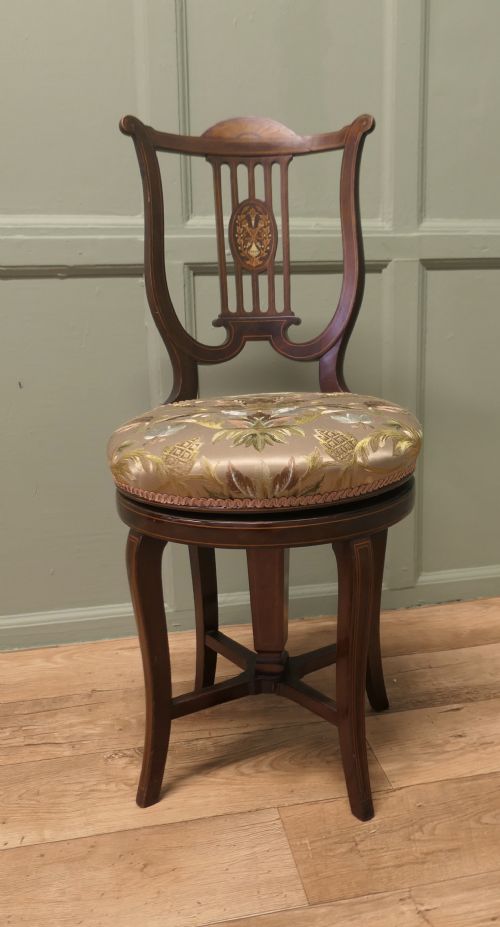
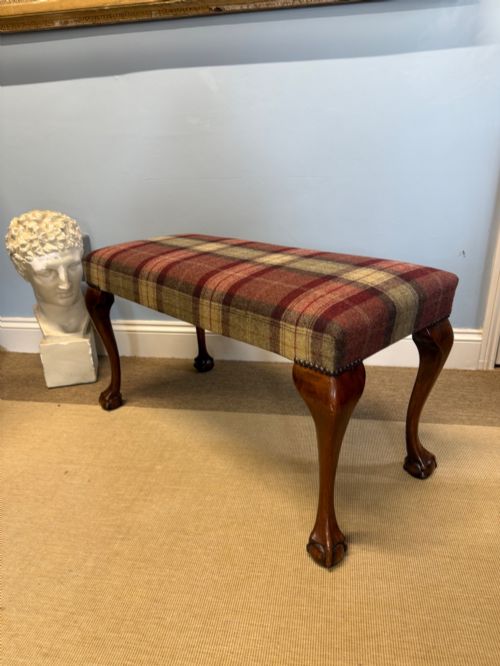
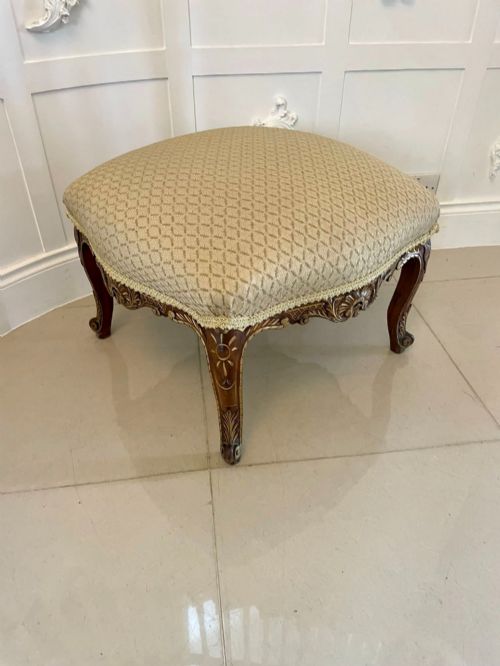
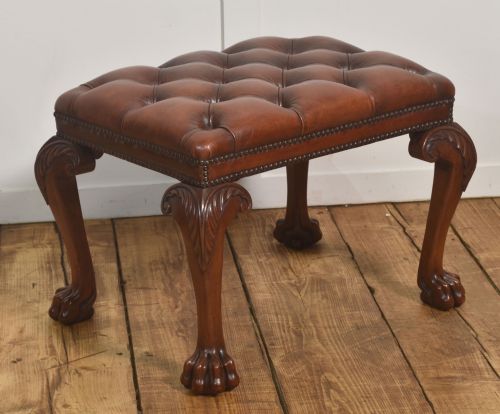
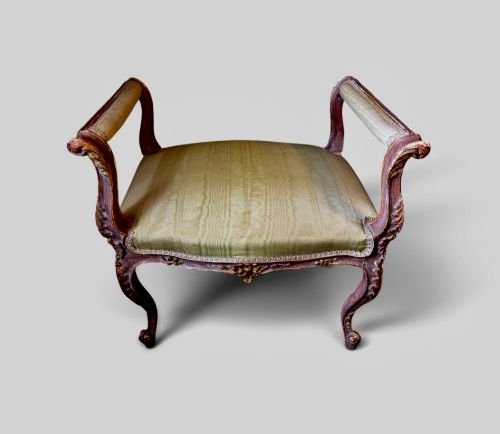
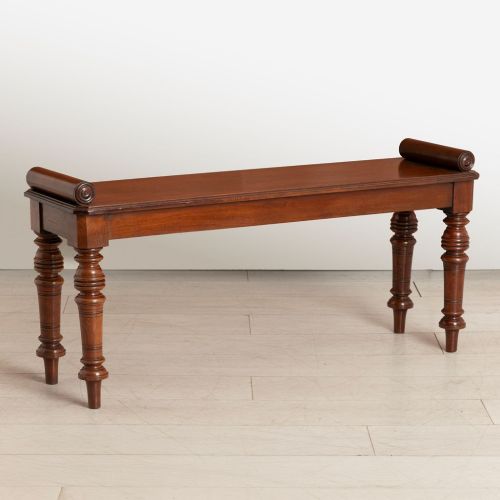
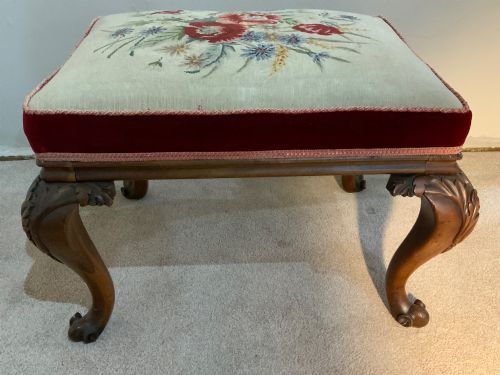
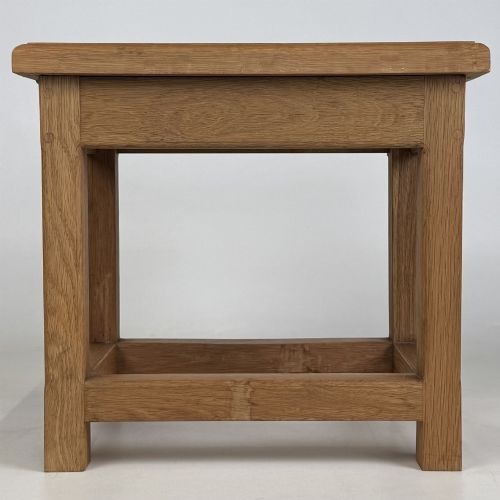
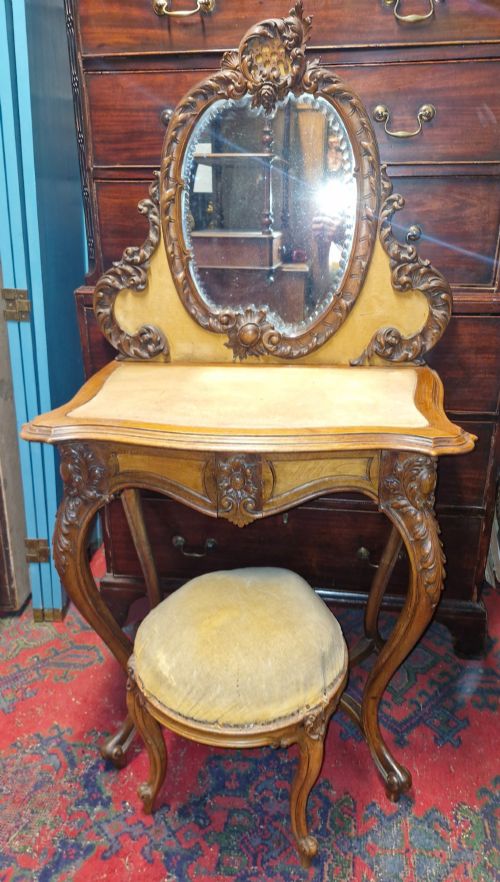
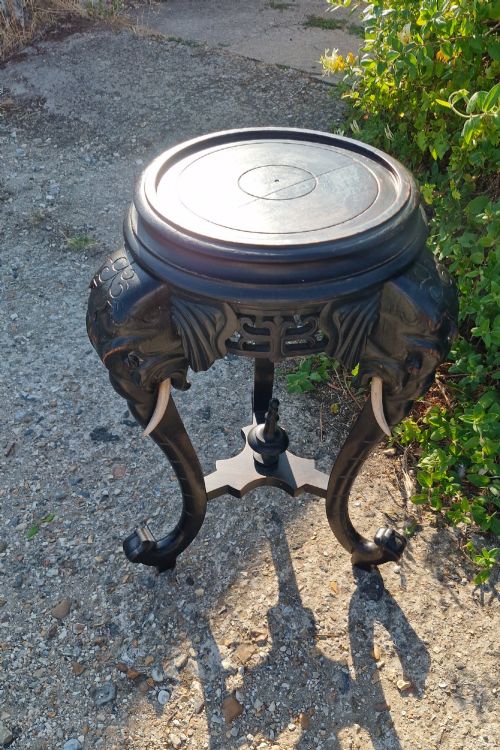
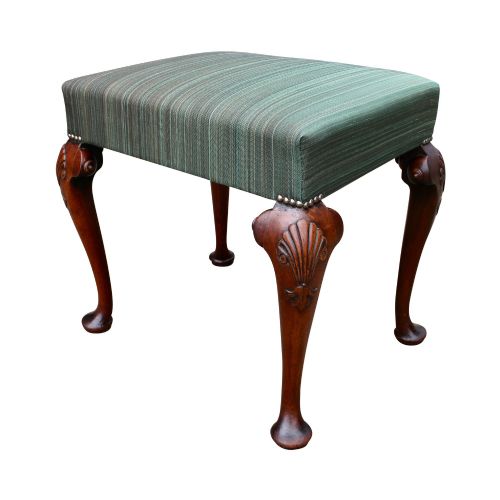
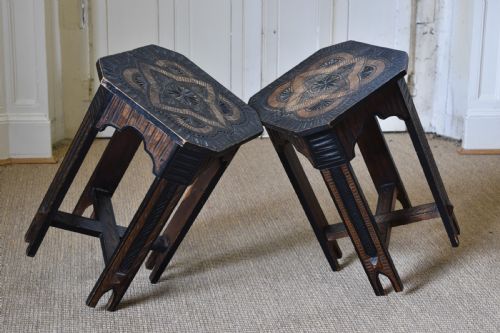
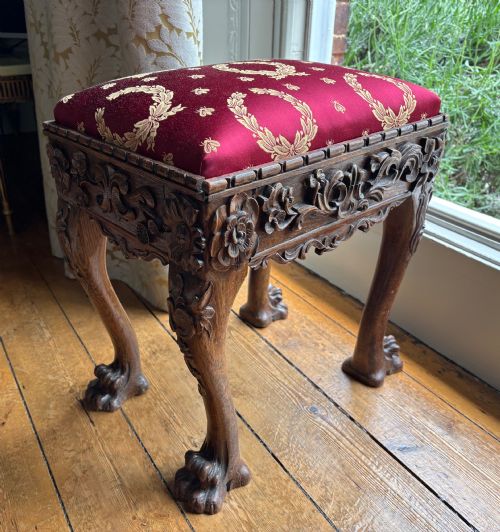
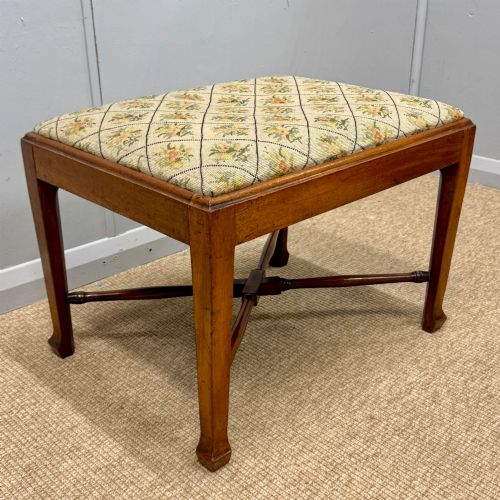
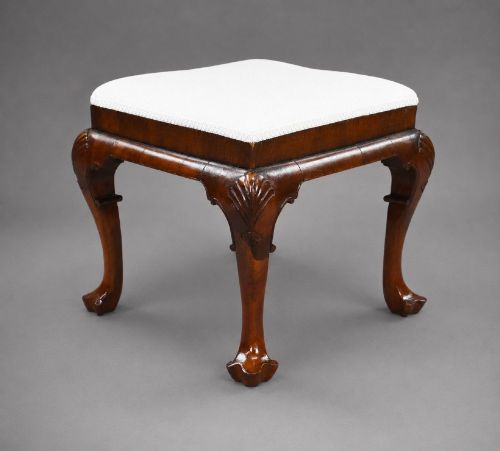
An antique style stool encompasses a range of seating and footrest forms, including piano stools, dressing table stools, long window seats, and joint stools. These pieces frequently draw upon earlier design vocabularies like Chippendale, Queen Anne, and Georgian styles.
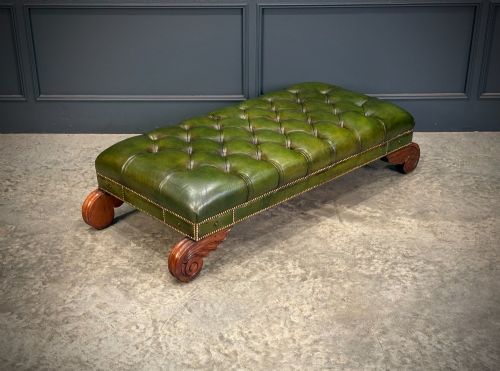
Victorian and early 20th-century workshop output dominates this category, alongside deliberate revivals spanning walnut, mahogany, and oak timbers. Buyers encounter low footstools alongside lengthy upholstered benches intended for bedrooms, dressing rooms, and music rooms.
How They Were Made
Cabinet makers utilised dense hardwoods such as mahogany, walnut, and oak to construct the frames, often employing traditional joinery like mortise and tenon or sturdy stretcher systems. Carved ornamentation, cabriole legs, and claw-and-ball or hoof feet required precise hand-tool work by skilled artisans.
Upholstered versions relied on webbing, stuffing, and coverings of leather, velvet, or woven fabric, secured with brass tacks or buttoning techniques. Giltwood and painted finishes appeared on pieces styled after French Louis periods or decorative Rococo revivals.
Listings feature woods such as mahogany, walnut, and oak alongside upholstery materials including velvet, leather, and fabric.
What Varies in Quality
The distinction between ordinary and superior pieces rests upon the crispness of the hand-carving and the weight of the timber selected for the frame. Heavier, solid walnut or mahogany frames with deep, deliberate relief carving demonstrate superior craftsmanship compared to lighter, mechanically produced alternatives.
Upholstery standards also dictate distinction, where hand-tied springs, substantial padding, and quality leather or heavy fabric elevate a piece. Finer examples exhibit meticulous attention to frame proportions and harmonious integration of revival design motifs.
Miles And Edwards·Minton
The Antique Style Stool Glossary
- Cabriole leg
- A furniture leg that curves outward at the knee and tapers inward toward the ankle, ending in a foot. This form was popularised during the Queen Anne and Georgian periods.
- Joint stool
- A sturdy, low wooden stool constructed with pegged mortise and tenon joints rather than turned legs. These utilitarian seats date back to the 17th century and earlier.
- X frame
- A structural furniture base formed by intersecting diagonal members creating an X shape. This classic curule form appeared frequently in Regency and French Empire designs.
- Stretcher
- A horizontal support connecting the legs of a stool to provide stability and rigidity. They often feature cross or H-configurations in walnut and oak pieces.
- Buttoning
- An upholstery technique where buttons are pulled deep into the padding to create a diamond pattern. This method secures the filling while adding a decorative texture.
Antique Style Stool: Frequently Asked Questions
What is a joint stool?
A joint stool is a solid wood seat constructed with pegged mortise and tenon joinery rather than turned legs. These sturdy pieces originated centuries ago as practical household seating.
In modern interiors, collectors utilise them as small bedside tables, occasional stands, or compact seats alongside larger living room furniture.
How do I identify revival styles?
Revival pieces copy design elements from earlier centuries, such as the cabriole legs of Queen Anne furniture or the carved mahogany details associated with Chippendale. Makers during the Victorian era and early twentieth century frequently reinterpreted these historical motifs.
Examining the wood species, construction methods, and wear patterns helps distinguish a late nineteenth-century revival from an original eighteenth-century piece.
Where were piano stools used?
Piano stools and music chairs were designed specifically for sitting at keyboard instruments during practice or performance. Many featured revolving seats or adjustable mechanisms to suit different players.
Today, these versatile items serve effectively as dressing table seats or compact footstools in bedrooms and studies.
Are long stools window seats?
Long stools and benches frequently function as window seats when placed beneath low sills in parlours and bedrooms. These elongated forms often feature upholstered tops and decorative carved frames.
Living with them is straightforward, as their narrow profiles allow placement along hallways, at the foot of beds, or beside living room walls.