



Antique Style Silver Brooch
An antique style silver brooch brings centuries of intricate design and craftsmanship to your lapel, offering an enduring piece of history to wear.
Antique Style Silver Brooch
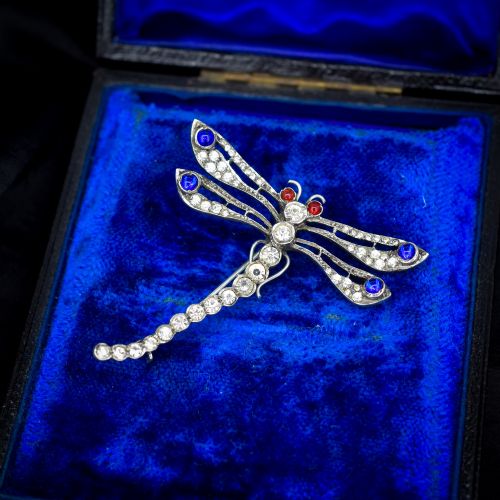
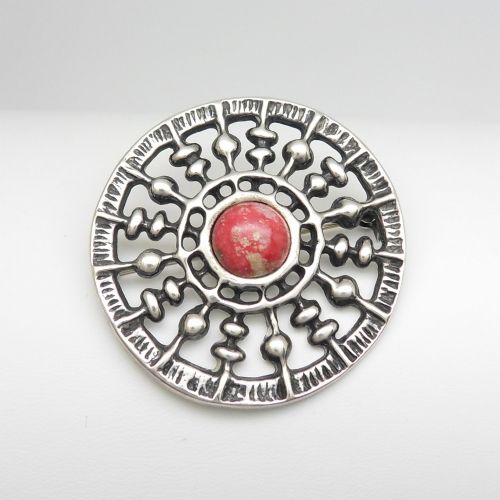
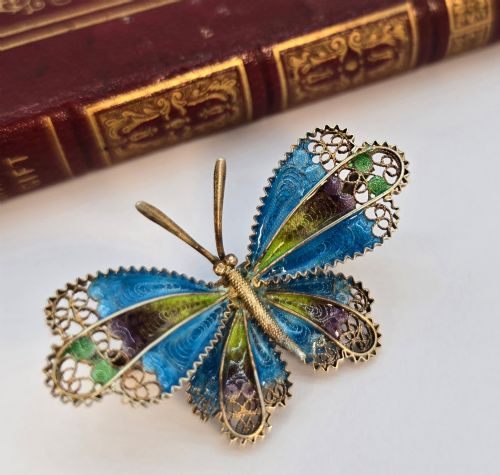
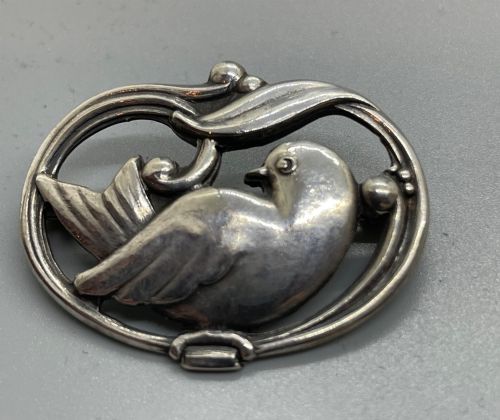
When you search for an antique style silver brooch, you encounter pieces spanning from the Victorian and Edwardian eras through to the Art Deco period and the 1940s. These items range from floral flower basket designs and geometric clips to figurative insect motifs such as butterflies and dragonflies.
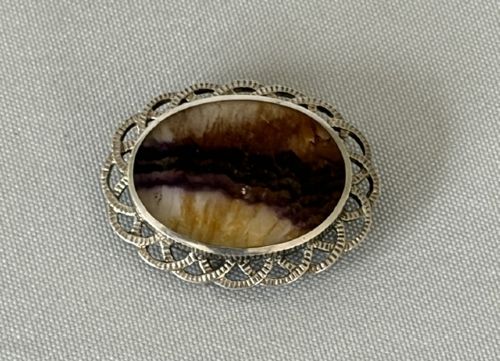
The versions you are most likely to meet on this page include sterling silver and silver gilt settings, frequently ornamented with paste glass, enamel, chalcedony, amethyst, sapphires, diamonds, or butterfly wing details. Origins stretch across British workshops and continental European centres including France and Vienna.
Many examples double as versatile accessories, functioning as both a pendant and a brooch or clipping securely onto garments. They encapsulate distinct stylistic movements from the nineteenth century onwards, reflecting the shifting tastes of past decades.
Materials and construction
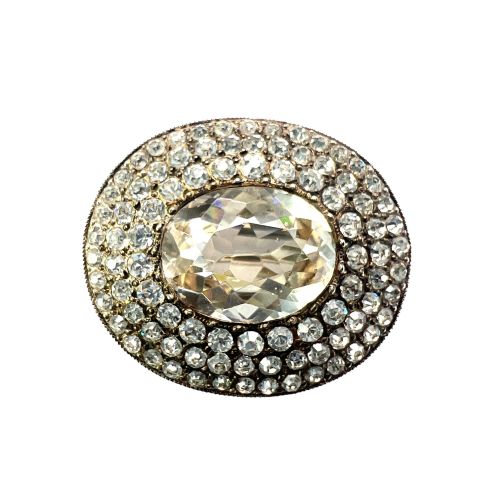
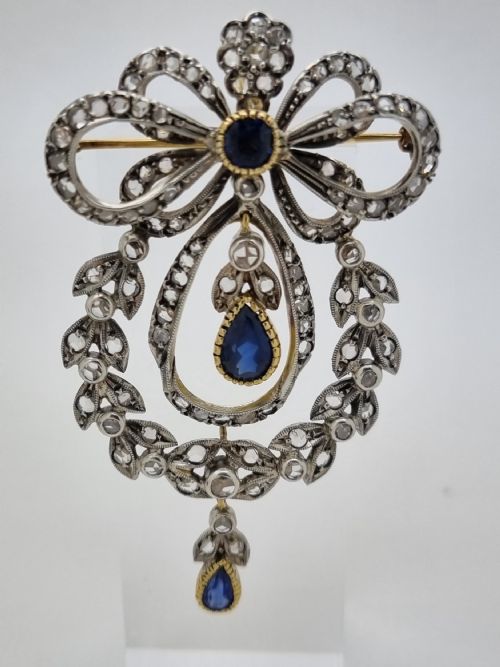
Craftsmen utilised solid silver, sterling silver, silver gilt, and platinum to form the structural foundations of these ornaments. These metallic bases were frequently paired with natural gemstones or brilliant paste glass to catch the light.
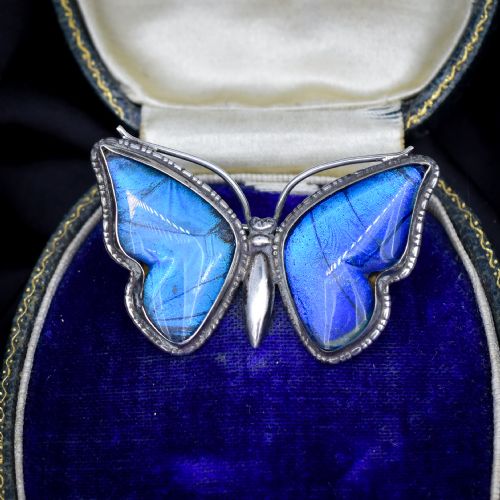
Decorative surface techniques include vibrant enamel work and detailed gemstone settings such as chalcedony, amethyst, sapphires, and diamonds. Specialised organic elements like butterfly wings were also set behind protective glass panels within the metal frames.
Antique Style Silver Brooch Retail Price Guide 2026
Typical asking prices for style silver brooch among the pieces listed under this phrase on Sellingantiques today, from the lower quarter to the upper quarter. They describe what is for sale here now, not the wider market.
Victorian jewellers occasionally used iridescent butterfly wings to paint miniature luminous landscapes behind glass.
Assessing quality
The distinction between standard examples and superior pieces rests upon the precision of the metalwork and the complexity of the stone setting. Finer items demonstrate meticulous attention to detail in their handiwork, particularly within engraved patterns and secure gemstone collets.
Material selection significantly elevates a piece, with high-grade genuine gemstones or sophisticated plique-à-jour and hard enamel finishes distinguishing more ambitious workshop productions from simpler decorative items.
The Antique Style Silver Brooch Glossary
- Silver Gilt
- Silver that has been coated with a thin layer of gold on its surface. This technique provides the rich appearance of solid gold while utilising a silver base.
- Paste Glass
- Cut and faceted lead glass designed to imitate genuine gemstones. Historic paste stones were individually shaped and polished by hand rather than mass-produced.
- Chalcedony
- A cryptocrystalline variety of quartz that appears in various translucent colours. It was frequently cut into smooth cabochons for Victorian jewellery.
- Secessionist
- An artistic movement originating in central Europe around the turn of the twentieth century that rejected traditional academic styles in favour of geometric and stylized natural forms.
- Giardinetti
- A jewellery design translating to little garden, depicting flowers arranged within a basket or vase. These motifs were popular during the Georgian and Victorian periods.
Antique Style Silver Brooch: Frequently Asked Questions
How do I wear an antique brooch today?
These pieces pin securely onto heavy coats, wool scarves, lapels, and structured sweaters. They also anchor silk stoles or accent the neckline of a simple dress.
Convertible items featuring integrated loops can additionally be suspended from a chain to serve as a pendant.
What periods do these brooches represent?
The selections span the Victorian and Edwardian eras, progressing into the Art Deco period of the 1920s and 1930s, alongside mid-century 1940s designs.
Each era introduces distinct stylistic traits, moving from ornate nineteenth-century naturalism to the geometric abstraction of the early twentieth century.
How do I care for antique silver jewellery?
Store each item separately in a soft pouch to prevent scratching delicate enamel, paste glass, or softer stones like chalcedony. Keep them away from moisture, perfumes, and harsh chemical cleaners.
Gentle wiping with a dry microfiber cloth maintains the metalwork without stripping original patination.
What materials are commonly used in these pieces?
Makers utilised sterling silver, silver gilt, and platinum for the mountings. Decorations frequently incorporate diamonds, sapphires, amethyst, chalcedony, enamel, and glass.
Unique organic materials such as treated butterfly wings also appear behind protective glass coverings in specific decorative items.
Can a brooch also be worn as a pendant?
Certain designs include hidden loops or hinged bales on the reverse specifically for suspending the piece from a necklace chain. This dual functionality was popular in the Edwardian and Victorian periods.
Examining the back of the mounting reveals whether a conversion element is present.